

What To Wear In Barcelona In January: 10 Essential Packing Tips
Master your Barcelona winter style with our guide on what to wear in January. Includes 10 essential tips on layering, local dress codes, and anti-theft gear.
On this page
Barcelona in January: the weather in numbers
Typical January conditions from 30 years of daily weather data, split into early, mid and late month so you can match them to your travel dates.
| Dates | Early Jan (1–10) | Mid Jan (11–20) | Late Jan (21–31) |
|---|---|---|---|
| Afternoon high | 13°C (55°F) | 12°C (54°F) | 13°C (55°F) |
| Night-time low | 5°C (42°F) | 5°C (41°F) | 5°C (41°F) |
| Feels like (afternoon) | 10°C (50°F) | 10°C (49°F) | 9°C (49°F) |
| Range of afternoon highs | 10–16°C | 10–15°C | 10–16°C |
| Days with rain | 2 in 10 days | 2 in 10 days | 2 in 10 days |
| Afternoon humidity | 59% | 59% | 58% |
| Average wind | 9 km/h | 9 km/h | 10 km/h |
| Daylight | 9.1 h | 9.3 h | 9.6 h |
What this means for your suitcase
- Cool days: a warm sweater and a proper jacket — think wool or a light insulated coat.
- Showers on roughly 2 in 10 days — a packable rain jacket or compact umbrella.
Travelling on specific dates? Use our What to Wear Planner for the weather, outfits and a packing list for your exact days in Barcelona.
Averages for 1991-2020, modelled from Copernicus ERA5-Land and ERA5 reanalysis via Open-Meteo open data (CC BY 4.0), adjusted to Barcelona's elevation. Modelled afternoon highs can read 1–2°C below airport weather-station records.
Planning what to wear in Barcelona in January requires a balance of Mediterranean style and practical warmth. The city stays milder than Northern Europe, but the damp sea air makes 10°C feel much colder than expected. Versatility is your best friend when navigating from sunny morning walks to chilly evening tapas runs.
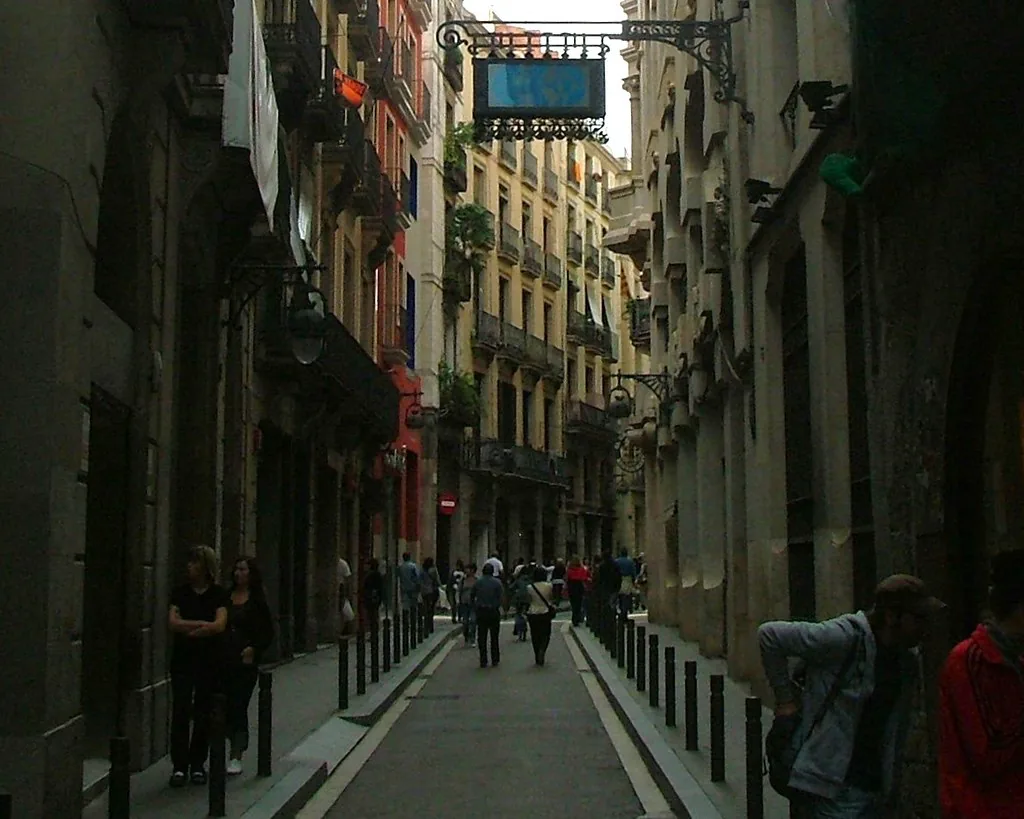
Locals in Barcelona maintain a polished look even during the coldest months of the year. You will see plenty of dark-wash denim, leather jackets, and stylish scarves throughout the Gothic Quarter. Bringing the right fabrics will keep you comfortable without needing a massive, heavy suitcase.
Before You Go Checklist
Preparation is key to enjoying the unique winter atmosphere of the Catalan capital. You should start by checking the specific temperature range for your exact travel dates. January often brings bright blue skies, but the shadows in narrow alleys remain quite damp. Check out this How to Pack for Trips with Mixed Weather guide for more layering ideas.
Ensure your electronics are ready for European sockets before you leave home. If you plan on visiting the Barcelona Top 10 attractions, book your tickets online in advance. Winter crowds are smaller, but popular spots like the Sagrada Familia still sell out.
Consider your strategy for the famous January sales, known locally as the Rebaixes. These massive discounts begin on January 7th and offer incredible deals on high-end fashion. Many savvy travelers leave extra space in their luggage to bring home Spanish leather goods. A Barcelona packing list should always account for these potential new purchases.
- Documents & Money: Passport and digital copies stored safely
- Tech & Electronics: Universal travel power adapter for European plugs
- Health & Medication: Prescription meds and basic first aid kit
- Practical Items: Portable power bank for long sightseeing days
- Documents & Money: Credit cards with zero foreign transaction fees
- Practical Items: Reusable water bottle for eco-friendly hydration
On the Day Checklist
Dressing for a day in Barcelona requires a multi-stage approach to handle temperature shifts. The morning sun can be quite warm, but temperatures drop rapidly once the sun sets. This fabric keeps you warm when it is cold and breathes when you are active.

Footwear is perhaps the most important decision for your daily comfort in Spain. Cobblestone streets in the Born district can be very hard on your feet. Choose stylish sneakers or leather boots that offer plenty of arch support. Avoid wearing brand-new shoes that have not been broken in properly yet.
Safety is another major consideration when exploring high-traffic areas like Las Ramblas. Pickpockets are active year-round, even during the quieter winter months. Consult the Barcelona Safety Guide for the latest security advice. Keeping your valuables in a secure cross-body bag is a smart daily habit.
- Clothing & Layers: Lightweight down jacket or wool overcoat
- Practical Items: Secure cross-body bag with internal zippers
- Clothing & Layers: Warm scarf to block Mediterranean sea breezes
- Clothing & Layers: Dark-wash denim jeans for a local look
- Clothing & Layers: Comfortable walking shoes with non-slip soles
- Practical Items: Compact umbrella for occasional winter rain showers
Common Mistakes Checklist
Many visitors assume that Spain is always hot and pack far too lightly. January is actually the coldest month, and the humidity makes it feel biting. One common error is bringing flip flops or shorts for city exploration. Locals rarely wear these items in winter, and you will stand out immediately.
Overpacking bulky items is another mistake that can ruin your mobility. Instead of one massive parka, choose several thinner layers that stack together. This allows you to adjust your warmth as you move between shops and cafes. Refer to what to wear in Barcelona for a broader seasonal comparison.
Don't ignore the dress codes when planning your evening activities in the city. Nightclubs and upscale restaurants often require a smart-casual appearance. Men should avoid wearing athletic gear or heavily distressed jeans at night. Women often opt for stylish boots and elegant knitwear for dinner outings.
- Don't Pack: Heavy snow boots are unnecessary for the city
- Don't Pack: Shorts and flip flops scream tourist in winter
- Don't Pack: Expensive jewelry that attracts unwanted attention
- Don't Pack: Bulky hair dryers that take up too much space
- Don't Pack: Light-wash distressed denim looks out of place here
- Don't Pack: Too many heavy sweaters that limit layering options
What to Pack for Day Trips
If you plan to visit Montserrat, you need significantly warmer clothing than the city. The mountain air is much thinner and windier than the coastal areas. Temperatures at the monastery can be 5-10 degrees lower than in Barcelona.
Coastal day trips to places like Sitges require a different approach entirely. The sea breeze can be quite strong even on a sunny January afternoon. A light scarf is essential for protecting your neck from the damp wind. Check the what to wear in Barcelona in February guide for late-winter shifts.
Walking on mountain trails requires sturdy footwear with excellent grip. Do not attempt the Montserrat hikes in basic fashion sneakers or loafers. Proper support will prevent fatigue and keep you safe on uneven terrain. Always carry a small backpack with water and snacks for these excursions.
- If you are hiking: Sturdy boots with ankle support
- If you are hiking: Thermal base layers for mountain altitudes
- If you are hiking: Windproof jacket to handle high-altitude gusts
- If you are hiking: Knit hat or beanie for ear warmth
- If you are hiking: Small daypack for water and trail maps
- If you are hiking: Polarized sunglasses for bright mountain sun
Frequently Asked Questions
Is Barcelona cold in January?
Barcelona is chilly but manageable in January. Average highs reach 15°C (59°F), while lows drop to 6°C (43°F). The high humidity makes it feel colder, so wind-blocking layers are essential for comfort.
Do people wear sneakers in Barcelona?
Yes, locals frequently wear stylish, clean sneakers for daily walking. Avoid gym-specific athletic shoes if you want to blend in. Leather sneakers in neutral colors are a popular and practical choice.
What is the dress code for Barcelona nightclubs?
Most clubs require a smart-casual dress code in winter. Men should wear collared shirts and dark shoes. Women typically wear dresses with tights or elegant trousers and boots to stay warm.
Mastering what to wear in Barcelona in January is all about smart layering and local style. By focusing on versatile fabrics like Merino wool and dark denim, you will stay comfortable. Don't forget to leave some room in your suitcase for the incredible January sales. Enjoy the crisp air and beautiful winter light of this stunning Mediterranean city.
Editorial correction — September 19, 2026: Removed unsupported personal-experience claims attributed to the former fictional byline. This edit does not constitute a full factual review of the guide.
Free: The Ultimate Packing Cheat Sheet
A carry-on capsule wardrobe, the complete packing checklist, layering made simple, and what to wear by season — one printable page you'll use on every trip.
You might also like


Continue reading
More guides you'll find useful


