

What to Wear in Barcelona: 10 Essential Packing Tips
Master Barcelona style with our seasonal packing guide. Discover what to wear to blend in, the best shoes for cobblestones, and essential items for every month.
On this page
What to Wear in Barcelona: 10 Essential Packing Tips
Barcelona is a city where Mediterranean ease meets sophisticated urban style. Choosing what to wear in Barcelona requires a balance between comfort for walking and a polished aesthetic for evening tapas. This guide will help you navigate the humid climate and local social norms with confidence.
Locals in the Catalan capital take pride in their appearance without looking overly formal. You will notice a preference for well-fitted basics and high-quality fabrics like linen or soft cotton. Dressing appropriately not only helps you feel more comfortable but also makes you less of a target for petty crime.
Whether you are exploring the narrow alleys of the Gothic Quarter or lounging by the sea, your wardrobe should be versatile. We have compiled the ultimate seasonal advice to ensure your suitcase is perfectly curated. Follow these tips to master the art of dressing like a true Barcelonian.
Free: The Ultimate Packing Cheat Sheet
A carry-on capsule wardrobe, the complete packing checklist, layering made simple, and what to wear by season — one printable page you'll use on every trip.
Key Takeaways
- Prioritize linen and cotton to manage the high Mediterranean humidity.
- Always carry a light scarf for shoulder coverage in cathedrals.
- Choose leather sneakers or espadrilles over plastic flip-flops for city walking.
- Use a secure cross-body bag to protect your valuables from pickpockets.
Weather in Barcelona: A Month-by-Month Overview
Barcelona enjoys a Mediterranean climate characterized by mild winters and hot, humid summers. The humidity is a crucial factor that often makes the air feel warmer or colder than the thermometer suggests. Understanding these shifts is the first step in deciding what to wear in Barcelona for your specific dates.
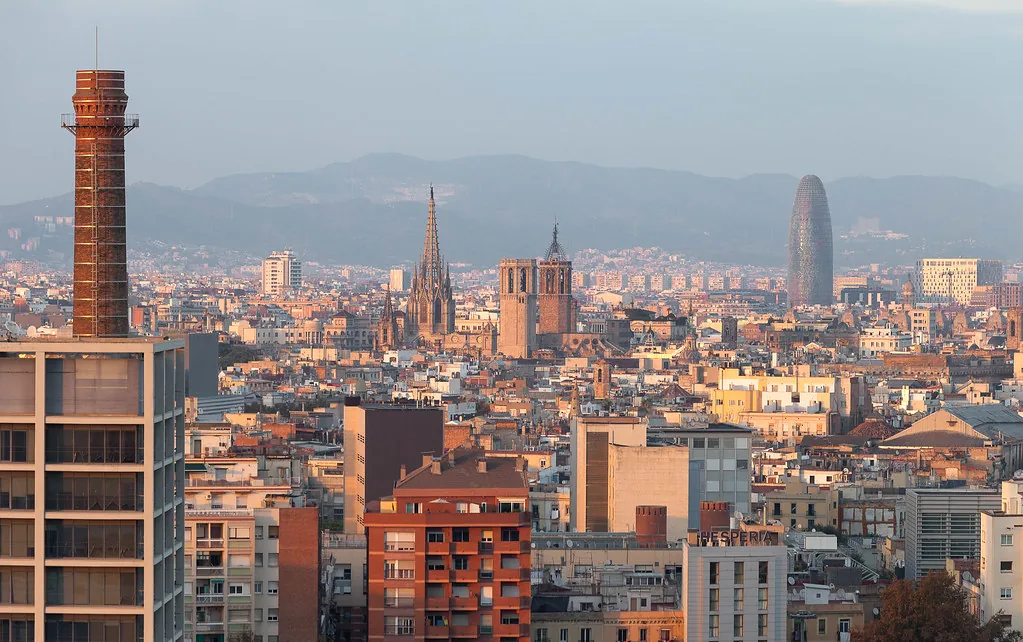
Spring and autumn offer the most pleasant temperatures for extensive sightseeing across the city. March and April see temperatures rising toward the 60s, while October remains surprisingly warm. These transitional months often bring occasional rain showers, so carrying a compact umbrella is a smart move.
Summer heat peaks in July and August, often reaching the high 80s with heavy moisture from the sea. During this time, the city feels tropical, and locals often escape to the cooler Costa Brava. If you visit in June, expect long daylight hours and a festive atmosphere that demands breathable clothing.
Winter is rarely freezing, but the damp air can make 50°F feel quite biting in the shade. January and February are the coolest months, requiring heavier layers and wind-resistant outerwear. Despite the chill, the sun often shines brightly, making sunglasses a year-round necessity in Catalonia.
The Barcelona Aesthetic: How to Blend In with Locals
The local style in Barcelona is best described as 'effortless chic' with a focus on tailoring. You will rarely see locals wearing baggy sweatpants or athletic jerseys unless they are heading to the gym. Instead, aim for smart-casual pieces like dark denim, chinos, and stylish blouses or button-down shirts.
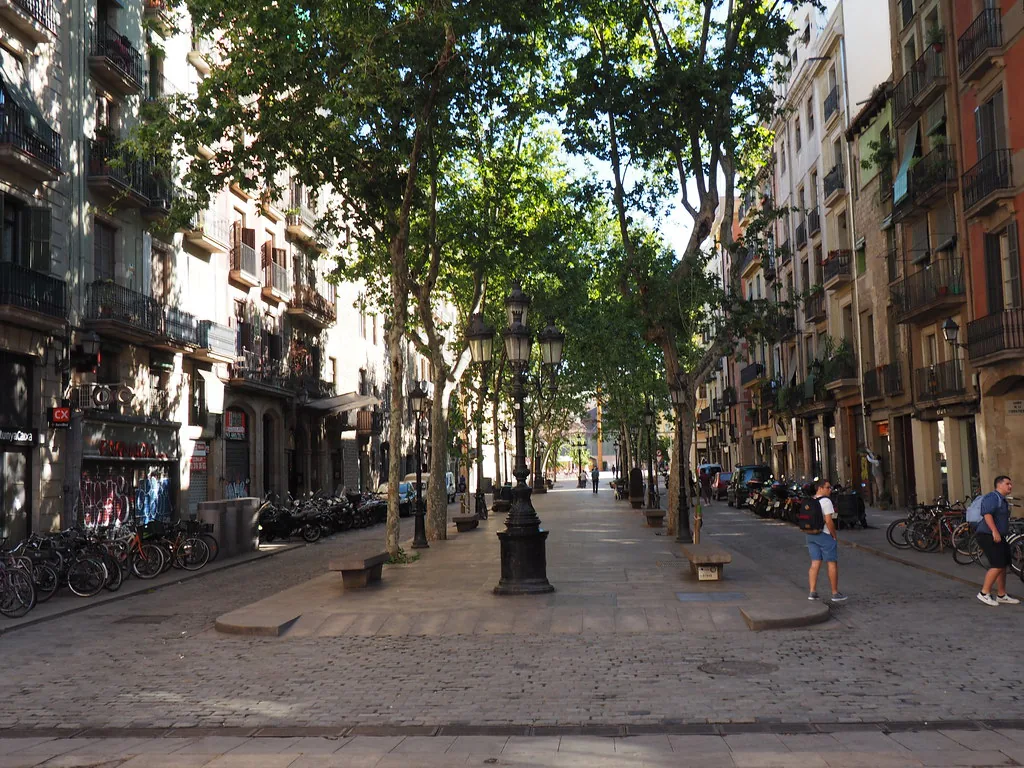
Color palettes tend to stay neutral during the winter and lean into earthy tones or vibrant prints in the summer. In neighborhoods like Eixample, the look is more polished and professional compared to the bohemian vibe of Gràcia. Matching your outfit to the district can enhance your experience of the local culture.
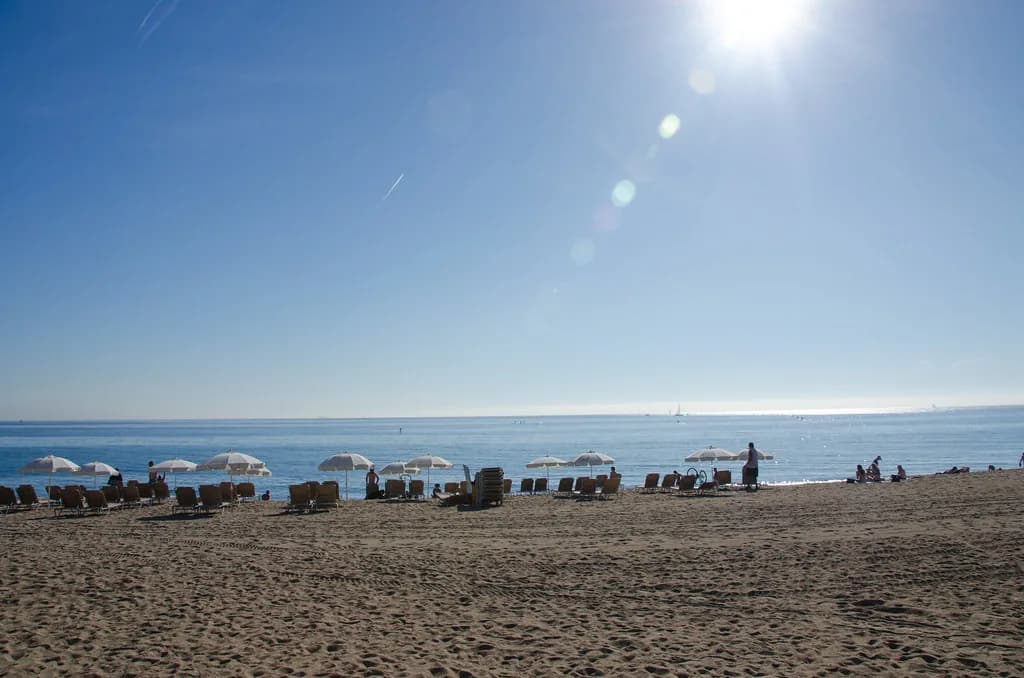
Avoid wearing beachwear like flip-flops or bikinis when you are not directly on the sand. Walking through the city center in swimwear is considered disrespectful and can even result in fines in some areas. Transitioning from the beach to a cafe requires a proper cover-up or a change of clothes.
Footwear is perhaps the biggest indicator of a tourist versus a local in this city. While comfort is key for the miles you will walk, opt for leather sneakers or stylish loafers over bulky hiking boots. Keeping your shoes clean and in good condition aligns with the local emphasis on presentation.
Spring and Summer Essentials: Light Fabrics
When the heat arrives, linen becomes your best friend for staying cool and looking sharp. A crisp linen shirt or a pair of wide-leg trousers allows for maximum airflow in the humid Mediterranean air. These fabrics dry quickly, which is a major benefit if you are caught in a sudden June afternoon shower.
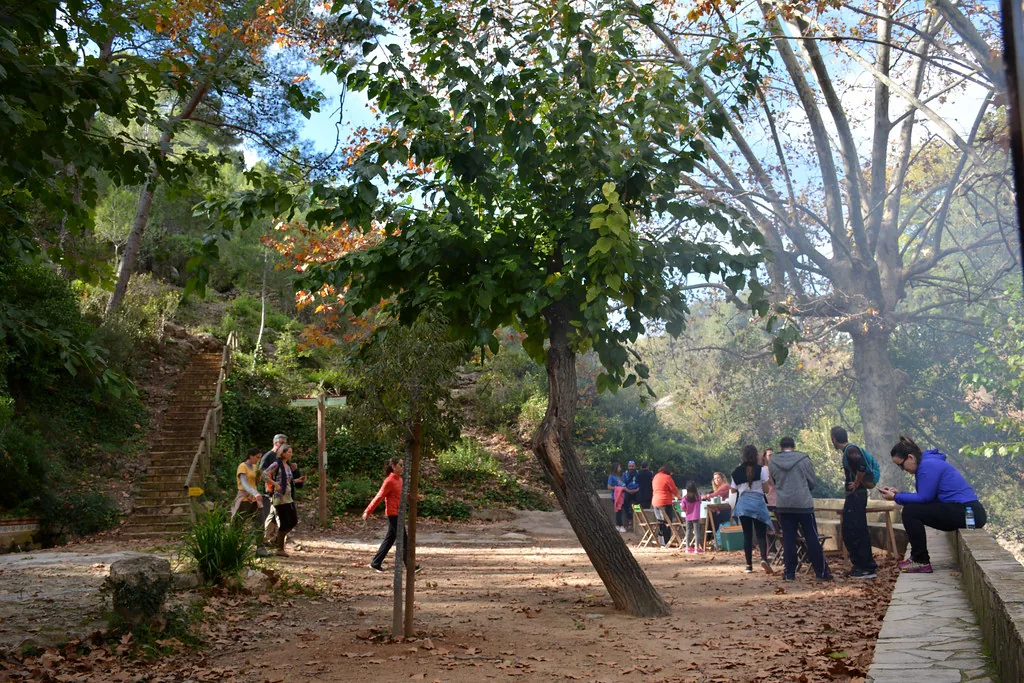
Choosing between a white dress and a bright dress depends on your daily itinerary and personal style. White reflects the sun and looks classic against the blue sea, but bright colors celebrate the city's artistic heritage. Both options are popular, though darker colors are often reserved for evening dining in the city.
Men should consider tailored shorts that hit just above the knee for a more sophisticated summer look. Avoid cargo shorts with excessive pockets, as these are seen as purely functional rather than fashionable. Pairing shorts with a polo or a light button-down keeps the look elevated enough for a nice lunch.
For those planning a summer visit, this Amazon Barcelona summer packing list offers great inspiration for specific pieces. Lightweight fabrics are essential to prevent overheating while exploring the sunny hills of Montjuïc. Always pack a light scarf to cover your shoulders if you plan to enter any historic churches.
Autumn and Winter Essentials: Layering for the Chill
As the temperature drops in November, layering becomes the most effective way to stay comfortable. Start with a high-quality base layer, such as Uniqlo Heattech, to trap warmth without adding bulk to your silhouette. This is especially useful for evening walks when the sea breeze turns quite cold.
A stylish trench coat or a wool blend jacket is perfect for the mild but damp Barcelona winter. You won't need a heavy arctic parka, but a windproof outer layer will protect you from the gusts near the harbor. Darker colors like navy, charcoal, and forest green help you blend in with the winter crowd.
Thermal clothing is a secret weapon for those visiting in December or January. Because many older buildings in the Gothic Quarter lack central heating, having warm layers for indoors is just as important as for outside. Wool socks and a light beanie can make a significant difference in your overall comfort level.
Don't forget to pack a versatile scarf that can double as a wrap for chilly restaurants. Many locals wear scarves as a fashion statement throughout the autumn, even when it isn't strictly necessary for warmth. It adds a pop of texture to your outfit while serving a practical purpose during temperature dips.
- Essential Winter Layering Pieces
- Base: Lightweight thermal top
- Mid: Cashmere or wool sweater
- Outer: Mid-weight wool coat
- Extra: Leather gloves for evenings
Footwear Guide: Navigating Cobblestones and Hills
The streets of Barcelona are often paved with uneven cobblestones or smooth, slippery tiles. Choosing the right shoes is vital to prevent fatigue and potential injury during your trip. Leave the high heels at home and prioritize footwear with good arch support and non-slip soles.
Locals love their traditional footwear, and you can easily adopt this style to blend in. Replace your plastic flip-flops with leather Avarques from Menorca or classic Catalan espadrilles for a more authentic look. These options are breathable, durable, and look much better with a summer dress or chinos.
Sneakers are perfectly acceptable as long as they are fashion-forward rather than purely athletic. Brands like Veja or classic white leather sneakers are staples for walking through the Eixample district. They provide the necessary cushioning for the hills of Park Güell while maintaining a clean, urban aesthetic.
If you are visiting during the rainy season in October, consider water-resistant leather boots. Wet tiles can become incredibly slick, making traction a priority for your safety. Always break in new shoes at least two weeks before your flight to avoid painful blisters on your first day.
Dressing for Specific Occasions: Tapas and Cathedrals
Barcelona has strict rules for entering religious sites like the Sagrada Familia or the Barcelona Cathedral. Shoulders must be covered, and skirts or shorts should reach at least mid-thigh. Keeping a lightweight sarong in your bag is an easy way to comply with these rules without overheating.
Evening dining in Barcelona is a social event that usually begins after 9:00 PM. While tapas bars are generally casual, showing up in a slightly elevated outfit is a sign of respect for the establishment. A nice pair of dark jeans and a blouse or a collared shirt is usually the perfect choice.
Nightclubs in the Olympic Port area often have stricter dress codes than the bars in El Born. Men may be required to wear long trousers and closed-toe shoes to gain entry to high-end venues. Researching the specific club beforehand can save you from being turned away at the door.
When attending a local festival or outdoor concert, prioritize mobility and safety. Crowded events like La Mercè require comfortable shoes and secure bags to handle the large groups of people. Dressing in layers allows you to adjust as the night cools down after the sun sets.
Pickpocket Prevention: Styling Your Outfits for Safety
Safety is a major consideration when deciding what to wear in Barcelona during the busy summer months. Pickpockets often target people who look like tourists, so blending in is your first line of defense. Avoid wearing flashy jewelry or expensive watches when walking through crowded areas like Las Ramblas.
Cross-body bags with sturdy straps are much safer than backpacks or shoulder bags that can be easily grabbed. Look for bags with locking zippers or hidden compartments to store your passport and extra cash. Styling these bags across your front keeps your valuables within your sight at all times.
Some travelers prefer clothing with hidden pockets built into the seams for added security. This is a great way to carry a credit card and phone without needing a traditional wallet. If you use a backpack, wear it on your front in very crowded metro stations or tourist hotspots.
For more detailed advice on organizing your gear, you should check out our packing hacks for savvy travelers. Keeping your most important items close to your body reduces the risk of opportunistic theft. A little preparation in how you style your accessories goes a long way in ensuring a stress-free trip.
Explore What to Wear in Barcelona by Month
Use these month-by-month guides to fine-tune your wardrobe for the exact dates of your trip, then cross-check the full Barcelona packing list before you zip up your suitcase.
- What to wear in Barcelona in January
- What to wear in Barcelona in February
- What to wear in Barcelona in March
- What to wear in Barcelona in April
- What to wear in Barcelona in May
- What to wear in Barcelona in June
- What to wear in Barcelona in July
- What to wear in Barcelona in August
- What to wear in Barcelona in September
- What to wear in Barcelona in October
- What to wear in Barcelona in November
- What to wear in Barcelona in December
- Barcelona packing list
Frequently Asked Questions
Can I wear shorts in Barcelona cathedrals?
You can wear shorts in most cathedrals as long as they are not too short. Generally, they should reach the knee to be considered respectful. Always bring a scarf to cover your shoulders, as bare shoulders are often prohibited inside religious buildings in Spain.
Are sneakers okay to wear in Barcelona?
Yes, sneakers are very common and perfectly acceptable for daily sightseeing. To blend in, choose stylish leather or canvas sneakers rather than bulky gym shoes. They are the best choice for navigating the city's many hills and cobblestone streets comfortably. Check our packing list for more footwear ideas.
What should I wear to avoid looking like a tourist?
Avoid wearing zip-off hiking pants, flip-flops in the city, or bright athletic jerseys. Stick to a smart-casual wardrobe with neutral colors and well-fitted clothing. Dressing for the season rather than the weather—like wearing a jacket in October even if it is sunny—helps you look like a local.
What do locals wear in Barcelona in the evening?
Locals typically dress up slightly for the evening, opting for 'smart-casual' attire. This often includes dark jeans, stylish boots or loafers, and a nice top or blazer. The goal is to look polished but relaxed, fitting the sophisticated atmosphere of the city's wine bars and restaurants.
Mastering what to wear in Barcelona is about embracing the local balance of style and practicality. By choosing breathable fabrics for summer and smart layers for winter, you will stay comfortable during long days of exploration. Remember that your footwear is your most important investment for the city's unique terrain.
Dressing like a local not only helps you feel more connected to the Catalan culture but also enhances your personal safety. Whether you are visiting in the heat of July or the humid chill of January, these tips ensure you are prepared. Pack with intention, and you will spend less time worrying about your clothes and more time enjoying the city.
Barcelona is a vibrant, artistic city that welcomes personal expression within a framework of Mediterranean tradition. Use this guide as a foundation to build a wardrobe that reflects your style while respecting local norms. Enjoy your journey through one of the most beautiful cities in Europe with total confidence in your look.
Free: The Ultimate Packing Cheat Sheet
A carry-on capsule wardrobe, the complete packing checklist, layering made simple, and what to wear by season — one printable page you'll use on every trip.
You might also like


Continue reading
More guides you'll find useful


