

What to Wear by Season: 7 Essential Style Guides
Master the fashion calendar with our guide on what to wear by season. From color palettes to fabric choices, learn how to dress for every weather shift.
On this page
What to Wear by Season: 7 Essential Style Guides
Understanding what to wear by season is the secret to feeling comfortable and looking polished throughout the year. Whether you are navigating a humid summer in Seville or a crisp winter morning in Paris, your fabric choices dictate your daily comfort level. Mastering these shifts requires a blend of functional knowledge and an eye for seasonal aesthetics.
The global fashion industry operates on a specific calendar that influences what appears in stores and on the streets. Learning this cycle helps you anticipate weather changes and invest in the right pieces before the temperature drops or spikes. A well-prepared traveler knows that a versatile capsule wardrobe for travel can bridge the gap between these shifting climates.
This guide explores the core fashion cycles, fabric science, and personal color theory to help you build a year-round wardrobe. We will dive into the nuances of the major seasons and the often-overlooked transitional periods like Resort and Pre-Fall. Prepare to transform your approach to dressing by aligning your style with the natural rhythm of the year.
Free: The Ultimate Packing Cheat Sheet
A carry-on capsule wardrobe, the complete packing checklist, layering made simple, and what to wear by season — one printable page you'll use on every trip.
The Core Fashion Cycle: Spring/Summer vs. Fall/Winter
The fashion world revolves around two primary pillars known as Spring/Summer (SS) and Fall/Winter (FW). These major cycles dictate the weight of fabrics and the dominant color palettes found in retail collections. Designers typically showcase SS lines in autumn, while FW collections debut during the late winter months to prepare for the coming year.
Spring/Summer collections prioritize lightweight materials like cotton, linen, and silk to manage rising temperatures. You will often see brighter colors and floral patterns that reflect the blooming environment of the warmer months. According to the Fashion Industry Calendar Overview, these collections usually hit stores between January and March.
Fall/Winter shifts the focus toward protection, insulation, and durability against harsh elements. Heavier textiles such as wool, cashmere, and leather become the standard for these colder months. The color schemes often transition into deeper, moodier tones that complement the shorter days and lower light levels of the season.
Smart shoppers use this calendar to their advantage by purchasing high-quality items at the end of each cycle. Buying a heavy winter coat in February or a designer swimsuit in August can lead to significant savings. Understanding these industry rhythms ensures you are never caught without the proper gear when the weather suddenly shifts.
Spring Essentials: Breathable Layers and Soft Hues
Spring is notoriously unpredictable, often swinging from chilly mornings to warm, sunny afternoons within a few hours. The key to mastering this season is strategic layering with breathable fabrics that allow for quick adjustments. A light trench coat or a denim jacket serves as an ideal outer shell for these fluctuating conditions.

Soft hues like mint green, lavender, and sky blue dominate the spring aesthetic to mirror the natural world. These colors work best when paired with neutral bases like beige or light gray to keep the look sophisticated. Referencing a travel packing checklist can help you remember the essential mid-layers needed for spring trips.
Footwear during this transition should provide protection from occasional rain while remaining lighter than heavy winter boots. Loafers, leather sneakers, or waterproof ankle boots are excellent choices for navigating damp city streets. Aim for materials that can withstand a light drizzle without compromising your overall style or comfort.
Consider the breathability of your base layers to avoid overheating during midday peaks. Organic cotton and light bamboo blends offer excellent moisture management for active days spent exploring new destinations. These fabrics keep you dry and comfortable as you move between indoor museums and outdoor parks.
Summer Wardrobe: Beating the Heat with Natural Fibers
When temperatures climb above 80°F (27°C), your choice of textile becomes the most important factor in your comfort. Natural fibers like linen and silk are superior to synthetics because they allow air to circulate close to the skin. While polyester often traps heat, a high-quality linen shirt can actually lower your body temperature through evaporation.
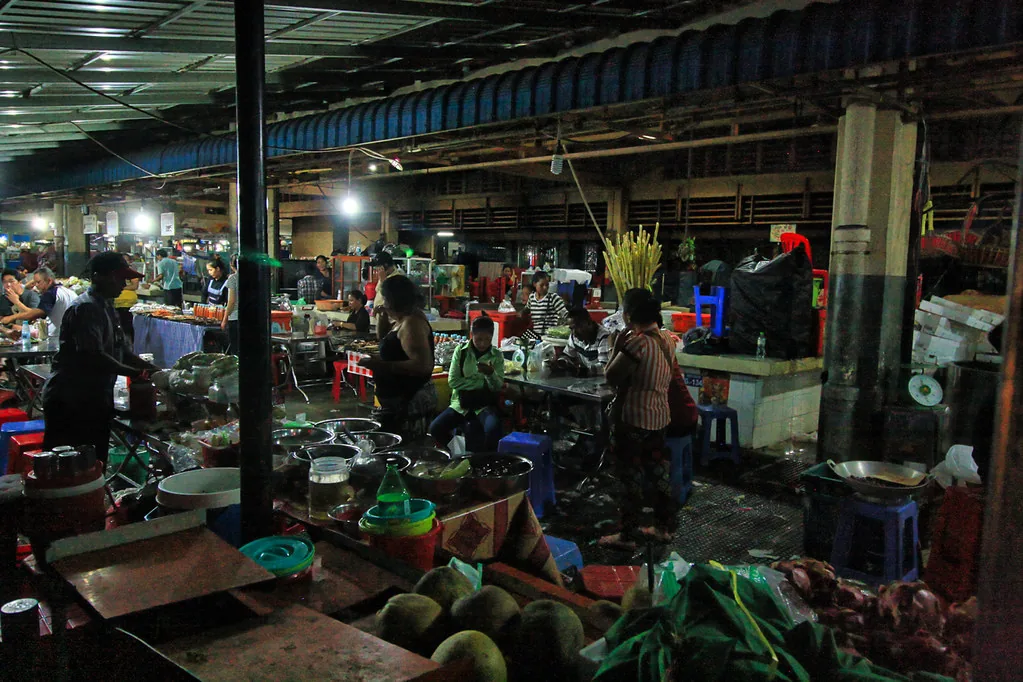
Loose silhouettes are far more effective at keeping you cool than tight-fitting garments in the summer sun. Wide-leg trousers and breezy midi dresses create a personal microclimate that prevents fabric from sticking to your skin. If you are heading to the coast, don't forget to consult a beach packing list for sun-safe clothing options.
Sun protection should extend beyond just sunscreen to include tightly woven fabrics and wide-brimmed hats. Look for clothing with a UPF (Ultraviolet Protection Factor) rating if you plan to spend long hours outdoors. Light-colored clothing reflects sunlight, further helping to keep your core temperature stable during heatwaves.
Summer evenings may still bring a slight breeze, especially in Mediterranean coastal cities like Sorrento. A gauzy oversized button-down or a silk scarf can provide just enough coverage without adding unnecessary weight. These versatile pieces occupy very little space in a suitcase while offering great functional value.
Fall Transitions: Incorporating Rich Textures and Jewel Tones
As the leaves change, your wardrobe should transition toward richer textures and more substantial weights. Fall is the perfect time to introduce corduroy, suede, and light wool blends into your daily rotation. These fabrics provide a sensory depth that matches the cozy atmosphere of the autumn season.

Jewel tones such as emerald green, burgundy, and deep sapphire become the stars of the fall color palette. These saturated colors look particularly striking against the golden light of the setting autumn sun. You can find many Seasonal Palette Examples to inspire your next shopping trip or outfit pairing.
The 'Third Piece' rule is a styling formula that works exceptionally well during the cooling fall months. By adding a vest, blazer, or cardigan over a basic top and bottom, you create a finished look that also provides warmth. This extra layer is easy to remove if you find yourself in a heated cafe or a crowded train.
Footwear transitions toward sturdier options like Chelsea boots or brogues to handle fallen leaves and cooler ground temperatures. Pairing these with thicker socks can extend the life of your lighter trousers well into the late fall. This approach allows you to bridge the gap between summer lightness and winter bulk effectively.
Winter Style: Mastering Insulation without the Bulk
Dressing for winter is an exercise in technical layering to trap heat while allowing moisture to escape. Start with a high-quality base layer made of merino wool or silk to keep your skin dry and warm. These natural insulators provide incredible warmth without the thickness associated with traditional thermal wear.
Your middle layer should focus on insulation, using materials like fleece or down-filled vests to retain body heat. A heavy wool overcoat or a technical parka serves as the final barrier against wind, snow, and freezing rain. For more specific advice, check out a dedicated winter packing list to ensure you cover all the essentials.
Accessories are not just fashion statements in winter; they are critical for preventing heat loss through your extremities. A cashmere scarf, lined leather gloves, and a wool beanie can make a 20-degree difference in how you feel. Investing in quality accessories ensures you stay comfortable during long winter walks in cities like Berlin or Prague.
Avoid the common mistake of wearing too many tight layers, which can actually restrict blood flow and make you feel colder. Leave a small amount of space between layers to allow for a pocket of warm air to form. This 'air gap' is the most effective insulator you have against the biting winter wind.
The Hidden Seasons: Understanding Resort and Pre-Fall
Beyond the major cycles, the fashion industry includes 'bridge' seasons known as Resort (or Cruise) and Pre-Fall. Resort collections typically arrive in late autumn and are designed for travelers heading to warmer climates during winter. This is the best time to find high-end swimwear and summer linens when traditional stores are full of heavy coats.
Pre-Fall collections bridge the gap between summer and autumn, offering transitional pieces that work in moderate temperatures. These lines often feature lighter versions of winter trends, such as unlined wool coats or short-sleeved knitwear. Savvy shoppers look to these collections for investment pieces that can be worn for six to eight months of the year.
Understanding these sub-seasons allows you to shop more sustainably by finding items with longer seasonal relevance. Resort wear is particularly useful if you are planning a trip to the southern hemisphere or a tropical getaway. These 'hidden' seasons often offer more wearable, classic designs than the highly experimental main runway collections.
Shopping during these windows can also help you avoid the rush of the major seasonal drops. You can often find unique pieces that won't be as widely distributed as the primary SS or FW lines. This helps in creating a more individualistic style that stands out from standard high-street trends.
- Resort Season Shopping Strategy
- Availability: Nov to Jan
- Best for: Swimwear and linen
- Target: Tropical winter travel
- Benefit: High-quality summer gear
- Pre-Fall Wardrobe Building
- Availability: May to July
- Best for: Light knits
- Target: Transitional autumn days
- Benefit: Long-term wearability
Personal Color Seasons: Matching Outfits to Your Complexion
Choosing what to wear by season isn't just about the weather; it is also about matching your clothes to your skin's undertones. Seasonal color analysis categorizes people into Spring, Summer, Fall, or Winter types based on their natural coloring. Wearing your 'power colors' can make your skin look more radiant and your eyes appear brighter.
Spring and Autumn types typically have warm undertones, looking best in gold jewelry and earth-toned fabrics. In contrast, Summer and Winter types usually have cool undertones and shine in silver and blue-based colors. You can take a Color Me Beautiful Quiz to discover your specific seasonal category.
Once you know your season, building a cohesive wardrobe becomes much simpler because most of your pieces will naturally coordinate. A 'Winter' person might focus on high-contrast black and white, while an 'Autumn' might prefer olive green and burnt orange. This systematic approach reduces decision fatigue when getting dressed each morning.
Remember that these guidelines are tools to help you, not strict rules that limit your personal expression. You can still wear colors outside your palette by keeping them away from your face or using them as small accents. The goal is to use color theory to enhance your natural features while staying true to your personal style.
Frequently Asked Questions
What are the 4 fashion seasons?
The traditional fashion calendar is divided into Spring, Summer, Fall, and Winter. However, the industry primarily focuses on two major cycles: Spring/Summer (SS) and Fall/Winter (FW). These cycles dictate when new collections are released and which fabrics dominate the retail market. For more tips, see our what to wear in Europe guide.
What is the difference between SS and FW in fashion?
SS stands for Spring/Summer, featuring lightweight fabrics like linen and bright colors. FW stands for Fall/Winter, focusing on heavy materials like wool and darker, saturated tones. These categories help designers and retailers organize their production and sales schedules throughout the year.
How do I know what color season I am?
You can determine your color season by analyzing your skin's undertone, eye color, and natural hair shade. Look at the veins on your wrist; blue veins suggest cool tones (Summer/Winter), while green suggests warm tones (Spring/Fall). Professional quizzes can provide a more detailed analysis of your palette.
What are transitional fashion seasons?
Transitional seasons like Resort and Pre-Fall act as bridges between the major weather shifts. They offer clothing that works well when the temperature is in-between extremes, such as light sweaters or unlined coats. These seasons are often the best time to find versatile, year-round investment pieces.
What fabrics are best for summer vs winter?
For summer, choose natural, breathable fibers like linen, silk, and light cotton to stay cool. In winter, opt for insulating materials like merino wool, cashmere, and down to retain body heat. Synthetic fabrics like polyester are generally better for moisture-wicking during athletic activities rather than daily temperature regulation.
Mastering what to wear by season is an evolving skill that balances practical needs with personal aesthetics. By understanding the fashion industry calendar and the science of fabrics, you can navigate any climate with confidence. Whether you are prepping for a 2026 summer tour or a winter retreat, the right layers make all the difference.
Invest in high-quality natural fibers and learn your personal color palette to build a wardrobe that lasts beyond a single season. Strategic shopping during transitional windows like Resort and Pre-Fall can also help you find unique, versatile pieces. Your clothes should serve as a functional tool that enhances your travel experiences and daily life.
As you plan your next adventure, remember that comfort is the foundation of great style. Use the tips in this guide to refine your packing lists and daily outfits for every weather scenario. For more detailed advice on specific destinations, explore our guide on how to layer clothing for any environment.
Free: The Ultimate Packing Cheat Sheet
A carry-on capsule wardrobe, the complete packing checklist, layering made simple, and what to wear by season — one printable page you'll use on every trip.
You might also like


Continue reading
More guides you'll find useful


