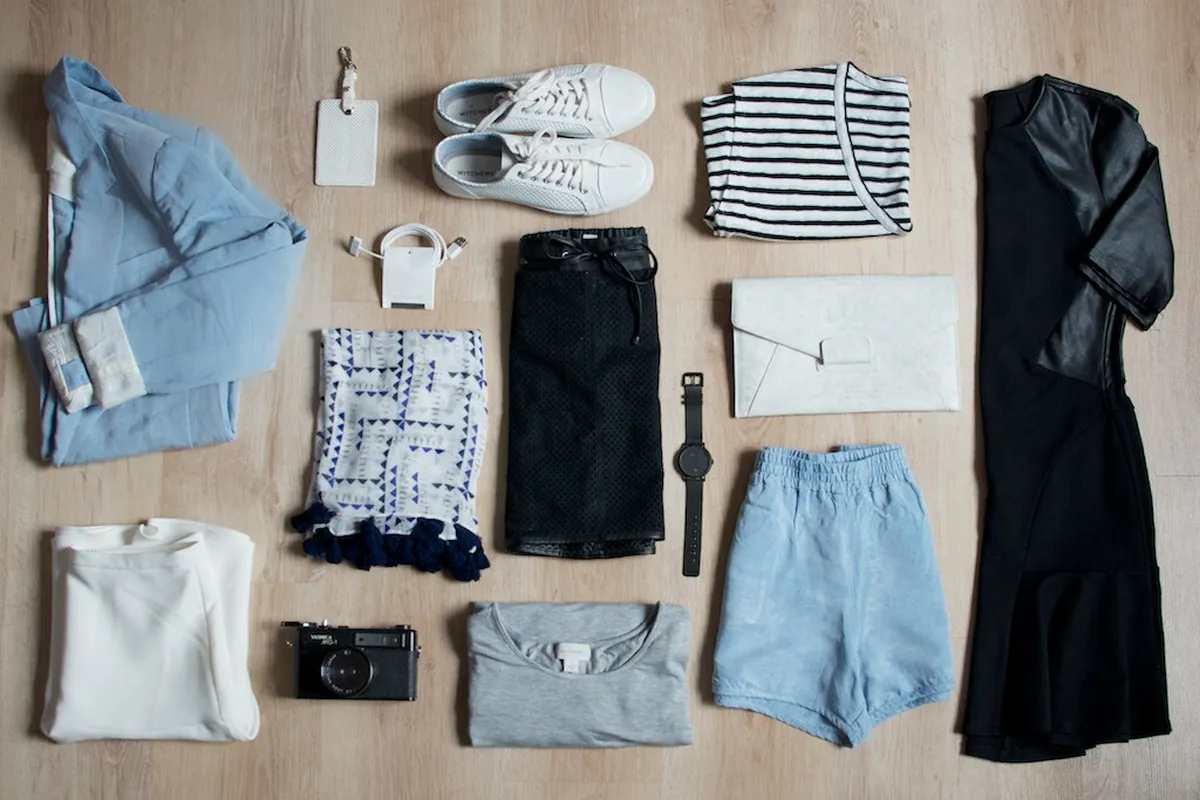
How to Layer Clothing for Travel: 7 Essential Tips
Master the art of travel layering with our 3-layer system. Learn how to choose the best fabrics, minimize bulk, and stay comfortable in any climate.
On this page
How to Layer Clothing for Travel: 7 Essential Tips
I once arrived in Berlin during a surprise cold snap with only a light jacket and a cotton tee. The biting wind taught me that how to layer clothing for travel is more about science than style. Last updated May 2024, this guide breaks down the mechanics of staying warm and dry while keeping your bag light.
Mastering a capsule wardrobe for travel requires understanding how different fabrics interact with your body heat. You need a system that handles a stuffy airplane cabin and a rainy cobblestone street in the same afternoon. Modern textiles allow us to pack less while actually being more prepared for unpredictable European weather shifts.
Free: The Ultimate Packing Cheat Sheet
A carry-on capsule wardrobe, the complete packing checklist, layering made simple, and what to wear by season — one printable page you'll use on every trip.
The Core Principles of the 3-Layer Travel System
The foundation of any smart travel packing checklist is the classic three-layer system used by outdoor professionals. This method focuses on moving moisture away from your skin while trapping a thin layer of warm air. Each piece must serve a specific purpose, whether it is managing sweat, providing warmth, or blocking the wind.
Efficiency is the goal when you are trying to fit everything into a small carry-on bag. Choosing items that nest together prevents the 'Michelin Man' look that often comes with bulky winter sweaters. A well-planned system allows you to adapt to temperature changes of 20 degrees without returning to your hotel.
Quick Answer: The best layering strategy uses a merino wool base, a lightweight down mid-layer, and a waterproof shell. This combination costs around $200–$400 / €185–€370 but covers almost every climate from 30°F to 70°F. Cheaper synthetic alternatives work well for shorter trips but may require more frequent washing due to odor.
How to Layer Clothing for Travel: A 6-Step Guide
Building your outfit should follow a logical order to ensure maximum breathability and thermal efficiency. Starting with the wrong material against your skin can make the most expensive outer jacket feel useless. Follow these steps to build a versatile outfit that works for city walking or mountain hiking.

We tested this sequence during a rainy week in London where temperatures fluctuated every hour. The ability to peel off one thin layer and stuff it into a daypack is a total game-changer. Ensure each piece fits comfortably over the one beneath it without restricting your range of motion.
Compare your options before you start packing your suitcase for a long international trip. Merino wool is the gold standard for warmth-to-weight ratio but costs more than standard polyester blends. Silk is incredibly light for ultra-minimalist packing but lacks the durability needed for rugged daily wear.
- Step 1: Select a moisture-wicking base
- Choose a thin merino wool or synthetic tee that fits snugly against your skin.
- Expect to spend $40–$80 / €35–€75 for a high-quality long-sleeved black t-shirt.
- Avoid 100% cotton as it traps moisture and stays cold when wet.
- Step 2: Add a thermal insulating layer
- Layer a lightweight fleece or a thin wool cardigan over your base shirt.
- This step takes about 30 seconds and provides immediate warmth in drafty airports.
- A common mistake is choosing a bulky hoodie that takes up too much bag space.
- Step 3: Integrate a packable down vest
- Use a vest to protect your core without adding bulk to your arm movements.
- Quality vests like the Uniqlo Ultra Light Down cost around $50 / €45.
- Vests are perfect for 50°F / 10°C weather when a full jacket is too hot.
- Step 4: Apply a windproof outer shell
- Finish with a breathable, waterproof jacket to block wind and rain effectively.
- Look for shells with underarm vents to prevent overheating during long city walks.
- Ensure the hood is adjustable so it stays put during gusty coastal storms.
- Step 5: Wrap with a versatile scarf
- Add a large wool or cotton wrap to protect your neck and chest area.
- This accessory doubles as a blanket during long flights or cold train rides.
- Choose a neutral color that matches every other item in your capsule wardrobe.
- Step 6: Secure your extremities with accessories
- Don thin gloves and a beanie if the temperature drops below freezing.
- These small items take up almost no space but significantly increase comfort levels.
- Store them in your jacket pockets so they are always ready for use.
Choosing Your Base Layer: Comfort and Moisture Management
Your base layer is the most critical component for regulating your body temperature throughout the day. It must sit directly against your skin to pull sweat away before it turns cold and clammy. For a winter packing list, consider long-sleeved options in silk or fine-gauge merino wool.

Silk thermal underwear is an excellent choice for travelers who prioritize saving space above all else. It feels luxurious against the skin and adds surprising warmth without any noticeable thickness under jeans. However, silk requires gentle washing and can be fragile if you are doing laundry in a sink.
Synthetic fabrics are often cheaper and dry much faster than natural fibers in humid conditions. The main drawback is that polyester tends to hold onto body odors after just one long day. If you choose synthetics, look for brands that treat their fabrics with antimicrobial silver ions.
Selecting Mid Layers: Insulation Without the Bulk
The mid layer’s primary job is to trap the heat your body generates in small air pockets. A classic black cardigan is a staple because it looks polished for dinner while providing essential warmth. Wool blends are superior to cotton because they continue to insulate even if they get slightly damp.

Technical fleeces are another great option for more active trips involving hiking or biking. They are highly breathable and allow moisture to pass through to the outer shell very efficiently. Most quality mid-layers cost between $60 and $120 / €55 and €110 depending on the brand.
Consider the 'loft' of the garment, which refers to how much air it can actually hold. Down is the king of loft, but synthetic insulation like PrimaLoft is better if you expect wet weather. Our team found that a thin down sweater is the most versatile piece for European shoulder seasons.
Picking the Outer Layer: Wind and Rain Protection
The outer layer, or shell, acts as your shield against the unpredictable elements of nature. It does not need to be heavy; it just needs to be windproof and water-resistant to work. Check out the Uniqlo Jackets and Coats collection for affordable, lightweight options that pack down small.
A pocketable parka is a lifesaver when a sudden afternoon shower hits while you are sightseeing. These shells often fold into their own pockets, making them easy to clip onto a backpack strap. Ensure your shell is large enough to fit over your base and mid-layers without feeling tight.
Look for 'breathable-waterproof' ratings if you plan on doing a lot of walking in hilly cities. Cheaper plastic ponchos trap sweat inside, leaving you just as wet as if you had no protection. A high-quality shell usually lasts for years, making the $150 / €140 investment worthwhile for frequent travelers.
Best Fabrics for Travel: Merino Wool vs. Synthetics
Choosing the right fabric can mean the difference between washing clothes every night or every week. Merino wool is naturally odor-resistant and can often be worn for three to five days straight. This makes it the ultimate choice for anyone trying to master a summer packing list.
Synthetics like nylon and polyester are incredibly durable and resist pilling better than natural wool. They are also much less expensive, which is helpful if you are on a tight travel budget. The trade-off is the 'stink factor,' which often requires a full wash after every single wear.
We recommend a hybrid approach where your base layer is wool and your shell is synthetic. This gives you the odor protection where you need it and the durability on the outside. Always check the care label to ensure your pieces can handle the heat of a commercial dryer.
How to Layer for the Plane and Transit Days
Transit days are the ultimate test of your layering system because environments change so rapidly. Airplanes are notoriously cold during flight but can be sweltering while sitting on the tarmac. Wear your bulkiest layers on the plane to save space in your checked or carry-on luggage.
A large cotton wrap is the secret weapon for staying comfortable during an eight-hour overseas flight. It functions as a scarf, a blanket, and even a lumbar pillow when rolled up tightly. Keep your base layer light so you don't overheat while rushing through a crowded terminal.
One common mistake is wearing heavy boots that are difficult to remove at security checkpoints. Stick to slip-on shoes and use your layers to manage the temperature of your upper body instead. This strategy ensures you arrive at your destination feeling refreshed rather than sweaty and exhausted.
Frequently Asked Questions
What are the three layers of clothing for travel?
The three layers include a moisture-wicking base, an insulating mid-layer, and a protective outer shell. This system manages sweat, traps heat, and blocks wind or rain. It is the most efficient way to pack light for varied climates.
How do you layer clothes for travel without bulk?
Choose thin, high-performance fabrics like merino wool and ultra-light down. These materials provide maximum warmth while remaining compressible. Avoid thick cotton sweatshirts which take up too much space and offer little insulation.
Is merino wool or synthetic better for travel layering?
Merino wool is better for odor resistance and temperature regulation over several days. Synthetics are superior for quick drying and budget-conscious travelers. Most experts recommend a mix of both for the best performance.
Mastering the art of layering allows you to face any weather condition with total confidence. By investing in a few high-quality pieces, you can significantly reduce the weight of your suitcase. Remember to prioritize moisture-wicking fabrics and versatile colors that work for any occasion.
Whether you are exploring the streets of Rome or the fjords of Norway, layers are your best friend. Start with a solid base and build your system one thoughtful piece at a time. Safe travels and enjoy the freedom of packing light on your next big adventure.
Free: The Ultimate Packing Cheat Sheet
A carry-on capsule wardrobe, the complete packing checklist, layering made simple, and what to wear by season — one printable page you'll use on every trip.
You might also like


Continue reading
More guides you'll find useful