

What To Wear In Europe: 9 Essential Style & Packing Tips
Master European style with our seasonal guide. Learn what to wear in Europe to blend in, stay comfortable on cobblestones, and pack the perfect capsule wardrobe.
On this page
What To Wear In Europe: 9 Essential Style & Packing Tips
Updated May 2024 from my spring 2024 visit, this guide helps you navigate the diverse fashion landscapes across the continent. Late spring (May to early June) and early fall (September to October) are the sweet spots for most travelers to visit Europe. I visited Greece in late September and found that having a light layer for the evening was absolutely essential. Understanding what to wear in europe ensures you stay comfortable while respecting local cultural norms.
European fashion often prioritizes tailored silhouettes and neutral tones over the baggy, athletic styles common in North America. During my last trip to Florence, I noticed how quickly locals could spot tourists based solely on their footwear. Blending in isn't just about vanity; it often leads to better service and makes you less of a target for pickpockets. This guide breaks down exactly how to build a versatile capsule wardrobe for travel that works in any city.
Free: The Ultimate Packing Cheat Sheet
A carry-on capsule wardrobe, the complete packing checklist, layering made simple, and what to wear by season — one printable page you'll use on every trip.
Understanding European Style: Classic vs. Trendy
The core of European style lies in a concept often described as smart casual or effortless chic. Most locals prefer well-fitted garments in solid colors like navy, charcoal, beige, and crisp white. Investing in high-quality basics allows you to mix and match fewer items while looking consistently polished. Custom menswear or tailored dresses are common sights on the streets of Milan and Paris even during weekdays.
Trendy items do appear, but they are usually balanced with timeless pieces to maintain a sophisticated silhouette. Avoid oversized logos or neon colors if your goal is to look like a local rather than a visitor. Natural fabrics like cotton and wool provide better temperature regulation than most synthetic materials. A simple travel packing checklist should focus on these versatile, high-quality staples.
The Benefits of Blending In (and What Not to Wear)
Looking like a local can significantly enhance your travel experience by reducing unwanted attention from street touts. Many travelers make the mistake of wearing flip-flops or heavy hiking boots in metropolitan areas. Flip-flops are generally reserved for the beach and are considered inappropriate for city dining or museum visits. Loud, graphic t-shirts and zip-off cargo pants are immediate signals that you are a tourist.

Instead, opt for dark-wash denim or chinos which are acceptable in almost every European social setting. Consider using a stylish crossbody bag with anti-theft features rather than a bulky backpack worn on your front. In cities like Rome or Madrid, locals often dress up slightly more than you might expect for casual outings. Check our guide on what to wear by season to avoid common weather-related fashion faux pas.
Season Comparison: When to Visit and Wear What
Weather patterns across Europe vary wildly depending on whether you are in the Mediterranean or Scandinavia. Average temperatures in Central Europe during spring range from 10–18°C / 50–65°F, requiring versatile layers. Southern Europe stays much warmer, while the North can remain quite chilly well into May. Always check local forecasts as regional quirks like the Etesian wind in Greece can drop temperatures rapidly.
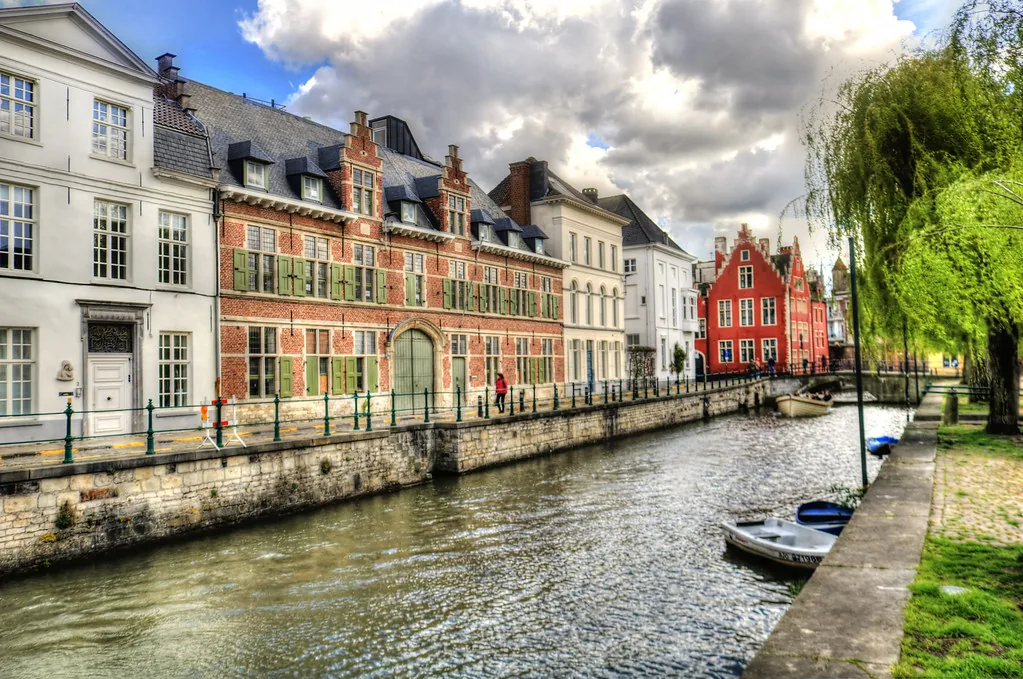
Low season often sees many island tavernas and coastal ferries close from November through March. Packing for these transitions requires a strategic approach to layering different fabric weights. Our how to layer clothing guide provides specific combinations for unpredictable spring and fall days. Review the table below to see how typical conditions change throughout the calendar year.
| Season | Weather | Crowds | Prices | Events | Best for |
|---|---|---|---|---|---|
| Mid-May to June | 15–24°C / 60–75°F | Moderate | Mid-range | Flower Festivals | Sightseeing |
| July to August | 25–35°C / 77–95°F | Very High | Peak | Music Festivals | Beaches |
| Sept to Oct | 14–22°C / 57–72°F | Moderate | Mid-range | Wine Harvest | Foodies |
| Nov to March | 2–10°C / 35–50°F | Low | Budget | Xmas Markets | Museums |
What to Wear in Europe in Summer (June–August)
Summer in Europe is characterized by intense sun and high humidity, especially in the southern regions. Linen is your best friend during these months as it allows for maximum airflow and dries quickly. Temperatures frequently soar above 30°C / 86°F, making breathable fabrics a functional necessity for long walking days. A summer packing list should prioritize light colors that reflect the sun's heat.

Many southern cities observe a siesta heat window where shops close during the hottest part of the afternoon. Plan to wear loose-fitting dresses or lightweight trousers to stay cool while maintaining a modest appearance. Sun hats and high-quality sunglasses are essential for protecting yourself during outdoor tours of ruins. Our late-May trip hit Etesian wind on three of seven days — pack a windbreaker even in late spring.
Pick X If: Choosing Your Style Profile
Your itinerary should dictate the specific items you choose to bring on your European adventure. Adventure travelers will need more technical fabrics that can handle moisture and physical activity. City hoppers should focus on style and comfort for navigating transit and historic centers. Review the following recommendations to see which profile best matches your upcoming travel plans.
- Pick a Capsule Wardrobe if
- Packing light in a carry-on
- Pick Technical Fabrics if
- Hiking the Alps or Dolomites
- Pick Smart Casual if
- Visiting major capitals like Paris
- Pick Modest Layers if
- Touring cathedrals and religious sites
Footwear Essentials for Cobblestone Streets
The historic streets of Europe are famously covered in uneven cobblestones that can destroy flimsy shoes. Thin-soled flats or high heels are often dangerous and will lead to significant foot fatigue. Look for shoes with thick, supportive soles and excellent arch support to handle 20,000 steps a day. Modern, clean leather sneakers are now widely accepted in most European cities for daytime exploration.
Make sure to break in any new footwear for at least two weeks before your departure date. Blisters can quickly ruin a trip, so bring high-quality socks that wick away moisture effectively. For evening wear, a block heel or a stylish loafer provides stability on slick stone surfaces. Refer to our carry-on packing essentials for more tips on maximizing shoe space.
A Note on Dress Codes for Churches and Fine Dining
Many of Europe's most famous landmarks are active places of worship with strict modesty requirements. The Vatican and many Italian cathedrals require both shoulders and knees to be covered for entry. Security guards frequently turn away tourists wearing tank tops or short skirts regardless of the heat. Keep a lightweight scarf in your bag to quickly wrap around your shoulders when entering these sites.
Fine dining establishments often enforce a smart casual dress code that excludes shorts and athletic sneakers. Men should consider packing a light blazer or a button-down shirt for evening meals in major cities. Women can easily transition a day dress to evening wear with the addition of jewelry or a scarf. Understanding these nuances helps you avoid the embarrassment of being denied entry to a bucket-list location.
What to Pack: The Ultimate Europe Checklist
Organizing your suitcase with packing cubes is the best way to manage a multi-city itinerary. This method keeps your clothes compressed and makes it much easier to find specific items quickly. Focus on a color palette of three main colors to ensure every piece works with everything else. A well-planned bag should include roughly a week's worth of clothes that can be easily laundered.
- Spring and Fall Essentials
- Trench coat and light scarf
- Summer Style Basics
- Linen shirts and midi skirts
- Winter Warmth Items
- Merino wool base layers
- Year-Round Practical Gear
- Sturdy walking shoes and umbrella
Frequently Asked Questions
Can I wear sneakers in Europe?
Yes, you can wear sneakers in Europe. Choose clean, stylish leather or minimalist designs rather than bright running shoes. This helps you blend in while staying comfortable on cobblestones.
What is the dress code for European cathedrals?
Most cathedrals require modest clothing. You must cover your shoulders and knees to enter. Carrying a light scarf is a practical way to meet these requirements quickly.
How do I avoid looking like a tourist in Paris?
Avoid wearing athletic gear, flip-flops, or baseball caps. Stick to neutral colors and well-fitted clothing. Using a crossbody bag instead of a backpack also helps you look more local.
Mastering European style is about finding the balance between personal comfort and cultural respect. By focusing on quality basics and seasonal layers, you can enjoy your trip without fashion-related stress. Remember to prioritize your footwear, as the historic streets are less forgiving than they appear.
Whether you are visiting in the height of summer or the chill of winter, these tips apply. Pack smart, stay comfortable, and enjoy the incredible sights that Europe has to offer.
Free: The Ultimate Packing Cheat Sheet
A carry-on capsule wardrobe, the complete packing checklist, layering made simple, and what to wear by season — one printable page you'll use on every trip.
You might also like


Continue reading
More guides you'll find useful


