

What to Wear in Verona in January: 8 Essential Packing Tips
Master the art of winter layering in Verona. Our guide covers January weather, local style secrets, and the 8 essential items you need for a stylish, warm trip.
On this page
What to Wear in Verona in January: 8 Essential Packing Tips
I visited Verona in late January and learned that the damp river air requires a specific strategy. For most travelers, mid-May to mid-June remains the peak window, but January offers a quiet, misty charm if you pack correctly. Updated for 2026 from my winter visit, this guide ensures you stay warm while maintaining the famous Italian 'bella figura' style. The city is often shrouded in a romantic fog during this month, making it feel like a Renaissance painting.
When deciding what to wear in Verona in January, you must account for the high humidity from the Adige River. Temperatures typically hover between 0–7°C / 32–45°F, but the dampness makes it feel much colder than the thermometer suggests. Local residents favor dark, tailored wool coats and elegant scarves to combat the biting wind near Piazza Bra. Our late-January trip hit a week of heavy fog, which meant waterproof shoes were more important than a heavy parka.
Free: The Ultimate Packing Cheat Sheet
A carry-on capsule wardrobe, the complete packing checklist, layering made simple, and what to wear by season — one printable page you'll use on every trip.
Verona Weather in January: Temperature and Humidity
Average daytime highs rarely exceed 7°C / 45°F, while nights frequently drop below freezing to around 0 to -1°C / 30–32°F. January is also one of Verona's drier winter months, recording roughly 40–50 mm of rainfall across about 6–7 wet days, so persistent drizzle and fog are more likely than heavy downpours. Daylight is short, with the sun rising near 7:45 a.m. and setting around 5:00 p.m., giving you only about nine hours of usable light for sightseeing. These figures, sourced from regional climate data, don't account for the 'Adige humidity factor' that penetrates thin fabrics, so windproof layers are often more effective than thick wool sweaters when walking along the river banks.
Fog is a major feature of the Veneto region in mid-winter, often lingering until the early afternoon. This mist can make the marble walkways near the Verona winter wardrobe essentials guide's recommended boots a smart investment, as the cobblestones turn incredibly slippery and cold. Be prepared for occasional frost that glazes the historic stones in the early morning hours. A waterproof outer shell is highly recommended to prevent the mist from soaking into your heavier winter garments.
| Time / condition | Typical temp | What to wear |
|---|---|---|
| Morning (foggy) | 0–3°C / 32–37°F | Thermal base, cashmere mid-layer, wool coat, scarf, gloves, waterproof boots |
| Afternoon (best light) | 5–7°C / 41–45°F | Shed the gloves; coat over a lighter sweater, sunglasses for low winter sun |
| Evening | -1–3°C / 30–37°F | Add a down vest under the coat, hat and scarf; smart boots for indoor venues |
| Rainy / drizzle day | 2–6°C / 36–43°F | Waterproof shell, leather (not suede) boots, compact umbrella |
| Rare clear, sunny day | 4–8°C / 39–46°F | Layers you can open up; still carry gloves for shaded riverside streets |
Season Comparison: Verona Throughout the Year
Comparing January to the rest of the year reveals why it is considered the true low season. While summer brings the heat and the crowds, winter offers a more intimate look at the city's architecture. Prices for luxury hotels often drop by 30-40% compared to the peak opera season in July. You will find the streets much quieter, allowing for better photos of Juliet's House without the usual throngs.
| Season | Weather | Crowds | Prices | Events | Best for |
|---|---|---|---|---|---|
| Early to mid-Jan | 0–7°C / 32–45°F | Low | Budget | Epiphany | Photography |
| Late April to May | 12–22°C / 54–72°F | High | Premium | Vinitaly | Sightseeing |
| July to August | 18–30°C / 64–86°F | Very High | Peak | Opera Festival | Nightlife |
| Sept to mid-Oct | 14–24°C / 57–75°F | Moderate | Mid-range | Wine Harvest | Foodies |
The Cipolla Method: Mastering Italian Layering
Italians refer to layering as 'vestirsi a cipolla,' which literally means dressing like an onion. This method is vital because shops and restaurants in Verona are often kept quite warm compared to the chilly streets. Start with a high-quality thermal base made of silk or merino wool to trap body heat. According to a Trafalgar Seasonal Guide, layering allows you to adjust quickly as you move between indoor museums and outdoor plazas.
A stylish cashmere sweater serves as the perfect middle layer for both warmth and local fashion. It provides excellent insulation without the bulk of cheaper synthetic materials. Avoid wearing heavy cotton hoodies, as they absorb moisture from the air and take hours to dry. A lightweight down vest can be worn under a wool coat for extra protection on particularly foggy days.
What to Pack: Essential Winter Gear
Your choice of footwear is the most critical decision for a January trip to Northern Italy. The historic center is paved with Rosso di Verona marble, which becomes treacherous when damp or icy. Choose boots with a deep rubber tread to ensure you have enough grip on the slick surfaces. Leather boots are preferable to suede, as they are easier to wipe clean after walking through winter slush.
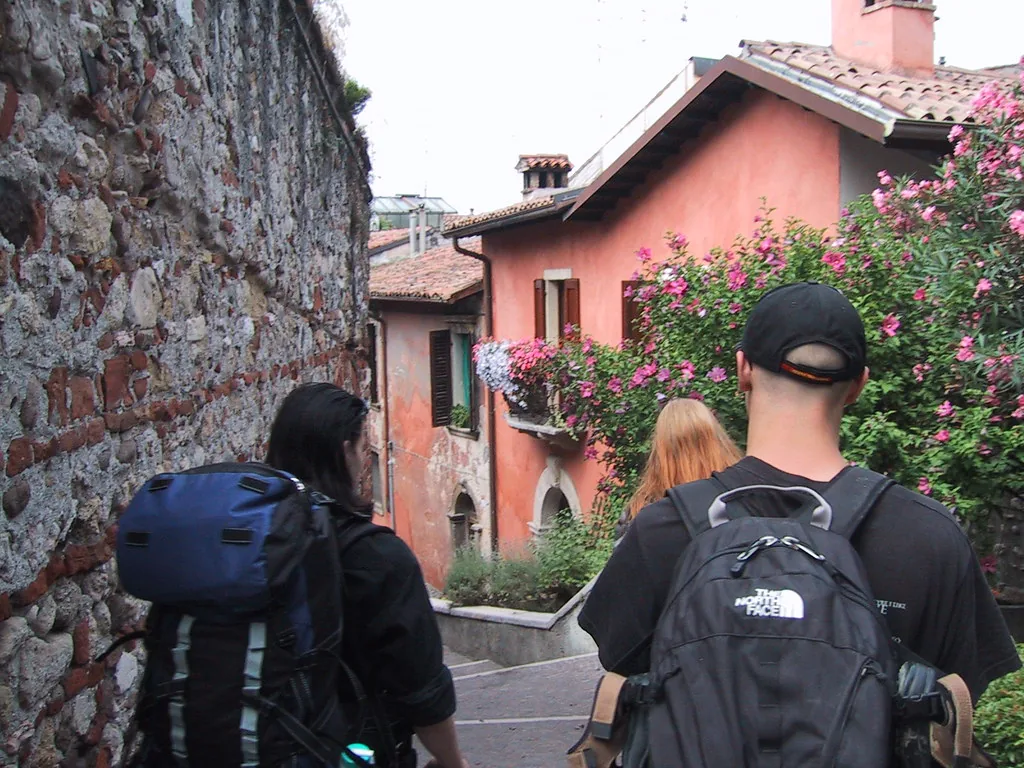
Accessories are not just for style; they are functional necessities in the Po Valley climate. A thick scarf is the most important item in a Veronese winter wardrobe to protect against the 'aria tagliente' or cutting air. Leather gloves lined with wool or cashmere will keep your hands warm while looking sophisticated. A small, sturdy umbrella is also essential, as January can bring persistent light drizzle that lasts all day.
- Waterproof leather boots
- Thermal base layers
- Wool or down coat
- Pashmina or thick scarf
- Tech-friendly gloves
Is January Right for You: Choosing Your Travel Dates
January is a specific choice that rewards certain types of travelers while challenging others. If you enjoy moody atmosphere and shorter lines at the Castel San Pietro funicular, this is your month. Budget-conscious travelers will find the best value during the second half of January after the holiday rush. Art lovers can enjoy the museums in peace without the summer heat or the overwhelming crowds.
- Pick January if you want the lowest hotel rates and the quietest version of Verona's historic center.
- Pick January if you love foggy, atmospheric photography and don't mind packing serious cold-weather layers.
- Pick January if your priority is indoor culture — the Teatro Filarmonico opera season, museums, and cozy wine bars.
- Choose a different month if you need long daylight hours, outdoor Arena events, or warm-weather wardrobe simplicity.
What's Closed in Low Season: Verona Realities
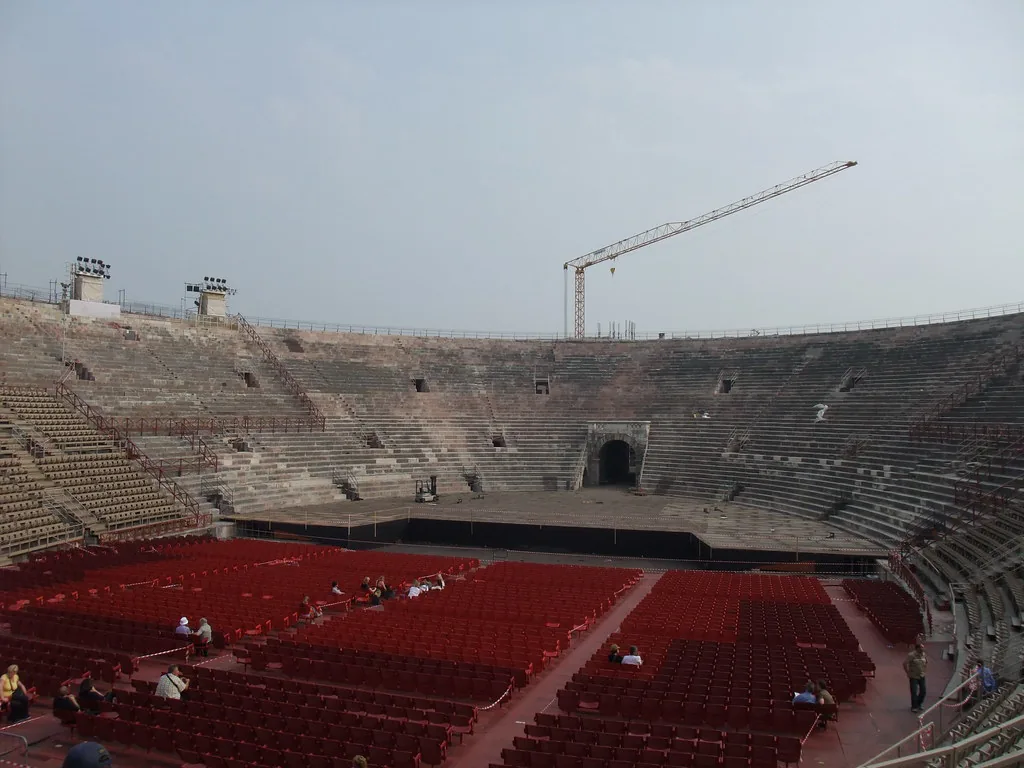
While the city remains vibrant, some major attractions operate on a significantly reduced schedule. The famous Arena opera festival is strictly a summer event and does not run in January. Many ferry services on nearby Lake Garda stop operating from November through March. Several smaller family-run trattorias may close for a winter break during the first two weeks of the month.
Outdoor seating at cafes is limited to those with powerful heat lamps and thick blankets. You will find that the lively 'aperitivo' scene moves entirely indoors to cozy wine bars. Check the opening hours for the Scaliger Tombs, as they sometimes have shorter winter visiting windows. Gardaland, the nearby theme park, is typically closed for most of January except for special weekend events.
Local Style: Dressing for the Teatro Filarmonico
While the Arena is closed, the winter opera season moves to the elegant Teatro Filarmonico. The dress code here is significantly more formal than the casual summer atmosphere at the outdoor Arena. Men should wear a dark suit or at least a blazer with smart trousers for evening performances. Women typically opt for elegant dresses or tailored jumpsuits paired with high-quality boots or heels.
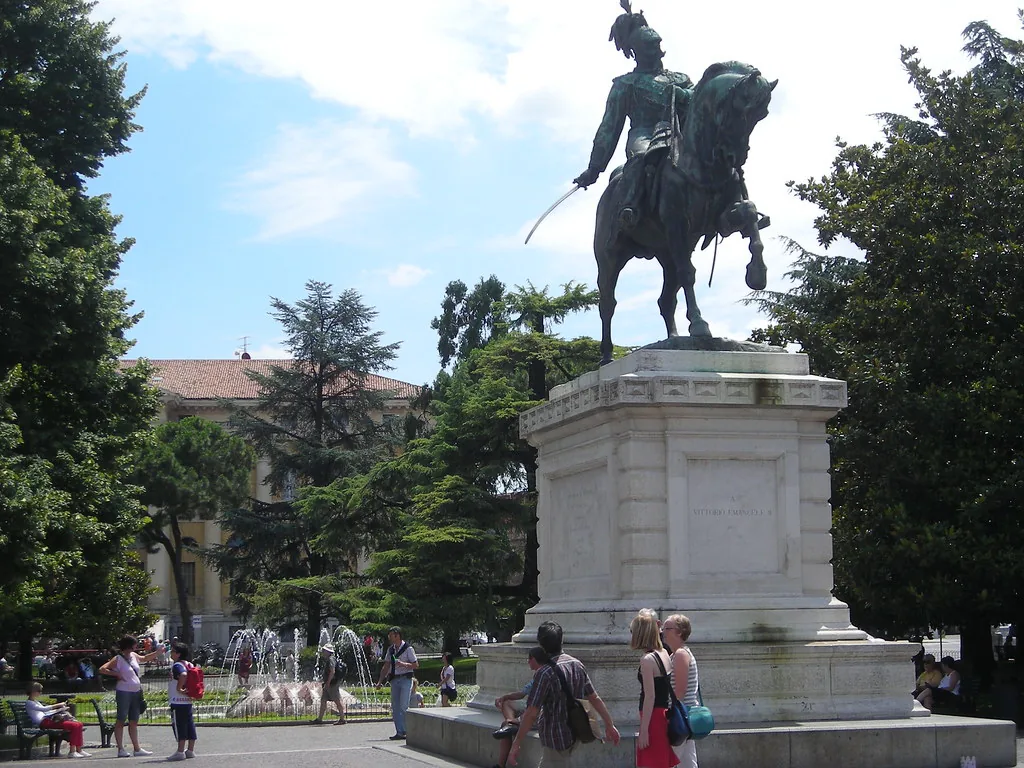
Locals in Verona rarely wear bright neon colors or athletic wear when walking through the city center. Sticking to a palette of black, navy, forest green, and burgundy will help you blend in seamlessly. A well-fitted puffer jacket is acceptable if it is a high-end, sleek design rather than a bulky sports model. As noted in the Travel Fashion Girl Italy Packing guide, accessories like a designer handbag can elevate a simple winter outfit.
Frequently Asked Questions
Is it too cold to visit Verona in January?
Verona is cold but manageable with temperatures around 4°C / 39°F. The dampness from the river is the main challenge. Proper layering and waterproof shoes make the city very enjoyable for winter sightseeing.
Can I wear sneakers in Verona in January?
You can wear sneakers, but they should be leather or waterproof. Canvas shoes will get soaked in the morning mist or light rain. Ensure they have good grip for the slippery marble sidewalks.
What should I wear to an opera in Verona in winter?
Winter opera at Teatro Filarmonico requires formal attire like suits or elegant dresses. It is much dressier than the summer Arena events. Bring a warm coat to check at the cloakroom upon arrival.
Mastering what to wear in Verona in January is all about balancing warmth with the city's sophisticated aesthetic. By using the 'cipolla' layering method and choosing the right footwear, you can comfortably explore the misty streets. If you are planning ahead for a different season, you might also want to check what to wear in Verona in February for Carnival season. Verona in winter is a magical experience for those who appreciate quiet beauty and cozy wine bars.
Free: The Ultimate Packing Cheat Sheet
A carry-on capsule wardrobe, the complete packing checklist, layering made simple, and what to wear by season — one printable page you'll use on every trip.
You might also like


Continue reading
More guides you'll find useful


