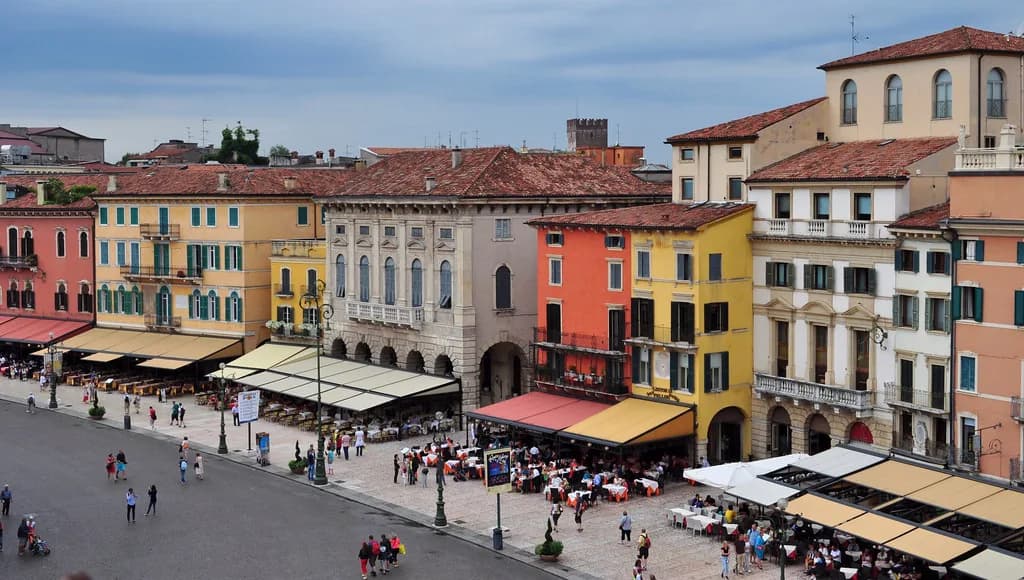
What to Wear in Verona in February: The Ultimate Packing Checklist
Plan your February trip to Verona with our expert packing guide. Discover the best layers for winter weather, stylish footwear, and Valentine's Day outfit tips.
On this page
What to Wear in Verona in February
Visiting Verona in late winter requires a strategic approach to fashion and function. I refreshed this guide for 2026 after another chilly trip through the Veneto region. The damp air from the Adige River makes 5°C feel much colder than you might expect. A successful trip relies on the principle that every item should serve at least two purposes.
I once forgot my thermal base layer and spent my first afternoon shivering near Piazza Bra. Locals maintain a high style standard even when the humidity rises and temperatures drop. You must pack light while ensuring your wardrobe can handle both cold winds and heated interiors. This guide covers everything from romantic Valentine's Day outfits to practical footwear for slick cobblestones.
Free: The Ultimate Packing Cheat Sheet
A carry-on capsule wardrobe, the complete packing checklist, layering made simple, and what to wear by season — one printable page you'll use on every trip.
Verona Weather in February: Temperature and Humidity
February in Verona is characterized by crisp mornings and a persistent dampness from the nearby river. According to Accuweather Italy, daytime highs hover around 9°C while nights often dip toward freezing. The humidity often exceeds 70%, which can make the cold feel particularly biting during long walks. Snow is rare, but light drizzle and fog are common sights during this transition month.
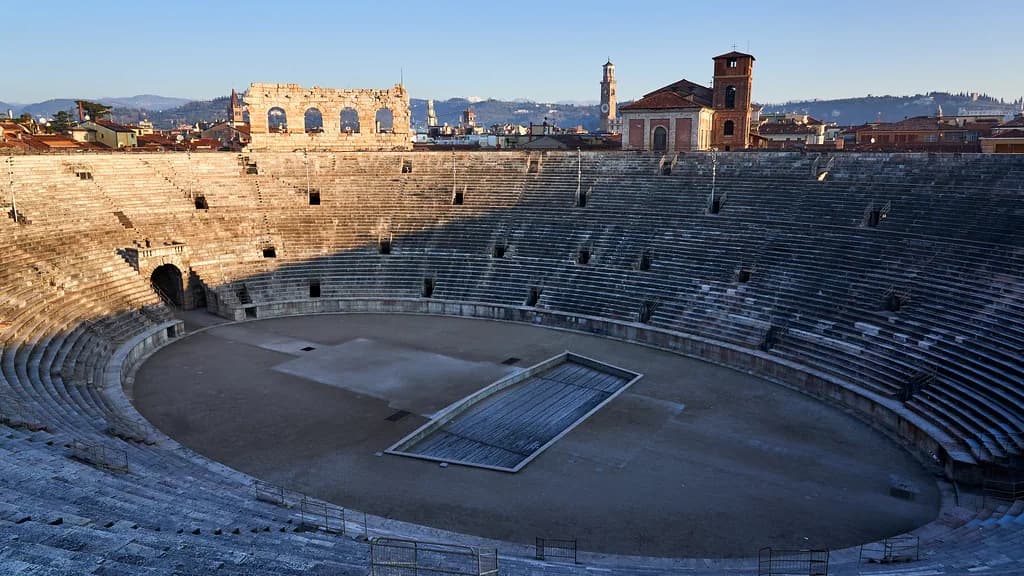
Planning for these conditions means checking the Holiday Weather Verona reports before you depart. The wind can pick up near the open spaces of the Arena, requiring a windproof outer shell. Most travelers find that the lack of sun can make the stone buildings feel quite chilly. Staying dry is just as important as staying warm when exploring the medieval city center.
You should prepare for approximately seven days of rain throughout the month of February, with roughly 45-55mm of total rainfall spread across the month. Daylight runs about 10-11 hours, with sunrise near 7:15am and sunset around 5:45pm by late February, so plan sightseeing before the early dusk. While the days are getting longer, the shade in narrow alleys keeps the ground quite cold. Indoor heating in museums and shops is usually very efficient and can feel quite stuffy. This temperature contrast between the street and the shop is why layering is so vital.
| Time / condition | Typical temp | What to wear |
|---|---|---|
| Morning (foggy) | 1-4°C | Merino base layer, wool sweater, structured coat, scarf, gloves |
| Afternoon (sun) | 7-9°C | Sweater + light coat; stow gloves once the fog lifts |
| Evening (after sunset) | 2-5°C | All layers back on; thermal scarf and a hat for dinner walks |
| Rainy day (~7 days/mo) | 3-7°C | Water-resistant coat, lug-sole boots, compact umbrella |
| Clear sunny day | up to 10°C | Layers you can peel; sunglasses and SPF lip balm |
The Layering Strategy for Northern Italy Winters
The secret to northern Italian winter style is a sophisticated three-layer system that breathes well. Start with a moisture-wicking base layer made of Merino wool to keep sweat away from skin. Synthetic fabrics often trap odors, whereas wool remains fresh through multiple wears in the city. This foundation allows you to transition from a brisk walk to a warm cafe comfortably.
Your middle layer should provide insulation, such as a lightweight cashmere sweater or a fleece. Italians favor high-quality knitwear that looks polished even when you remove your heavy winter coat. Avoid bulky sweatshirts which can look too casual for dinner at a traditional Veronese osteria. A versatile cardigan or a thin down vest can also work well as an adaptable mid-layer.
The outer layer must be a structured wool coat or a stylish, water-resistant down jacket. Ensure your coat has enough room for your layers without restricting your movement during sightseeing. I recommend a mid-thigh length to protect your core from the damp winds near the river. Neutral colors like navy, camel, or black help you blend in with the local crowd.
Before You Go Checklist
Organizing your suitcase by category ensures you don't miss the small essentials for an Italian winter. I always suggest using packing cubes to separate your heavy knits from your delicate base layers. Referencing a Verona packing list helps you visualize the limited space in your luggage. Remember that February travel often involves bulkier items, so prioritize high-performance fabrics over sheer quantity.
Don't forget that electrical standards in Italy require specific plugs for your various devices. A universal travel power adapter is a required item for any international destination using different sockets. I once spent three hours searching for an adapter in a local shop instead of sightseeing. Keeping your documents in both digital and physical formats is a standard safety practice for Europe.
If you are a solo traveler, focus on items that provide extra security in crowded areas. Small, high-value electronics should be kept in an internal pocket of your day bag at all times. Italy uses Type C, F, and L plugs, so a multi-way adapter is your best investment. Check your prescriptions early to ensure you have enough medication for the entire duration.
- Passport and printed flight itinerary copies
- Universal travel power adapter for Italian sockets
- Merino wool base layers for moisture wicking
- Water-resistant walking boots with good traction
- Portable power bank for phone charging
- Prescription medications and basic first aid kit
- Credit cards with no foreign transaction fees
- Compact umbrella or lightweight foldable raincoat
On the Day Checklist
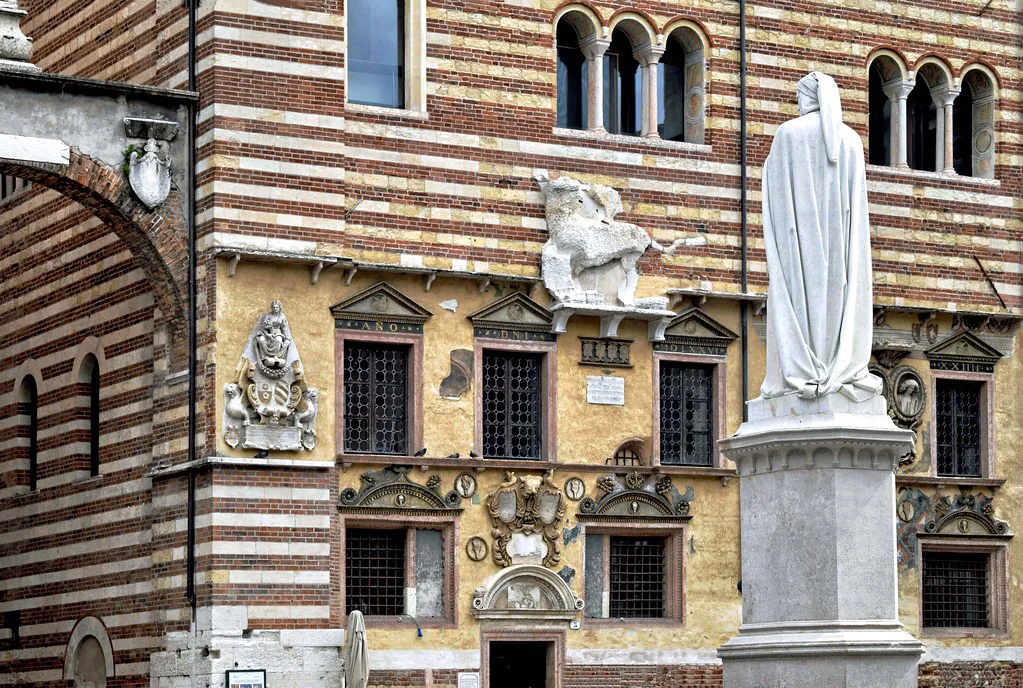
Each morning in Verona starts with a quick check of the local fog and humidity levels. The stones around Piazza delle Erbe can be quite slippery when the morning mist settles. I recommend carrying a small daypack that fits comfortably under your coat for added security. Keep your most-used items like your phone and wallet in easily accessible but secure spots.
If you are planning to visit Juliet’s House, arrive early to beat the Valentine's Day crowds. The courtyard can get very cramped, so avoid wearing bulky backpacks that might bump others. Many visitors find that a cross-body bag is the most practical choice for urban exploration. Ensure your phone is fully charged before you head out for a day of photography.
Traction is the most important feature for your daily footwear on the historic streets. The polished marble of the Via Mazzini becomes a skating rink during a light February drizzle. I always wear boots with a rubber lug sole to maintain a steady grip. A warm scarf is your best friend when the sun sets and temperatures drop rapidly.

- Refillable water bottle for public fountains
- Warm scarf and leather gloves for evenings
- Offline map of Verona city center
- Small packet of tissues and hand sanitizer
- Lip balm with SPF for winter sun
- Spare socks in case of wet feet
- External battery and charging cable
- Cash in small denominations for cafes
What to Wear for Valentine’s Day and Special Events
Verona in Love is a major event in February that brings a romantic atmosphere. For a special dinner, women often wear elegant knit dresses paired with thick, opaque tights. Men should consider a tailored blazer over a fine-gauge sweater for a smart-casual look. Red accessories are a popular way to participate in the festive spirit of the holiday.
If you attend a concert at Teatro Filarmonico, the dress code is more formal than summer. Dark suits for men and cocktail attire for women are standard for evening performances indoors. Coat check services are available, so you can wear your warmest layers to the venue. Avoid wearing heavy winter boots inside the theater if you want to match the local aesthetic.
Carnival season often overlaps with February, bringing parades and festive street food to the city. You don't need a full costume, but a decorative mask is a fun local addition. Keep your outfit practical enough to stand outside for parades for several hours at a time. Thermal insoles in your shoes can make a huge difference during stationary event viewing.
Common Mistakes Checklist
Many travelers underestimate how much walking they will do on uneven, ancient stone surfaces. Wearing thin-soled sneakers or high heels is a recipe for foot pain and potential slips. I once saw a tourist lose a heel in the gaps of the cobblestones near the Arena. Choosing style over support is the most frequent error made by first-time visitors to Italy.
Overpacking heavy sweaters is another common pitfall that leads to overweight luggage and frustration. Focus on high-quality layers rather than bringing a different bulky outfit for every single day. You can find more advice on seasonal transitions in our guide on what to wear in Verona in March. Remember that most Italian hotels have limited space for storing large suitcases in the rooms.
Don't pack items that take a long time to dry if they get caught in rain. Heavy denim jeans can become cold and uncomfortable when they soak up the river humidity. Skip the heels — you will never wear them comfortably on the historic cobblestone streets. Leave the flimsy flip-flops at home as they offer no protection against the winter chill.
- Skip the high heels for city walking
- Avoid bringing only one heavy coat
- Don't pack non-breathable synthetic fabrics
- Leave bulky beach towels at home
- Avoid wearing sneakers without water resistance
- Don't forget to pack an umbrella
- Skip the flashy expensive jewelry
- Avoid overpacking too many pairs of jeans
Frequently Asked Questions
Is Verona cold in February?
Yes, Verona is cold and damp in February with temperatures between 1°C and 9°C. The high humidity from the Adige River makes it feel chillier. You will need a warm coat and thermal layers to stay comfortable while exploring.
What do Italians wear in winter?
Italians typically wear structured wool coats, stylish scarves, and high-quality leather boots in winter. They prioritize a polished appearance even in cold weather. Darker, neutral colors are common in the Veneto region during the February months.
Are sneakers okay for Verona in winter?
Sneakers are acceptable if they are leather or water-resistant and have good grip. Avoid canvas shoes as they offer no warmth or protection from rain. For more tips, check our Verona style guide.
Dressing for Verona in February is all about balancing the damp cold with Italian elegance. By following a strict layering strategy, you can enjoy the romantic atmosphere without feeling the chill. Prioritize your footwear to handle the historic cobblestones and keep your feet dry and warm. Preparation allows you to focus on the beauty of the city rather than your physical discomfort.
Whether you are visiting for Valentine's Day or the Carnival, these tips will serve you well. Pack light, choose versatile pieces, and don't forget your universal travel adapter for a smooth trip. Verona is a magical winter destination when you are properly equipped for its unique river climate.
Free: The Ultimate Packing Cheat Sheet
A carry-on capsule wardrobe, the complete packing checklist, layering made simple, and what to wear by season — one printable page you'll use on every trip.
You might also like


Continue reading
More guides you'll find useful