

10 Essential Tips for What to Wear in Sorrento in March
Master your Sorrento packing list for March. Discover 10 essential tips on layering, footwear for cobblestones, and how to dress for the Amalfi Coast's spring weather.
On this page
Sorrento in March: the weather in numbers
Typical March conditions from 30 years of daily weather data, split into early, mid and late month so you can match them to your travel dates.
| Dates | Early Mar (1–10) | Mid Mar (11–20) | Late Mar (21–31) |
|---|---|---|---|
| Afternoon high | 13°C (56°F) | 14°C (57°F) | 15°C (58°F) |
| Night-time low | 9°C (48°F) | 9°C (49°F) | 10°C (50°F) |
| Feels like (afternoon) | 10°C (49°F) | 11°C (52°F) | 12°C (53°F) |
| Range of afternoon highs | 10–16°C | 11–16°C | 12–17°C |
| Days with rain | 4 in 10 days | 3 in 10 days | 3 in 10 days |
| Afternoon humidity | 61% | 61% | 61% |
| Average wind | 15 km/h | 12 km/h | 12 km/h |
| Daylight | 11.2 h | 11.7 h | 12.1 h |
What this means for your suitcase
- Cool days: a warm sweater and a proper jacket — think wool or a light insulated coat.
- Showers on roughly 3 in 10 days — a packable rain jacket or compact umbrella.
Travelling on specific dates? Use our What to Wear Planner for the weather, outfits and a packing list for your exact days in Sorrento.
Averages for 1991-2020, modelled from Copernicus ERA5-Land and ERA5 reanalysis via Open-Meteo open data (CC BY 4.0), adjusted to Sorrento's elevation. Modelled afternoon highs can read 1–2°C below airport weather-station records.
Packing for the Amalfi Coast during the shoulder season requires a strategic approach to handle unpredictable spring transitions. For the bigger picture across the year, see our main guide to what to wear in Sorrento.
March in Sorrento brings a mix of crisp mornings, sunny afternoons, and the occasional sudden downpour from the sea. You should expect daytime highs near 15°C (59°F) and nights dropping to around 6°C (43°F), making versatile clothing your best travel companion. This guide breaks down exactly what to wear in Sorrento in March, and you can pair it with our full Sorrento packing list to stay comfortable while exploring the vertical streets. By focusing on high-quality basics, you can navigate the coastal breeze without carrying a massive, heavy suitcase.
Understand the March Forecast: Temperature and Rainfall
The spring climate in the Campania region is notoriously fickle, often shifting from bright sun to grey clouds within an hour. Average daytime highs hover around 15°C (59°F), while overnight lows frequently drop toward a chilly 6°C (43°F) near the water. According to the The Italian On Tour Spring Packing List, humidity can make the air feel colder than the thermometer suggests.
Rainfall is a reality in March, with roughly 9 to 11 wet days and around 80–90 mm of precipitation spread across the month in this coastal area. These showers are usually brief but can be intense enough to soak through thin canvas shoes or light cotton sweaters. If you plan on taking the ferry, remember that the deck is significantly colder and windier than the sheltered town streets. A mid-weight trench coat provides the perfect balance of water resistance and classic Italian aesthetic for these conditions.
Daylight hours are increasing fast in March, stretching from about 11.5 hours early in the month to nearly 13 hours by the end as the clocks spring forward. That extra light gives you more time to explore Pompeii or the lemon groves, but the sun lacks summer intensity. You will find that the shade feels much cooler than the sun-drenched terraces, necessitating a quick-change layering system. Always carry a small daypack to store your discarded layers as the afternoon warmth peaks around two o'clock.
| Time / Condition | Temp | What to wear |
|---|---|---|
| Morning (crisp, often damp) | 7–10°C (45–50°F) | Base layer + knit sweater + trench coat; scarf and closed shoes |
| Afternoon (peak warmth, sunny) | 13–15°C (55–59°F) | Base layer + light cardigan; sunglasses, coat tied around the bag |
| Evening (sea breeze picks up) | 8–11°C (46–52°F) | Sweater back on + trench or wool jacket; pashmina for restaurants |
| Rainy spell (brief, intense) | 9–13°C (48–55°F) | Waterproof trench or rain shell + compact umbrella; grippy boots |
| Bright sun on the terrace | up to 17°C (63°F) | Single light layer + sunglasses; UV is stronger than it feels |
Before You Go Checklist
Organizing your essentials before leaving home prevents unnecessary stress and expensive last-minute purchases in tourist-heavy areas. Many travelers forget that Italian pharmacies, while excellent, may not carry the exact brand of medication you use at home. Ensure your digital documents are available offline, as cell service can be spotty when traveling through the coastal tunnels.
For international travelers, a universal travel power adapter is an absolute requirement for charging your devices in Italian sockets. Most hotels in Sorrento use Type L or Type C plugs, which differ significantly from North American or British standards. Keeping your tech organized in a dedicated pouch will save you from digging through your luggage at the airport security line.
When considering your budget, remember that many smaller shops and cafes in Sorrento still prefer cash for small transactions. While major restaurants accept cards, having a few Euros on hand is essential for public restrooms or quick espresso stops. Check your bank's international transaction fees before you depart to avoid unexpected charges on your monthly statement. This preparation allows you to focus on the beauty of the Mediterranean rather than logistical hurdles.
- Passport and printed copies of travel insurance
- Universal travel power adapter for Italian sockets
- Portable power bank for long sightseeing days
- Prescription medications in original labeled packaging
- Physical Euro notes for small local purchases
- Debit card with zero international transaction fees
- Noise-canceling headphones for the long flight over
- RFID-blocking wallet to protect your digital data
On the Day Checklist: Dressing for Sorrento
Mastering the 'Onion' method of layering is the most effective way to handle the variable March weather in Italy. Start with a breathable base layer, add a light knit sweater, and top it with a wind-resistant outer shell. This approach allows you to adapt to the 15-degree temperature swings that occur between morning coffee and sunset aperitivos. Referencing the Outfits for Travel Sorrento Guide, aim for a 'casual luxury' look that fits the local vibe.

Footwear is the most critical decision you will make, as Sorrento is built on steep cliffs with uneven cobblestones. Avoid wearing heels, as they are notoriously dangerous on the slick, centuries-old stone paths leading down to Marina Grande. If you are a solo traveler, comfortable shoes ensure you can walk miles without the distraction of painful blisters.
Evening attire in Sorrento is generally more sophisticated than the daytime look, though it rarely requires a formal suit. A dark pair of chinos or a midi skirt paired with a stylish scarf will serve you well in most restaurants. Scarves are the ultimate Italian accessory, providing both a pop of color and necessary warmth when the sea breeze kicks up.
- Moisture-wicking base layer for temperature regulation
- Lightweight merino wool or cashmere sweater
- Waterproof trench coat or stylish rain shell
- Ankle boots with excellent rubber grip soles
- Large decorative scarf for wind protection
- Compact windproof travel umbrella for sudden showers
- Polarized sunglasses for the bright coastal glare
- Leather crossbody bag with a secure zipper
Common Mistakes Checklist
Many visitors overestimate the warmth of the Mediterranean in early spring and pack as if it were July. Bringing only shorts and flip-flops is a common error that leads to uncomfortable days and chilly evenings. Conversely, a heavy down parka is often too bulky and warm for the mild 50-degree afternoons you will encounter. The Bucket List Journey Italy March Guide warns that overpacking is the fastest way to ruin your mobility.
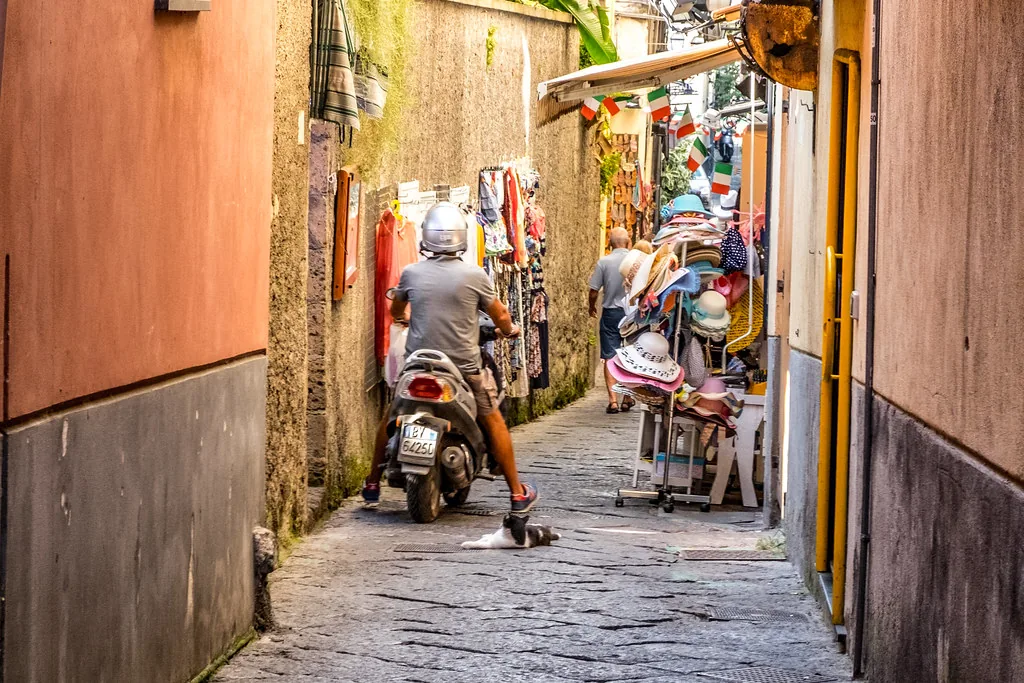
Another frequent blunder is failing to leave room in your suitcase for the incredible local goods available in Sorrento. The town is world-famous for its handmade leather sandals and high-quality linen shirts that you will definitely want to buy. Under-packing allows you to curate your wardrobe with authentic Italian pieces that serve as functional souvenirs.
Finally, don't ignore the importance of a versatile color palette that allows for easy mixing and matching of limited pieces. Sticking to neutrals like navy, beige, and grey ensures that every top works with every bottom you brought along. This strategy reduces decision fatigue each morning, leaving you more energy to enjoy your lemon-infused breakfast. Avoid bringing 'one-off' items that only work with a single outfit, as they waste valuable luggage space.
- Skip heavy floor-length winter coats and parkas
- Avoid flimsy flip-flops for long walking days
- Do not pack high heels for cobblestones
- Leave behind bulky beach towels and gear
- Avoid wearing overly distressed or ripped jeans
- Skip the heavy jewelry to reduce theft risk
- Don't bring non-breathable synthetic polyester fabrics
Amalfi Coast vs. Puglia Packing Needs
If your itinerary includes both the Amalfi Coast and the Puglia region, you must account for distinct environmental differences. Sorrento and the Amalfi Coast are defined by verticality, requiring shoes with superior ankle support and traction for stairs. In contrast, Puglia features flatter landscapes but is much more susceptible to strong, biting Adriatic winds. You might find what to wear in Sorrento in April is slightly different from the windier March climate.

While Sorrento calls for a 'casual luxury' aesthetic, Puglia often leans toward a more rustic and rugged style. A trench coat is perfect for the refined streets of Sorrento, but a technical windbreaker might be better for Lecce. Always consider the specific microclimate of your destination when finalizing your daily outfit choices.
Both regions value a polished appearance, so avoid looking too 'backpacker' if you plan on dining at nicer establishments. Dark denim and a well-fitted blazer can bridge the gap between these two beautiful but different Italian areas. Packing a single versatile jacket that handles both wind and light rain will save significant space in your bag. This thoughtful approach ensures you are prepared for the cliffs of the west and the plains of the east.
Frequently Asked Questions
Is Sorrento warm enough for swimming in March?
No, the water temperature in March is roughly 57°F, which is far too cold for most swimmers. While the sun may feel warm on your face, the sea remains chilly until late May. Focus your activities on coastal walks and boat tours instead.
Do I need a heavy winter coat for Sorrento in March?
A heavy winter coat is generally unnecessary and too bulky for the 50-degree weather. Instead, opt for a mid-weight trench coat or a light wool jacket. These options provide enough warmth for chilly evenings without causing you to overheat during sunny afternoons.
What is the best footwear for Sorrento's cobblestones?
The best footwear choice is a sturdy ankle boot or a supportive leather loafer with rubber soles. Avoid thin-soled sneakers or any type of heel, as the stone paths are often uneven and slippery when damp. Comfort should be your top priority for long days.
Visiting Sorrento in March offers a peaceful experience away from the summer crowds, provided you pack with intention. By focusing on layers and supportive footwear, you can comfortably explore everything from the ruins of Pompeii to local boutiques. Remember to leave space in your luggage for the inevitable treasures you will find in the charming Sorrento markets. Check out our guide for what to wear in Sorrento in February if you are arriving early.
Embrace the transitional spring weather as part of the coastal charm and enjoy the blossoming lemon trees. With the right wardrobe, you will look like a local and feel prepared for any Mediterranean weather surprise. Safe travels as you navigate the beautiful cliffs and vibrant culture of this Italian gem.
Editorial correction — September 19, 2026: Removed unsupported personal-experience claims attributed to the former fictional byline. This edit does not constitute a full factual review of the guide.
Free: The Ultimate Packing Cheat Sheet
A carry-on capsule wardrobe, the complete packing checklist, layering made simple, and what to wear by season — one printable page you'll use on every trip.
You might also like


Continue reading
More guides you'll find useful


