What to Wear in Tenerife in September: 9 Essential Packing Tips
Plan what to wear in Tenerife in September with our 9-point checklist covering microclimates, Mount Teide gear, and beach essentials for the warmest water month.
On this page
What to Wear in Tenerife in September: 9 Essential Packing Tips
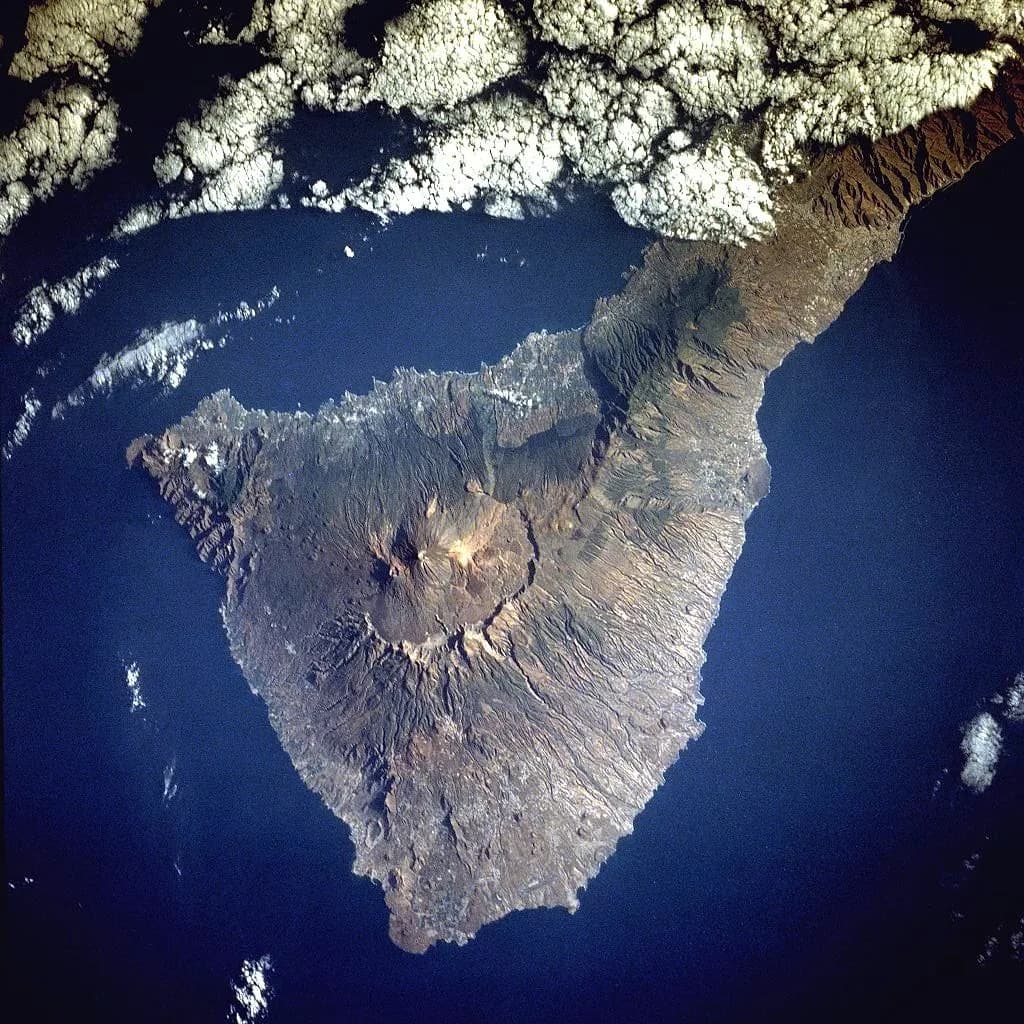
September is arguably the best time to visit the largest Canary Island because the Atlantic Ocean reaches its peak warmth of 24°C. Last updated September 2024 from my late-summer trip, I found that the transition from summer to autumn requires a very specific strategy. When deciding what to wear in Tenerife, I follow a strict pack-light rule where every item must serve at least two purposes. Versatility is key because you might be sunbathing in the south and shivering on a volcano within the same afternoon.
I once made the mistake of bringing only flip-flops and quickly realized that the volcanic trails demand much more support. The island features diverse microclimates that range from the humid forests of Anaga to the arid plains of Playa de las Americas. You should prepare for the 'Calima' effect, a dry dust storm from the Sahara that occasionally spikes temperatures in September. Light-colored linen and cotton fabrics are your best allies against this intense, dusty heat.
Free: The Ultimate Packing Cheat Sheet
A carry-on capsule wardrobe, the complete packing checklist, layering made simple, and what to wear by season — one printable page you'll use on every trip.
September Weather and Microclimates in Tenerife
The weather in Tenerife during September remains consistently warm with average coastal temperatures hovering around 27°C. However, the island is often called a 'miniature continent' due to the dramatic shifts in climate across its varied terrain. While the south stays dry and sunny, the northern region around Puerto de la Cruz can experience higher humidity and occasional cloud cover. Understanding these zones helps you refine your Tenerife packing list for one week without overpacking.
Water sports enthusiasts will love this month as the sea temperature is the highest it will be all year. Swimming, snorkeling, and diving are incredibly comfortable without needing thick wetsuits for most casual activities. Always check the forecast for Teide National Park, as temperatures at the summit can plummet to 5°C even in September. This altitude gap is the most common reason travelers find themselves underdressed during their excursions.
If a Calima occurs, the air becomes thick with fine sand and temperatures can rise rapidly above 30°C. During these days, loose-fitting clothing is essential to maintain airflow and prevent overheating while exploring outdoor sites. I recommend checking the Lonely Planet Pocket Tenerife for specific regional weather tips. Having a reliable guide helps you pivot your plans if the weather shifts unexpectedly in the mountains.
Before You Go Checklist
Preparing for a trip to the Canary Islands involves more than just throwing clothes into a suitcase. You need to ensure all your digital and physical documents are organized well before heading to the airport. I suggest keeping a digital backup of your passport and insurance on a secure cloud drive for easy access. This simple step saved me hours of stress when I misplaced my physical folder during a previous trip.
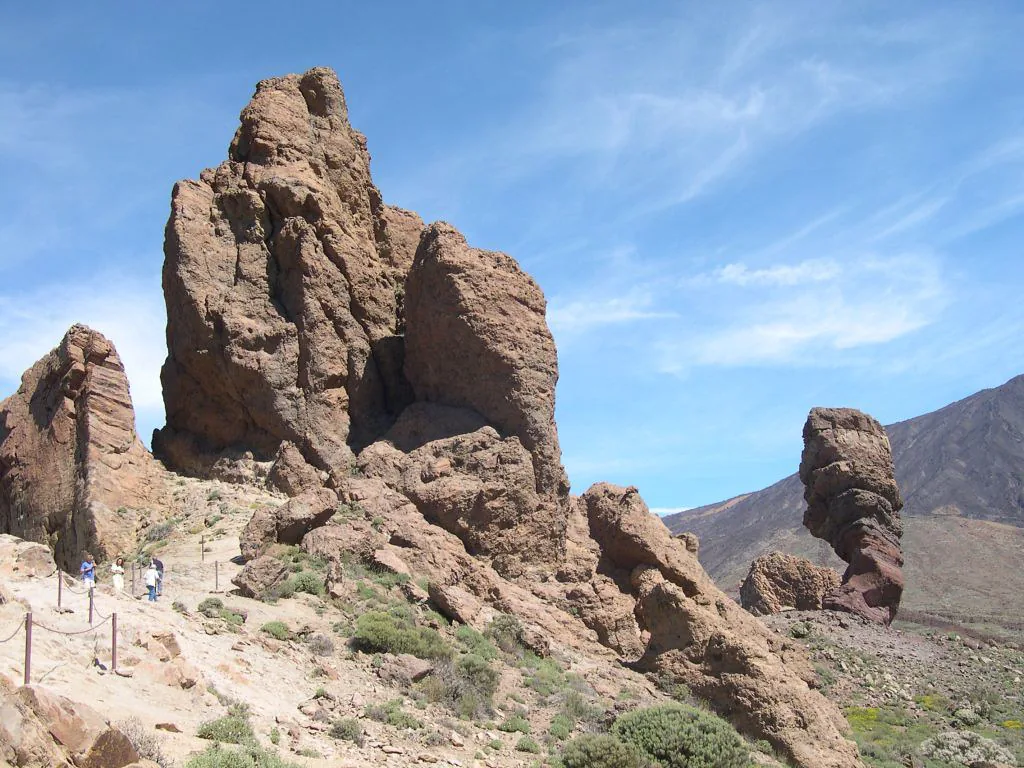
September is a popular month, so booking your Teide cable car permits in advance is absolutely mandatory. The summit permits often sell out weeks ahead, especially for the early morning slots which offer the best views. Verify your mobile roaming plan to avoid unexpected charges while using GPS to navigate the winding mountain roads. Downloading offline maps of the island is a smart move since signal can be spotty in deep ravines.
Check the baggage requirements for your airline to see if you can fit everything into a carry-on. Comparing notes with what to pack for Tenerife in August shows the September load is usually light enough to avoid checked bag fees. Using packing cubes can help you categorize items by activity, such as beach gear versus hiking clothes. This organization makes it much easier to change quickly when moving between the coast and the highlands.
- Passport and printed travel insurance documents
- Mount Teide summit permits booked online
- Offline Google Maps downloaded for Tenerife
- European travel power adapter for sockets
- Digital copies of all flight boarding passes
- Bank cards notified of international travel
- Portable power bank fully charged for travel
- Emergency contact numbers saved in phone
Tenerife Packing List: Daytime Clothing
Your daytime wardrobe should focus on breathability and sun protection to handle the strong September UV rays. I always prioritize natural fibers like linen or lightweight cotton which allow the skin to breathe in high humidity. Synthetic fabrics often trap sweat and can become quite uncomfortable during long walks through historic towns like La Laguna. A mix of shorts and light t-shirts will cover most of your casual needs for sightseeing and dining.
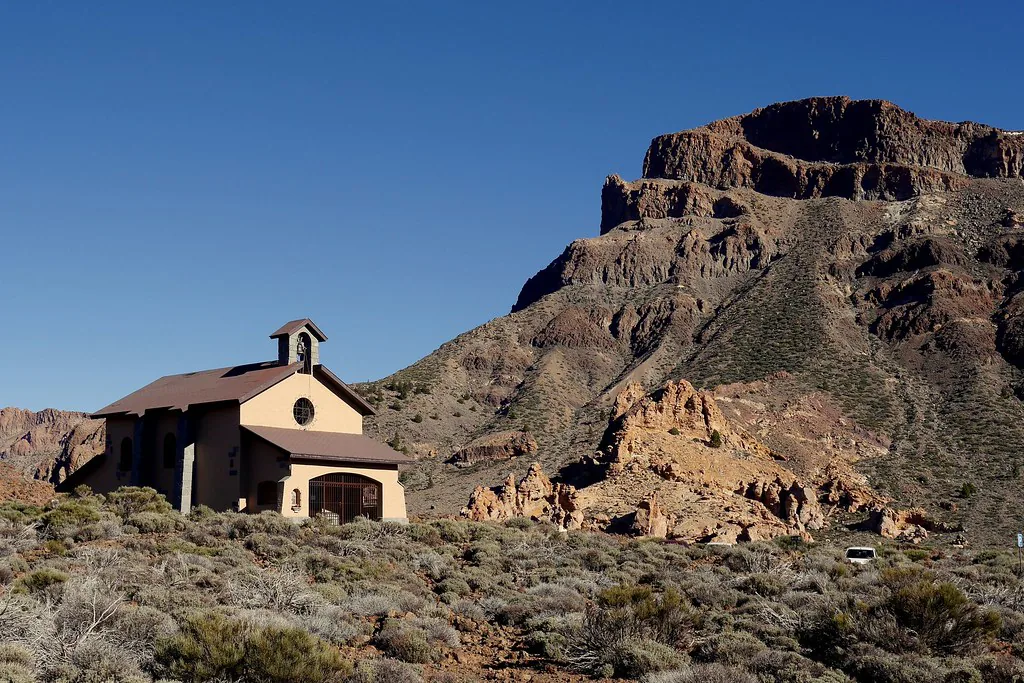
For those planning to visit religious sites or traditional villages, having a modest option is a sign of respect. A lightweight sarong or a linen button-down shirt can easily be thrown over swimwear when leaving the beach. I find that a wide-brimmed hat is non-negotiable for protecting your face during the midday heat. Sunglasses with high UV protection are also essential due to the intense glare from the white-sand beaches.
If you are a solo traveler, choosing neutral colors allows you to mix and match fewer items effortlessly. This strategy keeps your luggage light while ensuring you always have a fresh outfit for the evening. Don't forget to pack a few pairs of moisture-wicking socks if you plan on doing any significant walking. Proper socks prevent blisters which can easily ruin a day of exploring the volcanic landscapes.
- Documents & Money: RFID blocking wallet
- Tech & Electronics: Universal travel power adapter
- Clothing & Layers: Three breathable linen shirts
- Health & Medication: High SPF waterproof sunscreen
- Practical Items: Collapsible reusable water bottle
- Footwear: Comfortable walking sandals with straps
- Accessories: Polarized sunglasses with UV protection
- Clothing & Layers: Two pairs of lightweight shorts
On the Day Checklist
Before you leave your hotel, a quick daily routine ensures you stay comfortable throughout the island's temperature shifts. I always apply a base layer of sunscreen before getting dressed to ensure full coverage without missing any spots. The sun in the Canary Islands is significantly stronger than in mainland Europe due to its proximity to the equator. Reapplying every two hours is vital, especially if you are spending time in the water or hiking.
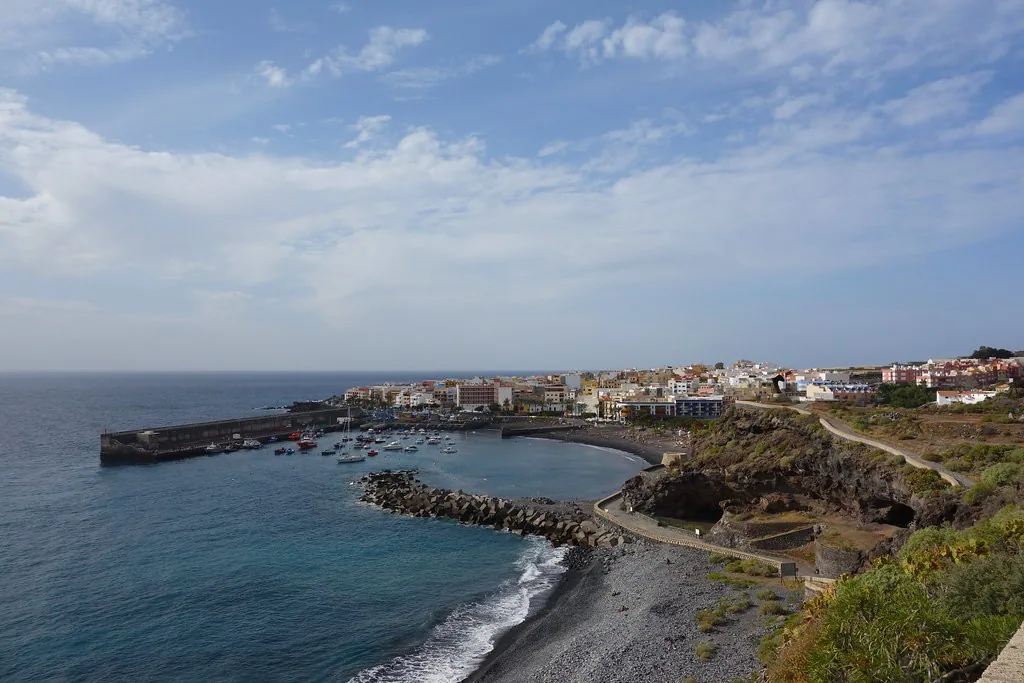
Keep your Anker power pack handy to keep your phone charged for photos and navigation. Using GPS in mountainous areas drains batteries much faster than usual because the phone constantly searches for signals. I also recommend carrying a small amount of cash for local cafes in remote villages that may not accept cards. Small change is particularly useful for public restrooms or parking meters in busy coastal areas.
Hydration is your best defense against the dry heat, so keep your water bottle topped up at all times. Tap water in Tenerife is safe but often has a strong mineral taste that many visitors find unpleasant. Buying large jugs of water to refill your reusable bottle is a more sustainable and cost-effective choice. Check the local wind forecast if you are heading to the beach to avoid sand-blasting on gusty days.
- Apply high SPF sunscreen before leaving
- Carry a fully charged portable battery
- Pack a lightweight windbreaker for mountains
- Keep local currency for small purchases
- Carry a reusable bottle with fresh water
- Wear a hat to prevent heatstroke
- Bring a microfiber towel for swimming
- Check the latest weather and Calima alerts
High-Altitude Gear for Mount Teide
Mount Teide stands at 3,718 meters, creating a climate that is entirely different from the sun-drenched beaches below. Even in September, the air at the top is thin and significantly colder than at sea level. You will need more than just a light sweater if you plan to hike or take the cable car. I suggest wearing long trousers and a windproof jacket to combat the biting gusts at the summit.
Proper footwear is non-negotiable because the volcanic rock is sharp, uneven, and can be very slippery. I once saw a tourist attempting the trail in flip-flops and they had to turn back almost immediately. Sturdy trainers with good grip or dedicated hiking boots are the only safe options for exploring the crater. The ultraviolet radiation is also much more intense at high altitudes, so extra sun protection is required.
Layering is the most efficient way to manage the transition from the warm base to the cold peak. A moisture-wicking base layer followed by a fleece and a shell jacket provides the best thermal regulation. You can always remove layers as you descend back into the warmer forest zones of the national park. This approach ensures you stay comfortable without carrying bulky winter coats that take up too much luggage space.
- Windproof and water-resistant outer shell jacket
- Sturdy hiking boots with ankle support
- Thermal base layer for early morning hikes
- Warm fleece or mid-layer sweater
- Full-length hiking trousers or thick leggings
- Lip balm with SPF for dry air
- Lightweight gloves for cold summit winds
- Beanie or warm hat for altitude
Common Mistakes Checklist
Many travelers assume that Tenerife is purely a tropical destination and forget the complexities of its terrain. Overpacking heavy denim is a frequent error as it becomes heavy and uncomfortable in the island's humidity. I recommend leaving the high heels at home because the steep, cobbled streets of towns like Icod are treacherous. Focusing on practical, flat footwear will serve you much better for both day and night activities.
Another mistake is failing to account for the difference between the north and south of the island. If you are staying in the north, you will definitely need an extra layer for the damp evening air. Ignoring the 'Don't pack' list often leads to bulky suitcases that are difficult to manage on public transport. Stick to the essentials and remember that most items can be purchased locally if you truly forget something.
Underestimating the sun's power even on cloudy days in September can lead to painful burns. The breeze often masks the heat, making you feel cooler than you actually are while outdoors. Always check our guide on what to pack for Tenerife in October against the specific activities you have planned if your trip stretches into autumn. Being prepared for both the beach and the mountains is the secret to a successful Tenerife holiday.
- Packing heavy denim jeans that dry slowly
- Bringing high heels for cobbled street walking
- Forgetting a warm layer for Mount Teide
- Overpacking formal wear for casual island vibes
- Skipping sun protection on cloudy northern days
- Bringing bulky beach towels instead of microfiber
- Ignoring the humidity levels in the North
- Forgetting to pack a universal power adapter
Frequently Asked Questions
Do you need winter clothes in Tenerife in September?
You generally do not need heavy winter clothes for the coast. However, a warm fleece and windbreaker are essential for visiting Mount Teide. Temperatures at high altitudes can drop significantly compared to the beaches.
Is September a good time for swimming in Tenerife?
September is the absolute best month for swimming in Tenerife. The Atlantic Ocean reaches its peak annual temperature of 24°C. This makes it ideal for snorkeling, diving, and long sessions at the beach.
What is the difference between packing for North and South Tenerife?
The South is arid and consistently sunny, requiring light beachwear. The North is more humid and can be cooler in the evenings. Pack an extra light jacket or sweater if staying in Puerto de la Cruz.
Packing for Tenerife in September is all about balancing the tropical heat of the coast with the alpine chill of the mountains. By focusing on breathable fabrics and versatile layers, you can enjoy everything from the warm Atlantic waters to the volcanic peaks. Remember to respect the local microclimates and always carry sun protection regardless of the cloud cover. With these checklists, you are now fully prepared to experience the best of the Canary Islands during this beautiful transition month.
Free: The Ultimate Packing Cheat Sheet
A carry-on capsule wardrobe, the complete packing checklist, layering made simple, and what to wear by season — one printable page you'll use on every trip.
You might also like


Continue reading
More guides you'll find useful