What to Pack for Faro, Portugal: A Seasonal Guide
Plan your Faro packing list with ease. Get seasonal essentials, outfit ideas, footwear tips for cobbled streets, and beach gear for the Algarve.
On this page
Faro weather month by month
Typical conditions from 30 years of daily weather data — use it to see how much to pack for the month you are travelling.
| Month | High / low | Days with rain | Afternoon humidity | Daylight |
|---|---|---|---|---|
| January | 15° / 11°C (59° / 51°F) | 2 in 10 days | 66% | 9.7 h |
| February | 16° / 11°C (60° / 52°F) | 2 in 10 days | 64% | 10.6 h |
| March | 17° / 12°C (63° / 54°F) | 2 in 10 days | 63% | 11.7 h |
| April | 18° / 13°C (65° / 56°F) | 3 in 10 days | 62% | 13 h |
| May | 21° / 16°C (69° / 60°F) | 2 in 10 days | 60% | 14 h |
| June | 24° / 18°C (75° / 65°F) | 1 in 10 days | 57% | 14.5 h |
| July | 26° / 20°C (79° / 68°F) | Rare | 53% | 14.3 h |
| August | 26° / 21°C (80° / 69°F) | Rare | 55% | 13.4 h |
| September | 24° / 19°C (76° / 67°F) | 1 in 10 days | 61% | 12.2 h |
| October | 21° / 17°C (71° / 63°F) | 2 in 10 days | 66% | 11 h |
| November | 18° / 14°C (65° / 57°F) | 2 in 10 days | 65% | 10 h |
| December | 16° / 12°C (61° / 54°F) | 2 in 10 days | 68% | 9.5 h |
Travelling on specific dates? Use our What to Wear Planner for the weather, outfits and a packing list for your exact days in Faro.
Averages for 1991-2020, modelled from Copernicus ERA5-Land and ERA5 reanalysis via Open-Meteo open data (CC BY 4.0), adjusted to Faro's elevation. Modelled afternoon highs can read 1–2°C below airport weather-station records.
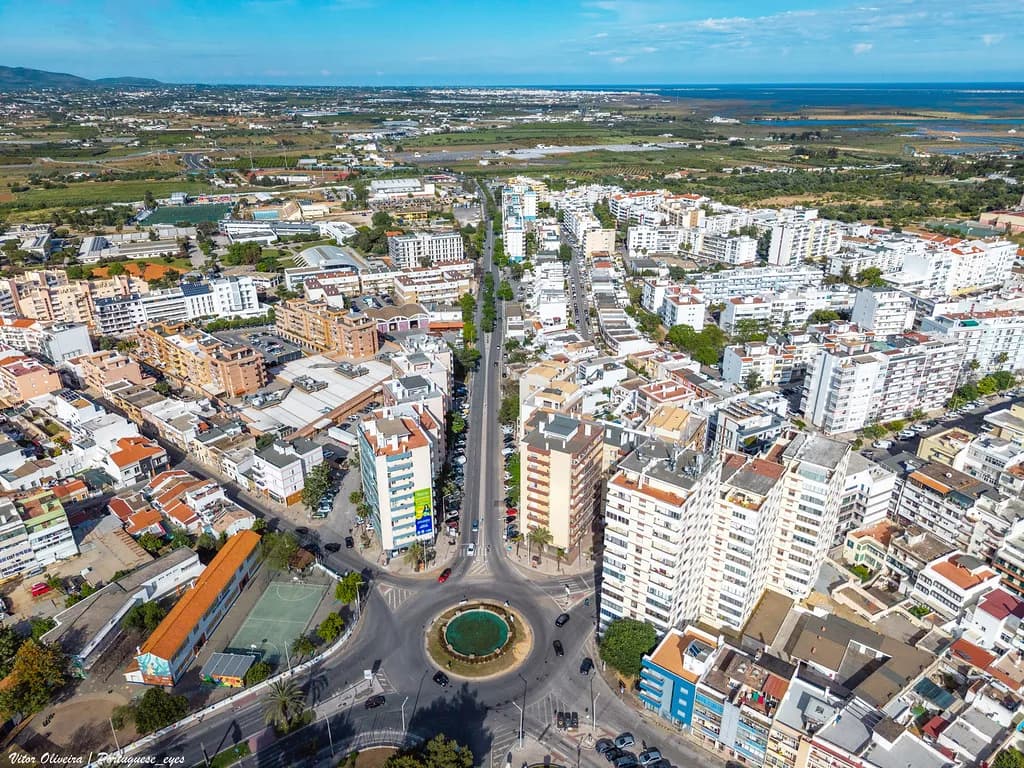
Faro is often the first stop for Algarve visitors, yet its packing list is surprisingly different from what you might expect for a sunny Portuguese resort. The city sits on the coast with the Ria Formosa lagoon on one side and the Atlantic on the other, which means sea breezes, quick temperature shifts after sunset, and an urban core of cobbled calçada pavements that shape what you wear. Plan for a destination that is casual in style but demanding on footwear.
This guide takes you season by season, with a core list of year-round essentials that work for Faro's mix of beach time, boat trips, and Old Town wandering. Check the forecast a few days before you leave, as Portuguese weather is increasingly changeable. Beyond that, thin layers are your best insurance against warm afternoons and cooler coastal evenings.
Faro Weather Basics: What Your Luggage Needs to Handle
The Algarve has a mild Mediterranean climate with hot, dry summers and short, relatively mild winters, but Faro's coastal position brings more nuance. Rain is more likely in late autumn, winter, and early spring, while summer days are long and sunny. Even so, an evening in June can feel quite cool once the sun goes down, especially if the wind picks up.
The daily temperature swing is a defining feature: daytime warmth often drops noticeably after sunset. For a traveler, that means carrying a light layer you can pull on without needing a heavy coat. A compact packable jacket or a wrap that handles both sun protection and evening chill is useful across most months.
Faro Essentials: Year-Round Packing Must-Haves
Start with the non-negotiables that work in every season. Pack sunglasses, sunscreen (factor 30 or higher is a sensible choice), a refillable water bottle, and a small daypack for beach trips and sightseeing. Sun cream is relatively expensive in Portugal, so bringing enough from home to see you through a week can make sense, especially if you are subject to hand luggage restrictions.
Include a photocopy of your passport or ID to carry with you, leaving the original safe in your hotel. Portugal requires adults to carry identification, and a photocopy is a practical way to avoid risking the original on the beach. Also pack a light rain jacket with a hood; it is more packable than an umbrella and delivers when showers arrive.
Cash is still useful in Faro for smaller restaurants and market stalls, as some do not take cards. Shops accept major cards, but bring euros and don't rely on notes larger than 50. A hidden money belt can be a sensible way to keep valuables secure in crowded summer streets, and an adapter for the European two-pin outlets is essential for most non-European travelers.
Shoes for Faro: Tackling Cobbled Streets and Beach Sands
The calçada pavements that line Faro's Old Town are beautiful but notoriously slippery when wet. Comfortable shoes with non-slip soles are key, as heels and thin-soled flats can get stuck in the gaps between stones or send you sliding on damp surfaces, so leave them at home.
Bring two functional pairs that handle different conditions: a walking sandal with a thick sole and secure straps for warm days, and a lightweight trainer or sneaker for longer strolls. If autumn or winter is on the calendar, swap one pair for a comfortable boot or flat closed-toe shoe. The right tread matters as much as style, particularly after a rain shower or on grooved boat decks.
Spring (March–May): Layers, Light Jackets, and Rain-Ready Clothing
Spring in Faro is changeable: you can enjoy warm, sunny afternoons and then face a cool wind or a passing shower. The key is to plan for temperature swings rather than extremes. Pack jeans or light trousers, short-sleeved tops, and a couple of long-sleeved shirts that work under a layer. A lightweight denim jacket or packable trench covers most spring evenings.
Include a solid rain option, whether a thin shell with a hood or a fold-up umbrella, since April is known for showers. Comfortable, grippy footwear is essential on damp days. For spring specifics, you can build on the guidance for what to wear in Faro in March, which details the cool mornings and warmer noons you are likely to meet.
Summer (June–August): Beach Wear, Sun Protection, and Evening Layers
Summers are hot and mostly dry, so your base wardrobe should be light and breathable: loose cotton or linen dresses, shorts, and sleeveless or short-sleeved tops. Sandals can be your city shoe, but choose styles with a secure strap. Hats, sunglasses, and a high-SPF sunscreen protect you from the strong UV, even when you are not on the sand.
Despite the heat, a light sweater or cardigan is non-negotiable for evenings, when temperatures drop quickly and coastal breezes turn chilly. Pack a swimsuit and a quick-dry towel if you plan to visit Ria Formosa beach or take a boat trip, and consider water shoes for pebbly or rocky stretches.
Autumn (September–November): Transitional Pieces and the Shoulder-Season Advantage
September often extends summer conditions, while November brings shorter days and more rain, so treat autumn as a transitional season. Daytime may still reach swimsuit temperatures in the early part, but evenings require a proper jacket. A capsule wardrobe of light trousers, long-sleeve tops, and a midweight layer covers most situations.
A rain shell is worth its space from October onward. Temperatures are milder than winter, which makes this an ideal time for exploring the Old Town and coastal walks. Pack a couple of warm accessories, such as a scarf or light wrap, that can double as a sun shield or a cushion on a hard bench. Check local advice before committing to sandals-only.
Winter (December–February): Warm Layers and a Waterproof Shell
Winters are milder than much of Europe but can feel damp and cool, especially after sunset. Bring trousers, long-sleeved shirts, a warm sweater, and a packable puffer or insulated jacket for evenings. A waterproof shell or coated outer layer is more useful than a heavy coat because it keeps the wind and showers out without adding bulk.
Footwear should become your first priority: comfortable, waterproof shoes with solid tread. Closed-toe options are wise for most days. If you plan a visit in the deepest winter month, the city-specific guide on what to wear in Faro in January gives a useful snapshot of the dark, mild, and occasionally wet conditions.
Packing for Specific Activities: Ria Formosa Boat Trips and Beach Days
A day on the Ria Formosa demands more than a swimsuit. The lagoon side is calmer than the Atlantic beaches, but wind can pick up on the water, so a windproof layer is worthwhile. Pack a sun hat, waterproof phone pouch, and a dry bag for wet gear. Non-slip shoes or sandals are essential on boat decks.
Beach days call for a quality towel, especially if you plan to hop from Praia de Faro to the islands. Throw in a sarong or light cotton scarf that can serve as a cover-up, a beach blanket or mat, and extra sunscreen and water. If you are exploring beyond the sand, a light, packable backpack is better than a bulky beach bag.
A Compact Faro Packing List for a 5-Day Trip
A one-week Faro wardrobe can be built around a capsule of neutrals that mix and match. For women, a simple compilation is one pair of jeans, one pair of light trousers or a midi skirt, five tops or blouses, a light cardigan or blazer, a summer dress, and a swimsuit. For men, two pairs of trousers, four to five short-sleeved shirts, a light sweater, and a swimsuit cover at the base.
Add a light jacket or rain shell, comfortable walking sandals, a pair of closed-toe shoes or trainers, and a bag that works from beach to dinner. Small items like a scarf, a hat, and a power adapter complete the list. This approach fits neatly into a carry-on and leaves space for purchases.
What to Leave Behind: Mistakes to Avoid
High heels and flimsy dress shoes are the most common packing error for Faro. The cobbled streets and beach-adjacent paths demand sturdy soles, and evening dress codes are relaxed. Skip formal outfits—smart casual is all you need for a night out in Faro's restaurants and bars.
Avoid overpacking, especially bulky towels and heavy toiletries that most hotels provide. A large wheeled suitcase is more liability than asset in older town streets and apartments with narrow staircases. Leave the portable beach speaker at home; many beaches discourage them, and the sound of the sea is the point.
Check the Forecast Before You Go
Seasonal tendencies give you a starting point, not a guarantee. The week before you fly, check the multi-day forecast for Faro to confirm rain chances and the daily temperature range. Then adjust the ratio of layers and rain gear accordingly: add a packable puffer if a cold spell looms or swap a few long sleeves for light shirts if the sun is expected.
Your final packing decision is a balancing act. No one wants to lug a heavy coat when the forecast says fine, but a thin rain shell and a warm sweater may make all the difference between shivering through an evening and enjoying it. Pack for what you will actually do, and you will be ready for whatever the Algarve sends.
Plan Your Visit
Mastering a Faro packing list comes down to reading the local rhythm: warm days, cool nights, occasional rain, and lots of walking on calçada. Keep layers light, shoes grippy, and casual can take you anywhere.
Build your final list after checking the latest forecast and any specific details from your accommodation, tour operator, or airline. If you have a trip planned for Easter or April, combine the guidance here with the dedicated month-by-month outfits to fine-tune your choices.
More packing guides for Portugal
- What to Wear in Faro in August: A Light and Cool Packing Guide
- What to Wear in Faro in December: Packing Guide
- What to Wear in Faro in January: Rain-Ready Layers and Grip-Sole Shoes
- What to Wear in Faro in July: Packing for the Algarve Heat
- What to Wear in Faro in June: A Packing Guide for Hot Days
- What to Wear in Faro in March: Packing Tips for Spring
- What to Wear in Faro in May: Packing for Warm Days and Cool Nights
- What to Wear in Faro in November: Packing Guide
- What to Wear in Faro in October: Packing Tips for Mild Days & Cooler Nights
- What to Wear in Faro in September: A Practical Packing Guide
- What to Wear in Faro in April: Packing List & Outfit Ideas
- What to Wear in Porto: A Year-Round Packing Guide
- Sintra Packing List: What to Wear & Bring Every Season
Frequently Asked Questions
Should I pack more for a trip to Faro in a carry-on or a full-size suitcase?
A carry-on is practical. Faro's streets and many older buildings are not luggage-friendly, so a bag that's easy to lift and carry is much easier than a heavy suitcase. A well-planned 5 to 7-day capsule wardrobe fits in a carry-on and a small daypack.
Do I need to bring an umbrella to Faro, or is a rain jacket enough?
A rain jacket with a hood is more practical than an umbrella, since it keeps your hands free and works well against coastal winds. Foldable umbrellas are available locally if you prefer, but many travelers skip them to save space. Check the forecast before you decide.
Can I wear sandals in Faro's Old Town, or should I stick to sneakers?
You can wear sandals in the Old Town, but choose styles with a thick sole and a secure strap. The cobbled streets are uneven and can be slippery when wet, so avoid thin flats and high heels. Closed-toe shoes or trainers are the safer choice for extended walking or wet weather.
Sources
Free: The Ultimate Packing Cheat Sheet
A carry-on capsule wardrobe, the complete packing checklist, layering made simple, and what to wear by season — one printable page you'll use on every trip.
You might also like


Continue reading
More guides you'll find useful