
Lagos, Portugal Packing List: What to Wear and Bring by Season
Pack for Lagos, Portugal with confidence. Our seasonal guide covers beach days, coastal hikes, and cool evenings—plus the footwear that handles cobbled streets.
On this page
Lagos, Portugal Packing List: What to Wear and Bring by Season
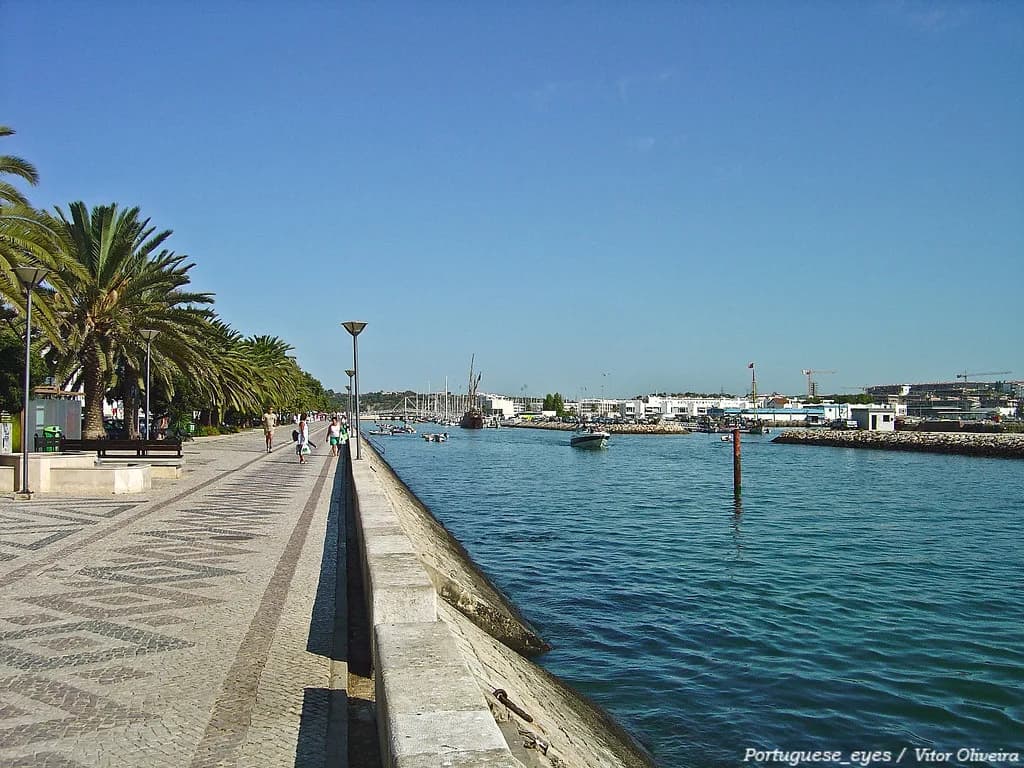
Packing for Lagos is different from preparing for most beach towns because you will divide your days among three very different surfaces: smooth, time-worn cobbles in the historic centre, soft sand on the cove beaches, and uneven cliff paths that lead to the Ponta da Piedade headland. Add the Atlantic influence on the western Algarve, and you understand why a single pair of shoes and a single weight of clothing will not be enough.
Well-made walking sandals or trainers with chunky, non-slip soles are the safest companions for the stone-paved streets, which become dangerously slippery when a shower passes through. For the cliffs and beaches, you will want something you can rinse off quickly, such as a pair of sturdy sandals that strap securely around the ankle rather than sliding flip-flops.
What follows is a season-by-season packing strategy built around the reality of Lagos year-round: hot, dry summers; mild but wetter winters; and shoulder seasons that can deliver all four seasons in a single day. Dress codes here are relaxed, but practical, comfortable clothing that respects local customs will serve you well.
Free: The Ultimate Packing Cheat Sheet
A carry-on capsule wardrobe, the complete packing checklist, layering made simple, and what to wear by season — one printable page you'll use on every trip.
Lagos Climate at a Glance
Lagos enjoys a classic Mediterranean climate with over 300 days of sunshine a year, but its position on the western Algarve coastline brings a stronger Atlantic influence than towns further east. Summers are hot and dry, with July and August seeing average high temperatures of 29°C (84°F) to 33°C (91°F), while winters are mild, with daytime highs near 16°C (61°F) and nights dropping to around 8°C (46°F). Source: LagosPortugalGuide
Rain is rare from June to August, but December through February are the wettest months, with occasional heavy showers that rarely last all day. The sea follows its own rhythm, peaking at around 21°C (70°F) in late summer and falling to between 13°C (55°F) and 15°C (59°F) in winter, which is a factor whether you plan to swim or just dip your toes. Source: LagosPortugalGuide
In spring and autumn, temperatures swing from the high teens to the low twenties Celsius (mid-60s to low 70s Fahrenheit), so layers are your insurance policy. Always check the forecast before you leave, because the weather can be changeable from one day to the next.
The Year-Round Essentials
No matter the season, you will want a small set of universal items: sunglasses (bright sunshine can appear even in winter), a refillable water bottle, and a lightweight scarf or wrap that doubles as a shawl for cool evenings or a picnic blanket. Sunscreen is wise even on overcast days, as UV rays can be strong; sun cream is relatively expensive in Portugal, so consider bringing it with you. Source: Julie Dawn Fox
A compact rain jacket with a hood is more useful than an umbrella because it leaves your hands free and packs smaller. If you are a light sleeper, bring foam earplugs and an eye mask, since these are not always easy to find locally. An electrical adaptor for standard European round two-pin plugs will keep your devices charged.
Carry a photocopy of your passport or a card-form ID with you rather than the original, which is a habit many travelers adopt to avoid losing it on the beach or in a crowd. It is worth noting that Portugal requires you to have some form of identification on you at all times, so a copy is a practical compromise. Source: Julie Dawn Fox
Choosing the Right Shoes for Lagos
The single most important decision you will make is footwear. Portugal’s cobblestone streets are beautiful but brutal on thin soles and heels, which can get stuck between the stones and twist an ankle. Shoes with thick rubber soles and good traction are not a luxury; they are a necessity, especially when the stones are wet.
Plan on two pairs: one pair of comfortable trainers or walking shoes for exploring town and light trails, and one pair of sandals with a sturdy sole and secure straps for warm days and beach visits. Avoid slide-on sandals entirely, as they offer little grip on uneven or slick surfaces.
If you plan to hike the cliffs at Ponta da Piedade, consider a pair of lightweight trail shoes or grippy sandals that you do not mind getting sandy and dusty. For winter or cool evenings, comfortable boots with a solid tread will keep your feet warm and stable on the wet pavements.
Beach and Water Gear
Lagos’s beaches, like Praia do Porto de Mós, are gorgeous, but the Atlantic water is cooler than you might expect. In July and August the sea reaches only about 21°C (70°F), which is refreshing for a splash but chilling for a long swim; many visitors prefer a wetsuit for surfing or extended water time.
Pack at least two swimsuits so you can let one dry while wearing the other. A rash guard or a light long-sleeved swim top adds warmth and sun protection. Quick-dry towels are lighter and dry faster than cotton, making them a smart choice for hopping between coves. Source: A Couple Days Travel
For the rocky stretches and pebbly entry points at some beaches, a pair of swimming shoes or walking sandals that you can get wet will spare your feet. If you plan to visit a hotel pool or spa, check whether they require a swimming cap and flip-flops, which are often standard in Portugal. Source: Julie Dawn Fox
Hiking and Coastal Trail Clothing
The coastline around Lagos, especially the trail to Ponta da Piedade, is a highlight for walkers. For these hikes, choose lightweight, breathable fabrics like merino wool or synthetics that wick moisture and dry quickly, rather than heavy cotton that stays damp.
A long-sleeved shirt with UPF protection is ideal for sunny days on the exposed cliffs, and you will want a hat and sunglasses. Even in summer, a light windbreaker is wise because the breeze off the Atlantic can be brisk, especially on the headland.
Temperatures on the trail can vary significantly from the town, so a thin, packable layer is worth its weight. On a one-week trip, you can combine a couple of hiking tops with your everyday tees to avoid a separate wardrobe.
Seasonal What-to-Wear Guidance
Summer in Lagos is hot and dry, so breathe with loose, natural fibers like linen and cotton. Pack shorts, dresses, and tank tops, but also bring a light sweater or cardigan for evenings, when temperatures drop and the sea breeze picks up. Source: Thafael
Winter (November to March) is mild but can be chilly and wet. Focus on layers: long-sleeved shirts, a sweater or fleece, and a waterproof jacket. Add a warm hat, gloves, and a scarf for the coolest days, and comfortable boots that keep your feet dry.
Spring and autumn are the shoulder seasons when days are warm but mornings and evenings are cool. A jean jacket or a mid-weight coat, a few long-sleeved shirts, and one pair of warm trousers will see you through. For more month-specific suggestions, see our guides for What to Wear in Lagos, Portugal in January and What to Wear in Lagos, Portugal in February.
One-Week Packing Example: Mix-and-Match Capsule
To keep your luggage light and flexible, aim for a capsule wardrobe that works from beach to dinner. For women, that might mean two pairs of pants (one light, one warmer), one pair of shorts, three short-sleeved shirts, one summer dress, and a cardigan or light jacket. Men can pack two pairs of pants, three to five t-shirts, one pair of shorts, and a half-zip sweater.
Add one swimsuit (or two if you plan daily dips), one pair of comfortable walking shoes, one pair of sandals, and a lightweight rain jacket. Don’t forget your toiletry kit with sunscreen and a small first-aid kit. This setup fits easily into a carry-on, sparing you from lugging a suitcase over cobblestones and up narrow staircases.
For a winter week, swap the shorts and dresses for an extra pair of trousers and a couple of long-sleeved shirts, and include a puffer vest or jacket. A scarf and beanie take up little space but make a big difference on cool days.
What Not to Pack
Leave the heels and delicate dress shoes at home; Portugal’s style is relaxed, and even a smart dinner out works with clean trainers and a nice top. Skip bulky towels and extra pairs of shoes you won’t wear. A large suitcase is a liability on cobbled lanes and in older hotels without lifts; struggle with a backpack or a small wheeled duffel instead.
Don’t bring a portable speaker for the beach—they are not allowed on most beaches in Portugal. Heat-styling tools for hair can struggle with the humidity and different voltage, so plan for a more natural look. And resist overpacking toiletries, because most accommodations provide basic soap and shampoo.
Before You Depart: Check the Forecast and Adjust
Weather patterns around Lagos are not as predictable as the marketing brochures suggest, so always check a reliable forecast in the week before your trip. If rain is predicted, add an extra layer and swap a pair of sandals for waterproof boots; if a heatwave is forecast, focus on the lightest cottons and linens.
Remember that historical climate is a tendency, not a promise, so flexible layering is your best strategy. This is particularly true in spring and autumn, when a single day can move from sunny and warm to cool and showery.
Plan Your Visit
By now you have a clear picture of what to pack for Lagos in any season: a few versatile layers, sturdy shoes for the cobbles, beach essentials that acknowledge the Atlantic’s cool waters, and a day bag that keeps you organized. Focus on mix-and-match pieces and you’ll be prepared for everything from a boat trip along the cliffs to a seafood dinner in the old town.
Check the weather a few days before you go, adjust your layers accordingly, and you’ll be ready. The key is to stay flexible and remember that the best travel wardrobe is one you don’t have to think about once you’re there.
More packing guides for Portugal
- Lagos, Portugal in September: What to Pack and Wear
- What to Pack for a Beach Day in Lagos, Portugal
- What to Pack for Hiking in Lagos, Portugal
- What to Wear in Lagos, Portugal in April: Packing Guide
- What to Wear in Lagos, Portugal in August
- What to Wear in Lagos, Portugal in December: Packing Guide
- What to Wear in Lagos, Portugal in February
- What to Wear in Lagos, Portugal in January: Packing Guide
- What to Wear in Lagos, Portugal in July: Packing List & Tips
- What to Wear in Lagos, Portugal in June
- What to Wear in Lagos, Portugal in March: Packing List & Tips
- What to Wear in Lagos, Portugal in May
- What to Wear in Lagos, Portugal in November
- What to Wear in Lagos, Portugal in October
- What to Wear in Funchal: A Seasonal Packing Guide
- What to Wear in Lisbon: A Complete Seasonal Packing Guide
Frequently Asked Questions
What should I pack for a week in Lagos, Portugal?
For a week in Lagos, focus on a mix-and-match capsule: 3-4 tops, 2 pairs of pants or shorts, one dress or nicer outfit for dinners, a swimsuit (or two), a light jacket or cardigan, and two pairs of shoes (walking shoes and sandals). Add sunscreen, sunglasses, and a rain layer. This fits easily in a carry-on.
How do I dress in Lagos, Portugal?
Lagos is relaxed and casual. Wear breathable fabrics like linen and cotton in summer, and layers in winter. Comfortable, non-slip shoes are essential for the cobblestone streets. It’s wise to carry a scarf or wrap for cooler evenings. There are no strict dress codes, but covering shoulders at churches shows respect.
What type of shoes are best for Lagos?
Choose shoes with thick, non-slip rubber soles for the cobblestone streets. Comfortable walking shoes or trainers are ideal for exploring town and trails, plus a pair of sturdy sandals with secure straps for the beach and warm days. Avoid thin-soled flats, heels, and slide-on sandals.
Do I need a wetsuit for the beach in Lagos?
The sea around Lagos is cooler than many expect, reaching only about 21°C (70°F) in late summer. For swimming, a wetsuit is not required, but for surfing or extended time in the water, a wetsuit (2-3mm) is recommended. In spring and fall, a rash vest can help with warmth.
What not to bring to Portugal?
The sea around Lagos is cooler than many expect, reaching only about 21°C (70°F) in late summer. For swimming, a wetsuit is not required, but for surfing or extended time in the water, a wetsuit is recommended. In spring and fall, a rash vest can help with warmth.
Sources
Free: The Ultimate Packing Cheat Sheet
A carry-on capsule wardrobe, the complete packing checklist, layering made simple, and what to wear by season — one printable page you'll use on every trip.