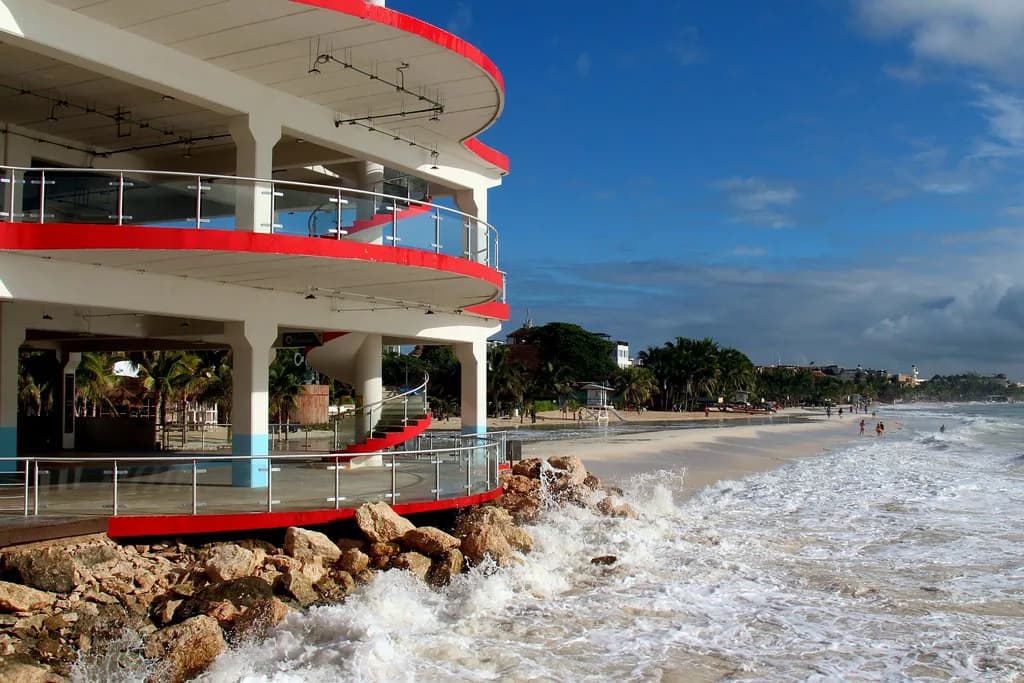
Playa del Carmen Beach and Sand Footwear: What to Pack
Plan footwear for Playa del Carmen beaches, coral shore, cenotes, and wet streets. Compare sandals, reef shoes, and closed shoes before you pack.
On this page
Soft sand, coral-rock entries, cenote water, and long walking days rarely suit the same pair of shoes, so a Playa del Carmen trip rewards a small footwear rotation rather than one magic pair.
The practical fix is to bring a secure-strap sandal for beach time and evenings, water shoes or aqua socks for rocky or slippery entries, and closed shoes with real tread for ruins and long day trips.
This guide keeps to packing decisions: what to bring, what to leave behind, how many pairs you actually need, and how to check conditions before you fly.
Match Footwear to the Ground Underfoot
Playa del Carmen asks your feet to handle several different surfaces across a single trip: soft beach sand, coral-rock shore and cenote entries, uneven pavement, and compacted paths or stone at ruin sites. Each surface rewards a different sole and strap configuration.
Soft sand punishes thin, flat soles because your foot sinks and the front of a flip-flop digs in or slides off. A slightly thicker sole with a secure strap holds the foot in place as the sand shifts underneath.
Coral rock and cenote entries are a traction problem more than a cushioning problem. A close-fitting water shoe or aqua sock with a grippy rubber outsole gives more control on wet stone than an open sandal that can float off or twist.
Uneven pavement and ruin days are where closed shoes earn their space. A lightweight sneaker or breathable trekking shoe handles long walking better than an open sandal, though it will feel hotter by midday.
What Soft Beach Sand Does to Thin-Soled Sandals
Soft sand surprises visitors used to firmer shores. A thin-soled flip-flop sinks and the toe post pulls at the space between your toes with every step, which is why bare feet and a sturdier sandal often feel better than a cheap flat pair, a point regular visitors to Playa del Carmen often raise in footwear threads on the Shoes Help Playa del Carmen forum.
If you plan to spend most of your time on the sand, bring one pair of sandals with a slightly thicker sole and straps that cross the instep or wrap the ankle. That configuration keeps the foot from sliding forward when the sand gives way.
Keep a second, simpler pair of flip-flops for the pool deck or a quick walk to breakfast. Pairing one supportive sandal with one easy slip-on covers both the beach and the short walk back to your room without adding much weight.
Sandals for Beach Days: Straps and Soles Beat Flat Flip-Flops
For beach days, a secure-strap sandal with a molded or slightly cushioned footbed is a better default than a classic flat flip-flop. The straps keep the sandal attached when you cross soft sand or step into shallow water, and the footbed protects the sole from hot sand.
Look for synthetic straps that dry quickly and a sole with visible tread rather than a smooth, slippery finish. A sandal that drains and dries between beach sessions is more useful than one that stays damp for hours.
A published resident guide to what to wear in Playa del Carmen suggests beach sandals and cover-ups for the beach, with comfortable sandals, slides, sneakers, or gladiator and white sandals for ruin days, and sandals or wedges for nightlife. Treat those as editorial suggestions rather than a dress code, and choose the pair that matches your own walking tolerance.
One versatile pair of tan or neutral sandals can handle both a beach club afternoon and a casual evening on Fifth Avenue. If you want a dressier option for dinner, pack a light pair of wedges or strappy sandals instead of heavy heels that sink in soft ground.
Reef Shoes and Water Shoes for Rocky and Cenote Entries
Rocky shorelines, cenote entries, and snorkel spots are where water shoes or reef shoes outperform open sandals. A close-fitting aqua sock or water shoe with a grippy outsole gives more contact with wet stone and protects the toes when you cannot see the bottom.
The trade-off is drying time. A mesh or neoprene water shoe that stays wet inside a closed bag will smell and stay damp, so plan to rinse it in fresh water and let it air dry in shade rather than sealed in a suitcase.
A simple drying routine handles most cenote-to-beach days. Rinse the shoes after the water entry, wring out the insoles if they are removable, and hang them from a balcony rail or towel bar with the opening facing down so water drains out.
A resort in Playa del Carmen lists water shoes, trekking shoes, a light cap or hat, sunglasses, a snorkel mask, biodegradable sunscreen, biodegradable mosquito repellent, and a power adapter among its suggested packing items, and notes smart casual clothing for à la carte restaurants. Those are the resort's suggestions, not a requirement, so check your own hotel's current guidance before you rely on it.
Closed Shoes for Ruins and Day Trips
Ruin sites and day trips involve more walking and less shade than a beach day, so closed shoes with real tread are the safer choice. A lightweight sneaker or breathable trekking shoe supports the foot on uneven stone and packed paths where an open sandal would twist or collect grit.
Humidity is the trade-off. A fully enclosed shoe with thick padding will feel hot by mid-morning, so choose a breathable upper and thin, moisture-wicking socks rather than heavy hiking boots.
If a day trip combines ruins with a cenote stop, wear the closed shoes for the walking portion and pack water shoes in your day bag for the water entry. Changing footwear takes a minute and saves you from spending the afternoon in soaked sneakers.
Materials That Survive Salt, Sand, and Repeated Wet-Dry Cycles
Salt, sand, and repeated soakings are hard on footwear, so materials matter as much as style. Synthetic straps, rubber outsoles, and quick-drying mesh or neoprene handle saltwater and sand better than untreated leather or suede, which can stiffen and stain.
Rinse sandals and water shoes in fresh water at the end of a beach day, shake out trapped sand, and let them dry in shade rather than direct sun. Direct sun can stiffen straps and crack rubber over time, while shade lets them dry without heat damage.
Pack a small mesh bag or dedicated pouch for wet footwear so damp soles do not sit against dry clothes. A plastic bag works in a pinch, but a mesh bag lets air circulate and reduces the damp-shoe smell in your suitcase.
A Compact Footwear Plan by Trip Length
For a weekend trip, two pairs are usually enough. Wear one pair of secure-strap sandals or sneakers on the plane, and pack one pair of water shoes or aqua socks for beach and cenote entries.
For a one-week stay, add a third pair so you always have a dry option. A common rotation is secure sandals, water shoes, and one pair of closed sneakers or trekking shoes, worn on alternating days so nothing stays damp.
For longer stays, keep the same three-pair core and add one evening sandal or wedge if you plan dinners on Fifth Avenue. Skip the temptation to pack four or five pairs, since shoes take the most space and dry the slowest.
The anchor for everything else on this trip is the full playa del carmen packing list, which covers clothing, sun protection, and day-bag items to pair with your footwear choices.
What to Leave Behind
Heavy hiking boots are the first thing to leave at home. They take up most of a carry-on, dry slowly in humidity, and offer more support than ruin paths and beach walks actually require.
Brand-new leather shoes or anything that has not been broken in is a poor choice here. Sand and salt are unforgiving on stiff leather, and a fresh pair can cause blisters on the first long walking day.
Leave delicate soles, thin fashion flats, and any footwear you cannot get wet. If a pair cannot survive a splash at a cenote or a sudden rain shower, it will spend the trip in your bag.
Before You Pack: Check the Forecast, Then Adjust the Ratio
Playa del Carmen is generally warm and humid for much of the year, with a drier winter tendency and a wetter summer tendency. Treat that as a historical seasonal pattern rather than a forecast for your specific dates.
Check a reliable forecast for your travel dates about a week out and adjust the ratio of sandals to closed shoes. A stretch of wet weather favors closed shoes and quick-drying water shoes, while a dry beach-focused week favors sandals.
If you are travelling in the cooler months, a light layer for evenings can be worth packing alongside your sandals, since some winter evenings feel cooler than midday. What to Wear in Playa del Carmen in November covers that overlap between warm days and cooler evenings in more detail.
Pair Footwear With the Rest of Your Water Kit
Water shoes do most of their work on snorkel and cenote days, so it makes sense to plan them alongside the rest of your water kit. If your trip includes guided cenote entries or reef snorkeling, the playa del carmen snorkeling and cenote packing guide can help you decide what goes in the day bag.
Footwear for Off-Beach Days: Bikes and Beach Clubs
Some of the best footwear decisions happen off the beach itself. A day that mixes a beach club with a bike ride asks for closed shoes or secure sandals rather than flip-flops, because pedals and sandy paths are unforgiving on loose footwear.
If you are planning a Tulum beach club and bike day, pack the same rotation you use for beach days but favor the pair with the most secure straps, and use that day guide to align footwear with the rest of the itinerary.
A Small Rotation Beats One Heavy Pair
The best footwear strategy for Playa del Carmen is not one perfect pair but a small rotation that covers soft sand, rocky water entries, and walking days. Three pairs, chosen for grip and quick drying, carry most travellers through a week without overpacking.
Rinse and air-dry wet shoes daily, keep a mesh bag for damp footwear, and leave the heavy boots and untested leather at home. Before you fly, check the forecast and shift your sandal-to-closed-shoe ratio to match the week ahead.
Frequently Asked Questions
Do you need water shoes in Playa del Carmen?
They are an editorial suggestion rather than a requirement, but they are useful for cenote entries, rocky shorelines, and snorkel spots. An open sandal can float off or twist on wet stone, so a close-fitting aqua sock gives more control. Check whether your specific activity involves a rocky water entry before deciding.
Can you wear flip-flops on Playa del Carmen beaches?
You can, but a thin flat flip-flop sinks in soft sand and can slide off as the ground shifts. A slightly thicker sole with a secure strap is more comfortable for longer beach walks. Keep simple flip-flops for the pool deck and short walks instead.
What shoes should you pack for ruins and cenote days?
Closed shoes with real tread are the safer choice for ruin walking and long day trips, while water shoes or aqua socks handle the wet cenote entry. Wearing closed shoes for the walking portion and packing water shoes for the water portion solves both parts of the day.
How do you dry reef shoes between cenote and beach days?
Rinse them in fresh water after the water entry, shake out trapped sand, and let them air dry with the openings facing down so water drains. Shade is better than direct sun because heat can stiffen straps and crack rubber. Packing them in a mesh bag keeps damp soles away from dry clothes.
How many pairs of shoes should you pack for a week in Playa del Carmen?
For a week, three pairs cover most trips: secure sandals, water shoes, and one pair of closed sneakers or trekking shoes. Rotating them gives each pair time to dry between outings. Add a single evening sandal or wedge if you plan dinners on Fifth Avenue, and skip heavy boots.
What footwear should you leave behind?
Leave heavy hiking boots, brand-new leather, delicate soles, and anything that cannot get wet. They take up space, dry slowly in humidity, and can cause blisters or damage on sand and salt. A lighter, quicker-drying rotation works better here.
Sources
Free: The Ultimate Packing Cheat Sheet
A carry-on capsule wardrobe, the complete packing checklist, layering made simple, and what to wear by season — one printable page you'll use on every trip.
You might also like


Continue reading
More guides you'll find useful