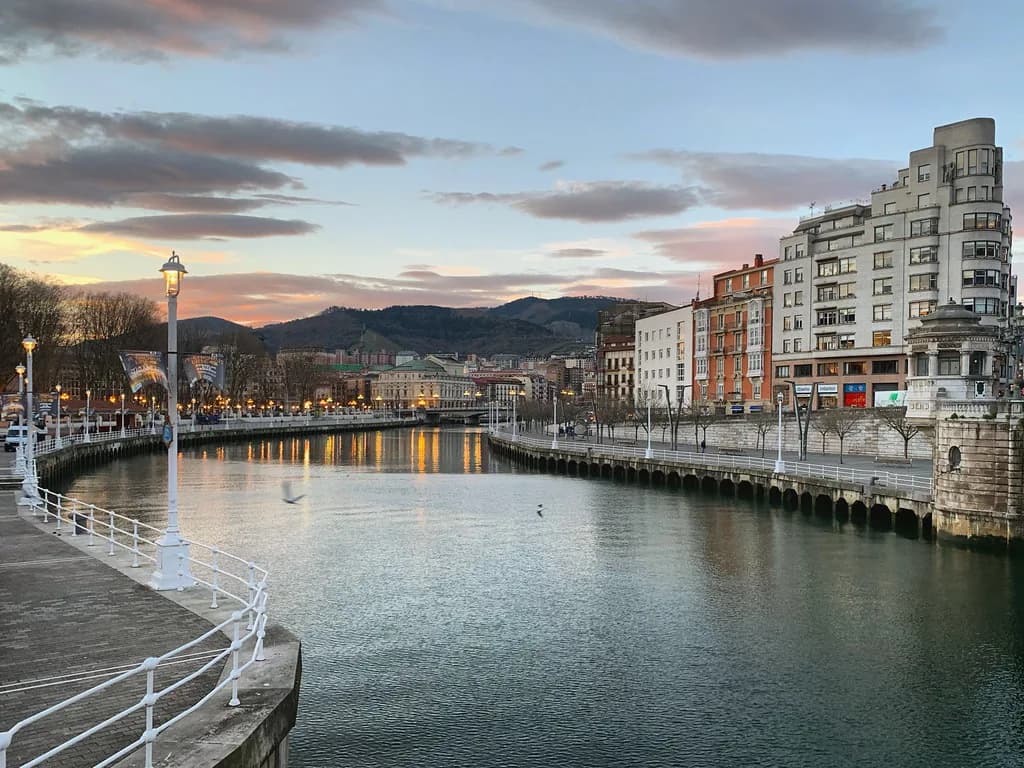
Santiago de Compostela Packing List: What to Wear in Every Season
Plan what to wear in Santiago de Compostela with our season-by-season packing guide. Get tips on staying dry on wet cobblestones and dressing for the cathedral.
On this page
Santiago de Compostela weather month by month
Typical conditions from 30 years of daily weather data — use it to see how much to pack for the month you are travelling.
| Month | High / low | Days with rain | Afternoon humidity | Daylight |
|---|---|---|---|---|
| January | 11° / 4°C (51° / 39°F) | 4 in 10 days | 70% | 9.2 h |
| February | 12° / 4°C (53° / 38°F) | 4 in 10 days | 65% | 10.3 h |
| March | 14° / 5°C (57° / 41°F) | 4 in 10 days | 62% | 11.7 h |
| April | 15° / 6°C (60° / 44°F) | 5 in 10 days | 62% | 13.2 h |
| May | 18° / 9°C (64° / 48°F) | 4 in 10 days | 62% | 14.5 h |
| June | 21° / 12°C (69° / 53°F) | 3 in 10 days | 60% | 15.1 h |
| July | 23° / 14°C (74° / 56°F) | 2 in 10 days | 58% | 14.9 h |
| August | 24° / 14°C (74° / 57°F) | 2 in 10 days | 58% | 13.8 h |
| September | 22° / 13°C (71° / 55°F) | 3 in 10 days | 60% | 12.3 h |
| October | 18° / 10°C (64° / 50°F) | 4 in 10 days | 66% | 10.8 h |
| November | 13° / 7°C (56° / 44°F) | 5 in 10 days | 71% | 9.5 h |
| December | 12° / 5°C (53° / 40°F) | 4 in 10 days | 70% | 8.9 h |
Travelling on specific dates? Use our What to Wear Planner for the weather, outfits and a packing list for your exact days in Santiago de Compostela.
Averages for 1991-2020, modelled from Copernicus ERA5-Land and ERA5 reanalysis via Open-Meteo open data (CC BY 4.0), adjusted to Santiago de Compostela's elevation. Modelled afternoon highs can read 1–2°C below airport weather-station records.
Santiago de Compostela rewards travelers with its medieval old town and grand cathedral, but its Galician weather is famously changeable. Rain can appear without warning, and the polished granite streets turn slick and mossy, so your packing choices need to balance comfort, grip, and quick-drying fabrics. This guide focuses on the city itself, whether you arrive as a pilgrim at the end of the Camino or as a visitor exploring for a few days.
The climate is mild year-round, but it is never truly predictable. Winters are cool and damp, summers bring warmer days with the chance of a shower, and spring and autumn transition with layers. Instead of chasing exact forecasts, build a flexible wardrobe that works for sunshine, drizzle, and cooler evenings.
Understanding Santiago de Compostela's Climate and Microclimate
Galicia, in northwestern Spain, is known for Atlantic weather systems that bring frequent rain, especially from autumn through spring. Santiago sits inland from the coast, yet it still catches moisture-laden winds, making dampness a constant companion. The old town's narrow, shaded streets can stay cooler and wetter than the open plazas, so anticipate microclimates within a short walk.
Because the weather can shift quickly, the smartest approach is to layer. A typical day might start with a light jacket, warm up by midday, and cool again by evening. For current conditions, check a reliable forecast shortly before you travel to tailor your final choices.
How to Dress Comfortably for the Cathedral and Old Town
The old town's cobblestones are beautiful but treacherous when wet, so footwear is your most important decision. Choose shoes with a rubber sole and a tread pattern that grips uneven stone, and avoid smooth leather soles or high heels. When rain is forecast, waterproof or water-resistant shoes help keep you comfortable when puddles form between the stones.
Comfort also means dressing in layers you can remove as you move between air-conditioned interiors, sunlit squares, and shaded alleys. A light scarf or shawl can serve as a sun shield, a warmth layer, or a cover-up when you step into a church, making it a versatile addition.
Season-by-Season Packing at a Glance
A quick reference: spring calls for waterproof shoes, a medium-weight jacket, and layers; summer needs breathable fabrics, sun protection, and a packable rain shell; autumn mirrors spring with extra warmth; winter demands a warm coat, sturdy boots, and the most rain protection. This framework keeps you prepared without overpacking.
What to Pack in Spring (March–May)
Spring in Santiago is cool and damp, with temperatures gradually warming as the season progresses. A waterproof jacket is essential, as are shoes that can handle light rain on the cobblestones. Pack long-sleeved shirts, a fleece or light sweater, and a few short-sleeved tees for warmer days, so you can adjust to the shifting conditions.
Umbrellas are common, but a hooded jacket leaves your hands free for navigating narrow streets with a map or camera. If you plan day walks outside the city, add a pair of quick-drying pants and consider a water-resistant trail shoe, which works for both puddles and uneven terrain.
What to Pack in Summer (June–August)
Summer days can feel warm, especially in direct sun, but evenings cool down and rain is still possible. Light, breathable layers like cotton or merino t-shirts and shorts or skirts work well, paired with a light jacket or cardigan for after sunset. A packable rain shell is worth bringing for those sudden showers.
For footwear, breathable trail runners or comfortable walking sandals with grip are popular, but bring a pair that can handle a wet street if a shower hits. Sunglasses, a sun hat, and high-SPF sunscreen are essential, as the sun can be strong even when the air feels mild.
What to Pack in Autumn (September–November)
Autumn sees more rain and cooler temperatures as October and November approach. Your wardrobe shifts back to layers: t-shirts, long-sleeved shirts, a fleece or sweater, and a waterproof jacket. This is the season when a sturdy, waterproof boot or trail shoe becomes more valuable, keeping your feet dry through frequent showers.
Early autumn can still have warm days, so keep a short-sleeved shirt in your rotation. By late autumn, add a warmer mid-layer like a lightweight down or insulated jacket to wear under your shell when temperatures drop.
What to Pack in Winter (December–February)
Winter in Santiago is cool and wet, with short daylight hours and the highest chance of rain. A warm, waterproof coat is key, along with a sweater or fleece beneath. Waterproof boots with good traction are non-negotiable for the constantly damp cobblestones, and they will keep your feet dry and warm.
An umbrella works well for short strolls, but the wind can make it less effective in open squares. Many travelers prefer a jacket with a hood for hands-free convenience. If you plan to walk the Camino, note that a packable poncho that covers your backpack is an option, but you'll then also want a light windbreaker as an outer layer, as detailed in the American Pilgrims on the Camino packing list. For city days, a compact jacket is usually easier to manage.
Rain Gear: Jackets, Ponchos, and Umbrellas
A reliable rain jacket is the single most important item in your Santiago packing list. Look for one that is waterproof and breathable, with a hood that stays up in wind and a cut that allows layering underneath. For pilgrims arriving on foot, a poncho that covers both you and your backpack is a popular choice, but in the city a compact jacket is easier to manage.
An umbrella works well for short strolls, but the wind can make it less effective in open squares. Many travelers prefer a jacket with a hood for hands-free convenience. If you plan to walk the Camino, a packable poncho that fits over your pack is worth considering for trail days, while a light windbreaker can supplement a poncho if you prefer, as noted in the American Pilgrims guide.
Footwear: Waterproof Boots, Trail Runners, and Sandals
Your footwear needs to handle damp, slippery cobblestones. Waterproof boots or trail runners with a grippy sole are the safest choice for rainy days, but breathable trail runners are often preferred for warmer weather because they keep your feet from overheating and reduce blister risk. Many experienced walkers choose a breathable shoe over a waterproof one during mild months, as sweating can cause just as many problems as rain.
In summer, a pair of walking sandals with a closed toe and a good tread can handle dry streets and light showers, but they are less practical in heavy rain. For city exploring, comfortable sneakers with good traction are a solid choice when dry. Break in any new footwear before you travel, and consider sizing up to accommodate foot swelling if you are walking long distances.
Regardless of season, pack at least one pair of dry, comfortable shoes for the evening. If you are staying in albergues or shared lodging, shower shoes or sandals are a common addition.
Layering System: Base, Mid, and Shell
A three-layer system gives you maximum flexibility: a moisture-wicking base layer (like merino wool or a synthetic t-shirt), an insulating mid layer (a fleece or light sweater), and a waterproof shell as the outer layer. This lets you adjust easily as temperatures change throughout the day. Avoid cotton for base layers because it stays wet and dries slowly.
For Santiago, you may not need a heavy mid layer except in winter, but a lightweight fleece is useful in spring and autumn. Quick-drying fabrics are a boon if you get caught in a shower or need to hand-wash items in your hotel sink. This system also works for day trips into the surrounding countryside.
Cathedral Modesty: What to Wear
Your footwear needs to handle damp, slippery cobblestones, so prioritize grip and water resistance. If you plan day hikes beyond the city, trail runners or lightweight hiking shoes are popular for the Camino because they are lighter than boots and allow your feet to breathe. Many experienced walkers choose a breathable shoe over a waterproof one during mild months, as sweating can cause blisters, as noted in the Travel Past 50 guide.
Packing Example for One Week in Santiago
For a week in Santiago, aim for a capsule that mixes and matches. Start with three tops (two short-sleeve, one long-sleeve), one fleece or sweater, one pair of comfortable pants, one pair of shorts or a skirt for warmer days, and a waterproof jacket. Add two pairs of socks and underwear for every day, plus a hat and sunglasses.
For shoes, bring your main pair of walking shoes or boots and a lighter pair for evenings or dry days. If you run out of space, remember that laundry services are widely available in the city, so you can wash and rewear items. This keeps your bag light and under the typical airline carry-on limits.
Laundry and Layering for Longer Stays
If you are staying longer, plan to wash clothes every two or three days. Choose quick-dry fabrics that you can hand-wash in your accommodation and hang overnight. Many hotels offer laundry services, and there are self-service lavanderías in the city, but costs vary, so check ahead.
For pilgrims walking the Camino, the rule of thumb is usually "one to wash, one to wear," which means you carry two sets of clothing at most, plus a spare. This principle works equally well for any longer city stay, allowing you to pack lighter than you might expect.
What to Leave Behind
Leave heavy formal wear and bulky gear at home – Santiago is a relaxed city, and you will rarely need anything beyond smart-casual. High heels and smooth-soled shoes are impractical on the cobblestones, and large umbrellas can be more trouble than they are worth in narrow streets. You also do not need to bring a full supply of toiletries; local shops and pharmacies have everything you need.
Skip items you can buy cheaply on the go, like sunscreen or blister plasters, to lighten your load. If you are cycling or walking the Camino, remember that most airlines require walking poles to be checked, so plan accordingly. Use your space for layers and footwear versatility instead.
Frequently Asked Questions
Before you zip your bag, here are answers to common packing questions for Santiago.
Plan Your Visit
Packing for Santiago de Compostela comes down to staying dry and comfortable on uneven streets. Prioritize waterproofing and grip in your footwear, bring a versatile rain shell, and plan layers for quick weather changes.
With this foundation, you can explore the cathedral and old town with confidence, whatever the sky does. Check a reliable forecast before you depart, and let the city's charm be your guide.
More packing guides for Spain
Frequently Asked Questions
What is the weather like in Santiago de Compostela?
Santiago has a mild, oceanic climate with frequent rain throughout the year. Winters are cool and damp, summers are warmer with occasional showers, and spring and autumn are transitional with variable conditions. Always be prepared for rain, even in summer.
What kind of shoes should I wear in Santiago de Compostela?
Choose shoes with good traction to handle wet, mossy cobblestones. Waterproof boots or trail runners are ideal for rainy days, while breathable shoes or walking sandals work in dry, warm weather. For long walking days, break in shoes beforehand and consider sizing up.
What should I wear to visit the cathedral in Santiago?
Dress respectfully by covering your shoulders and knees. A light scarf or shawl is useful to cover up on summer days. Check the cathedral's official guidelines for specific requirements, as they can change.
Do I need a waterproof jacket for Santiago de Compostela?
Yes, a waterproof jacket is essential for most of the year due to frequent rain. A breathable, packable shell with a hood is recommended. In summer, a light rain shell is still useful for unexpected showers.
Is there a rainy season in Santiago de Compostela?
Rain is common throughout the year, but generally increases from autumn through winter. Spring can also see many showers. There is no completely dry season, so rain gear is a must in any season.
Sources
Free: The Ultimate Packing Cheat Sheet
A carry-on capsule wardrobe, the complete packing checklist, layering made simple, and what to wear by season — one printable page you'll use on every trip.
You might also like


Continue reading
More guides you'll find useful