What to Wear in Bruges in December: Layer Up for Cold, Festive Days
Packing guide for Bruges in December: thermal base layers, a warm insulated coat, and waterproof non-slip boots for cold, damp weather and Christmas markets.
On this page
What to Wear in Bruges in December
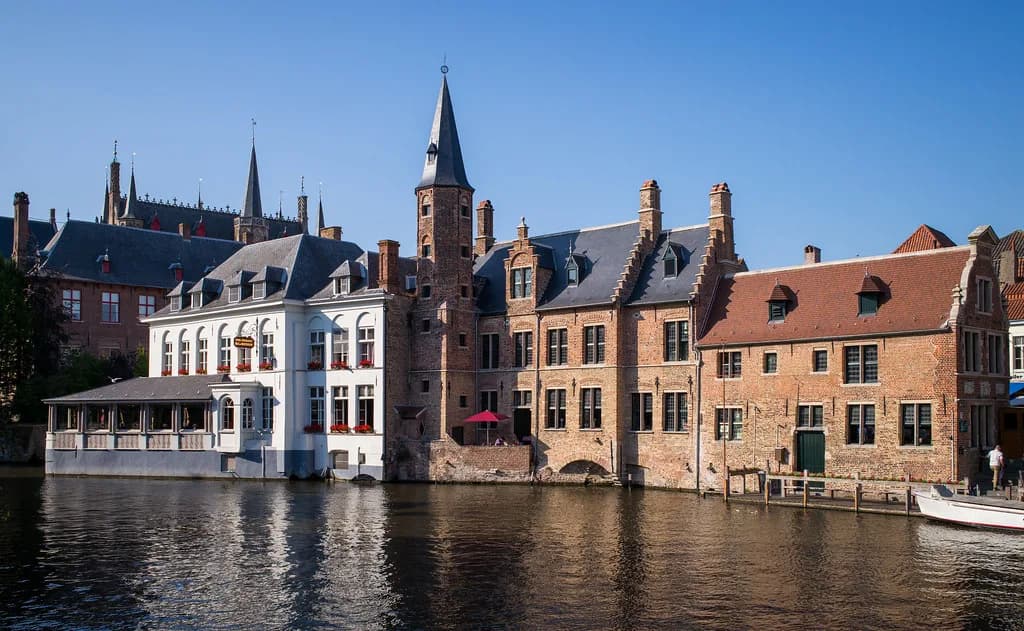
December transforms Bruges into a medieval winter scene: canals bordered by guild houses, facades traced in Christmas lights, and the scent of mulled wine drifting across the Markt. That picture-postcard setting comes with a demanding climate—short days, persistent dampness, and a chill that can feel raw when wind moves through the narrow streets. Dressing for these realities, rather than just the scenery, makes the difference between a memorable trip and a shivery one.
The historic city is wonderfully walkable, but the cobbled lanes and open squares are often damp or frosted in December, so your clothing and footwear need to cope with rain, possible snow, and slippery surfaces. A thoughtful layering system lets you move easily between the outdoor Christmas market, unheated medieval churches, and candlelit restaurants. Think of your suitcase as a kit for thermal control built around warm, practical pieces.
Free: The Ultimate Packing Cheat Sheet
A carry-on capsule wardrobe, the complete packing checklist, layering made simple, and what to wear by season — one printable page you'll use on every trip.
December weather: what to plan for
Travel-fashion guidance for Belgium in winter notes that proper winter clothing is necessary, with temperatures that often sit in the 0–10°C (32–50°F) range, so that is a useful baseline for December. The climate is less extreme than that of nearby Scandinavian countries, but the persistent damp and winter wind make insulation and water resistance non-negotiable. Rain is a frequent companion, and snow, when it falls, rarely lasts long and often turns into gray slush underfoot.
Days are short, so you will likely find yourself outdoors in the dark by late afternoon, when the temperature falls and the chill deepens. These are historical tendencies rather than a forecast—some December days are crisp and clear, while others bring drizzle or fog. Before you leave, check a reliable short-term forecast to finalise details such as whether to add an extra thermal layer or choose a more robust waterproof shell.
Layer up: thermal, knit, and a warm coat
Layering is key when travelling to a cold and often wet climate, so build your system with pieces that can be added or removed as you move between outdoor squares and heated interiors. Start with a thermal base layer in merino wool or a synthetic fabric that wicks moisture away from your skin, especially if you plan to walk between sights during the day.
Over the base layer, wear a chunky woollen sweater or fleece for insulation, and finish with a long coat that covers your hips to keep your core warm in the open air. Down or down-alternative options offer excellent warmth without the weight of a heavy overcoat. Because many historic buildings, including churches, are unheated, you will appreciate being able to peel down to your knit layers for short periods of exploration.
Footwear for cobblestones and wintry slush
The entire historic centre of Bruges is covered in cobblestones, and with constant walking plus a combination of rain, frost, and occasional snow, your footwear matters enormously. Leave heels of any height at home; even a substantial heel can be uncomfortable and risky on these uneven, frequently slippery surfaces. As one style-focused travel guide notes, this city is all about flats.
Choose waterproof ankle boots with a rugged, non-slip sole that can handle cold and rain, as well as the gray sludge that melting snow can leave behind. Belgium-focused guidance advises that snow, although it usually does not last long, can turn quickly, so boots or sturdy sneakers should be waterproof with a sole that gives you grip. If your favourite boots are not fully waterproof, treat them with a protective spray before you travel and bring a couple of pairs of wool socks for swapping out during long days on foot.
Warmth for hands, neck, and head
Belgians rarely leave the house without a scarf, even in summer, and in December a generous wool wrap becomes your shield against the wind that funnels down the streets. A beanie that covers your ears, worn under a hood if needed, keeps heat from escaping while you browse the market stalls. Insulated gloves—ideally ones that let you use your phone or handle cash without removing them—are essential for outdoor time.
Rain is both frequent and unpredictable, sometimes arriving as a short shower on an otherwise bright day, so packing a compact umbrella is always a good idea in Belgium. Keep it accessible in the top of your day bag rather than buried at the bottom. A crossbody bag is a practical choice for keeping your hands free and your belongings secure while you are moving through the stalls and crowds.
Build a December outfit for market days
A practical outfit for a day that takes you from the canal paths to the Christmas market: thermal leggings under your jeans, a long-sleeve shirt, a chunky knit sweater, and your insulated coat. Add the beanie, scarf, and gloves, plus your waterproof boots. This combination keeps you comfortably warm outdoors and lets you adjust easily when you step into a café for hot chocolate or a bowl of Flemish stew.
Belgians tend to favour a classic, understated style in winter, and dark-toned neutrals have the practical advantage of hiding splashes from damp streets better than pastels or bright holiday prints would. That said, there is no single uniform: the decision to blend in is personal, and your comfort matters more than fitting an imagined local mould. Use the weather as your guide, and pack pieces in your usual palette that coordinate into a small number of outfits.
Evening wear: smart-casual without the bulk
For a dinner reservation or a late drink in a candlelit bar, you need not bring formal wear. Dark jeans or tailored trousers paired with a fine-gauge knit or a turtleneck under a blazer strike the right note for Bruges' smart-casual ethos. Swap your daytime coat for a wool overcoat if you have room, or keep the same one if it looks polished enough for the evening.
Use accessories—a silk scarf, or simple jewellery—to shift your look without adding weight to your luggage. One pair of dressy but comfortable boots can cover both day and evening. For those planning to extend their stay into the new year, our guide to What to Wear in Bruges in January covers the essentials for that month's colder conditions. Every extra layer you pack should earn its space, so aim for versatile pieces that mix well.
What to leave behind in December
To keep your case light and your trip comfortable, leave out the items that will not work in December's wet cold: delicate heels, light jackets like denim which offer little insulation when wet, and trousers in light colours that will demand constant cleaning. Multi-day itineraries in this weather favour dark, stain-resistant fabrics that survive puddle splashes and snowy sidewalks.
You can also skip multiple bulky accessories if you choose one scarf, one hat, and one pair of gloves in a colour that works with several outfits. A quality smartphone will serve for most photography, so you probably do not need heavy camera gear unless you are a serious photographer. Focus your packing on function and warmth, and you will give yourself the freedom to enjoy Bruges no matter what the weather does.
Final packing notes
Your core packing list for a December escape to Bruges should centre on a thermal base layer, a warm knitted mid-layer, and an insulated, preferably water-resistant coat that reaches your hips. Pair this with waterproof boots with good grip, and top it off with a wool hat, scarf, and gloves. Add comfortable, well-fitting jeans or trousers in dark tones, and you have the foundation for any day out.
Before you zip up your suitcase, check a reliable weather forecast for the exact dates of your stay to fine-tune your selections, such as packing an extra fleece if a cold snap is expected. The goal is to stay warm and dry while you wander the festively lit streets, climb the belfry, or settle into a café for a warm drink. With the right gear, December in Bruges is a joy rather than a chill.
Frequently Asked Questions
Is Bruges in December very cold?
Yes, December in Bruges is typically cold and damp, with temperatures historically often ranging from near freezing up to about 10°C (50°F). A sharp wind and high humidity can make it feel colder, so warm layers and a good coat are essential.
Does it snow in Bruges in December?
Snow is possible but not guaranteed in December, and when it falls it does not usually last long; it often turns into gray slush. Rain and overcast skies are more common, but the forecast closer to your visit will give a better idea for the specific dates.
What are the best shoes for walking around Bruges in December?
Waterproof ankle boots with a rugged, non-slip sole are the best choice for the cobblestones and for coping with rain and possible slush. Avoid heels, as the uneven, damp surfaces make them impractical and risky.
Do I need to dress up for restaurants in Bruges in winter?
Smart-casual is the norm rather than formal wear. Dark jeans or trousers with a fine-knit sweater or turtleneck work for most restaurants and bars. Layering means you can adapt to the changing temperatures as you move between venues.
Sources
Free: The Ultimate Packing Cheat Sheet
A carry-on capsule wardrobe, the complete packing checklist, layering made simple, and what to wear by season — one printable page you'll use on every trip.
You might also like


Continue reading
More guides you'll find useful