What to Wear in Como in February: Packing Guide
Plan your February trip to Lake Como with our packing guide. Warm layers, waterproof boots, and elegant outfit ideas for cold, damp lakeside days.
On this page
Como in February: the weather in numbers
Typical February conditions from 30 years of daily weather data, split into early, mid and late month so you can match them to your travel dates.
| Dates | Early Feb (1–10) | Mid Feb (11–20) | Late Feb (21–28) |
|---|---|---|---|
| Afternoon high | 8°C (47°F) | 9°C (48°F) | 10°C (50°F) |
| Night-time low | 0°C (32°F) | 0°C (32°F) | 1°C (34°F) |
| Feels like (afternoon) | 5°C (41°F) | 6°C (42°F) | 7°C (44°F) |
| Range of afternoon highs | 4–12°C | 4–14°C | 5–15°C |
| Days with rain | 3 in 10 days | 2 in 10 days | 3 in 10 days |
| Days with snow | 1 in 10 days | 1 in 10 days | 1 in 10 days |
| Afternoon humidity | 52% | 49% | 50% |
| Average wind | 6 km/h | 6 km/h | 6 km/h |
| Daylight | 9.7 h | 10.1 h | 10.6 h |
What this means for your suitcase
- Cold days: a winter coat, hat, gloves and a thermal base layer.
- Cold nights can dip below freezing — pack a hat and gloves.
- Showers on roughly 3 in 10 days — a packable rain jacket or compact umbrella.
- Day-to-day swings: afternoon highs range from about 4°C to 14°C, so pack for both.
Travelling on specific dates? Use our What to Wear Planner for the weather, outfits and a packing list for your exact days in Como.
Averages for 1991-2020, modelled from Copernicus ERA5-Land and ERA5 reanalysis via Open-Meteo open data (CC BY 4.0), adjusted to Como's elevation. Modelled afternoon highs can read 1–2°C below airport weather-station records.
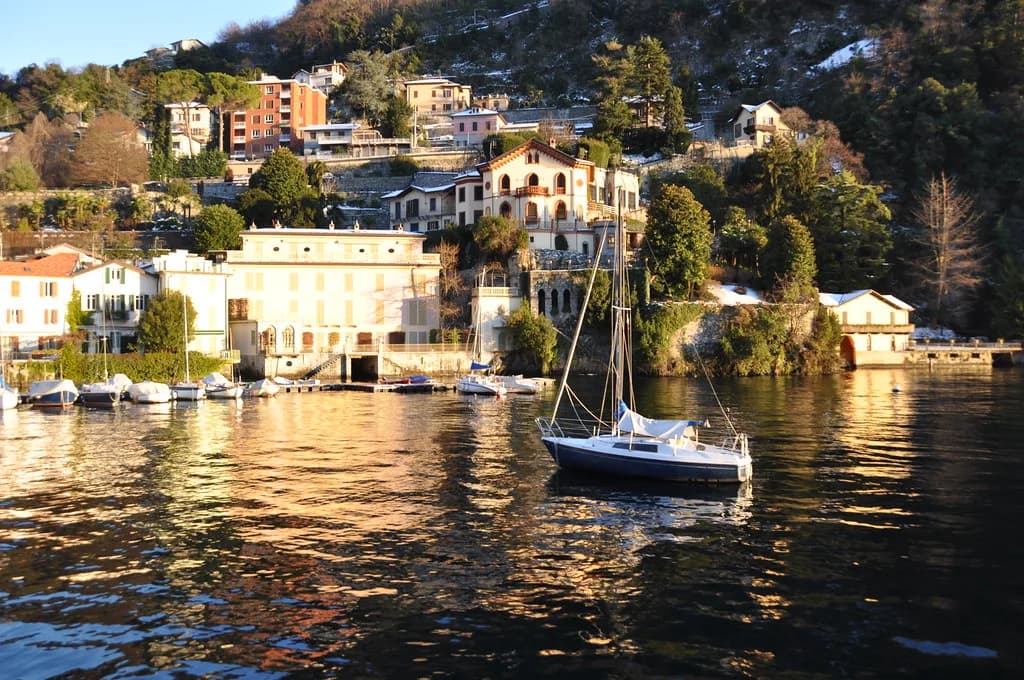
February on Lake Como is a study in contrasts: the quiet, moody beauty of a winter lake, the chill of damp air, and the possibility of Carnival festivals in nearby towns. Your wardrobe for Como this month is less about bold fashion statements and more about intelligent layering that can handle cold, wet weather while still looking effortlessly put together. Pack carefully, because a February trip to Como rewards you with near-empty cobblestone streets and a secret, misty atmosphere that summer visitors never see.
Unlike a ski holiday, your packing list for Como in February must serve multiple purposes: long lakeside walks, coffee breaks in historic cafés, exploring villas, and possibly an evening out for Carnival or a performance. Since the weather typically hovers around the low to mid-40s Fahrenheit (4–8°C), with occasional frost and rain, your clothing needs to be warm, water-resistant, and versatile.
Como's February Climate: Cold, Damp, and Overcast
Historic climate data for Lake Como's winter months shows average daytime temperatures ranging from 4–8°C (39–46°F), with February typically on the cooler end of that scale. While exact snowfall at lake level is rare, the surrounding mountains do see snow, and you may encounter frosty mornings, fog, and occasional rain showers that make the air feel colder than it is.
The dampness from the lake and the lack of strong winter sun mean that temperatures in the low to mid-40s can feel quite chill, especially when you're walking along the waterfront. Linda on the Run, a travel blog covering Lake Como outfits for every season, notes that November through February sees temperatures hovering between 40–50°F (4–10°C), so you should expect conditions closer to the lower end for February visits.
Because weather patterns can be unpredictable, always check the forecast closer to your departure, but use these historical tendencies to guide your packing. Warm layers, waterproof shoes, and a good coat are repeatedly advised for cold, damp winter conditions, so prioritize those items in your suitcase.
The Packing Philosophy for a February Visit
When packing for Como in February, think in terms of a three-layer system: a moisture-wicking base layer, an insulating mid layer such as wool or cashmere, and a weatherproof outer layer. This approach lets you adapt to changing conditions, from a crisp morning walk to a warmer afternoon indoors.
While you might not need serious winter gear, the damp cold can be deceptive, so it's wise to prioritize fabrics like merino wool, cashmere, and thermal knits that retain warmth even when damp. In addition, the region's style leans toward timeless elegance, so your layers should be cohesive and polished rather than purely functional, helping you blend into the sophisticated atmosphere of Como.
Core Layering System: Base, Mid, and Outer
Select base layers in merino wool or a synthetic blend that fits closely to the skin and wicks moisture. These provide warmth without bulk and are comfortable to wear for long periods, whether you're walking or sitting in a café.
For mid layers, focus on fine-knit turtlenecks, crewneck sweaters, or cardigans in wool, cashmere, or a wool blend. These pieces are often the visual core of your outfit, so choose colors like camel, cream, charcoal, and navy that coordinate easily and photograph well against the lake's soft winter light.
Carry at least two or three sweaters for a five-day trip, allowing you to alternate and re-wear them between laundry days. A lightweight packable down vest or a quilted jacket can serve as an extra insulating layer on the coldest days.
Outerwear: Wool Coat vs. Insulated Jacket
Your outer layer is your primary defense against rain and wind, so choose wisely. A long wool coat offers the most elegant look, but it is not fully waterproof; it will repel light drizzle but can become heavy if soaked through.
A better choice for February is a water-resistant insulated jacket, such as a trench with a removable lining or a packable down coat. These provide better protection from rain and snow, and they can be layered over a blazer for a dressier evening event without compromising on warmth.
If you want the elegance of a wool coat, consider one with a water-repellent treatment or carry a compact travel umbrella to keep rain off. Alternatively, you can buy a stylish and functional jacket from brands that specialize in technical outerwear, ensuring you stay dry and warm during lakeside walks.
Footwear: Waterproof Boots and Traction
Waterproof boots with good traction are essential for Como's wet cobblestones and potential slush. When walking along the lake or through town, you'll encounter puddles and slippery surfaces, so a boot with a rubber sole and sealed seams is recommended.
One popular travel guide advises that waterproof boots with good traction are essential for walking on wet or icy surfaces during winter visits. Even if you prefer a more fashionable look, you can find stylish leather ankle boots treated with a waterproof spray to protect them from rain and slush.
For extra insurance, pack a pair of waterproof socks or a compact shoe dryer, which can be a lifesaver if your boots get soaked. Heeled boots are fine for dinner, but keep them low and chunky for stability on uneven stone.
Accessories: Scarf, Gloves, and Umbrella
A warm scarf, gloves, and a hat are non-negotiable for February's cold, damp air. Choose materials like wool or cashmere for scarves, and insulated or lined gloves for flexibility in using your phone.
A compact travel umbrella fits easily into a day bag and shields you from sudden rain showers, which are common. For the coldest mornings, add a pair of thermal gloves and a beanie, but you'll likely remove them when you step indoors, as many buildings and cafes are well-heated.
A silk or cashmere scarf is a good investment because it doubles as a decorative accent and a layer of warmth; you can keep it on inside a chilly church or wrap it around your shoulders at dinner.
Daytime Outfits: Exploring Town and Lakeside
For a day of exploring Como's historic center or taking a ferry across the lake, an outfit of dark jeans or wool trousers, a fine-knit turtleneck, and a waterproof jacket offers a practical foundation. Pair this with your waterproof boots and you're ready for cobblestoned alleys and misty lakeside paths.
A stylish alternative is a long-sleeve knit dress with opaque tights, tall boots, and a belt coat, creating a polished silhouette that works for a café lunch and a visit to a villa. Layering with a packable down vest or a puffer jacket adds warmth without altering your look.
If you expect a drier day, you can swap the waterproof jacket for a wool coat, but keep a lightweight umbrella in your bag just in case. Remember to plan for comfortable walking; some streets and paths are uneven, so choose supportive footwear.
Evening and Dressier Occasions: Possibly Carnival or an Opera
February is sometimes the season for Carnival, with celebrations in nearby towns and possibly in Como itself, so packing one outfit that can take you from a daytime museum to a festive dinner is practical. No specific dress code applies to those events, but many visitors like to be a bit more polished after dark.
A slip dress or a satin midi skirt paired with a fine-knit top and tights can work, but you may find a wool or cashmere sweater dress simpler and equally elegant. Add heeled boots and statement earrings to elevate the look.
For opera or classical concerts, men might pack a blazer or a dark suit, while women might choose a cocktail dress or a smart dress with a jacket. However, you should always check the specific venue's website or local event listing for any stated requirements before you go; do not assume a strict dress code.
What Not to Pack: Ski Gear and Unnecessary Items
Leave the full ski ensemble behind unless you're planning to spend time in the mountains for winter sports. Around the lake, you'll need more moderate layers, and bulky ski jackets and pants will be overkill for town exploring.
Also unnecessary are heavy boots built for deep snow, as well as summer items like linen dresses and sandals, which won't suit the temperatures. Instead, focus on packable, versatile pieces that you can mix and match, making your suitcase lighter and your outfit choices easier.
A 5-Day Packing Example
For a five-day trip to Como in February, aim to pack light but effective. This list covers the essentials: 1 pair of waterproof boots, 1 pair of comfortable sneakers or ankle boots for drier days, 3 sweaters or fine-knit tops, 2 pairs of jeans or wool trousers (plus leggings/tights), 1 knit dress, 1 thermal base layer top and bottom, 1 waterproof jacket, 1 wool coat for cooler evenings, 3 scarves (for warmth and style), gloves, beanie, umbrella, plus accessories and makeup.
Choose pieces in a coherent color palette like navy, camel, charcoal, and cream to maximize outfit combinations. You can wear each sweater multiple times and layer them over different bases for variety. If you're unsure about dress codes, stick to smart-casual pieces you can dress up.
Before You Go: Checking the Forecast and Final Adjustments
Before you leave, check a reliable weather forecast for Como for your travel dates, because actual conditions can deviate from historical averages. Your packing might need a heavier down jacket or extra thermal layers if a cold snap is predicted.
Also verify whether your accommodation provides laundry facilities, which might let you pack fewer items. If you plan to attend a specific event like a Carnival parade or an opera, confirm the weather and any dress code through official sources, but remember that even guidebooks can't predict the forecast precisely.
Plan Your Visit
A February trip to Lake Como is best enjoyed with a smart layering system and waterproof footwear to keep you warm and dry. While the exact weather may vary, dressing for cold, damp conditions ensures you can explore the misty towns and lakeside promenades without discomfort.
You can also consult our guide to what to wear in Como in January for similar winter packing advice, and check back in spring for March or April essentials as the weather warms.
With your bag packed with layers, you'll be ready to embrace the quiet elegance of Lake Como in winter and enjoy the Carnival festivities if they happen to coincide with your visit.
Frequently Asked Questions
How cold is Lake Como in February?
During February, average daytime temperatures typically range from 4°C to 8°C (39°F–46°F), with cooler conditions at higher altitudes. The damp air can make it feel colder, especially when walking by the lake. Pack warm layers and a good coat to stay comfortable.
Can I wear sneakers in Como in February?
You can wear sneakers, but they should be waterproof to handle wet conditions, puddles, and potential slush. Many travelers recommend waterproof boots with good traction instead, as they keep your feet dry and provide better grip on slippery cobblestones. If you bring sneakers, choose ones with a water-repellent finish.
What is the 3-3-3 rule for clothes?
The 3-3-3 rule is a packing method that suggests taking 3 tops, 3 bottoms, and 3 pairs of shoes for a trip. This forces you to mix and match to create multiple outfits while keeping your luggage light. For a winter destination, you can adapt it by including 3 sweaters, 2 pairs of jeans/trousers, and 1 pair of waterproof boots.
Is a down jacket too much for Como in February?
A down jacket is not too much; it can be a good choice if it's packable and not overly bulky. However, for lakeside towns, a wool coat or a water-resistant insulated jacket may be more versatile. Consider your activities and the forecast before you decide.
Sources
Free: The Ultimate Packing Cheat Sheet
A carry-on capsule wardrobe, the complete packing checklist, layering made simple, and what to wear by season — one printable page you'll use on every trip.
You might also like


Continue reading
More guides you'll find useful