
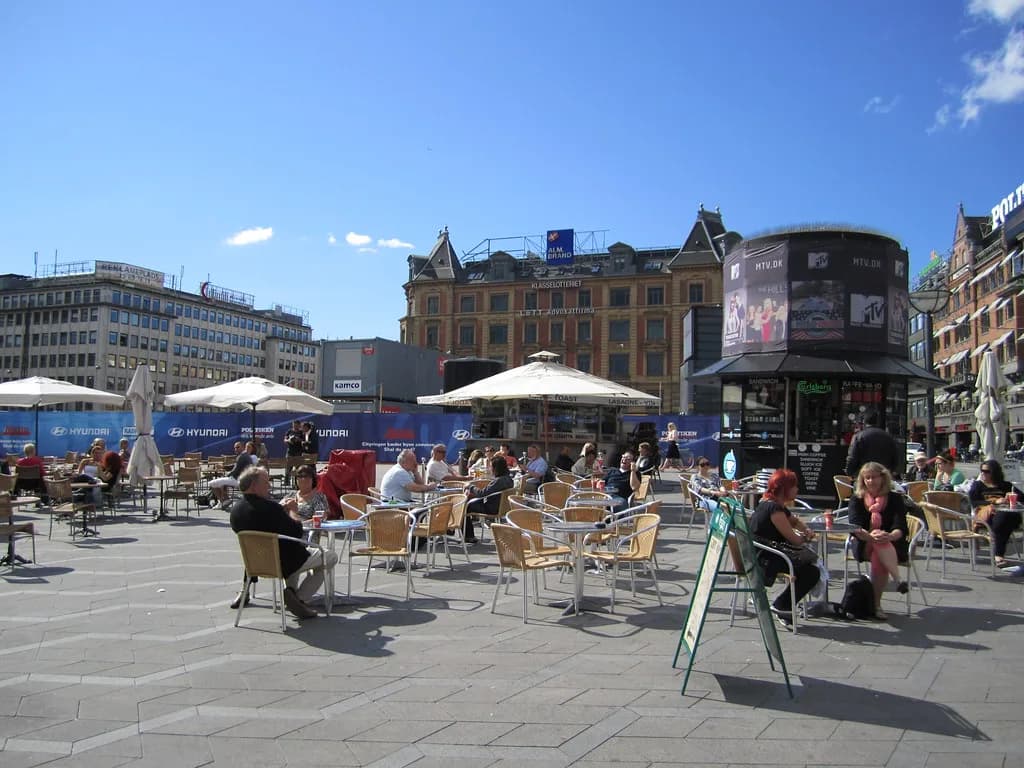
What to Wear in Copenhagen in February: A Winter Packing Guide
February in Copenhagen is cold, wet, and windy. Discover what to wear with this guide to layering, waterproof footwear, and warm accessories for your winter trip.
On this page
What to Wear in Copenhagen in February: A Winter Packing Guide
February in Copenhagen is historically the coldest and bleakest time of the year, with short days and long nights. The damp air off the Baltic Sea carries a chill that seems to cut through ordinary winter clothing, while frequent rain and wind make conditions feel even more biting. Despite the grayness, the city retains a moody charm with cozy cafés and glowing windows, but enjoying it requires dressing for the weather.
The key to a comfortable visit is staying dry as much as staying warm. Freezing rain is common, and sidewalks can turn slick with ice or puddles. So, the right wardrobe focuses on waterproof layers, insulated boots, and wool accessories.
Free: The Ultimate Packing Cheat Sheet
A carry-on capsule wardrobe, the complete packing checklist, layering made simple, and what to wear by season — one printable page you'll use on every trip.
Understanding Copenhagen’s February Weather
February is typically the coldest month in Copenhagen, with temperatures hovering near freezing and frequent rain or sleet. The city’s coastal position adds a dampness to the air that makes the cold feel more intense, and wind coming off the water can turn a simple walk into a bone-chilling experience. Snowfall is possible but often melts quickly, leaving wet cobblestones and puddles in its wake.
The weather can shift quickly from bright to overcast to rainy within a single day. What feels like a mild morning can turn into a freezing afternoon, so carrying a waterproof layer and having the ability to adjust your clothing is essential. Locals have adapted to this climate, but as a traveler you'll be spending more time outdoors than you might be used to, so plan for more insulation than a local might wear.
The Layering Strategy
Building a functional layering system is the most effective way to stay comfortable in February's variable chill. Start with a thin wool or silk thermal base layer that sits against your skin. These fabrics trap body heat while wicking away moisture, keeping you dry and warm even when you move from freezing streets into overheated shops. Cotton, by contrast, stays damp and cold, so it's worth avoiding in your base layer. A well-chosen base layer makes a world of difference, much as suggested in our What to Wear in Copenhagen in January guide.
On top of your thermal base layer, add a mid-layer such as a wool sweater or a fleece. This is your insulation, and you can remove it inside if you start to overheat. Finish with a windproof and waterproof outer shell or a warm parka with a water-repellent finish. With this three-layer system, you can adjust to any temperature drop or indoor heating situation with ease, a fundamental part of any What to Wear in Copenhagen packing list.
For a trip of a week or less, a few interchangeable pieces are enough: two or three thermal tops and leggings, two wool sweaters, and a versatile coat. You can rotate the base layers and let them air out between wears, so you don't need to overpack.
Choosing the Right Coat and Jackets
Your outermost layer is your shield against the elements. A down or synthetic-down parka is excellent for extreme cold, but down loses its heat-trapping ability if it gets wet, which is a real risk in February. If your heart is set on a down coat, choose one with a waterproof exterior or plan to wear a separate hard shell over it. A better all-round choice is a waterproof shell with a breathable membrane, or a ski jacket that combines wind resistance with a weatherproof face fabric. Danish locals often recommend avoiding down in wet weather because it gets wet and loses insulation.
Hoods are non-negotiable in February; they protect your neck and head from wind-driven rain. Look for a coat that covers your hips and has cuffs that fit snugly over your sleeves. If you own a wool coat that is stylish but not waterproof, consider wearing a packable rain jacket over it on wet days—it's a practical layering approach that keeps the style and adds function.
Pants and Bottoms
Your legs need protection from cold and splashback from puddles. Dark-colored wool or synthetic trousers are a good choice because they hide dirt and dry quickly if splashed. Avoid jeans, no matter how casually stylish they seem: when wet, they stay clammy and cold for hours. If you want to wear denim, consider moisture-wicking thermal leggings underneath and be prepared to change if you get soaked. Also ensure your pants end at shoe level, as longer hems will pick up water from puddles and become cold and clammy.
For extra warmth, add thermal tights or leggings below your trousers; these are especially useful on days when you'll be outside for extended periods. Look for pants with hems that end neatly at shoe level, since long hems will drag through puddles and wick water up your legs. When heavy rain is forecast, waterproof hiking pants worn over your regular trousers offer the best protection.
Footwear for Wet Cobblestones
Sturdy, waterproof, insulated boots are the cornerstone of a February Copenhagen wardrobe. Many streets are paved with rounded cobblestones that become alarmingly slippery when wet, and puddles form on every corner, so boots with deep tread and a sealed upper are essential. Look for a pair with a wool or fleece lining for insulation, but if you plan to walk for hours, ensure they are comfortable from the start.
Break in your boots before the trip to avoid blisters, and bring both wool socks and a second pair of comfortable shoes if you prefer to give your feet a break. Wool socks are a fundamental companion because they trap warmth even when damp, which is why guides on
Accessories and Extras
No winter outfit is complete without protecting your extremities. A warm hat that covers your ears, a wool or silk scarf that can double as a face covering, and gloves or mittens—preferably with touchscreen tips so you can use your phone without exposing your hands—are all small items that make a big difference. Wool is the material to choose for these accessories, as it insulates even when damp. In fact, wool or silk scarves are essential in Denmark, as they keep your neck warm and can be wrapped up for extra head warmth.
A tote bag or small backpack is invaluable for stashing your hat, scarf, and gloves when you step indoors, as well as for carrying a water bottle, snacks, or any purchases you make during the day. Copenhagen is largely a cashless society, so you won't need to carry a wallet stuffed with notes, but you will not want to juggle belongings with cold hands.
A Week-Long Packing Example
For a seven-day stay, you can keep your luggage lean while staying warm. Pack two or three sets of merino wool base layers, which you can wash in a sink and air dry overnight. Combine them with two wool sweaters and one pair of wool trousers, plus one pair of quick-dry dark pants. For outerwear, choose one warm parka that is either waterproof or can be layered under a packable rain shell.
Accessories should include one wool hat, one scarf, one pair of waterproof gloves or mittens, and at least three pairs of wool socks so you can rotate them while the others dry. If your accommodation offers laundry, you can reduce the number of tops you pack, but remember that clothes take longer to dry in Copenhagen's damp winter air, so synthetic and wool fabrics are your allies.
What to Leave Behind
An umbrella might seem like a sensible piece of rain gear, but the wind in Copenhagen can turn it inside out in a minute. Instead, rely on a raincoat with a hood that stays put, as advice from a
Lightweight footwear and high-heeled boots are a recipe for slipping on wet cobblestones, so leave them at home. Similarly, cotton clothing—jeans, sweatshirts, cotton t-shirts—is a poor choice for winter dampness because it stays wet and cold once soaked. Reserve those for other seasons and choose fast-drying materials instead. Also, if you plan to bring a camera, ensure it has some weather sealing or carry it in a waterproof bag, as constant drizzle can damage sensitive electronics.
Before You Go
Check the weather forecast a few days before departing; it will give you a sense of whether you'll face dry cold or wet and windy conditions. A forecast of heavy rain may push you to pack an extra waterproof shell or waterproof pants, while a dry cold spell would allow lighter insulation.
Remember that forecasts can change rapidly, so a versatile mid-layer that can be added or removed is always a boon. By all means, look at what locals wear—you'll notice a preference for neutral colors and practical fabrics—but ultimately choose what will make you most comfortable, not what seems most fashionable. If you are visiting later in the spring, you might want to see our advice on
Plan Your Visit
Preparing for Copenhagen in February is mostly about accepting that it will be cold, wet, and windy—and dressing accordingly. With a good base layer system, a waterproof outer shell, insulated boots, and wool accessories, you'll be able to explore the city without constant discomfort.
Stay flexible: remember to check the forecast before you leave and adjust your packing to whatever surprises March might be hiding. A little extra wool goes a long way, and being dry makes all the difference between shivering and savoring Copenhagen's winter atmosphere.
Frequently Asked Questions
Is February the coldest month in Copenhagen?
Historically, February tends to be the coldest month of the year in Copenhagen, often bringing temperatures near freezing and a damp chill. However, exact temperatures vary from year to year, so always check the forecast closer to your travel dates.
Do I need a heavy winter coat for Copenhagen in February?
Yes, a heavy coat is essential. Choose a down or synthetic parka that is waterproof or water-resistant, or a breathable shell with a warm mid-layer. Ensure it has a hood for protection against wind and rain.
Are jeans suitable for a February trip to Copenhagen?
Jeans are a popular everyday choice in Copenhagen, but not ideal for wet weather because they take a long time to dry. If you prefer denim, consider wearing thermal leggings underneath and carrying a pair of waterproof over-trousers for rainy days.
What kind of shoes should I pack for Copenhagen in February?
Waterproof, insulated boots with good traction are your best bet. They keep your feet dry in puddles and provide grip on slippery cobblestones. Make sure they're comfortable for long walks, and consider breaking them in before you go.
Do I need to pack thermal underwear for February?
Yes, merino wool thermal tops and leggings are highly recommended. They provide vital insulation without bulk, wick moisture, and can be worn under jeans or other trousers for extra warmth.
Is an umbrella necessary for Copenhagen in February?
While rain is common, the wind often makes umbrellas ineffective. A waterproof coat with a hood or a raincoat over your layers is a more reliable choice. Some travelers bring a compact umbrella, but don't rely on it as your primary rain protection.
Can I dress in layers and pack light?
Absolutely. Layers are your most flexible tool, letting you adapt to changing temperatures and indoor heating. A thoughtful mix of a few quality base layers, sweaters, and a good coat is more practical than an array of bulky clothing.
Are there any specific events in February that affect what to wear?
While we don't speculate on specific events, Copenhagen hosts various cultural activities in winter, such as Winter Jazz, which might involve evenings out in cold weather. Always check the event venue for dress code expectations, but generally, warm layers and smart casual outfits suffice.
Sources
Free: The Ultimate Packing Cheat Sheet
A carry-on capsule wardrobe, the complete packing checklist, layering made simple, and what to wear by season — one printable page you'll use on every trip.
You might also like


Continue reading
More guides you'll find useful