
What to Wear to the Corfu Easter Procession
Plan your outfit for Corfu's Easter processions with our packing guide: modest layers for church, comfortable closed-toe shoes for cobblestones, and a small bag.
On this page
What to Wear to the Corfu Easter Procession
Easter in Corfu is one of Greece's most distinctive celebrations, drawing visitors into the narrow streets of Corfu Town for solemn processions and centuries-old customs. The Easter celebrations here are widely considered unique in Greece, and the town becomes very crowded with visitors from around the world. Between the Epitaph processions on Good Friday and the Botides pot-throwing on Holy Saturday morning, you'll spend long hours standing on cobblestones and moving with dense crowds. Your outfit needs to respect the religious atmosphere while keeping you comfortable from the first band rehearsal to the late-night Resurrection service.
Because the event dates change with the Orthodox calendar, spring weather in Corfu can range from warm sunshine to cool, rainy spells. April is mild but unpredictable, with rain possible, so a practical approach is to plan layers you can add or remove as the temperature shifts between daytime and evening processions. Always check the local forecast a few days before you travel, as conditions can change quickly.
Free: The Ultimate Packing Cheat Sheet
A carry-on capsule wardrobe, the complete packing checklist, layering made simple, and what to wear by season — one printable page you'll use on every trip.
Understanding the Procession and Why Layers Matter
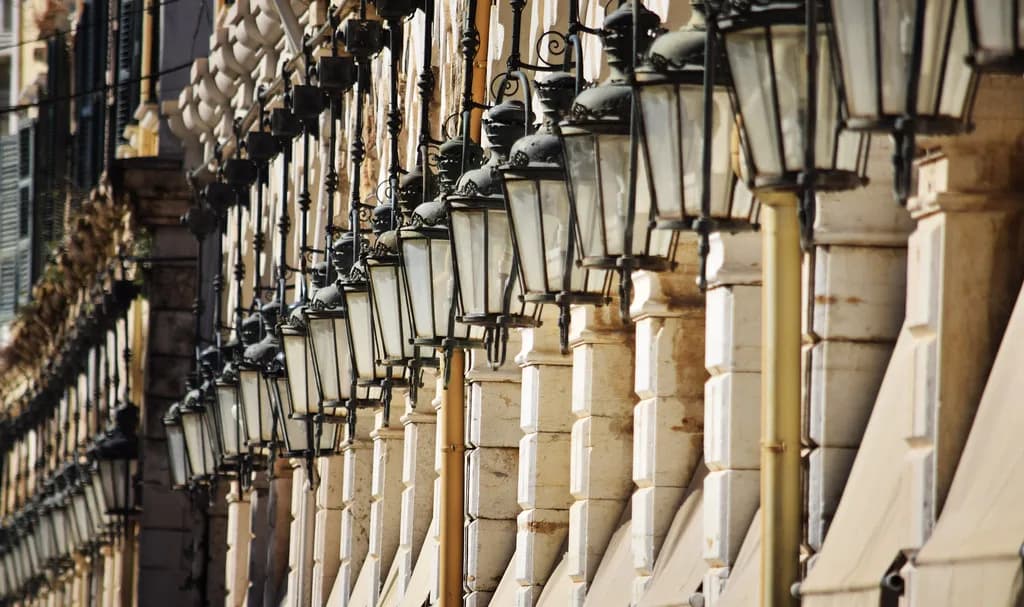
On Good Friday, several Epitaph processions leave from churches across Corfu Town, each accompanied by a philharmonic band playing funeral marches. Crowds line the streets and follow the processions through the Liston arcades and the Spianada, stopping for extended periods as the bands pause. You'll be on your feet for hours, often standing in one spot waiting for the next procession to arrive, so your clothing needs to let you move easily through the crowd.
The liturgical schedule spans several days, and temperatures drop noticeably after sunset. A lightweight merino or synthetic base layer under a shirt or dress lets you peel off layers if the afternoon sun warms the stone streets, then add them back for the evening processions. Choose fabrics that resist wrinkles and pack small, since you'll likely be staying in a compact hotel room and carrying your layers with you throughout the day.
Modest Dress for Church and Processions
Greek Orthodox churches and processions place a high value on modesty, and it's customary to cover your shoulders and knees when entering a church. This is an editorial suggestion based on common practice rather than a written rule, but wearing a blouse with sleeves and trousers or a long skirt will help you move seamlessly between the street and the church interiors. A lightweight scarf or pashmina is a versatile addition, serving both as a shoulder cover and a layer against the evening chill.
Avoid shorts, sleeveless tops, and very short skirts or dresses. While you might see some visitors in casual wear, dressing modestly shows respect for the religious nature of the event and helps you feel comfortable in the reverent crowds. Opt for fabrics that breathe, like cotton or linen blends, since you'll be close to other people for long stretches and the spring sun can feel warm.
Footwear for Cobblestones, Crowds, and Botides Shards
Corfu Town's Old Town is paved with smooth stone and cobblestones that become slippery with moisture and worn by centuries of foot traffic. You'll be standing for hours and navigating uneven surfaces, so closed-toe shoes with good arch support are non-negotiable. Sneakers or sturdy walking shoes are ideal; avoid heels entirely, as they sink into gaps between stones and make you unstable in crowds.
After the Botides pot-throwing on Holy Saturday morning, broken ceramic shards litter the streets, so closed-toe shoes become a safety necessity, not just a comfort choice. As travel advisers for the area note, after the Botides, shards of pottery litter the streets, making closed-toe shoes a must. Choose shoes with a sole that grips well and can handle occasional dampness. If rain is forecast, consider water-resistant leather or treated fabric, and bring a second pair of shoes so you can rotate and keep your feet dry.
Layering for Cool Spring Weather
Spring in Corfu is mild but changeable, with daytime temperatures in April roughly in the mid-teens to low 20s Celsius (60s to 70s Fahrenheit) and cooler evenings that can dip to around 10°C (50°F). These are historical tendencies rather than specific forecasts. Pack a mid-layer such as a fleece or light sweater, and top it with a waterproof jacket that can be easily packed into a small pouch when not needed.
A scarf or shawl is a surprise essential: it adds warmth when the wind picks up, protects your shoulders if you enter a church without a jacket, and can double as a head covering if you wish to participate more fully in the Orthodox tradition. Consider a packable down or synthetic-insulated vest as an alternative to a bulky coat, as it allows freedom of movement while retaining heat during the long evening procession waits.
Carrying Essentials in Crowds
A small cross-body bag is the smart choice for processions, keeping your hands free for holding a candle or a child's hand while the crowds push gently forward. Opt for a bag with a zip closure to secure your phone, camera, and hotel key, and choose a strap that won't slip off your shoulder under a coat. Avoid backpacks, which can bump into others and are difficult to access in tight spaces.
Pack only the essentials: a small water bottle, tissues, a compact umbrella if rain is possible, and a power bank to keep your phone charged through a long day of photography. Leave excess cash and valuables in your hotel safe, as you'll likely be out from mid-afternoon until late evening. Many locals carry small candles to hold during the processions, but you can easily purchase one on the street from vendors.
Sample Packing List for a Few Days of Easter Events
For a four- to five-day Easter trip focused on processions, plan around one base outfit that you can mix and match. A pair of dark jeans or comfortable trousers pairs with a long-sleeve blouse for church events, then transitions to a lighter t-shirt during daytime exploring. Bring one dress or smart-casual outfit if you plan to join locals for the festive Easter Sunday meal, leaning toward modest cuts and longer hemlines.
In your luggage: two to three tops, one light sweater, a waterproof jacket, a scarf, two pairs of comfortable closed-toe shoes, and a small cross-body bag. Add a hat and sunglasses for the bright spring sun during daytime celebrations. Plan to do a sink wash or use hotel laundry for any items that need refreshing, keeping your suitcase light enough to navigate the Old Town's narrow streets and stairs.
What to Leave Behind
High heels, delicate sandals, and new leather shoes that haven't been broken in will turn the cobbled streets into a painful tour. Similarly, leave bulky umbrellas at home; a compact travel umbrella fits in your cross-body bag and won't poke other spectators when closed. Skip large tote bags or daypacks that you can't easily hold close, and avoid flashy jewelry that draws attention in crowded spaces.
Don't pack formal evening wear unless you have a specific reservation requiring it, as most events are outdoor processions and informal church services. The focus is on religious observance and street celebration, not on cocktail parties, so smart-casual and comfortable layers will serve you best. If you're planning to visit multiple churches, a pair of non-marking soled shoes is a considerate choice, as some old floors are polished.
Checking the Weather Before You Go
A week before departure, start checking a reliable weather app for Corfu Town, looking at both daytime highs and overnight lows. As you finalize your packing, adjust the weight of your layers based on the latest forecast, adding a warmer jacket or an extra sweater if temperatures are predicted to be cooler than average. Since Orthodox Easter falls anywhere from April to early May, the weather can vary significantly from year to year.
On the actual days of the processions, do a last-minute check before heading out, as spring showers can arrive quickly. Even if the forecast is clear, keep your waterproof layer in your bag, as evening temperatures drop and a light drizzle is not uncommon. And remember, the exact procession times vary by year and parish, so confirm the schedule at your hotel or the local tourist office once you arrive, and plan to dress in your layers for both daytime and evening events.
Plan Your Visit
Choosing what to wear for the Corfu Easter procession comes down to three pillars: respect for the religious tradition, comfort for hours of standing on stone, and adaptability to spring's changeable moods. With covered shoulders and knees, sturdy closed-toe shoes, and a well-layered outfit, you'll be ready to fully immerse yourself in the moving Epitaph processions and the joyful crash of the Botides.
Before you zip your suitcase, check the current weather forecast and consult our broader Corfu packing list for destination-wide advice. And if your Easter trip extends into May or you're planning a return visit, explore our month-by-month guides like What to wear in Corfu in May or What to wear in Corfu in June to refresh your packing strategy. The key is to stay flexible, dress respectfully, and let the extraordinary atmosphere of Corfu's Holy Week be the highlight.
Frequently Asked Questions
What should I wear to the Corfu Easter procession?
For the Corfu Easter processions, wear modest clothing that covers your shoulders and knees, as a sign of respect for the religious ceremonies. Comfortable closed-toe shoes are essential for walking on cobblestones and standing for long periods. Dress in layers, such as a long-sleeve shirt with a light sweater or jacket, because spring temperatures in Corfu can be cool, especially in the evenings.
Is there a dress code for the Easter procession in Corfu?
While there is no strict written dress code, it is customary to dress modestly for Orthodox religious events, covering shoulders and knees. The processions are active religious ceremonies, so respectful attire is appreciated. When in doubt, choose classic, understated pieces that you might wear to a formal outdoor gathering.
What shoes are best for walking on cobblestones in Corfu?
Sturdy, closed-toe walking shoes or sneakers with good grip are ideal for Corfu's cobblestone streets, especially during the Easter processions when you'll be on your feet for hours. Avoid high heels or flimsy sandals, as they can cause twisted ankles or discomfort. After the Botides pot-throwing, closed-toe shoes also protect your feet from sharp ceramic shards on the ground.
What is the weather like in Corfu during Easter?
Easter in Corfu occurs in spring, typically in April or early May depending on the Orthodox calendar. Historically, daytime temperatures range from the mid-teens to low 20s Celsius (60s to 70s Fahrenheit), with cooler evenings often dipping to around 10°C (50°F). Rain is possible, so packing layers and a compact waterproof jacket is advisable. Since exact conditions vary, always check the forecast closer to your travel dates.
What should I carry with me to the procession?
Carry a small cross-body bag with only the essentials: your phone, a camera, a small water bottle, and perhaps a compact umbrella if rain is forecast. Keep your hands free for holding a candle during the procession or navigating through crowds. Avoid large backpacks or bulky bags that can be cumbersome in tight spaces. Bring a power bank to keep your devices charged for the long evening events.
Sources
Free: The Ultimate Packing Cheat Sheet
A carry-on capsule wardrobe, the complete packing checklist, layering made simple, and what to wear by season — one printable page you'll use on every trip.
You might also like


Continue reading
More guides you'll find useful


