
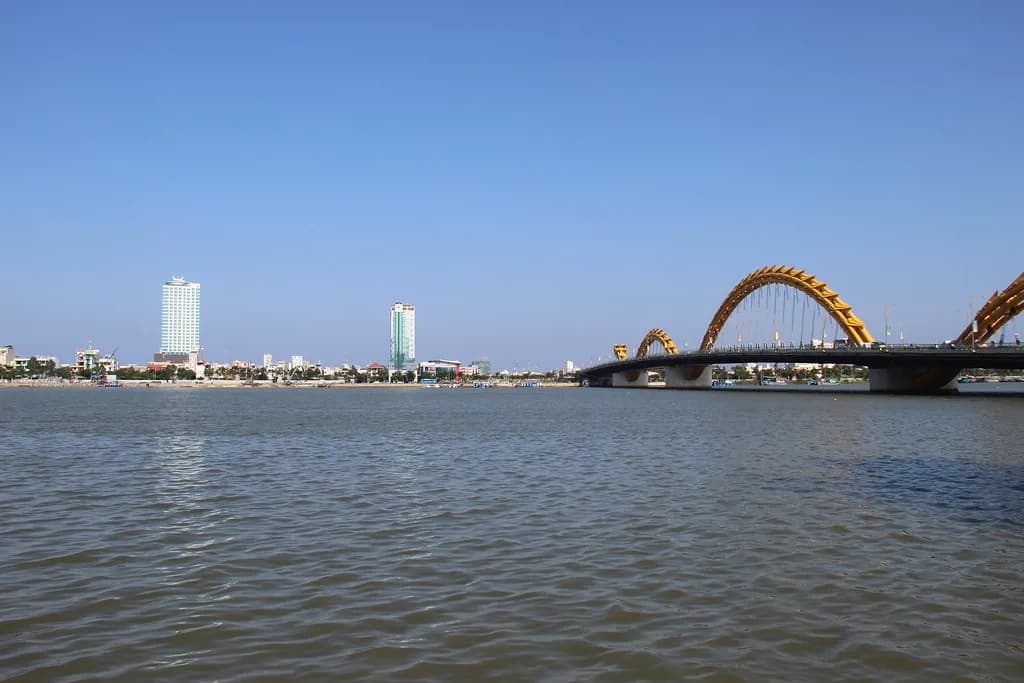
What to Wear in Da Nang in June: Packing for Peak Heat
June is peak dry-season heat in Da Nang, so pack loose linen, UPF sun layers, and two or three swimsuits. Here is what to wear and what to leave at home.
On this page
Da Nang in June: the weather in numbers
Typical June conditions from 30 years of daily weather data, split into early, mid and late month so you can match them to your travel dates.
| Dates | Early Jun (1–10) | Mid Jun (11–20) | Late Jun (21–30) |
|---|---|---|---|
| Afternoon high | 33°C (91°F) | 33°C (91°F) | 33°C (91°F) |
| Night-time low | 27°C (80°F) | 27°C (80°F) | 27°C (81°F) |
| Feels like (afternoon) | 38°C (100°F) | 38°C (100°F) | 38°C (100°F) |
| Range of afternoon highs | 30–35°C | 31–35°C | 31–35°C |
| Days with rain | 5 in 10 days | 5 in 10 days | 5 in 10 days |
| Afternoon humidity | 67% | 65% | 64% |
| Average wind | 7 km/h | 7 km/h | 7 km/h |
| Daylight | 12.9 h | 13 h | 13 h |
What this means for your suitcase
- Hot afternoons: loose, breathable fabrics like linen or cotton, short sleeves and a sun hat.
- Rain on about 5 in 10 days — a waterproof jacket and water-resistant shoes.
- Muggy air — moisture-wicking fabrics beat denim and heavy cotton.
Travelling on specific dates? Use our What to Wear Planner for the weather, outfits and a packing list for your exact days in Da Nang.
Averages for 1991-2020, modelled from Copernicus ERA5-Land and ERA5 reanalysis via Open-Meteo open data (CC BY 4.0), adjusted to Da Nang's elevation. Modelled afternoon highs can read 1–2°C below airport weather-station records.
June falls within Da Nang's historical hot, dry season, a roughly April-to-August window that travel sources describe as the hottest and sunniest part of the year, with strong sunshine and high humidity. Treat that as a seasonal tendency rather than a forecast, because individual days vary and showers can still interrupt a warm week. Everything below is about packing decisions, not sightseeing.
The three choices that shape a June bag are fabric, sun coverage, and footwear. Get those right and most other items fall into place, since heat and humidity punish heavy materials and grip-free soles far more than they punish a small wardrobe. This guide gives editorial suggestions, not rules, and any site-specific requirements should be confirmed with the venue itself.
June in Da Nang: What the Historical Hot, Dry Pattern Means for Packing
Within Da Nang's roughly April-to-August dry season, June is generally placed among the hottest months, with strong sunshine, high humidity, and very high UV levels. Those are historical tendencies, not a guarantee for your travel dates, so the packing logic is to assume long outdoor stretches with intense sun and occasional sudden showers. Plan around comfort over hours outside rather than around a fixed temperature you read months in advance.
High humidity changes the maths of packing because damp fabric dries slowly, and a wet shirt in a closed suitcase overnight is a problem the next morning. Quick-dry and moisture-wicking materials earn their space for that reason, not just for the beach. If your trip includes a hill station such as Ba Na Hills above the city, expect cooler air up there and read the operator's own clothing guidance, since mountain conditions differ sharply from the coast.
Choose Fabrics First: Linen, Cotton, and Quick-Dry Synthetics
Start with linen, cotton, and quick-dry synthetics, and treat heavy denim and thick polyester as items to leave home. Heavier cottons hold moisture, feel clingy after a sweaty walk, and take far longer to dry on a hotel balcony. A loose cut matters as much as fibre content, because air movement across the skin is what keeps you comfortable in humid heat.
For evening and indoor transitions, one light layer of a breathable fabric is worth the space even in mid-summer. It helps in air-conditioned restaurants and transport, and it takes the edge off a coastal breeze after sunset near the water. Editorial suggestion rather than a rule: pick a light cardigan, overshirt, or pashmina that folds flat and weighs almost nothing.
Build a small coordinated palette so every top works with every bottom, which lets you rewear pieces with confidence and pack fewer of them. Neutral tones with one or two accents handle beach time, city meals, and temple visits without a separate wardrobe for each. Practical travel sources make the same point about combining breathable fabrics with versatile pieces rather than packing a distinct outfit per activity.
Outfit Combinations for a Hot, Sunny Day
A workable beach morning is a swimsuit under a loose linen shirt or kaftan, with sandals that tolerate sand and a hat already on your head. The cover-up does double duty, giving sun protection on the walk to the water and enough coverage to step into a cafe for lunch without changing. This coastal stretch around My Khe Beach is the obvious place to test that combination early in the trip.
For a temple or pagoda visit, swap the shorts-only look for lightweight trousers or a skirt that reaches below the knee, plus a top that covers the shoulders, and carry a scarf to drape if needed. That is an editorial suggestion for feeling appropriately covered, not a statement of any site's mandatory dress code, so check current rules with each place before you go. Breathable coverage beats skin-tight coverage in this heat, since both shade and airflow help.
An air-conditioned lunch works best with that same light layer you packed for evenings, because indoor cooling in Vietnam is often strong relative to the outdoor temperature. Keep the day's bag small enough that adding or shedding a layer takes seconds rather than a stop at the hotel. Later, an evening walk along the Han River calls for the same loose clothing, plus a light layer if the breeze picks up.
Sun Protection You Actually Need
Sun protection is the one category where June justifies carrying more than usual: UPF-rated clothing, a wide-brimmed hat, UV-blocking sunglasses, high-SPF sunscreen, and an SPF lip balm. Da Nang's UV index is described as regularly reaching very high to extreme levels through most of the year, so reapplying sunscreen matters even on a slightly hazy afternoon. A long-sleeved UPF shirt is often more comfortable than bare arms plus repeated cream.
A traditional Vietnamese conical hat, widely called a non la, is a light option that shades both the face and the neck, and it packs flat or hangs easily when you are not wearing it. A cap works too, but it leaves the ears and neck exposed unless you add sunscreen there. Whichever you choose, test the brim against your sunglasses so the two do not fight each other.
Pack sunscreen in a size you will actually reapply rather than one tiny tube for the whole trip, and remember that sun exposure at the beach continues after the hottest part of the day. Rash guards or swim shirts are useful for long water sessions, especially for children. Editorial suggestions throughout; nothing here replaces your own judgement about your skin.
Footwear Trade-Off: Sandals vs Closed Shoes
The real footwear decision in June is breathable walking sandals versus closed-toe shoes with grip, and the honest answer is that most travellers need both. Sandals win on hot pavement, beach access, and airy comfort through the day. Closed shoes win the moment you are on a motorbike, climbing uneven stone steps, or walking a wet, slippery path.
If you plan a hike to viewpoints such as the Marble Mountains or Son Tra Peninsula, grip and toe protection matter more than ventilation, and sandals can be genuinely hazardous on wet stone. A common packing mistake is bringing only flip-flops, which are fine at the hotel and on the sand but poor for long walks or stairs. Choose walking sandals with arch support for city days and one pair of enclosed trainers or trail shoes for everything else.
Limit yourself to two functional pairs for most trips and add a third only if evening plans genuinely call for it, since duplicate footwear consumes suitcase space quickly. Water shoes are a reasonable extra if you expect rocky sections at the beach or plan boat time to the Cham Islands. Whatever you bring, break shoes in before departure rather than discovering problems on a hot afternoon far from your hotel.
Swimwear and the Drying Reality in Humid Conditions
Bring two or three swimsuits for a June trip, because high humidity means a wet suit may not dry fully overnight. Two sets let you rotate while one dries; a third is useful if you swim twice in a day or spend long hours near the pool and beach. This is a drying-time calculation rather than a style preference, and practical guides on Da Nang beach time make the same point about swimwear rotation.
A lightweight cover-up such as a sarong, kaftan, or oversized linen shirt lets you move from the water to lunch without changing completely. Pack a separate waterproof bag or pouch for damp swimwear so wet fabric does not soak the rest of your luggage. A quick-dry microfiber towel saves more space than a bulky terry towel and dries between uses.
If your plans include a beach club or resort pool, pack a dry change of clothes in your day bag so the evening does not depend on getting back to the hotel. Venue expectations for dining areas vary and change, so check directly with the club rather than assuming standard swimwear rules apply indoors.
Modest Cover-Up for Temples and Cultural Sites
For pagodas, temples, and similar cultural sites, an editorial default is clothing that covers shoulders and knees, plus a scarf or light layer you can add at the entrance. This is guidance for respectful packing, not a claim that every site enforces an identical rule. Rules can differ by site and can change, so confirm current expectations with the specific place or your tour operator before you visit.
Practical items that make this easy are a long lightweight skirt or loose trousers, a shirt with sleeves, and a large scarf that works as a shoulder cover or a sun shield. In June heat, thin coverage is more comfortable than a heavy wrap, and quick-dry fabrics mean a scarf that gets sweaty can be rinsed and dried quickly.
Light Layer for Air-Conditioned Venues and Evening Breezes
Even in peak heat, a light layer is one of the few clothing items that consistently earns its place, because air conditioning in restaurants, cafes, and vehicles can feel cold after hours in the sun. Use it on the flight and in transit too, where cabin cooling is often stronger than you expect. A pashmina or compact cardigan doubles as extra sun coverage when needed.
The same layer helps on the coast after sunset, when a sea breeze can make a warm evening feel cooler than the thermometer suggests. Keep it at the top of your day bag rather than buried in the suitcase, so adding it never requires a detour. Editorial suggestion only; how much warmth you need is personal.
Daypack Essentials for Heat and Humidity
A reusable water bottle, electrolyte packets, and a portable fan or cooling towel are the core of a June day bag, along with a waterproof pouch for phone and valuables. Hydration salts are frequently named as the item travellers most often forget, because sunscreen gets the attention while internal hydration gets ignored. Planning to refill a bottle rather than buying plastic throughout the day also keeps your bag lighter.
Add a compact rain layer or poncho, because showers can arrive quickly even in the drier part of the year and a soaked day bag ruins an afternoon. A small dry bag or resealable pouch keeps damp swimwear and electronics separated. Keep cash in local currency for small purchases, since card acceptance is not universal at smaller stalls and markets.
A crossbody bag or small secure daypack beats a beach tote for city walking, keeping your hands free and valuables less exposed. If you carry a camera or extra electronics, a waterproof cover is cheap insurance in a tropical climate. Leave expensive jewellery and unnecessary electronics at the hotel rather than carrying them around all day.
A Compact Five-Day Packing Example for June Heat
For five days, a workable capsule is three or four loose tops, two pairs of shorts or a skirt, one pair of lightweight trousers for covered visits and travel days, two or three swimsuits, and one light layer. Add one cover-up, one wide-brimmed hat, sunglasses, and a scarf that works for both sun and shoulders. Two functional pairs of shoes, plus optional water shoes, cover the sandals-versus-closed-shoes trade-off.
Plan to do laundry partway through, either at your hotel or a local service, which is how a five-day bag stays small without repeating the same sweaty shirt. Quick-dry fabrics make sink washing realistic; heavy cotton does not. Pack a couple of packing cubes and a dedicated bag for wet items so damp clothing does not spread through the suitcase.
What to Leave Behind
Leave heavy denim, thick sweatshirts, and bulky knitwear at home; they are dead weight in June's humid heat and slow to dry if they get damp. Skip the third and fourth pairs of shoes unless you have a specific evening plan that requires them. A heavy terry towel is another easy cut in favour of a compact quick-dry version.
Also leave behind items you can buy cheaply and easily after arrival, such as basic T-shirts, flip-flops, simple beachwear, and inexpensive hats. Local shops and markets cover these needs, and buying on the ground saves suitcase space. Keep expensive jewellery, excessive cash, and unnecessary electronics at the hotel rather than carrying them to the beach.
Weather Check Before Departure
Because June tendencies are historical patterns rather than forecasts, check a reliable weather service for Da Nang within a few days of departure and adjust quantities, not categories. Look at the daily high, the overnight low, the UV index, and the chance of showers, and note whether a heat advisory is active. If showers appear in the outlook, make sure your light rain layer and waterproof pouch are in the carry-on rather than checked.
Check your accommodation's laundry options and whether a pool or beach club is part of your plans, since both affect how many swimsuits and quick-dry pieces you need. Confirm any site-specific clothing expectations with the venue itself instead of relying on general advice. A five-minute check before you zip the bag prevents both overpacking and the one gap that is hard to fix on arrival.
How This June Plan Differs From Cooler and Wetter Months
Da Nang's year divides broadly into a drier, hotter stretch and a wetter one, so a June bag is weighted toward sun protection, breathable fabrics, and drying speed. Colder months call for warmer layers and different footwear priorities, and the wetter months shift the emphasis toward waterproofing and non-slip soles. If you are travelling outside June, use the month-specific guidance rather than adapting this list piecemeal.
The biggest practical difference is that this plan assumes you will sweat through clothing daily and that damp items may not dry overnight, which drives the fabric and swimwear decisions. In cooler conditions those constraints loosen and space can go to warmer layers instead. Read the relevant seasonal guide before you pack so the trade-offs match your actual dates.
Plan Your Visit
June in Da Nang rewards a small, breathable, fast-drying wardrobe: loose linen and cotton, quick-dry pieces, two or three swimsuits, real sun protection, and one light layer for air conditioning and evening breezes. Settle the sandals-versus-closed-shoes question by planning both, and keep the day bag stocked with water, electrolytes, a cooling option, and a waterproof pouch. Pack for the season's tendency, then verify conditions close to departure.
Frequently Asked Questions
What should I wear in Da Nang in June?
Loose, breathable clothing in linen, cotton, or quick-dry synthetics works best, paired with sun protection such as a wide-brimmed hat, sunglasses, and high-SPF sunscreen. Bring a light layer for air-conditioned venues and evening breezes, and keep footwear to a pair of walking sandals plus closed shoes with grip. These are editorial suggestions for the season's hot, humid, sunny tendency rather than rules.
Is June too hot to walk around Da Nang?
Many visitors do walk and explore in June, but the sensible approach is to move earlier and later in the day and rest during the strongest sun, carrying water and electrolytes. Loose clothing, a hat, and breathable footwear make longer walks more comfortable. Check the forecast close to your dates, since heat and humidity vary day to day.
How many swimsuits should I pack for Da Nang in June?
Two or three is a reasonable target because high humidity means a wet suit may not dry overnight, so you rotate while one dries. A third helps if you swim twice in a day or spend long hours at the beach. Pack a waterproof bag for damp swimwear so the rest of your luggage stays dry.
Can I wear shorts and sandals to temples in Da Nang?
A common editorial approach is to cover shoulders and knees for pagodas and temples, using lightweight trousers or a long skirt and a scarf you can drape, with sandals that are practical for steps. Rules can differ between sites and can change, so confirm current expectations with the specific place or your tour operator rather than assuming one standard applies everywhere.
Do I need closed shoes in Da Nang in June?
Closed shoes with grip are worth bringing for motorbike rides, uneven stone steps, and hikes such as the Marble Mountains, where sandals can slip on wet or polished surfaces. Breathable walking sandals still make sense for hot pavement, the beach, and long city days. Two functional pairs usually cover both situations.
What should I bring for sun protection in Da Nang?
Pack UPF-rated clothing, a wide-brimmed hat or conical hat, UV-blocking sunglasses, high-SPF sunscreen, and an SPF lip balm. Long sleeves and a rash guard help during extended time in the water or on the sand. Reapplying sunscreen through the day matters, since the city's UV levels reach very high levels through much of the year.
What should I leave behind when packing for Da Nang in June?
Leave heavy denim, thick knitwear, bulky towels, and duplicate footwear at home, and skip expensive jewellery and unnecessary electronics on day trips. Basic clothing, flip-flops, and simple hats are easy to buy after arrival, so they do not need suitcase space. A compact, fast-drying kit suits the heat far better than a large one.
How should I check conditions before I fly?
Look at a reliable weather service for Da Nang within a few days of departure and check the daily high, overnight low, UV index, and shower chance, adjusting quantities rather than the whole plan. If rain appears, move your light rain layer and waterproof pouch into your carry-on. Confirm any venue-specific clothing expectations directly with the site or club.
Sources
Free: The Ultimate Packing Cheat Sheet
A carry-on capsule wardrobe, the complete packing checklist, layering made simple, and what to wear by season — one printable page you'll use on every trip.
You might also like


Continue reading
More guides you'll find useful


