What to Wear in the Hamburg Harbor and Elbe Wind
The Elbe wind makes Hamburg's harbor front feel colder than inland streets. Plan a windproof shell, grippy footwear, and a tight three-day packing list.
On this page
Hamburg's waterfront does not behave like the rest of the city. Walk a short way from a sheltered shopping street to the Landungsbrücken or step onto an open ferry deck and the same outfit suddenly seems inadequate, because wind moving across open water removes heat far faster than still air does. The practical response is not to dress more warmly overall but to dress in layers you can adjust, with a genuinely windproof outer shell doing most of the work.
This guide covers packing decisions for harbor ferries, piers, the Elbphilharmonie plaza, and exposed Elbe viewpoints: the layer system, footwear trade-offs, small accessories, outfit combinations by exposure level, a compact trip-length packing example, and what to leave behind. Check the forecast before you set out and confirm any operator-specific details with the provider.
Why the Harbor and Elbe Waterfront Feel Colder Than Sheltered Streets
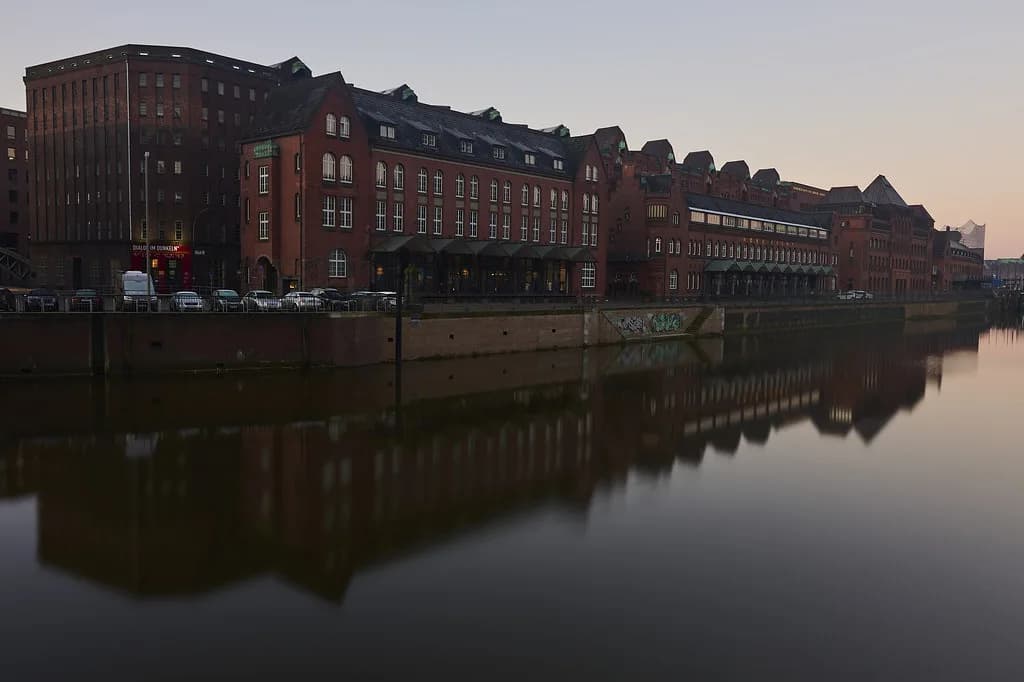
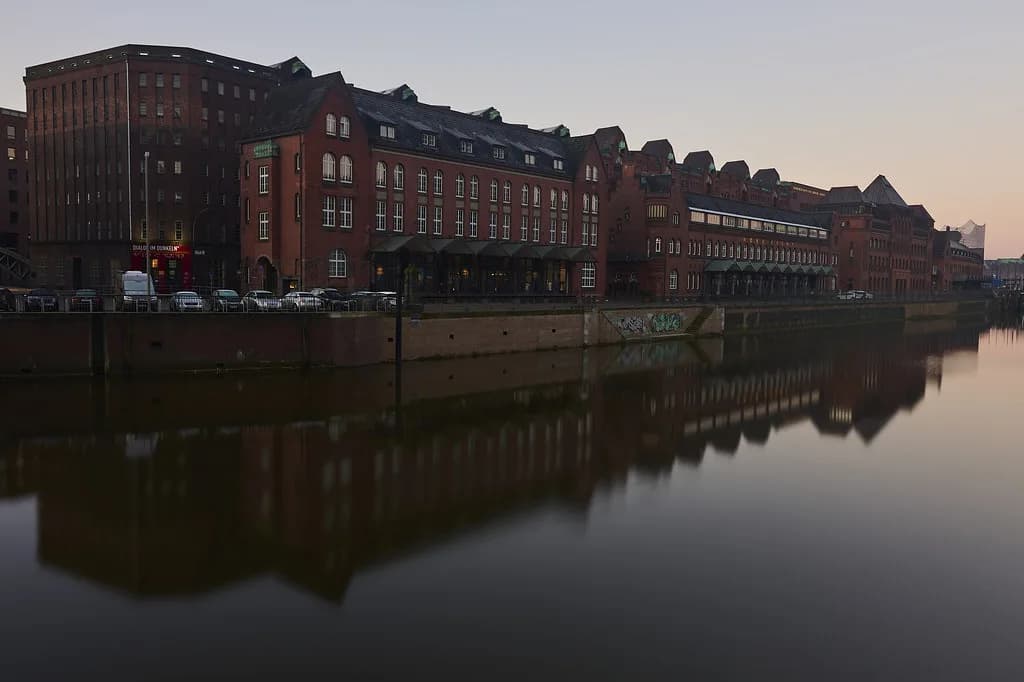
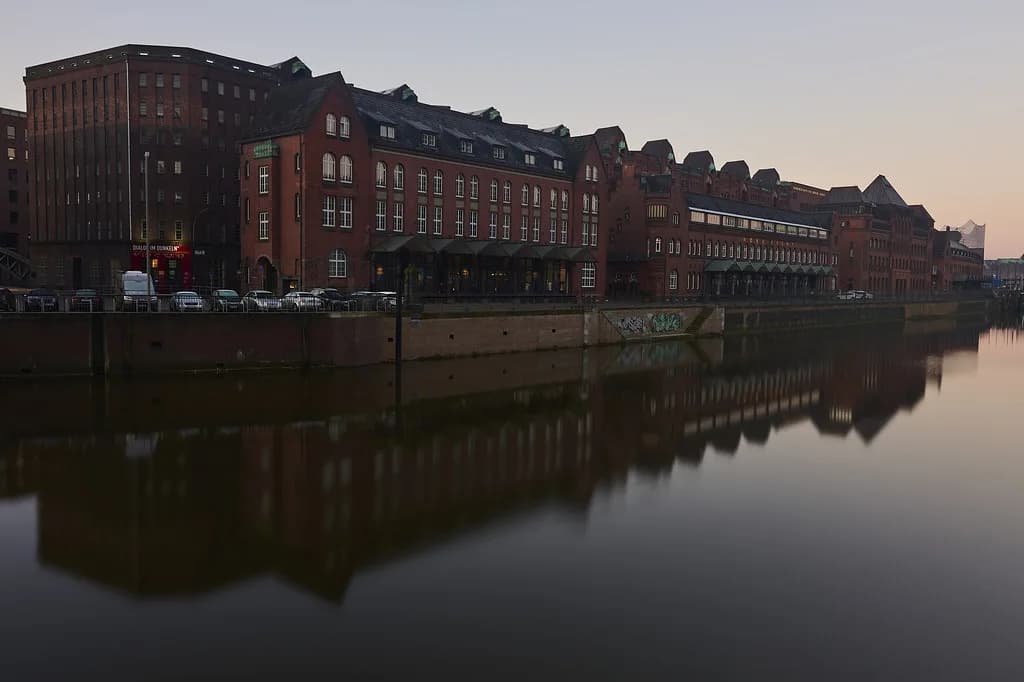
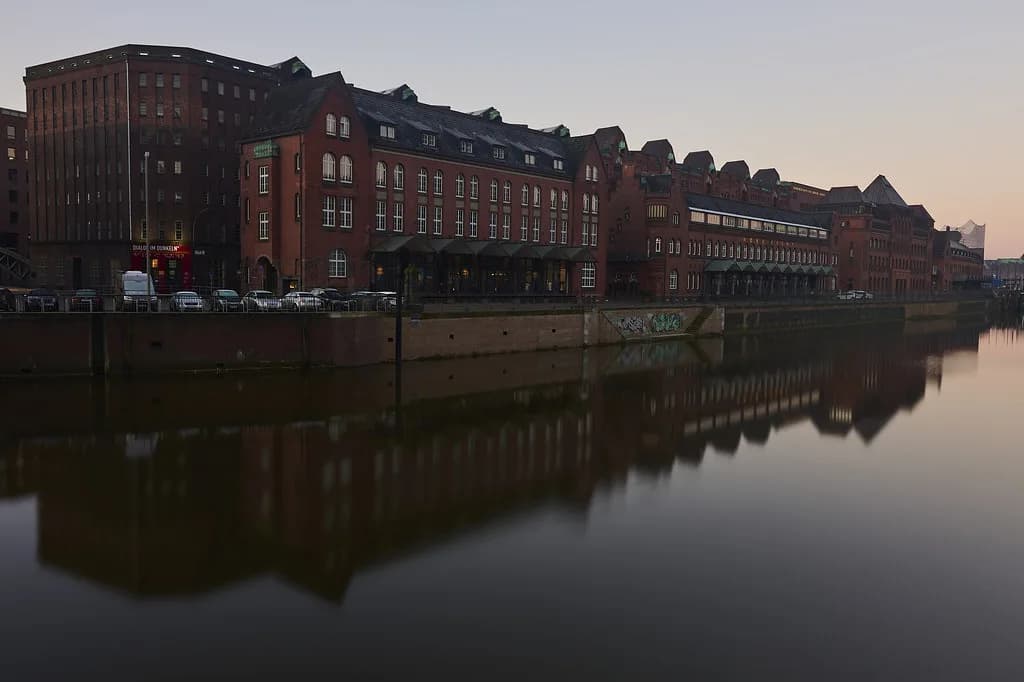
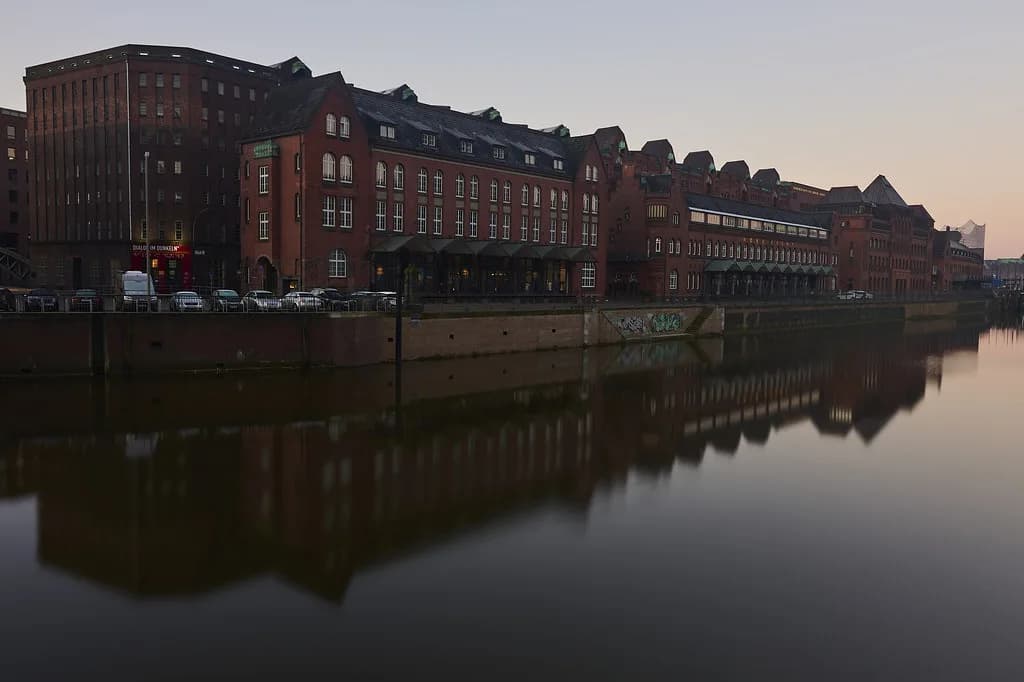
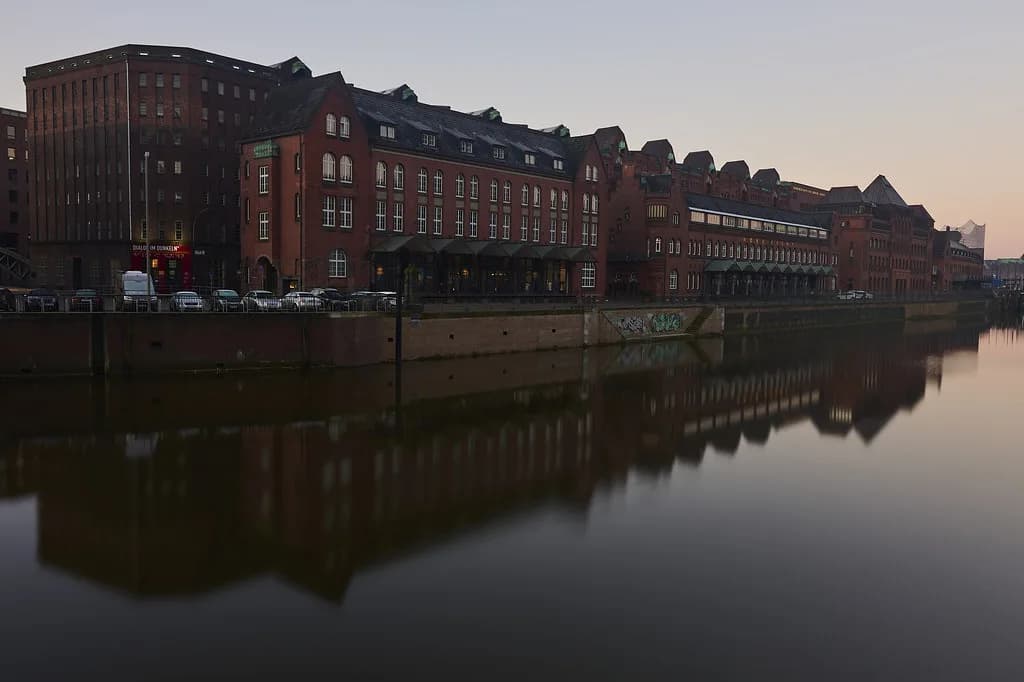
Wind over open water is the central problem, not the number on a weather app. The Landungsbrücken, the ferry piers, the Elbphilharmonie plaza, and the canal edges of the Speicherstadt are all exposed, and they feel several degrees colder in practice than a street tucked between buildings. A coat that feels warm inland can feel thin the moment you step onto a floating dock.
Spray and drizzle add a second layer of discomfort that an ordinary city coat does not handle, and that is why a compact waterproof layer belongs in your day bag even when the morning sky looks clear. Hamburg's maritime climate carries damp weather in every season, so soaked fabric can lose its insulating value long before you reach shelter.
The Three-Layer System for a Harbor Day
Start with a base layer in merino wool or a technical synthetic fabric, because both move moisture away from your skin as you move between a warm cabin and a cold deck. Merino resists odors across repeated wear, which helps on a multi-day trip, while synthetics dry faster if you get caught in spray. Either works; the point is that the fabric is not absorbent cotton.
Add a midlayer of fleece or wool for insulation, thin enough to sit under your shell without restricting movement. This is the layer you shed indoors and put back on for a ferry crossing, so it should unzip easily and pack flat. A bulky sweater that only works on its own is the wrong choice for a waterfront day.
Finish with a genuinely windproof and waterproof shell that has an adjustable hood. Hamburg Tourismus treats a functional rain jacket as a must in any Hamburg wardrobe, and that benchmark holds on the harbor as well. A windproof layer weighs more than an extra sweater in this setting.
Hood or Umbrella at the Landungsbrücken and on Open Ferries
On the piers and open ferry decks, a hood is usually the better choice, because wind coming off the Elbe can invert or break an umbrella and leave you holding a bent frame. A hood also keeps both hands free for handrails, ticket machines, and wet stairs. If you carry an umbrella at all, keep it for sheltered streets and courtyards where buildings break the wind.
On the water, wind resistance matters more than added insulation, since Hamburg's cold is a damp, mild cold rather than a dry freeze. Packing advice for the city reaches the same conclusion: a windproof shell under damp conditions outperforms heavier filling. That reasoning applies directly to ferry decks, where you cannot step out of the wind for long stretches.
Merino Versus Synthetics for Damp, Mild Cold
For a spring or autumn harbor day, merino base layers are a strong default because they regulate temperature across the range between a heated cabin and an exposed deck. They also tolerate more than one wearing between washes, which trims how much you pack. The trade-off is slower drying if they get soaked through, and that is where a synthetic alternative has an edge.
Synthetic base layers dry fastest and cost less, but they can hold odor on a long trip. A workable compromise is one merino layer for cooler days and one synthetic layer as a backup or for a wet-weather day. Whichever you choose, the fit should sit close to the body so the midlayer and shell layer over it without bunching.
For a winter harbor trip the same three-layer system carries over, but the midlayer gets thicker and the accessories matter more. Insulated waterproof boots replace walking shoes, and a warm hat, insulated gloves, and a scarf move from optional to essential. What you should not do is trade the windproof shell for a heavier coat, because wind still wins on the water.
Footwear for Wet Cobbles, Wooden Docks, and Boat Decks
Tread matters more than boot height on Hamburg's waterfront. Wet cobblestones, wooden piers, and metal gangways all demand grip, so look for lugged rubber soles rather than smooth fashion soles. Water-resistant walking shoes with a grippy outsole cover most harbor days and dry faster than fully waterproof boots.
In the colder months, or on days when you expect hours outdoors at the Fischmarkt or on an open ferry, waterproof ankle boots with a low heel are the safer choice. Pick flat or low-heeled styles for stability on uneven docks and steep gangways. Wool socks add warmth and cushioning, and they cope with damp better than cotton.
Break in any new shoes before you travel. A harbor day involves more walking than many visitors expect, and blisters from stiff boots can spoil the second half of a short trip. If you plan to cycle along the waterfront, choose something flat and secure rather than a loose slip-on.
Small Accessories That Change a Waterfront Day
A warm hat that stays put in wind is worth more than a stylish one that lifts off. Thin gloves take almost no space and make a ferry deck tolerable on a cool morning, and a scarf can be pulled up over your chin when spray comes across the railing. Keep all three in an outer pocket so you can add them without opening your main bag on a moving boat.
Sunglasses and a travel-size sunscreen are worth carrying on bright days, because glare off the water is strong even when the air is cool, and a facial moisturizer plus lip balm helps in coastal wind. A refillable water bottle cuts down on shop stops, and a compact power bank is useful if you rely on your phone for transit tickets or maps. A tote bag helps with shopping, since some shops charge for bags.
Building Outfits by Exposure Level
For a ferry crossing on a mild day, wear a merino base layer, a light fleece, and a packable windproof shell over quick-dry trousers and water-resistant walking shoes. When you move inside the cabin, unzip the shell and take off the fleece; when you step back on deck, reverse the order. This is exactly why layers beat a single heavy coat.
At the Landungsbrücken itself, the floating piers and stairways are fully exposed, so keep the shell on even if the city center felt warm an hour earlier. Public ferries run on ordinary transit tickets, which means you can hop on and off without committing to a full tour, and that flexibility is useful when the weather turns and you want to retreat indoors.
For a morning at the Fischmarkt, plan for the coldest conditions of the trip. It is outdoors, on the water, and very early, so bring the full layer set, hat, gloves, waterproof shoes, and cash for the stalls. Warm up in a café afterwards before carrying on with the day.
The Elbphilharmonie Plaza and Other Elevated Viewpoints
The Elbphilharmonie Plaza sits high above the harbor and is partly open to the weather, so the wind is stronger and less broken than at street level. A windproof layer and a hat that stays on matter here, and the outer walkway can be wet after rain. If you are attending a concert, pack one neat outfit for the evening and keep the harbor layers for the rest of the day.
For viewpoint visits generally, dress for the wind rather than the temperature. Elevated platforms, open staircases, and waterfront terraces expose you to gusts you will not feel in the streets below. A hooded shell and closed shoes with grip are the practical minimum.
What to Leave Behind on a Harbor Day
Leave the umbrella at the hotel on windy days, because the harbor wind will invert or destroy it, and bring a hood instead. If you are carrying only one rain option, make it the hooded shell.
Leave the second midlayer behind if your shell is genuinely windproof, because two insulating layers under a good shell will overheat you indoors. Leave heavy insulation that has no windproof outer layer, since it will not perform on the water. And leave the assumption that every shop takes cards, because some market stalls, bakeries, and small bars still prefer cash.
Also leave the bulk that makes your day bag heavy. A compact crossbody or small daypack is easier to manage on crowded ferries and transit than a large backpack. If your trip falls in the colder half of the year, the wardrobe question shifts toward warmer evening pieces, which is where what to wear in Hamburg in November becomes the more relevant guide.
A Compact Packing Example for a Three-Day Harbor Trip
For three days focused on the harbor and Elbe waterfront, start with two merino or technical base layers, one fleece or wool midlayer, and one windproof waterproof shell with a hood. Add two pairs of quick-dry trousers or neat jeans, water-resistant walking shoes, and wool socks. That combination covers a ferry ride, a pier walk, and an evening indoors with only the outer layer and shoes changing.
Add a warm hat, thin gloves, a scarf, sunglasses, and travel-size sunscreen. Pack a refillable water bottle, a compact power bank, and a crossbody bag or small daypack. If your trip includes a mudflat walk or a beach section along the Elbe, add a second pair of shoes that can get wet and dirty.
One smart-casual outfit earns its place if you have a concert or a nicer dinner planned, since Hamburg dresses quietly well. Choose neutral colors and low-heeled shoes that handle cobblestones. Everything else can stay minimal, because the layers do the work. For the wider city checklist, start with the Hamburg packing list and trim it to your own activities.
Before You Leave: Checking Wind, Rain, and Temperature
Check the forecast on the morning of your harbor day and pay particular attention to wind speed and direction rather than temperature alone. A mild day with strong gusts off the Elbe will feel much colder than the number suggests, and that is the variable your layer system is built to handle. If rain is likely, make sure the hood is reachable without unpacking the whole bag.
Check operator-specific details, such as ferry schedules, plaza opening times, or event tickets, directly with the provider before you go. Hamburg Tourismus and the local transport authority publish current information, and those are the sources to trust for times and access. Weather can change plans, so build a little flexibility into each day.
If the forecast turns colder, add the midlayer and gloves rather than swapping your whole outfit. If it turns warmer, drop the midlayer but keep the shell, because wind on the water is the constant. That is the advantage of packing layers instead of single-purpose clothing.
Layer for the Wind, Not Just the Temperature
Hamburg's harbor and Elbe waterfront reward a simple approach: a moisture-moving base layer, a warm midlayer, and a genuinely windproof waterproof shell with a hood. Footwear with grippy soles handles wet cobbles and boat decks better than smooth-soled shoes, and a secure hat, thin gloves, and a scarf make exposed spots bearable. Keep the umbrella for sheltered streets.
Pack for the trip you are taking, check the forecast before you leave, and confirm operator-specific times or access rules with the provider. For a broader seasonal checklist covering the whole city, start with the Hamburg packing list and adjust it to your plans.
Frequently Asked Questions
What should I wear on a Hamburg harbor ferry to stay warm?
Wear a merino or technical base layer, a fleece or wool midlayer, and a windproof waterproof shell with a hood. Add a warm hat and thin gloves for the deck, and choose water-resistant shoes with grippy soles for the gangways. Peel layers off when you move inside the cabin and put them back on before you go out again.
Is an umbrella useful at the Landungsbrücken, or is a hood better?
On the piers and open ferries a hood is usually the better choice, because gusts off the Elbe can bend or break an umbrella. An umbrella is fine in sheltered streets and courtyards where buildings block the wind. If you carry only one rain option, make it a hooded shell.
What shoes work on wet docks and boat decks in Hamburg?
Water-resistant walking shoes or waterproof ankle boots with lugged rubber soles work best. Tread matters more than height on wet cobbles, wooden piers, and metal gangways. Wool socks add warmth and handle damp conditions better than cotton.
How should I dress for the Elbphilharmonie Plaza?
The plaza sits high above the harbor and is partly open to the weather, so it is windier than the streets below. Bring a windproof layer and a hat that stays on, and expect the outer walkway to be wet after rain. If you have a concert ticket, pack a separate neat outfit for the evening.
What should I leave behind when packing for Hamburg's waterfront?
Leave the umbrella on windy days and rely on a hood instead. Leave the second midlayer if your shell is genuinely windproof, and leave heavy insulation that has no windproof outer layer. Also leave the assumption that every shop takes cards, since some stalls and small venues prefer cash.
How do I pack for three days of harbor time in Hamburg?
Take two base layers, one fleece or wool midlayer, one windproof waterproof shell, two pairs of trousers, water-resistant walking shoes, wool socks, a hat, thin gloves, and a scarf. Add sunglasses, sunscreen, a refillable bottle, and a compact power bank. One smart-casual outfit covers evenings.
Sources
Free: The Ultimate Packing Cheat Sheet
A carry-on capsule wardrobe, the complete packing checklist, layering made simple, and what to wear by season — one printable page you'll use on every trip.
You might also like

Continue reading
More guides you'll find useful