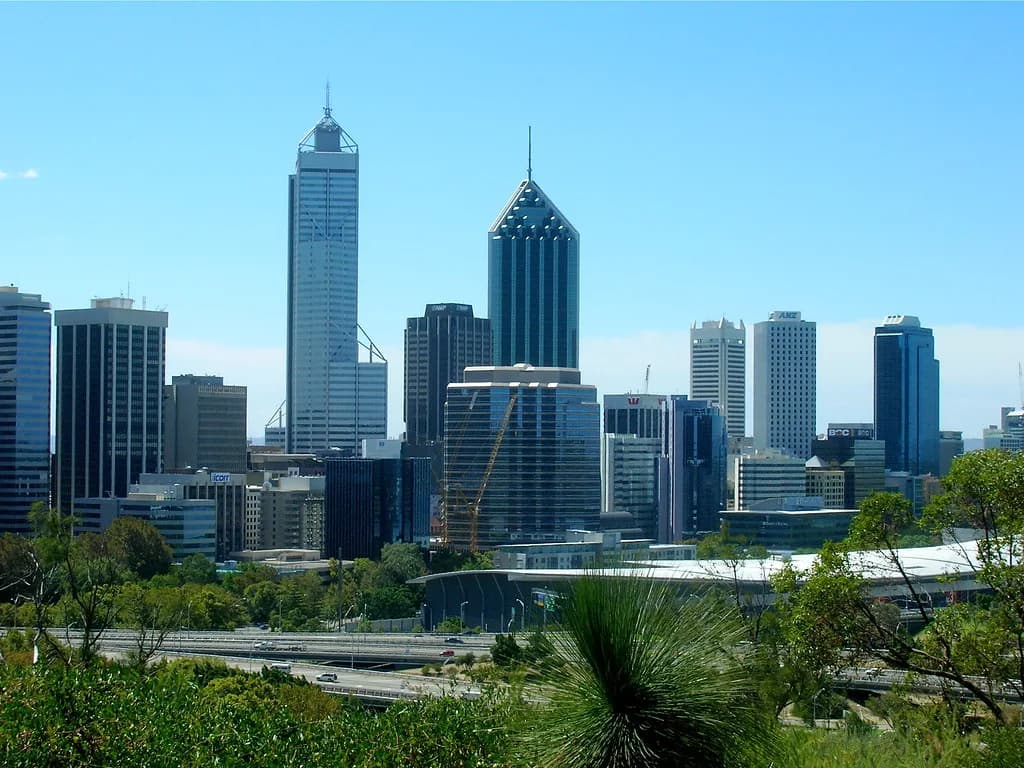
What to Wear in Perth in July: Winter Packing Guide
Packing for Perth in July means cool, wet, windy winter days. Build removable layers, real rain protection, and closed footwear for city and coastal outings.
On this page
Perth in July: the weather in numbers
Typical July conditions from 30 years of daily weather data, split into early, mid and late month so you can match them to your travel dates.
| Dates | Early Jul (1–10) | Mid Jul (11–20) | Late Jul (21–31) |
|---|---|---|---|
| Afternoon high | 17°C (62°F) | 17°C (62°F) | 17°C (62°F) |
| Night-time low | 10°C (49°F) | 9°C (49°F) | 10°C (50°F) |
| Feels like (afternoon) | 13°C (55°F) | 13°C (55°F) | 13°C (56°F) |
| Range of afternoon highs | 14–19°C | 15–19°C | 15–19°C |
| Days with rain | 4 in 10 days | 4 in 10 days | 4 in 10 days |
| Afternoon humidity | 59% | 58% | 60% |
| Average wind | 17 km/h | 17 km/h | 17 km/h |
| Daylight | 10 h | 10.1 h | 10.3 h |
What this means for your suitcase
- Mild days: long sleeves with a light sweater or jacket you can take off at midday.
- Rain on about 4 in 10 days — a waterproof jacket and water-resistant shoes.
Travelling on specific dates? Use our What to Wear Planner for the weather, outfits and a packing list for your exact days in Perth.
Averages for 1991-2020, modelled from Copernicus ERA5-Land and ERA5 reanalysis via Open-Meteo open data (CC BY 4.0), adjusted to Perth's elevation. Modelled afternoon highs can read 1–2°C below airport weather-station records.
Perth in July sits at the cold, damp end of the local year, and the wardrobe problem is variation rather than extremes. A morning that feels raw can turn into a bright, mild afternoon, then swing back to cold and gusty after dark. That pattern makes removable layers more useful than one heavy coat you are stuck in all day. Everything here is an editorial packing suggestion, not a dress rule, and it is not a forecast. Treat July conditions as seasonal tendency and check the current outlook before you fly.
The decisions that matter most are the outer shell, the mid layer, and the shoes, because those three cover wind, rain, and cold ground. Get them right and the rest of the suitcase is just T-shirts, jeans, and a spare pair of socks. If you are assembling a broader wardrobe for the trip, start from a full Perth packing list and then narrow it to what winter demands.
Quick Answer: What July in Perth Asks of Your Suitcase
Pack for cool, wet, windy days with a real chance of a clear, milder break in the middle. That means a showerproof jacket as your outer layer, a fleece or sweater underneath, long-sleeved tops, jeans, and closed-toe shoes with grip. Add a compact umbrella, a scarf, and a spare pair of socks. The aim is a system you can adjust hour by hour, not a fixed winter uniform.
Packing guidance for Perth's winter months treats rain as a routine feature of the season rather than a surprise: this is the time of year described as the rainy season, when close-toed shoes, long-sleeved shirts, wool socks, a medium-weight jacket, a scarf, a raincoat and an umbrella all earn their place.
If you own a bulky parka built for a continental winter, leave it behind. It is heavy in the bag, awkward on public transport, and usually too much for July afternoons once you are walking. A lighter shell layered over a warm mid layer gives you more useful range. If you are travelling later in the winter, the packing logic barely changes and the same outfit formula carries over into what to wear in Perth in August.
How Perth's Winter Tends to Feel
Perth's winter reputation is mild, and the daytime numbers often look undramatic on paper. In practice, travellers repeatedly describe the feel as colder than the figure suggests, because the wind is cooling and the air is drier than a European winter. One visitor discussion notes that an 18 degree winter day in Perth is not the same as an 18 degree spring day in the UK, since the days are short and mornings and evenings can feel close to freezing. That is a qualitative description of how winter tends to feel, not a forecast for your trip.
There is also an indoor factor that visitors underestimate. Local housing is often built for heat rather than cold, so indoor warmth can be patchier than in colder countries, and a chilly evening can follow you indoors. Planning a warm mid layer you can keep on inside is more practical than relying on the building. The takeaway is to dress for the coldest hour of your day rather than the warmest.
The same visitor discussion describes Perth's winter coats as often light and wind-and-rain proof rather than heavily insulated, and notes that bright winter days can reach warmer afternoon temperatures. That combination is exactly why a shell and a mid layer beat one thick coat. Snow is not part of the normal picture for a July trip to Perth, so it should not shape your packing; rain, wind, damp ground, and cold mornings should.
The Layering Formula for a July Day
Build every outfit from three working parts: a base layer against your skin, a mid layer that traps warmth, and an outer layer that handles wind and rain. The base can be a plain T-shirt or a long-sleeved top depending on how cold you run. The mid layer is where you get the most flexibility, because it comes off first when the sun appears.
General July guidance for southern Australian cities recommends building around layers, which matches how Perth days actually move. Keep each layer thin enough that two or three fit under your jacket without restricting your arms.
Test the combination at home before you pack it. Put on the base, mid layer, and shell together and check that you can raise your arms, reach into a bag, and sit down comfortably. If the jacket only closes with the fleece removed, the system is too tight to be useful on a cold, wet day.
Rain and Wind Kit That Earns Its Space
A showerproof shell with a hood is the single most valuable item for July. It should block wind as well as light rain, and it should be loose enough to wear over a fleece. Look for a hem you can cinch and a front zip you can open from the bottom, because those two details let you vent heat without taking the jacket off.
An umbrella is worth packing, but treat it as a secondary tool rather than your main defence. Compact models turn inside out in strong coastal gusts, and wet winter weather in Perth often arrives with wind attached. Pack a small folding umbrella for city streets and rely on the hood when you are near the water.
If your trip leans towards exposed walks rather than city blocks, check what you already own for wet routes before buying anything new. A dedicated wet-weather layer setup is a different purchase from a commuting rain jacket, and the trade-offs are covered in what to wear hiking in Perth.
Tops and Mid Layers: How Many to Bring
For a week, four long-sleeved tops and three plain T-shirts give you enough combinations without overpacking. Add one zip fleece or sweater as your main mid layer and one thicker cardigan or second fleece for evenings or a day out on the water. A single lightweight thermal top is useful if you feel the cold, and it takes almost no space.
The winter packing guidance for Perth includes long-sleeved shirts and a medium-weight jacket as core items, which fits a suitcase built around one warm mid layer rather than several heavy ones. Choose colours that work together so every top pairs with every bottom. Style in Perth is relaxed and there is no colour rule to follow, so wear what you like; bring one smarter top only if you have a specific dinner or event booked.
If your travel window shifts earlier in the year, the same clothing types apply but the balance changes. Warmer shoulder-season conditions mean lighter bases and fewer mid layers, which is the difference covered in what to wear in Perth in March.
Bottoms: Jeans, Casual Pants, and the Shorts Question
Jeans are the default for most July days and handle cold, damp conditions well, which is why winter packing lists for Perth put jeans or pants near the top of the clothing section. Bring two pairs if you are staying a week, since wet hems need drying time, and add one pair of smarter casual pants for evenings or indoor plans. Lightweight travel trousers dry faster but feel cooler in wind, so they suit milder, active days rather than the coldest ones.
Shorts are not a sensible core item for July, though a pair costs little space if you want them for an indoor gym session or a genuinely warm break. Leave them out of your daytime wardrobe and you will be more comfortable. A skirt or dress can work over warm tights if that is your preference.
Footwear Trade-Offs for Wet Pavement, Sand, and Coastal Paths
Closed-toe shoes with grip are the safest choice, and winter packing advice for Perth specifically recommends close-toed footwear such as sneakers or boots.
Waterproof leather boots or a sturdy pair of walking shoes handle wet footpaths, puddles, and uneven coastal tracks better than mesh sneakers, which soak through quickly. If you only have mesh trainers, pack a second dry pair so one can drain overnight. Sandals and canvas slip-ons are the weakest option in July rain.
Bring wool or synthetic socks rather than thin cotton, because warm, dry feet change how the whole day feels; wool socks appear alongside jeans and a medium-weight jacket in winter packing guidance for the city. Three or four pairs for a week lets you rotate when one set is drying.
Outerwear Decisions: Showerproof Shell or Heavier Coat
A showerproof jacket is enough for most city trips, especially when combined with a fleece or sweater. Choose a heavier insulated coat only if you feel the cold badly or have a lot of evening plans outdoors. The shell has the advantage of working across mild afternoons and cold mornings, while a heavy coat commits you to being warm all day.
If you bring both, wear the heavier coat on the plane and keep the shell folded in your bag. Visitors to Perth describe local winter coats as light and wind-and-rain proof rather than thick, which supports travelling with a shell and using a warmer layer only as backup. That combination covers cold fronts as well as the bright, sunny breaks that can appear between them, and it gives you a dry layer if one gets soaked.
Accessories That Change How the Day Feels
A scarf, beanie, and light gloves are small items that make cold, windy mornings and waterfront evenings much more comfortable; a scarf is standard winter packing for Perth and a hat and scarf are commonly recommended for cold fronts. Pack one spare pair of socks in your day bag, along with a small folding umbrella and a light tote. A crossbody or shoulder bag that closes keeps rain off your phone and camera better than an open tote.
Sunglasses are worth keeping in the bag even in winter, since bright breaks do occur. Skip heavy winter gloves, thermal underwear as a default, and thick snow accessories. A packable pouch for wet items also stops damp clothing from soaking everything else in your suitcase.
City Days: Perth CBD, Northbridge, and Transit Waits
City days involve more time indoors than coastal days, so prioritise layers you can remove quickly. Heated interiors can feel warm after a cold walk, and you will be taking the jacket on and off repeatedly. A zip mid layer handles that better than a pullover you have to drag over your head.
Waiting on platforms and at bus stops is where the cold bites, because you are standing still in the wind. A wind-resistant outer shell matters more here than extra insulation. Comfortable closed shoes for long stretches of walking are the other priority.
Coastal and Riverside Days: Extra Wind Protection
Exposed waterfronts around the Swan River, Fremantle, and the beaches feel noticeably colder and windier than the CBD on the same day. Add a windproof outer layer, a scarf, and a warm hat rather than assuming your city outfit will be enough. Waterproof footwear is worth the weight here because wet paths and sand are hard to avoid.
Sand and salt water are rough on shoes, so pick the pair you are least precious about for beach days. If you are combining the coast with an earlier trip in the year, the packing approach for what to wear in Perth in May focuses on the shoulder months rather than deep winter.
Outfit Combinations to Copy
For a cold, wet morning: long-sleeved thermal top, zip fleece, showerproof hooded jacket, jeans, wool socks, and waterproof boots, with a scarf and compact umbrella in the bag. For a bright but cool afternoon: plain T-shirt, light cardigan, and the same shell tied around your waist, with jeans and sneakers. For a windy evening out: sweater or heavier cardigan, showerproof coat, scarf, and closed leather shoes.
Each combination uses the same core pieces with a different mid layer, so you are not packing three separate wardrobes. That is the whole point of the layering approach: fewer items, more usable range.
One-Week Packing Example
Tops: three T-shirts, four long-sleeved tops, one zip fleece, one thicker cardigan or second fleece. Bottoms: two pairs of jeans, one pair of smarter casual pants, one skirt or dress with tights if you prefer. Outerwear: one showerproof hooded jacket and, optionally, one warmer coat for evenings. Shoes: one pair of waterproof boots or walking shoes and one pair of everyday sneakers.
Accessories: scarf, beanie, light gloves, three or four pairs of wool or synthetic socks, compact umbrella, small crossbody bag, sunglasses. That list fits a carry-on with room for purchases. If you are staying longer than a week, plan on doing laundry rather than doubling quantities.
What to Leave Behind
Leave out insulated ski-style gear, snow boots, and bulky thermals as default items. Skip strappy sandals, canvas shoes that cannot get wet, and heavy formal wear you have no occasion for. Multiple heavy coats, thick jumpers, and a separate outfit for every day all consume space that a second pair of dry socks and a proper shell deserve more.
Also leave behind anything you only own for a different climate. A light linen shirt, a sun hat, and beach shorts belong to a warmer trip, and the same city looks different then; the contrast is clear in the guide to what to wear in Hobart in July if you are comparing southern winter destinations.
Before You Go: Check the Forecast, Then Adjust Layers
A few days out, check the official forecast for the days you are actually in Perth. Look at the daily maximum and minimum, the wind direction and strength, and the rain probability rather than a single headline number. A windy cold front changes what you need far more than one degree of temperature. If the outlook shows long clear stretches, you can travel lighter on rain gear; if it shows a run of fronts, add a second dry pair of shoes and an extra mid layer.
Plan Your Perth Winter Wardrobe
Perth in July rewards a small, flexible wardrobe over a large, fixed one. The decisions that carry the trip are a wind-and-rain-resistant shell, a warm mid layer you can shed, closed footwear with grip, and warm socks. Everything else is preference.
Check the forecast before you leave, pack the layers above, and leave the heavy coat and snow gear at home. That approach handles cold mornings, sunny breaks, and windy waterfronts without weighing you down.
Frequently Asked Questions
How cold does Perth feel in July?
Perth winters are described as mild, but visitors often report feeling colder than the numbers suggest. Wind, damp air, and short daylight hours mean mornings and evenings can feel close to freezing, especially near the water. Dress for the coldest part of your day and add layers rather than relying on one heavy coat.
Does it rain a lot in Perth in winter?
Winter is the wetter part of the Perth year, and packing advice for the season treats rain as a routine feature rather than a surprise. A showerproof jacket and a compact umbrella are worth having on every outing. Check the official forecast for rain probability during your specific travel dates before finalising your bag.
Do I need a raincoat and umbrella in July?
A raincoat or showerproof shell with a hood is the more reliable choice, because it also blocks wind. An umbrella is still useful for city streets, but compact models can invert in coastal gusts. Bring both and treat the shell as your primary protection.
What shoes are best for Perth in July?
Closed-toe shoes with grip work best, particularly waterproof boots or sturdy walking shoes for wet pavement and coastal paths. Mesh sneakers soak through quickly, so pack a second dry pair if that is all you have. Sandals and canvas slip-ons are a poor choice in wet, cold conditions.
Can I wear shorts in Perth in July?
Shorts are not a practical core item for July days in Perth. If you want them for an indoor workout or a genuinely warm break, they take up little space, but plan your daytime outfits around jeans or casual pants.
How many layers should I pack for a week in Perth in July?
A workable set is three T-shirts, four long-sleeved tops, one zip fleece, one thicker cardigan or second fleece, and one showerproof jacket. That gives you a base, a mid layer, and an outer layer for every day without overpacking. Plan to do laundry if you stay beyond a week.
Sources
Free: The Ultimate Packing Cheat Sheet
A carry-on capsule wardrobe, the complete packing checklist, layering made simple, and what to wear by season — one printable page you'll use on every trip.
You might also like


Continue reading
More guides you'll find useful