
What to Wear in Innsbruck in January: Packing for the Cold
January in Innsbruck means freezing temperatures and crisp mountain air. Learn what to wear with practical packing tips for city exploring and the slopes.
On this page
What to Wear in Innsbruck in January: Packing for the Cold
January in Innsbruck sits at the cold heart of winter, when the city wakes to frosty mornings and snow often dusts the rooftops before the cable cars rise above the valley. Unlike December’s festive market season or February’s carnival rush, this month demands full winter armor for crisp, gray days and the occasional bright, icy-blue sky. For a warmer transition, see our guide on what to wear in Innsbruck in February.
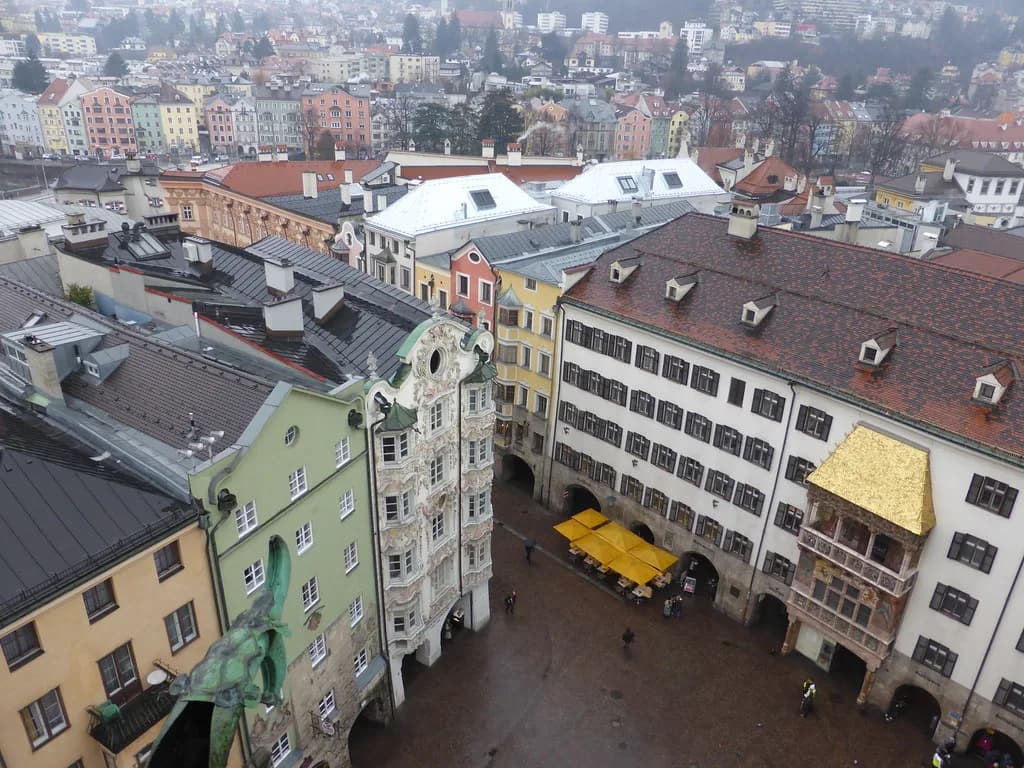
Planning what to wear means reading the local terrain as much as the thermometer. Innsbruck’s old town invites long strolls past the Golden Roof, while the Nordkette cable car lifts you from the city center to alpine trails in under a half hour, so your layers must handle both cobblestones and ridgelines. The guide that follows breaks down climate, layering, and footwear decisions to keep you warm from breakfast to apres-ski.
Free: The Ultimate Packing Cheat Sheet
A carry-on capsule wardrobe, the complete packing checklist, layering made simple, and what to wear by season — one printable page you'll use on every trip.
Innsbruck's January Climate: What to Expect
January is Innsbruck’s coldest month, with average lows around -4.9°C and highs near 3.9°C, though on the coldest nights the thermometer can dip to about -12°C. Snow is frequent rather than constant, with roughly 8 days of precipitation averaging 45mm, while sunshine is scarce at only about 3 hours per day. These figures reflect 1991–2020 climate data, so expect cold, gray spells with occasional clearer interludes.
One weather feature deserves your attention: the Föhn, a warm, dry alpine wind that can blow through the Inn Valley and push temperatures to surprise highs even in January. It also brings strong gusts, so a windproof shell beats a purely insulating jacket. The official tourism climate page explains this phenomenon and recommends holding onto your hat when it arrives.
The Layered Approach: Base, Mid, Outer
Layering is your survival strategy in January, because one thick coat cannot adapt to warm shops, freezing cable cars, and snow-dusted trails. Start with a merino wool or silk base layer that wicks moisture and traps heat without bulk; many winter travelers recommend wool over synthetic for its odor resistance and warmth even when damp.
A mid layer of fleece, merino sweater, or lightweight down provides the insulation you can strip off indoors. On top, choose a water-resistant or waterproof jacket with a hood; the Föhn wind can be biting, so make sure the outer layer blocks drafts, not just cold. A practical approach is a midweight puffer with a durable water-repellent finish for city days, upgraded to a hardshell when you head into the mountains.
City Exploring Outfits: Warm, Practical, Stylish
For days wandering the old town, a warm dark-colored coat or puffer jacket works well, and a darker shade hides the inevitable splash from a hot drink at a street stall. Pair it with 1–2 warm sweaters in merino or cashmere that you can layer over a simple t-shirt, as many visitors dress casually and comfortably.
Jeans or thick trousers are fine for the city, and you can add thermal leggings underneath when temperatures plummet. Bring a scarf, gloves, and a hat; these small items make the difference between a pleasant walk and a miserable one, especially when the Föhn picks up. Keep your outer layers versatile so you can transition from a daytime museum to an evening dinner without carrying a separate outfit.
Heading Up the Nordkette or to the Slopes
When you ride the Nordkette cable car from the city to Seegrube or Hafelekar, the temperature drops noticeably and wind exposure increases, so plan extra layers. The tourism site advises bringing a jacket and wet-weather gear for the mountains, even on days that start mild in the valley.
For downhill skiing, wear or rent insulated ski pants, long ski socks, goggles or sunglasses, and mittens with liners that let you handle a camera without baring skin. If you’re only taking the cable car for a panoramic view, you can rely on the same system—base, fleece or merino, and a windproof shell—plus sturdy boots. Many visitors rent ski gear locally, so you can travel lighter and still enjoy the slopes.
Footwear: Waterproof Boots and Traction
Your shoes can make or break a January trip, and the number one recommendation from seasoned travelers is a pair of waterproof boots with solid grip. Walking around Innsbruck often means crossing packed snow or slush, and even cleared sidewalks can have icy patches; regular sneakers quickly lead to wet, cold feet.
For extra confidence on icy days, pack a set of crampons or traction cleats that slip over your boots; they’re like snow tires for your feet and are easy to find in outdoor shops in Innsbruck. Avoid flat-soled boots or fashion sneakers for mountain outings, and save high heels for indoor evenings only.
Evening and Après-Ski: Low-Heat Restaurants and Spas
Many Innsbruck restaurants and bars keep their heating low in winter because guests arrive in ski gear and doors open constantly, so you’ll want to keep your base layer or a thermal top on even for dinner. Casual is the norm in ski towns; you can easily wear a nice sweater and dark trousers to a cozy restaurant without feeling underdressed. If your hotel has a spa or sauna, pack a swimsuit to warm up after a cold day outdoors.
Accessories and Extras: Anorak, Gloves, and Lip Balm
Beyond the core layers, small accessories keep January comfortable: a warm hat that covers your ears, insulated gloves or mittens, and a scarf that you can adjust for wind. The dry mountain air and heated interiors sap moisture, so pack moisturizer and lip balm to avoid chapped skin. A thermos is a game-changer for long walks or ski breaks, keeping warm drinks from freezing, and a spare power bank helps because cold drains phone batteries faster.
If you’re crossing from city to mountain in a single day, think of your accessories as modular: the same merino hat can work over your ears on a windy ridgeline or under a helmet on the slopes. For cross-country skiing or snowshoeing, choose gloves instead of mittens so you can grip poles easily, and add high hiking boots to keep snow out of your socks.
What to Leave Behind
January in Innsbruck does not call for a heavy raincoat or umbrella; precipitation arrives as snow, and a waterproof outer layer on your jacket is enough. Leave non-waterproof sneakers and delicate fabrics like silk blouses that can’t handle damp or cold. Also skip flimsy fashion boots—they’ll be impractical on icy sidewalks, and you can rent or buy proper gear locally if you decide to ski.
Sample Packing List for a Week
For a 7-day trip mixing city and mountain excursions, a compact list balances warmth and variety. Start with thermal tops and leggings (3–4), a couple of merino or cashmere sweaters, and 2–3 long-sleeve shirts; add one pair of jeans, one pair of warm trousers, and waterproof shell pants for active days.
On the exterior, bring one heavy winter jacket (down or insulated) and, if you’re skiing or hiking, a separate shell jacket. Footwear: one pair of waterproof insulated boots for daily wear, plus optional ski boots or snow boots if you’re on the slopes. Finish with a warm hat, gloves, scarf, and a swimsuit for hotel spas—this fits in a large carry-on if you roll efficiently.
Before You Depart: Check the Weather
A few days before you fly, check the current forecast and snow reports for the Innsbruck region, because January conditions vary from year to year. The official tourism site offers live weather and webcams that show whether the lower slopes have snow. For real-time road and mountain conditions, the Tyrol weather portal provides detailed elevations and snow depths.
If you’re renting ski or snowshoe equipment, book it in advance to avoid queues at the resort; most rental shops include helmets, and many travelers report reasonable prices.
FAQ
Do I need full ski gear if I’m only visiting the city? If you plan to stay in the old town and lower slopes, a warm winter coat, waterproof boots, and layers are enough. Only if you venture onto ski runs do you need specialized equipment; you can rent everything locally, including helmets.
Can I wear jeans in Innsbruck in January? Yes, but on the coldest days you’ll want thermal leggings underneath, and waterproof boots become essential when snow turns to slush on the streets.
How does the Föhn wind affect what I wear? The Föhn is a warm, strong wind that can make it feel milder for a day, but it also brings gusts that cut through fleece. Use a windproof outer layer and a hat to stay comfortable.
Plan Your Visit
January in Innsbruck rewards the traveler who respects the cold: start with a merino base, add an insulating mid layer, and finish with a wind- and waterproof shell that moves easily from the city to the Nordkette. Pick high-grip boots and pack the small essentials—hat, gloves, moisturizer—that turn a freezer-like day into a crisp adventure.
Should you be visiting for a winter city break rather than the mountains, these recommendations will serve you just as well. And if you arrive with extra space, fill it with photographic memories of snow-dusted alpine rooftops and warm evenings in a wood-panelled Tyrolean restaurant.
Frequently Asked Questions
What is the weather like in Innsbruck in January?
January is Innsbruck's coldest month, with average lows around -4.9°C (23°F) and highs near 3.9°C (39°F). Snow is frequent, and days are short with limited sunshine. The Föhn wind can periodically bring milder weather, so temperatures vary.
What should I wear for winter in Innsbruck?
Wear layers: a merino wool base, a warm sweater or fleece mid layer, and a waterproof or windproof jacket. Add a hat, gloves, scarf, and waterproof boots with good grip. Choose dark outerwear for durability and style.
How do I dress for the mountains in January?
For the Nordkette or skiing, add extra insulation: ski pants or shell pants, long ski socks, goggles or sunglasses, and insulated mittens or gloves. Dress in layers that you can remove when active, and always carry a warm hat.
What shoes are best for Innsbruck in winter?
Waterproof insulated boots with a good grip are essential for the city and slopes. For icy sidewalks, consider adding traction cleats. Avoid sneakers and flat-soled fashion boots.
Sources
Free: The Ultimate Packing Cheat Sheet
A carry-on capsule wardrobe, the complete packing checklist, layering made simple, and what to wear by season — one printable page you'll use on every trip.
You might also like


Continue reading
More guides you'll find useful


