
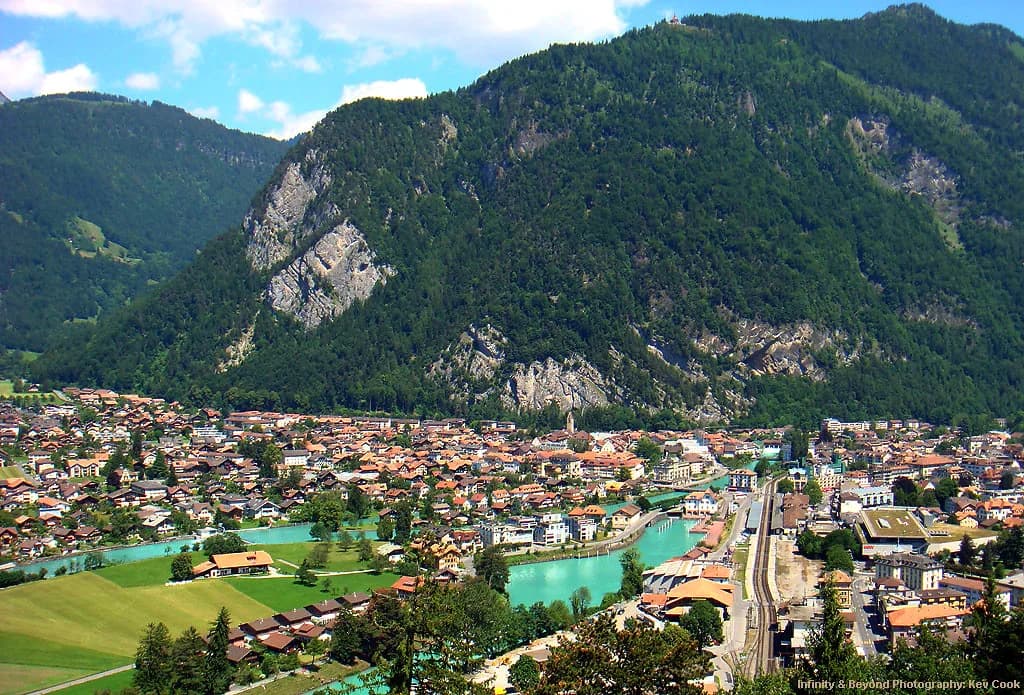
What to Wear in Interlaken in July: Packing List & Outfit Ideas
Plan your July Interlaken wardrobe with ease. Layer for cool mountain breezes and sunny valley days, pack breathable fabrics, and choose hike-ready footwear.
On this page
What to Wear in Interlaken in July: A Practical Packing Guide
July is Interlaken’s peak season, when the valley floor feels consistently warm but the surrounding peaks hold a different climate altogether. A sunny day in town can turn into a chilly experience at elevations like Jungfraujoch, so your packing strategy should revolve around layers you can add or remove as your plans shift.
Instead of packing for a single weather forecast, think of your wardrobe as a system: breathable base layers for active hours, a warm mid-layer reserved for high-altitude trips, and a weather-resistant outer shell for sudden showers. This approach keeps your luggage light while preparing you for the temperature swings that define an Interlaken summer.
Free: The Ultimate Packing Cheat Sheet
A carry-on capsule wardrobe, the complete packing checklist, layering made simple, and what to wear by season — one printable page you'll use on every trip.
Understanding Interlaken’s July Climate
Interlaken sits between two lakes, a position that shapes its summer climate with sunny spells, occasional rain showers, and noticeably cooler evenings. Historical trends show that even in July, you should expect variability rather than a single consistent temperature band. Community travelers emphasize that the biggest key for clothing, even in July, is layers.
The bigger factor is elevation. Hiking trails around Interlaken can be warm, but taking the train or cable car up to viewpoints like Jungfraujoch introduces a significant temperature drop that can feel like a different season. Many travellers find they need a warm layer only for these high-altitude excursions, not for the valley itself.
Core July Packing Strategy
Start with moisture-wicking base layers. Lightweight, breathable tops in cotton or synthetic blends keep you dry during vigorous hikes, while a couple of staple tees work for casual town exploring. Choose fabrics that dry quickly if you get caught in a shower, and avoid heavy cotton that stays damp. Destination guides recommend staple tees with moisture-wicking fabric to stay cool during your adventures.
Add one insulating mid-layer, such as a fleece or lightweight sweater, that you can pull on at altitude or in the evening. Because July days are warm in the valley, this layer is mostly for transitional moments rather than all-day wear. A packable puffer or vest is another option that compresses well in a daypack.
Finish with a waterproof or water-resistant shell. Sudden rain is part of Interlaken’s summer character, so having a jacket that blocks wind and light rain ensures you stay comfortable whether you’re hiking or strolling along the lakeshore.
Footwear Decisions for July
Your footwear needs to handle both uneven trails and smooth pavement. Sturdy walking shoes or trail runners with good grip are essential if you plan to hike, while comfortable sneakers work for city wandering and lakeside paths. For a long day out, choose shoes that you know won’t cause blisters after hours of walking. Packing guides suggest sturdy walking shoes or tennis shoes, plus dressier sandals or booties for an evening out.
If you’re dining out or want a dressier option for the evening, pack a pair of sandals or lightweight slip-ons. Keep them minimal if space is tight; many travellers manage with just one versatile pair of shoes, as long as it offers enough support for the day’s activities.
Outfit Combinations for Different Activities
For a day hike, pair moisture-wicking leggings or lightweight hiking pants with a breathable tank or tee, and carry your mid-layer in your pack. On the trail, you’ll likely shed layers as you warm up, but you’ll appreciate having them when you stop for a break or reach a shaded ridge.
Lakeside strolls or exploring town call for casual, comfortable clothing. Jeans or shorts with a simple top work well, and you can add a light jacket if the wind picks up. If you want to blend in with the local aesthetic, neutral colors and classic cuts are a safe choice, though this is an editorial tip rather than a strict rule.
Evenings in Interlaken can be cooler, especially near the water, so have a dress or smarter casual outfit ready if you plan to dine out. A simple dress with a cardigan or a button-down shirt with trousers will suit most restaurants without taking up much luggage space.
For high-altitude visits like Jungfraujoch, plan to wear your warm mid-layer and possibly a hat and gloves, even in July. The temperature difference between the valley and the summit is stark, and being prepared means you can enjoy the views without shivering.
Sun Protection Essentials
Sun protection is non-negotiable at altitude, where the sun’s rays are stronger and reflective surfaces like snow and water intensify exposure. A wide-brim hat is ideal for shielding your face, and sunglasses with good UV protection are a must for both comfort and eye health, especially when hiking above the treeline.
Consider UPF-rated shirts for long days on the trail. They cut down on the need to reapply sunscreen constantly and are designed to keep you cool while blocking harmful rays. Even if you’re just spending time by the lake, a lightweight long-sleeved shirt can be a wise choice if you’re prone to burning.
Hydration is part of sun safety too. If you’re hiking, wearing clothing with pockets or a pack that accommodates a hydration bladder keeps water within reach without stopping to rummage through your bag.
What to Leave Behind
Avoid overpacking bulky items you won’t use. Heavy winter coats, formal wear, and multiple pairs of shoes are unnecessary for a summer trip focused on outdoor activities. Similarly, leave behind anything that can’t withstand getting wet or dirty, since you’ll likely encounter both.
You also don’t need to bring every piece of technical gear you own. A few versatile essentials—one or two base layers, a single mid-layer, a couple of pairs of pants or shorts, and one pair of sturdy shoes—will cover most itineraries. Resist the urge to pack for every possible scenario; Interlaken’s charm is that a simple layering system works.
Before You Go
Check the forecast a few days before you leave, but don’t obsess over long-range predictions, which can change quickly in the Alps. Instead, use the forecast to adjust your layering plan—if the week looks warm, you might skip one warm sweater, but if rain is predicted, make sure your shell is easily accessible.
Remember that July is historically warm, but mountain weather can surprise you. Packing a few extra items that serve double duty—like a scarf or buff that works as a sun shield or a warm layer—gives you flexibility without extra bulk.
Final Packing List
For a week in Interlaken in July, start with four or five breathable tops (t-shirts and tanks), two pairs of versatile bottoms (hiking pants and jeans or shorts), one warm mid-layer, one waterproof shell, and sturdy walking shoes. Add a hat, sunglasses, sunscreen, and a reusable water bottle, and you’re set. For more complete guidance, see the What to Wear in Interlaken: Seasonal Packing Guide.
If you’re visiting other seasons, adapt these principles—colder months call for more insulation, while spring and autumn bring their own rain and temperature patterns. For example, the What to Wear in Interlaken in January guide explains how winter layers differ.
The key takeaway is to think in layers, prioritise sun protection, and choose footwear that handles both trails and cobblestones. With the right basics, you’ll be ready for whatever July throws your way—warm valley afternoons, breezy lakeside evenings, or a chilly summit view.
Frequently Asked Questions
What clothes should I pack for Switzerland in July?
For July in Interlaken, pack breathable tops, moisture-wicking base layers, a warm mid-layer like a fleece, a waterproof shell, sturdy walking shoes, and sun protection such as a hat and sunglasses. Evening-friendly outfits are also useful for dining out.
Is Interlaken hot in July?
Interlaken's valley floor tends to be consistently warm in July, but the climate is variable, with cool evenings and potential rain. Higher elevations are significantly cooler, so layering is the key to staying comfortable.
What is the 3-3-3 rule for outfits?
The 3-3-3 rule is a packing guideline where you choose three tops, three bottoms, and three layers, then mix and match them to create multiple outfits. It encourages versatile, coordinating items rather than many single-use pieces.
Are jeans acceptable to wear in Switzerland?
Yes, jeans are widely acceptable for casual wear in Swiss cities and towns, including Interlaken. They pair well with a nice top for exploring, though for strenuous hikes you may prefer quicker-drying trousers or leggings.
Sources
Free: The Ultimate Packing Cheat Sheet
A carry-on capsule wardrobe, the complete packing checklist, layering made simple, and what to wear by season — one printable page you'll use on every trip.
You might also like


Continue reading
More guides you'll find useful


