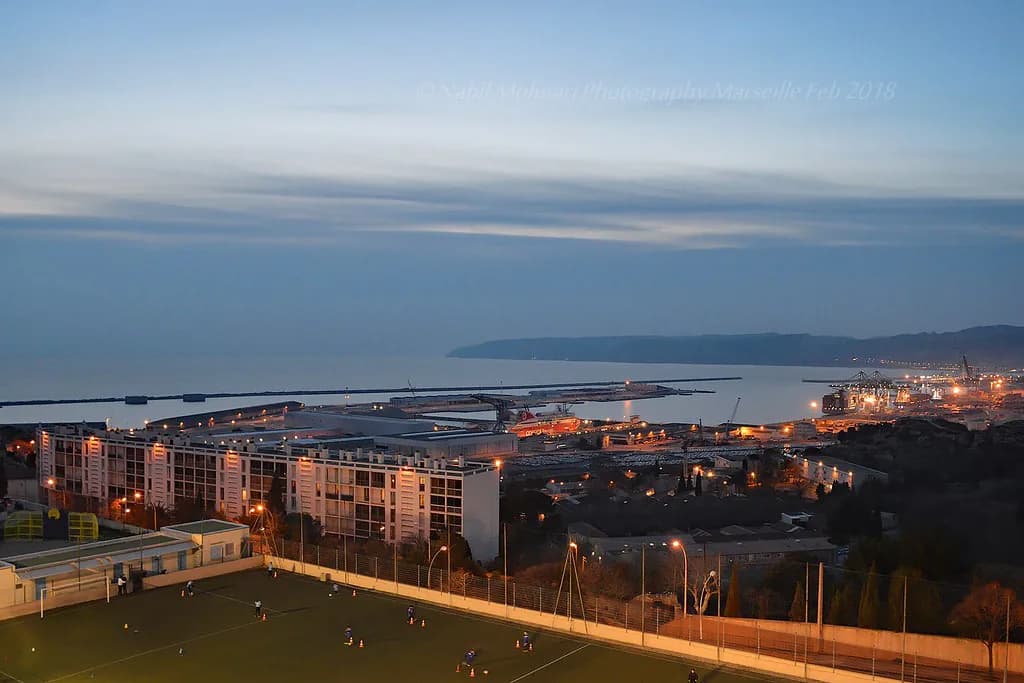
What To Wear In Marseille In January: Winter Packing Guide
Master Marseille style in winter. Discover what to wear in Marseille in January, from Mistral-proof layers to chic evening outfits and essential footwear.
On this page
Marseille in January: the weather in numbers
Typical January conditions from 30 years of daily weather data, split into early, mid and late month so you can match them to your travel dates.
| Dates | Early Jan (1–10) | Mid Jan (11–20) | Late Jan (21–31) |
|---|---|---|---|
| Afternoon high | 11°C (52°F) | 11°C (52°F) | 11°C (52°F) |
| Night-time low | 6°C (42°F) | 5°C (42°F) | 5°C (41°F) |
| Feels like (afternoon) | 7°C (45°F) | 8°C (46°F) | 7°C (44°F) |
| Range of afternoon highs | 8–14°C | 8–14°C | 8–14°C |
| Days with rain | 2 in 10 days | 2 in 10 days | 2 in 10 days |
| Afternoon humidity | 63% | 62% | 58% |
| Average wind | 13 km/h | 12 km/h | 14 km/h |
| Daylight | 8.9 h | 9.1 h | 9.4 h |
What this means for your suitcase
- Cool days: a warm sweater and a proper jacket — think wool or a light insulated coat.
- Showers on roughly 2 in 10 days — a packable rain jacket or compact umbrella.
Travelling on specific dates? Use our What to Wear Planner for the weather, outfits and a packing list for your exact days in Marseille.
Averages for 1991-2020, modelled from Copernicus ERA5-Land and ERA5 reanalysis via Open-Meteo open data (CC BY 4.0), adjusted to Marseille's elevation. Modelled afternoon highs can read 1–2°C below airport weather-station records.
Marseille in January offers a crisp, sun-drenched escape that requires a very specific approach to packing. Late winter (January to early February) is the best time for travelers seeking empty streets and affordable luxury. Updated for the 2026 winter season, this guide ensures you stay warm against the coastal breeze.
The city maintains a rugged, maritime charm during the colder months that feels more authentic than summer. You will notice locals prioritize structured silhouettes and high-quality fabrics over bulky, oversized athletic gear. Navigating the steep alleys of Le Panier requires footwear that balances traction with a polished aesthetic. Understanding what to wear in Marseille involves mastering the art of the windproof layer.
Marseille Weather in January: Temperature and Conditions
Daytime temperatures usually hover between 4–12°C / 39–54°F, making the air feel brisk but often pleasant. Marseille is one of France's sunniest cities, frequently enjoying clear blue skies even in the dead of winter. Humidity from the Mediterranean Sea can make the cold feel more penetrating than the numbers suggest. Rain is infrequent but often arrives in short, intense bursts that can soak through thin fabrics quickly.
The temperature drops significantly the moment the sun dips behind the limestone cliffs of the Calanques. Shadowed streets in the historic center remain several degrees cooler than the open plazas of the Vieux Port. Travelers should prepare for high-contrast environments where one side of the street feels like spring. Always check the daily forecast for cloud cover, as overcast days feel much colder without the solar warmth.
To put the month in numbers: January in Marseille averages a daytime high around 11°C / 52°F and an overnight low near 4°C / 39°F. Rainfall is light at roughly 50–60 mm spread across only six or seven wet days, so most of your trip stays dry. Daylight is short — expect about 9 to 9.5 hours, with sunrise close to 8:00 am and sunset around 5:15 pm — so plan outdoor sightseeing for the warmer midday window.
Understanding the Mistral: Why Windproofing Matters
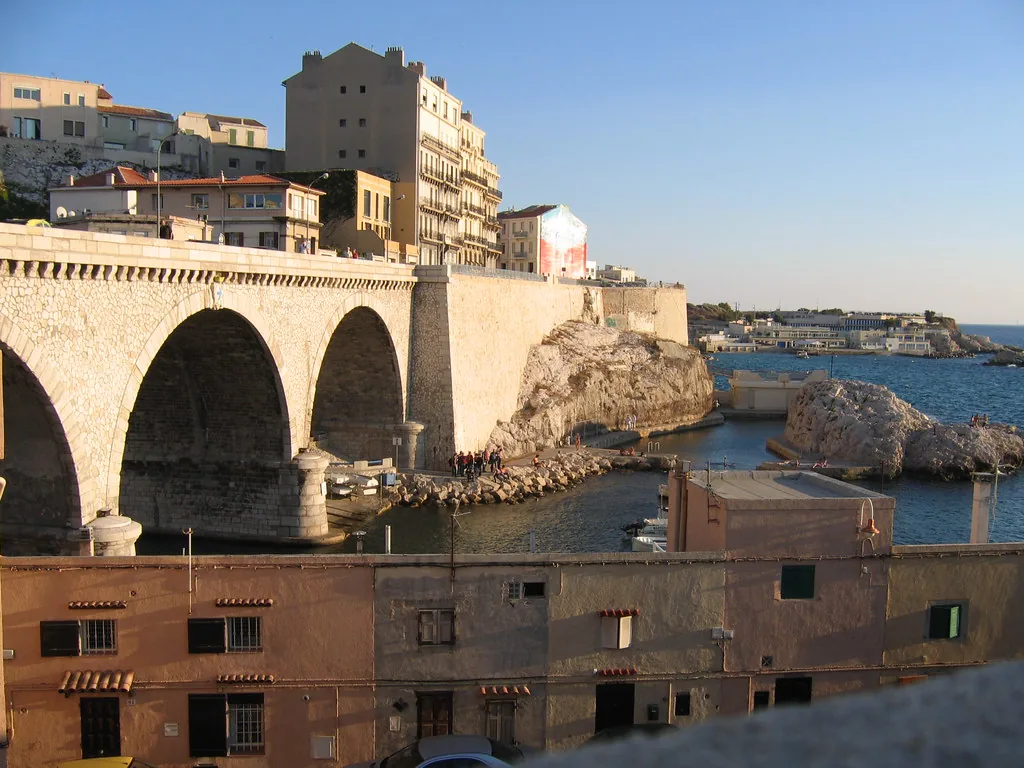
The Mistral is a powerful, cold, northwesterly wind that accelerates down the Rhône Valley toward the coast. This weather quirk can reach speeds over 90 km/h, easily cutting through loosely woven sweaters or light knits. Windproofing is more vital than heavy insulation because the wind chill is the primary source of discomfort.
A leather jacket or a tightly woven trench coat serves as an excellent barrier against these sudden gusts. Locals often wrap themselves in thick oversized scarves to protect their necks and faces from the biting air. Securing your hair and choosing hats that fit snugly will prevent the wind from ruining your comfort. Avoid umbrellas during high wind days, as the Mistral frequently snaps frames and makes them impossible to use.
| Time / condition | Temp | What to wear |
|---|---|---|
| Morning (8–11 am) | 4–7°C / 39–45°F | Merino base + cashmere knit + wool coat, scarf, beanie, gloves |
| Afternoon (sunny) | 9–12°C / 48–54°F | Knit + light coat (open or carried), sunglasses, comfortable boots |
| Evening (after 5 pm) | 5–8°C / 41–46°F | Wool coat buttoned up, scarf, leather ankle boots for Vieux Port dining |
| Mistral wind day | Feels near 0°C / 32°F | Windproof leather/trench shell, thermal base, snug hat — skip the umbrella |
| Rainy spell (short bursts) | 6–10°C / 43–50°F | Water-repellent coat, suede-protected boots, compact travel umbrella |
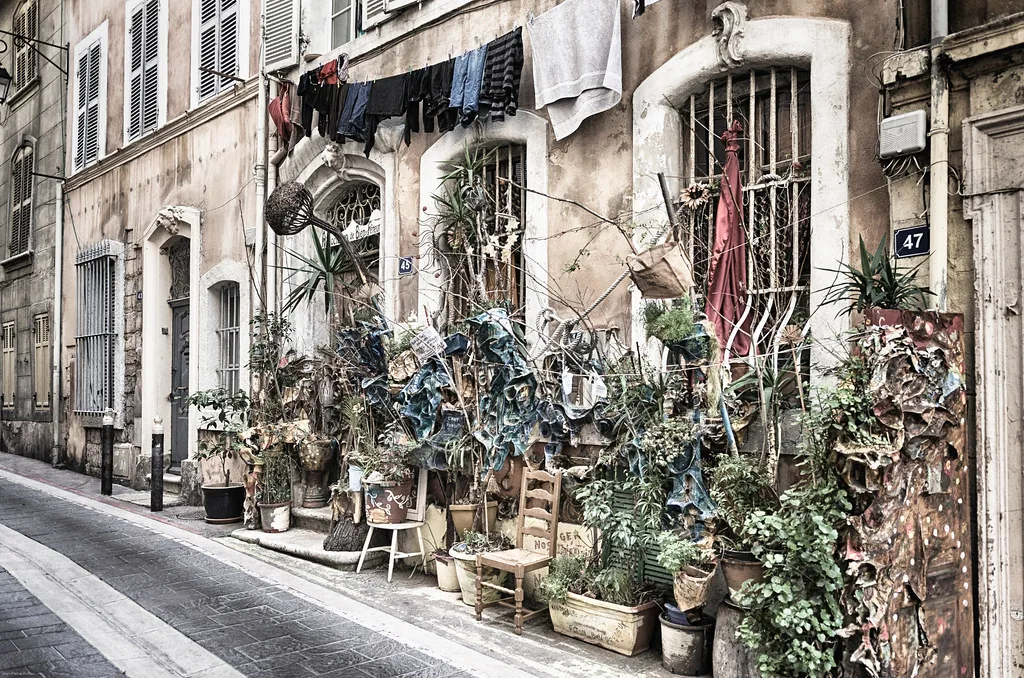
Season Comparison: Marseille Winter vs. Shoulder Months
Comparing January to what to wear in Marseille in May, the shoulder season, reveals a significant shift in crowds. While the weather is colder, the lack of tourists allows for a peaceful exploration of the Mucem museum. Prices for boutique hotels in the 7th Arrondissement are at their lowest point of the entire calendar year. Most major sites remain open, though the ferry schedules to the islands are reduced for the season.
| Season | Weather | Crowds | Prices | Events | Best for |
|---|---|---|---|---|---|
| Early to mid-Jan | 4-12°C / 39-54°F | Very Low | Budget | Winter Sales | Museums |
| Late Mar to April | 9-18°C / 48-64°F | Moderate | Mid-range | Easter | Hiking |
| June to August | 18-30°C / 64-86°F | Very High | Premium | Jazz Festival | Swimming |
| Sept to October | 13-24°C / 55-75°F | Moderate | Mid-range | Fiesta des Suds | Dining |
Essential Base Layers for a Mediterranean Winter
Effective layering starts with a moisture-wicking base that keeps skin dry during brisk uphill walks to Notre-Dame. Merino wool is the gold standard here because it regulates temperature without adding bulk to your silhouette. A lightweight cashmere sweater provides incredible warmth and fits easily under a structured wool wrap coat. Avoid heavy cotton t-shirts which can trap sweat and leave you feeling chilled when the wind picks up.
Silk camisoles or thermal vests are popular among French women for adding warmth without ruining outfit lines. These thin layers allow you to transition easily from the cold outdoors to heated cafes and restaurants. Packing two or three high-quality knits is better than bringing five cheap, bulky acrylic sweaters for space. Check out Witwhimsy.com for excellent winter base layer recommendations.
Outerwear Strategy: Choosing the Right Wool Coat
A tailored wool coat is the centerpiece of the Marseille winter aesthetic and offers necessary warmth. Darker tones like navy, charcoal, or camel help you blend in with the sophisticated local crowd effortlessly. The length should ideally hit mid-thigh or lower to protect your legs from the sweeping coastal winds. Heavy down parkas often look out of place in the city and can be too warm for sunny afternoons.
Consider a coat with a high collar or a hood to provide extra protection when the Mistral arrives. Buttons should be sturdy, as the wind can sometimes force open lighter fasteners or flimsy snap buttons. If you prefer a more casual look, a high-quality leather jacket with a quilted lining is a great alternative. Ensure your coat has deep, lined pockets to keep your hands warm while you are out exploring.
Best Footwear: From Sneakers to Suede Ankle Boots
Marseille is a city of limestone and hills, meaning your shoes must prioritize grip and stability above all. Leather or suede ankle boots with a low block heel are perfect for dinners near the Vieux Port. White leather sneakers remain a staple for locals, offering comfort for long days of walking through different neighborhoods. Avoid thin canvas shoes like Converse, as they offer no insulation against the cold pavement or damp cobblestones.
Treat your suede boots with a water-repellent spray before you leave to protect them from occasional winter rain. Wool socks are a mandatory addition to your packing list to keep toes warm during outdoor market visits. Many locals suggest visiting Reddit.com for tips on local boutiques selling sturdy footwear. Ensure any new shoes are thoroughly broken in before attempting the climb to the Basilica of Notre-Dame.
Pick X If: Choosing Your January Style
Your personal itinerary should dictate the specific items you prioritize in your suitcase for this winter trip. A photographer will need different gear than someone spending their entire weekend in the city's many art galleries. Marseille's diverse neighborhoods, from Cours Julien to the 8th Arrondissement, each have a slightly different fashion vibe. Think about your daily activity levels and how much time you will spend standing still versus walking briskly.
- Pick the Urban Chic look if
- Dining at upscale Vieux Port restaurants
- Pick the Active Explorer gear if
- Hiking the Calanques National Park trails
- Pick the Artistic Bohemian style if
- Exploring the street art of Cours Julien
- Pick the Practical Minimalist kit if
- Traveling with only a small carry-on
What to Pack: The Ultimate January Checklist
Organizing your suitcase by category helps ensure you don't forget the small items that make a big difference. Winter in the South of France requires a balance of heavy protection and light, breathable indoor options. Don't forget that the Mediterranean sun is still strong enough to require skin protection even in January. Refer to this Marseille packing list to ensure every essential item is accounted for.
- Clothing Essentials
- Wool coat, cashmere knits, dark denim
- Footwear Choices
- Leather boots, supportive sneakers, wool socks
- Winter Accessories
- Large scarf, leather gloves, snug beanie
- Daily Tech and Care
- Power bank, lip balm, travel umbrella
What's Closed in Low Season
Traveling in January means some tourist-centric services will be on a hiatus or operating on limited hours. The boat ferries to the Chateau d'If and Frioul Islands run much less frequently than in the summer. Many beachside seasonal restaurants in the Vallon des Auffes close their doors from November through early March. Always check the official websites for museums like Mucem, as they may have shorter winter opening times.
Guided walking tours are less common, so you might need to rely more on self-guided exploration apps. Some smaller boutiques in the more residential neighborhoods might take their annual holidays during the first two weeks. Despite these closures, the main city remains vibrant and the lack of crowds makes for better photos. Public transport like the Metro and trams continue to operate on their standard, reliable winter schedules.
Frequently Asked Questions
Is Marseille cold in January?
Marseille is brisk in January with temperatures averaging 4–12°C / 39–54°F. While the sun is often bright, the Mistral wind can make it feel much colder. You should pack windproof layers to stay comfortable.
Do I need a heavy winter coat for the South of France?
A structured wool coat is usually sufficient for Marseille in January. You likely won't need a heavy arctic parka. Focus on layering a warm sweater underneath your coat for the best temperature control.
What do locals wear in Marseille in winter?
Locals typically wear dark jeans, leather boots, and stylish wool coats or leather jackets. They favor neutral colors and high-quality scarves. Avoid looking like a hiker by choosing structured, urban pieces.
Packing for Marseille in January is about preparing for high-contrast weather and the legendary Mistral wind. By focusing on windproof outerwear and high-quality base layers, you can enjoy the city's winter sun comfortably. The rewards of visiting now include lower prices, no crowds, and a more authentic glimpse into Provençal life.
Remember that footwear is your most important investment for navigating the city's famous hills and limestone stairs. With the right gear, your January trip to the Mediterranean coast will be a stylish and memorable experience.
Editorial correction — September 19, 2026: Removed unsupported personal-experience claims attributed to the former fictional byline. This edit does not constitute a full factual review of the guide.
Free: The Ultimate Packing Cheat Sheet
A carry-on capsule wardrobe, the complete packing checklist, layering made simple, and what to wear by season — one printable page you'll use on every trip.
You might also like


Continue reading
More guides you'll find useful