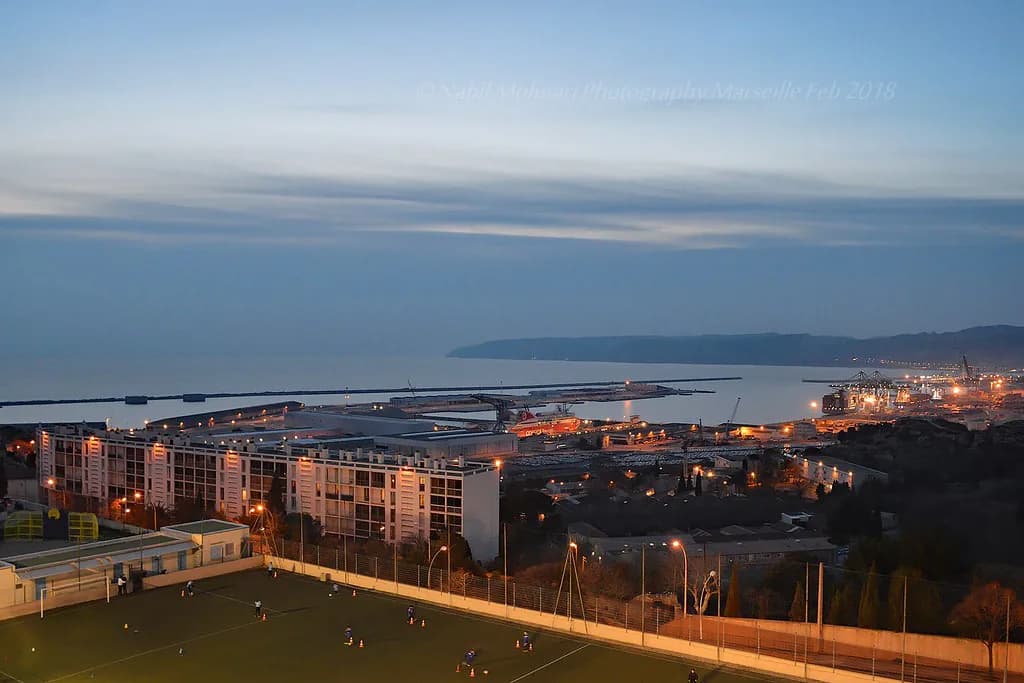
Marseille Packing List: 10 Essential Categories for Your Trip
Master your Marseille packing list with local insights on the Mistral wind, Calanques hiking gear, and French Riviera style for a perfect Mediterranean getaway.
On this page
Marseille weather month by month
Typical conditions from 30 years of daily weather data — use it to see how much to pack for the month you are travelling.
| Month | High / low | Days with rain | Afternoon humidity | Daylight |
|---|---|---|---|---|
| January | 11° / 5°C (52° / 42°F) | 2 in 10 days | 61% | 9.1 h |
| February | 12° / 5°C (53° / 41°F) | 2 in 10 days | 57% | 10.3 h |
| March | 15° / 7°C (58° / 45°F) | 2 in 10 days | 54% | 11.6 h |
| April | 17° / 10°C (63° / 50°F) | 3 in 10 days | 54% | 13.2 h |
| May | 21° / 14°C (69° / 56°F) | 2 in 10 days | 55% | 14.5 h |
| June | 25° / 17°C (77° / 63°F) | 2 in 10 days | 51% | 15.2 h |
| July | 28° / 20°C (82° / 68°F) | 1 in 10 days | 49% | 14.9 h |
| August | 28° / 20°C (82° / 68°F) | 1 in 10 days | 50% | 13.8 h |
| September | 24° / 17°C (75° / 62°F) | 2 in 10 days | 55% | 12.3 h |
| October | 20° / 14°C (67° / 57°F) | 3 in 10 days | 61% | 10.8 h |
| November | 15° / 9°C (59° / 49°F) | 3 in 10 days | 62% | 9.5 h |
| December | 12° / 6°C (53° / 43°F) | 2 in 10 days | 62% | 8.8 h |
Travelling on specific dates? Use our What to Wear Planner for the weather, outfits and a packing list for your exact days in Marseille.
Averages for 1991-2020, modelled from Copernicus ERA5-Land and ERA5 reanalysis via Open-Meteo open data (CC BY 4.0), adjusted to Marseille's elevation. Modelled afternoon highs can read 1–2°C below airport weather-station records.
This Marseille packing list is built for the way you actually travel here in 2026: one bag that carries you from a rocky Calanques hike straight to a seaside dinner, with the Mistral wind factored in from the start. Marseille offers a gritty yet beautiful Mediterranean charm that rewards a thoughtful suitcase rather than a heavy one. Versatility, not volume, is what makes packing for the south of France work.
The city is more casual than its neighbors in Cannes, so you can leave the high-end formal wear at home. Focusing on practical comfort will allow you to enjoy the steep hills and salt-sprayed docks without unnecessary stress.
Before You Go Checklist
Organizing your paperwork is the most critical step before heading to the south of France. Check the Official Marseille Tourism Office - Weather and Climate for the latest regional travel advisories. Ensure your passport has at least six months of validity remaining from your planned date of departure. Securing travel insurance for Schengen is a mandatory requirement for many visitors and provides essential medical peace of mind.
Digital backups are just as important as physical copies when moving between busy transport hubs like the Saint-Charles station. Keep a physical list of emergency contacts and your bank's international lost-card phone number in a separate bag. This redundancy ensures you can still manage your logistics if your primary smartphone runs out of battery or goes missing.
Money management in Marseille requires a mix of digital payment methods and small amounts of physical currency. Most local markets and smaller cafes in the Panier still prefer cash for purchases under ten euros. Inform your bank of your travel dates to avoid any sudden freezes on your credit cards during a transaction. Using a card with no foreign transaction fees will save you significant money over a two-week Mediterranean holiday.
- Passport and visa documents verified
- Travel insurance policy printed and saved
- TGV and flight tickets downloaded
- Bank notified of international travel
- Offline maps of Marseille downloaded
- Emergency contact list written down
Clothing and Layers for the Mediterranean
The Mediterranean climate demands breathable fabrics like linen and organic cotton to stay cool during the humid summer months. Daytime temperatures can soar, but the proximity to the sea means evenings often bring a refreshing, cooler breeze. A lightweight sweater or a denim jacket is a perfect addition for these transitions, and our guide to what to wear in Marseille explains how locals layer for them. Marseille locals favor a relaxed but put-together look that avoids the flashy labels seen elsewhere on the Riviera.
Adapt your wardrobe for the specific month you plan to visit the sunny south of France. If you are traveling in spring, our guide to what to wear in Marseille in May covers the pleasant warmth and occasional rain showers. Those visiting in autumn should read what to wear in Marseille in October and prioritize slightly heavier layers as the air begins to crisp. Neutral colors like navy, white, and beige allow you to mix and match items easily while blending into the city.
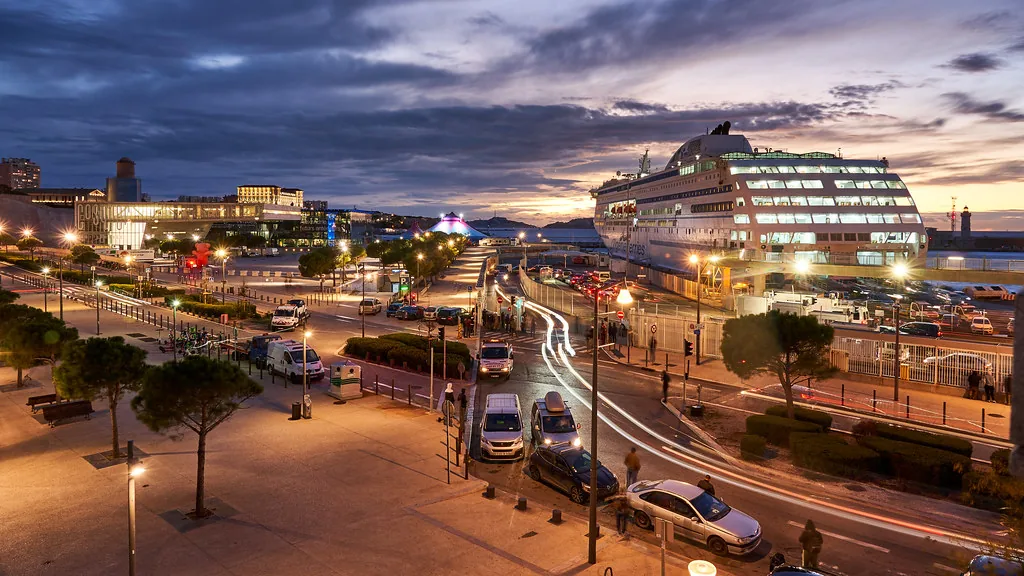
Clothing should be durable enough for city exploration but stylish enough for a nice lunch at the Vieux Port. Pack items that can be easily hand-washed and dried overnight in your accommodation to keep your bag light. Avoid synthetic fabrics that trap heat, as the sun reflecting off the white limestone buildings can be quite intense. A versatile scarf serves as a fashion accessory, a sun shield, or a modest cover for visiting historic cathedrals.
- Three breathable cotton or linen shirts
- Two pairs of lightweight trousers
- One versatile mid-layer or light jacket
- Comfortable swimwear for the Mediterranean
- One set of smart-casual evening attire
- Underwear and socks for seven days
Footwear for Cobblestones and Calanques
Marseille is a city of hills and uneven surfaces that will quickly punish the wrong choice of footwear. The historic Panier district features steep limestone stairs and ancient cobblestones that require shoes with excellent grip. Avoid thin-soled flip-flops for city walking, as they offer no support on the rugged urban terrain.
Hiking the Calanques National Park requires much more specialized gear than a standard city stroll. The trails are often composed of loose rocks and steep inclines that can be slippery even in dry weather. Proper trail runners or light hiking boots are essential to prevent ankle injuries during your coastal exploration. Many travelers underestimate these paths and find themselves struggling in basic tennis shoes or fashion sandals.
Footwear usually takes up the most space in a suitcase, so limit yourself to three essential pairs. Wear your bulkiest shoes on the TGV or plane to save room for souvenirs like local soaps. Pack a pair of nicer loafers or leather sandals for evening meals where you might want to feel more polished. Always break in new shoes at least two weeks before your trip to avoid painful blisters in Marseille.
- Supportive sneakers for urban exploration
- Rugged trail shoes for Calanques hiking
- One pair of smart-casual evening shoes
- Moisture-wicking socks to prevent blisters
- Adhesive bandages for unexpected foot pain
- Flip-flops only for beach or shower
Toiletries and the French Pharmacy Strategy
The smartest move on any Marseille packing list is to bring less, not more, in your toiletry bag. French pharmacies, the green-cross Pharmacie you will see on nearly every corner, stock some of the best skincare in the world at prices that often beat what you pay at home. Rather than hauling full-size bottles through airport security, pack travel-size basics and treat your first afternoon as a chance to stock up locally. The reflective glare off Marseille's white limestone makes a high-SPF sunscreen non-negotiable, and a French pharmacist will happily point you to a Mediterranean-grade formula.
There are a handful of items worth buying once you arrive instead of carrying from home. Thermal water spray, micellar cleansing water, and high-protection mineral sunscreen are all pharmacy staples that double as souvenirs you will actually use. The same logic applies to after-sun lotion and a soothing balm for wind-chapped lips, both of which earn their keep against the Mistral. Buying these locally keeps your carry-on under the liquids limit and leaves room in your bag for the trip home.
Keep a single clear quart-size bag for the liquids you genuinely need on the journey: a small toothpaste, deodorant, any prescription medication in its original packaging, and a basic first-aid strip of plasters for blisters. Everything else can wait. This approach turns the toiletry section of your Marseille packing list from a bulky liability into a near-empty pocket, which is exactly what you want when you are hopping between trains and steep cobbled streets.
- Travel-size sunscreen (top up at a Pharmacie)
- Micellar water and a gentle cleanser
- Lip balm and after-sun for Mistral days
- Toothbrush, paste, and deodorant
- Prescription medication in original boxes
- Blister plasters and basic first-aid items
The Mistral Wind: Specialized Packing
The Mistral is a powerful, cold wind that can blow through Provence at any time of the year. It clears the sky to a brilliant blue but can make the perceived temperature feel much colder than it is. A high-quality windbreaker is the most important item to combat this unique weather phenomenon effectively. Choose a jacket with a hood that can be cinched tight to prevent it from blowing off your head.
Scarves are not just a fashion statement in Marseille; they are a functional necessity against the wind. Protecting your neck from the sudden gusts can prevent the discomfort often associated with the Mistral's chill. This small accessory provides an extra layer of warmth without adding any significant weight to your daily bag.
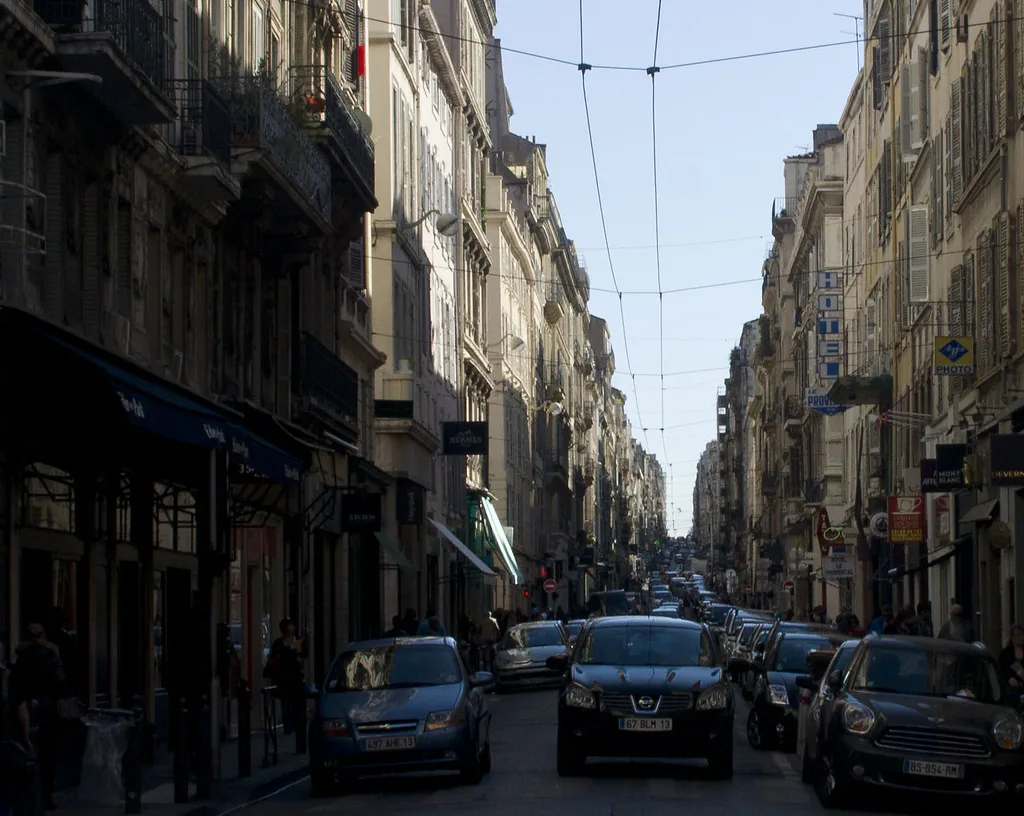
Be mindful of loose items like hats or light sunglasses when the wind picks up near the coast. The gusts can be strong enough to snatch a loose cap right off your head and into the harbor. Consider using a retain strap for your eyewear if you plan on taking a boat trip to the Frioul Islands. The wind also stirs up dust, so having a pair of wrap-around sunglasses can protect your eyes during long walks.
- High-quality hooded windbreaker or shell
- Lightweight scarf for neck protection
- Hat with a secure chin strap
- Sunglasses with a snug, secure fit
- Lip balm to prevent wind burn
- Hair ties for long hair management
On the Day Checklist
Daily preparation in Marseille ensures you can explore the city safely and comfortably without returning to your hotel. Start your morning by checking the local forecast, as Mediterranean weather can change quickly in the afternoon. Apply a high-quality sunscreen even on cloudy days, as the UV index remains high near the reflective sea. You can find excellent sun care products at a local French Pharmacie if you forget to bring your own.
Security gear is vital for peace of mind while navigating crowded areas like the Vieux Port or Noailles market. A cross-body bag with locking zippers is an effective deterrent against opportunistic pickpockets in high-traffic zones. Keep your phone and wallet in front pockets rather than back pockets or loose backpack compartments.
Staying hydrated is essential when walking the steep streets of the Panier or hiking the coastal paths. Carry a reusable water bottle that you can refill at the various public fountains located throughout the city center. A portable power bank ensures your phone stays charged for navigation and capturing photos of the stunning sunset. Remember that a Universal travel power adapter is required for your electronics if you are coming from outside Europe.
- Cross-body anti-theft bag secured
- Reusable water bottle filled
- Portable power bank fully charged
- Sunscreen applied to exposed skin
- Small amount of Euro cash
- Universal travel power adapter packed
Common Mistakes Checklist
Many travelers overpack for Marseille by bringing items that are simply impractical for the local environment. Heavy umbrellas are a common mistake; the Mistral wind will often break them within minutes of use. A much better alternative is a sturdy rain poncho or a high-quality waterproof jacket with a hood. Leave the expensive jewelry at home to avoid drawing unnecessary attention in busy urban areas.
Bringing too many toiletries is another frequent error since French pharmacies are world-renowned for their quality. Save space in your bag and enjoy shopping for local skincare brands once you arrive in the city. These traditional soaps make excellent gifts and are much cheaper when purchased directly from local producers.
Packing light is particularly important if you are using the TGV to travel between French cities. Luggage racks on high-speed trains can fill up quickly, and maneuvering large suitcases through stations is exhausting. Stick to a carry-on sized bag if possible to make your transitions between transport modes much smoother. Overpacking footwear is the fastest way to exceed your weight limit and lose precious suitcase real estate.
- Skip the flimsy umbrellas
- Avoid packing heavy formal wear
- Don't bring expensive flashy jewelry
- Leave out bulky hair tools
- Minimize non-essential liquid toiletries
- Don't pack high-heeled shoes
Seasonal Weather Breakdown
Marseille enjoys one of the sunniest climates in France, but what you pack shifts noticeably across the year. Summer brings hot, dry days that beg for linen and swimwear, while winter stays mild by northern-European standards yet turns sharp the moment the Mistral arrives. Spring and autumn are the sweet spots for sightseeing weather, though both can throw a sudden shower or a cold gust your way. The table below maps the seasons to the layers and gear that actually make the cut.
| Category | Items | Notes |
|---|---|---|
| Clothing | Linen shirts, lightweight trousers, one mid-layer, smart-casual outfit | Add a packable down layer Dec–Feb; swap in shorts and tank tops Jun–Aug |
| Footwear | Supportive sneakers, trail shoes, evening loafers or sandals | Trail shoes are essential year-round for the Calanques' loose limestone |
| Accessories | Scarf, secure sunhat, wrap-around sunglasses, day bag | The scarf works as warmth in winter and a sun shield in summer |
| Weather-specific | Hooded windbreaker, rain poncho, packable warm layer | Skip umbrellas — the Mistral wind breaks them within minutes |
| Essentials | High-SPF sunscreen, reusable water bottle, power bank, anti-theft bag | Hydration matters most in summer; sun protection matters all year |
Use the season to fine-tune rather than rebuild your bag. A visitor in July leans hard into breathable fabrics and sun protection, while a December traveler simply adds a packable warm layer and a thicker scarf to the same versatile core. Whatever month you choose, the Calanques footwear and a wind-ready outer layer stay on the list because Marseille's coast and its famous wind do not take a season off.
Checked Bag vs. Carry-On Trade-offs
For a Marseille trip, a carry-on almost always wins. The city's layout punishes large luggage: Saint-Charles station greets arrivals with a long, steep staircase, the Panier is a maze of cobbled inclines, and many older buildings have narrow lifts or none at all. A single carry-on plus a small daypack lets you move between the airport, the TGV, and your accommodation without ever waiting at a belt or wrestling a heavy case up the hill.
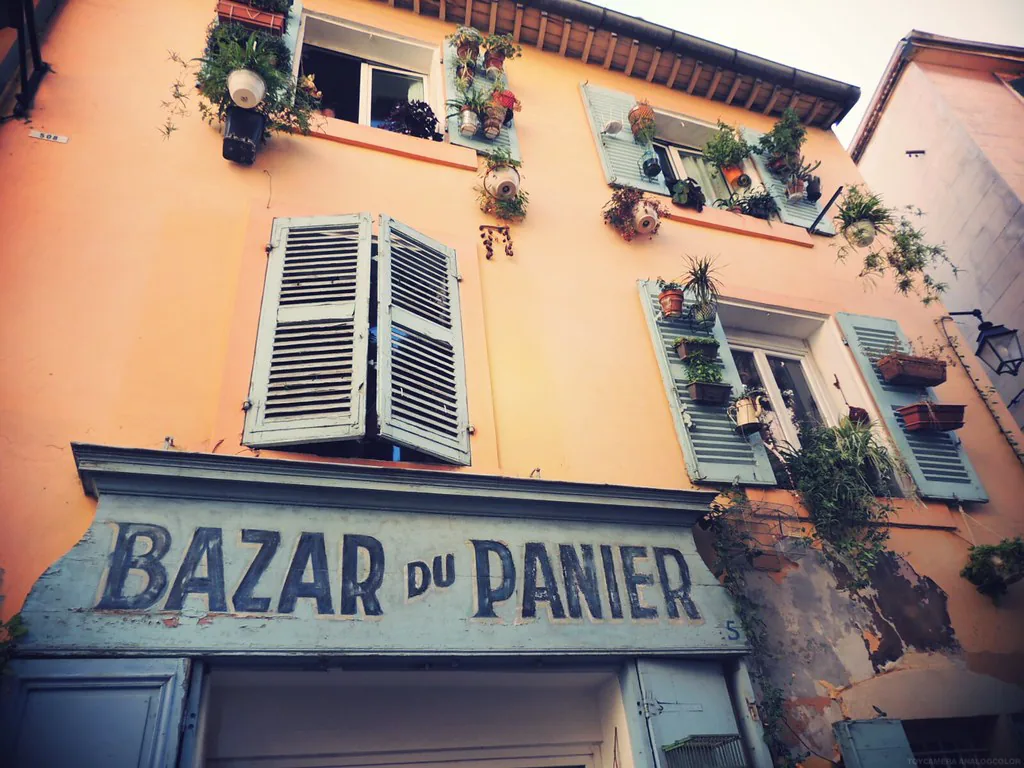
The trade-off worth weighing is the Calanques. If you plan serious hiking, trail shoes and extra layers eat space fast, which can tempt you toward a checked bag. The better fix is to wear your bulkiest shoes in transit and choose a structured carry-on that expands slightly, rather than upsizing to checked luggage you then have to drag through stations. Packing cubes make the difference between a tidy carry-on and an overflowing one. If you open the expansion zipper, measure the bag again and recheck its carry-on size, because the extra depth may put it beyond your selected airline limit.
If you must check a bag, keep one full day's clothing, all medication, your documents, and your chargers in the cabin with you. Mediterranean connections through Marseille are reliable but not immune to delays, and the items that ruin a trip when they go missing are exactly the ones easiest to keep on your person. For most travelers, though, a disciplined carry-on built around this packing list is all Marseille asks for.
Frequently Asked Questions
What should I wear in Marseille to look like a local?
Locals prefer a relaxed, Mediterranean style featuring neutral colors and breathable fabrics like linen. Avoid athletic wear unless hiking and opt for smart sneakers or leather sandals. A simple scarf adds a French touch while protecting against the coastal breeze.
Do I need special shoes for the Calanques?
Yes, rugged footwear is essential for the Calanques due to the steep, rocky, and often slippery limestone trails. Trail runners or light hiking boots provide the necessary grip and ankle support. Standard fashion sneakers often lack the traction required for these coastal paths.
How do I pack for the Mistral wind in Provence?
Prioritize a high-quality windbreaker with a secure hood and a lightweight scarf for neck protection. These items block the chill without adding significant bulk to your luggage. Secure your hat and sunglasses to prevent them from blowing away in strong gusts.
Packing for Marseille is about finding the perfect balance between urban style and coastal practicality. By focusing on versatile layers and sturdy footwear, you can navigate the city and the Calanques with ease. Remember to leave some space in your bag for the incredible local products you will find in the markets. A well-prepared suitcase allows you to focus on the vibrant culture and stunning views of the Mediterranean.
Editorial correction — September 19, 2026: Removed unsupported personal-experience claims attributed to the former fictional byline. This edit does not constitute a full factual review of the guide.
Free: The Ultimate Packing Cheat Sheet
A carry-on capsule wardrobe, the complete packing checklist, layering made simple, and what to wear by season — one printable page you'll use on every trip.
You might also like


Continue reading
More guides you'll find useful