Seville Packing List: 10 Essential Categories for 2026
Master your Seville packing list with our expert guide. From summer heat essentials to April Fair style tips and cobblestone-ready shoes, pack like a local.
On this page
Seville Packing List: The Ultimate Guide for Every Season
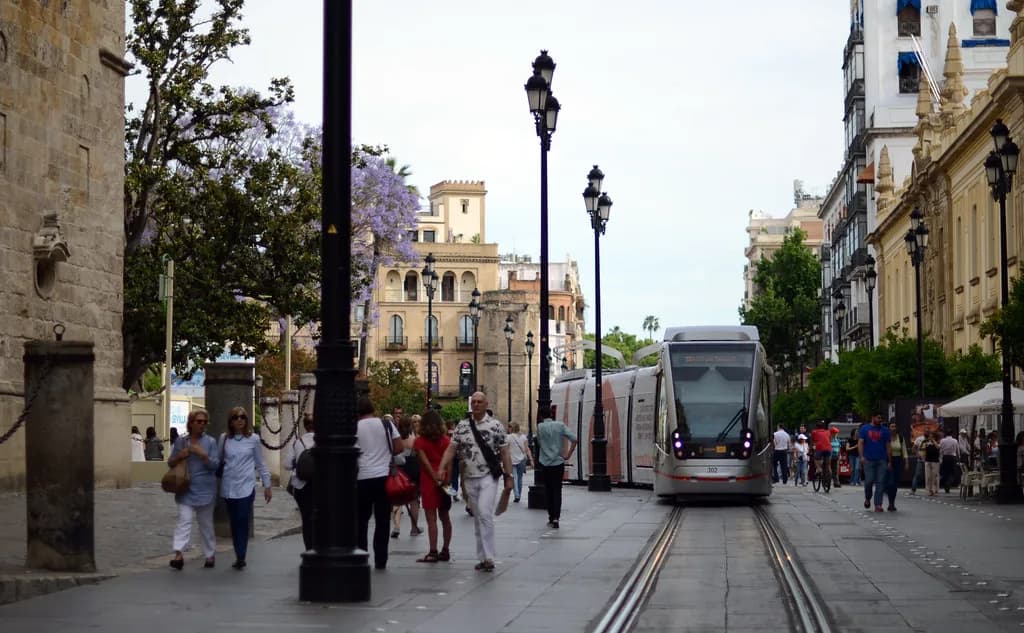
Preparing for a 2026 trip to the heart of Andalusia requires a smart Seville packing list built around the city's two extremes: punishing summer heat and damp, chilly winters. This guide cuts straight to what you actually need by season, by activity, and by attraction dress code, so you arrive prepared rather than overpacked. I always follow a strict pack-light strategy where every item must serve at least two separate purposes. Versatility is your best friend when moving from a morning cathedral tour to a late-night tapas crawl in Triana.
Seville is a city where style meets tradition, so blending in requires more than just standard tourist gear. I once forgot to bring a modest shoulder covering and had to buy a cheap scarf just to enter the Cathedral. This checklist helps you avoid those small mistakes while ensuring you have the right gear for those famous cobblestone streets. Whether you are visiting for the April Fair or a winter escape, these essentials will keep you prepared for anything.
Free: The Ultimate Packing Cheat Sheet
A carry-on capsule wardrobe, the complete packing checklist, layering made simple, and what to wear by season — one printable page you'll use on every trip.
Before You Go Checklist: Documents & Money
Securing your legal and financial documents is the first step for any successful travel adventure in Spain. I recommend keeping digital copies of your passport and insurance on a secure cloud drive for emergency access. Seville is very card-friendly, but having small Euro denominations is vital for traditional tapas bars that lack modern terminals. Check your bank's foreign transaction fees before you depart to avoid unnecessary charges on every small purchase.
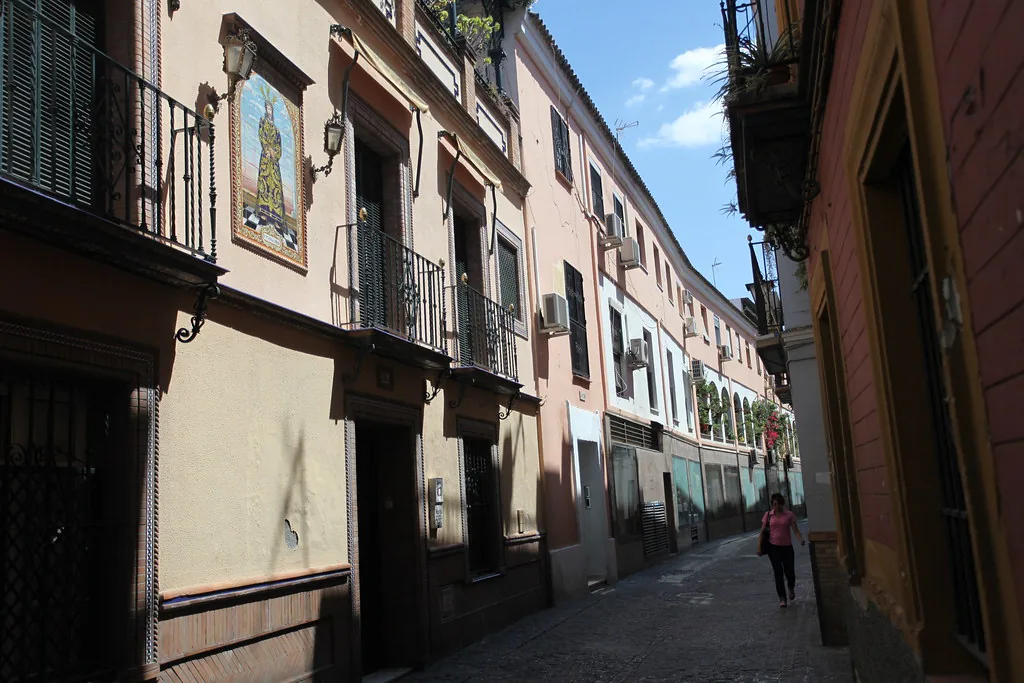
Travel insurance is non-negotiable, especially if you plan on taking day trips to nearby white villages or coastal areas. Ensure your policy covers medical emergencies and potential theft in crowded tourist hubs like the Santa Cruz district. If you are a student, bring your physical ID card to access significant discounts at major monuments and museums. Many sites require pre-booked digital tickets, so ensure your email confirmations are organized and easy to find quickly.
When planning your time, a guide like ‘Seville In Two Days’ can help you prioritize which tickets to buy. Print a physical copy of your hotel address and phone number in case your phone battery dies upon arrival. Notify your credit card company about your travel dates to Spain to prevent your account from being frozen. Keep your primary passport in the hotel safe and carry a high-quality color photocopy while exploring the city streets.
- Passport and multiple color photocopies
- Digital travel insurance policy documents
- Physical student ID for monument discounts
- Small Euro bills for local bars
- Printed hotel address and contact info
- Pre-booked tickets for the Royal Alcázar
- Emergency contact list on physical paper
- Debit card with zero international fees
Clothing & Layers: What to Wear in Seville
Deciding what to wear in Seville depends heavily on the month of your visit and the daily temperature. During the summer, the heat can exceed 40°C, making breathable fabrics like linen and cotton absolutely essential for survival. Locals tend to dress in a smart-casual style, so avoid overly athletic gear if you want to blend into the crowd. Jeans are common in the cooler months, but they may feel too heavy and restrictive during the intense July heat.
If you are visiting in the shoulder seasons, look at what to wear in Seville in May for layering tips. Mornings can be surprisingly crisp, while the afternoon sun remains strong enough to require short sleeves and light fabrics. A light pashmina or scarf is a versatile item that works for both temperature changes and meeting cathedral dress codes. For those visiting in the winter, a medium-weight jacket is necessary as the humidity makes the air feel quite chilly.
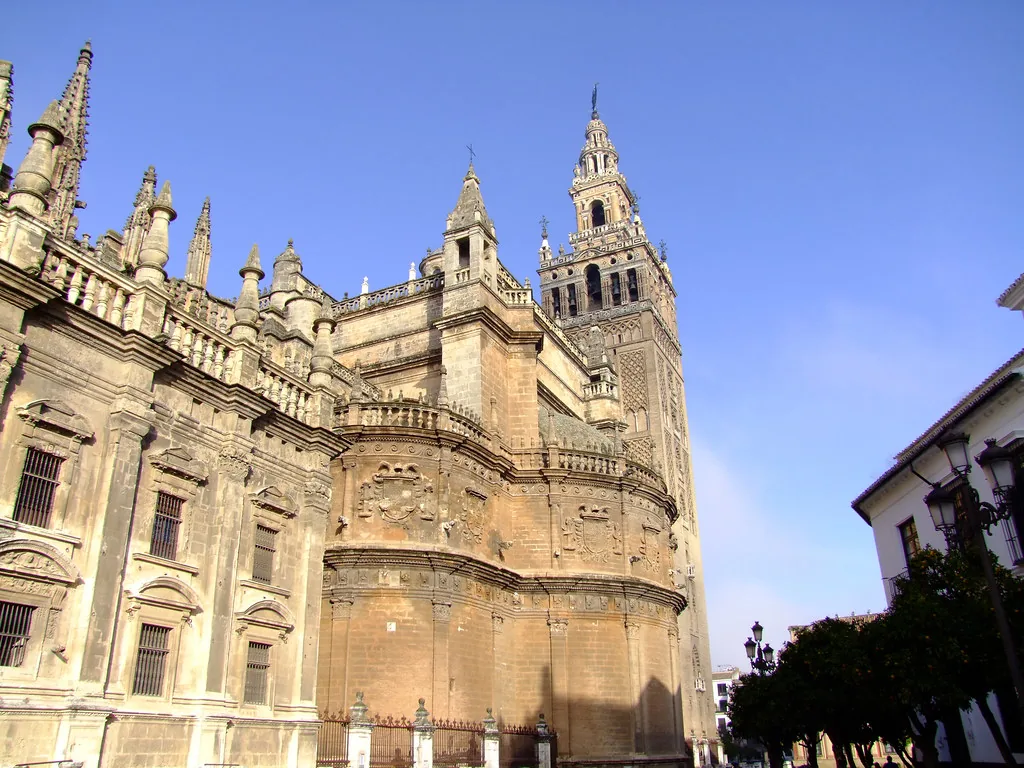
Footwear is the most critical part of your clothing choices due to the uneven and historic cobblestone streets. I once wore thin-soled sandals and regretted it after just two hours of walking through the historic center's maze. Choose shoes with thick, supportive soles and good ankle stability to navigate the city without developing painful foot fatigue. Avoid bringing brand-new shoes that haven't been broken in, as blisters can quickly ruin your sightseeing plans.
- Linen shirts or breathable cotton tops
- Lightweight trousers or midi-length skirts
- Sturdy walking shoes with thick soles
- Light scarf for covering shoulders
- Polarized sunglasses with UV protection
- Wide-brimmed hat for summer sun
- Compact umbrella for winter rain
- Smart-casual outfit for evening tapas
On the Day Checklist: Practical Items
A daily Seville packing list should focus on sun protection and staying hydrated throughout your long walking tours. The Andalusian sun is remarkably strong, even on cloudy days, so high-SPF sunscreen is a mandatory requirement for everyone. I always carry a refillable water bottle, though some travelers find the local tap water has a strong mineral taste. Using a bottle with a built-in filter can improve the flavor and ensure you stay hydrated without buying plastic.
Tech needs are simple but vital, starting with a high-capacity portable power bank to keep your maps running all day. You will likely take hundreds of photos of the stunning architecture, which drains phone batteries faster than you might expect. A universal travel power adapter is required because Spain uses Type C and F sockets with a 230V supply. I never leave my accommodation without checking that my adapter is packed securely in my day bag for emergencies.
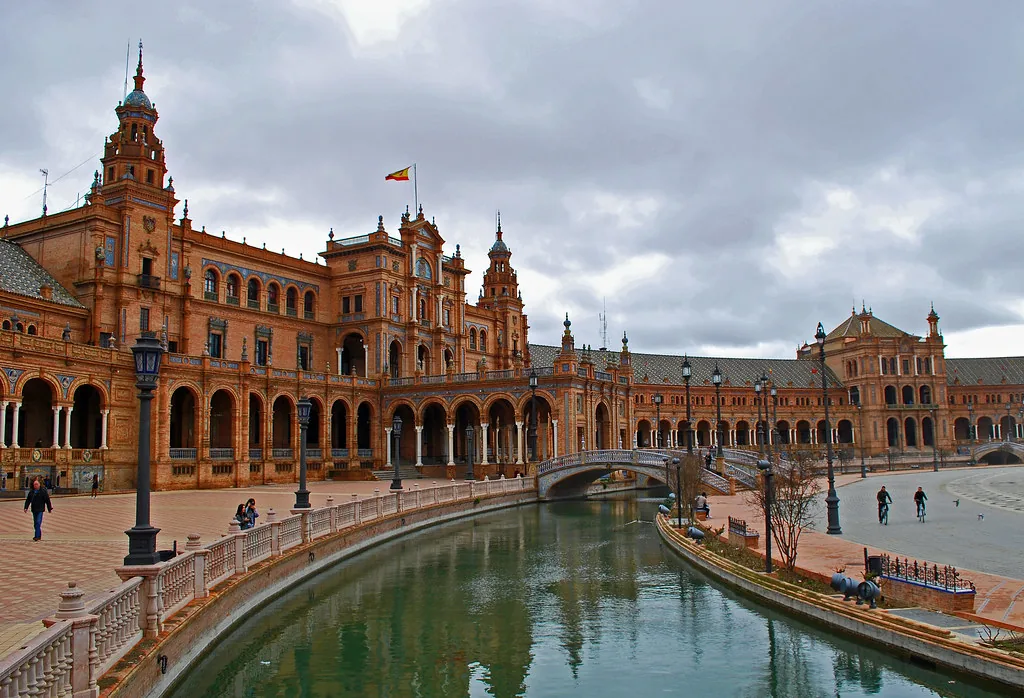
Security is generally good, but pickpocketing can occur in crowded areas like the Plaza de España or near the Cathedral. Use a cross-body bag with secure zippers rather than a backpack that sits behind you where you cannot see it. Keep your phone tucked away when not in use and avoid hanging your bag on the back of chairs in cafes. A few simple precautions allow you to focus on the beauty of the city rather than worrying about your belongings.
- Universal travel power adapter Type F
- High-capacity portable phone power bank
- Refillable water bottle with filter
- SPF 50 sunscreen and lip balm
- Secure cross-body bag with zippers
- Hand sanitizer and small tissue packs
- Local map app with offline access
- Small first aid kit with blisters
Common Mistakes Checklist: What Not to Pack
Many travelers make the mistake of overpacking heavy items that are difficult to carry across the city's narrow streets. If your hotel is in the old town, you might have to walk your luggage several blocks over uneven stones. I suggest leaving bulky hair dryers at home as most modern hotels and rentals in Seville provide them for guests. Heavy denim jackets are often too warm for the day and too bulky to carry when the sun comes out.
Another common error is bringing formal high heels, which are nearly impossible to wear safely on the historic cobblestones. Even for a nice dinner, a pair of stylish flats or wedges will serve you much better than thin heels. Skip the expensive jewelry to avoid drawing unnecessary attention and to keep your mind at ease while exploring busy markets. You should also avoid packing too many 'just in case' outfits that only add weight to your suitcase without being used.
Understanding what to wear in Seville in August can help you avoid packing dark, heavy clothing. Dark colors absorb heat and will make you feel significantly hotter when walking through the sun-drenched plazas of Andalusia. Focus on light colors and loose fits that allow for maximum airflow and comfort during the peak afternoon temperatures. By narrowing down your list to the essentials, you leave more room for souvenirs like local ceramics or fans.
- Stiletto heels useless on cobblestone streets
- Bulky hair dryers provided by hotels
- Heavy denim jackets too bulky for heat
- Expensive jewelry that attracts unwanted attention
- Too many heavy books or guides
- Dark colored clothing that absorbs heat
- Excessive 'just in case' clothing items
Seasonal Clothing: What to Pack by Season
Seville has a Mediterranean climate with two faces, so packing by season matters more here than in most European cities. Summer (June to early September) routinely tops 40°C, and the heat lingers well after dark. Winter (December to February) is mild by Northern standards but the humidity makes evenings feel raw, and rain arrives in short, heavy bursts.
The shoulder seasons are the sweet spot for visitors and for packing. April, May, and October deliver warm afternoons and cool mornings, so a layering strategy lets one capsule wardrobe handle a 15-degree daily swing. Spring also brings Holy Week and the April Fair, when locals dress up and you may want one smarter outfit in the bag.
Whatever the month, build around breathable natural fabrics, light colours that reflect heat, and one weatherproof layer. The table below distils a full Seville packing list into categories so you can check off essentials at a glance rather than wading through prose.
| Category | Items | Notes |
|---|---|---|
| Clothing | Linen and cotton tops, light trousers, midi skirts/dresses, one smart-casual outfit | Light colours and loose fits for airflow; add a medium-weight jacket Nov–Feb |
| Footwear | Thick-soled walking shoes or trainers, stylish flats/wedges, sandals (summer) | Break shoes in first; skip stilettos — cobblestones are merciless |
| Accessories | Wide-brimmed hat, polarised sunglasses, light scarf/pashmina, hand fan | Scarf doubles as cathedral shoulder cover; a paper fan is genuinely useful in summer |
| Weather-specific | Compact umbrella, packable rain shell (winter); SPF 50, refillable bottle (summer) | Summer needs cooling and hydration; winter needs damp-proofing |
| Essentials | Type F adapter, power bank, eSIM/SIM, cross-body anti-theft bag, mini first-aid kit | Spain runs 230V Type C/F sockets; keep valuables zipped and in front |
April Fair & Smart Festival Wear (Feria de Abril)
If your trip overlaps the Feria de Abril, your packing list changes. Sevillanos take the fair seriously, and the casetas (private tents) have an unspoken dress code that is dressier than everyday wear. You do not need to buy a full flamenco dress, but turning up in shorts and flip-flops will feel out of place.
For women, a smart midi or maxi dress with a pair of comfortable wedges blends in beautifully, ideally in a bright colour with a flower or comb for the hair. For men, smart trousers with a pressed shirt and leather shoes is the safe, respectful choice. Both should expect to be on their feet, often on dusty fairground sand, well past midnight.
Connectivity: International eSIM vs Local SIM
Staying connected in Seville is simple, but the right choice depends on your phone and your trip length. An international eSIM (such as Airalo or Holafly) installs before you fly, activates the moment you land, and keeps your home number active for two-factor codes. The trade-off is a higher per-gigabyte price and, on some plans, capped or throttled data.
A local physical SIM from Orange, Vodafone, or a budget brand like Lobster or Digi is the cheaper route for heavy data users or longer stays, with generous EU allowances. The catch is you usually need to visit a shop with your passport and swap out your home SIM, which means juggling tiny cards and losing your usual number while abroad.
For a short city break, an eSIM is the lower-friction option and worth the small premium; for a study-abroad semester or a multi-week Spain trip, a local SIM wins on cost. Whichever you pick, download offline maps before you go so a dead signal in the Santa Cruz maze never strands you.
Activity-Specific Gear: Tapas Tours to Flamenco Nights
Seville rewards travellers who pack for how they actually spend the day. A morning of monument-hopping calls for a lightweight daypack, SPF, and a refillable bottle; an evening tapas crawl in Triana asks for one smarter layer so you can move from street food to a candlelit bar without feeling underdressed. A small cross-body bag keeps hands free for sharing plates and keeps valuables in view in busy bars.
For an intimate flamenco show at a tablao, smart-casual is expected and the rooms are often warm, so pack a top you can perform in comfortably while seated close together for an hour. Tap water in Seville is safe to drink and tightly regulated, though many visitors find it has a strong mineral taste — a filtered bottle solves that and cuts down on single-use plastic in the summer heat.
Watch: Packing the Essentials for Spain
If you prefer a visual run-through before you start filling the suitcase, this practical 2026 walkthrough covers the clothing, tech, and travel essentials that earn their place on any Spain trip — a useful sanity check against the categories above.
Frequently Asked Questions
Is it okay to wear jeans in Seville?
Yes, jeans are perfectly acceptable in Seville, especially during the cooler months from October to April. However, they can be too hot for the summer. Locals prefer a smart-casual look, so pair them with nice shoes rather than gym wear.
What should I wear to the Seville Cathedral?
The Cathedral enforces a modest dress code for all visitors. Ensure your shoulders are covered and your skirts or shorts reach at least mid-thigh. A light scarf is a great way to cover up quickly before entering the sacred space.
Do I need a power adapter for Spain?
Spain uses Type C and Type F power sockets with a standard voltage of 230V. You will need a universal travel power adapter if your devices use different plugs. Most modern electronics like phones and laptops are dual-voltage compatible.
Can I drink tap water in Seville?
Yes, tap water in Seville is safe to drink and tightly regulated. Some visitors find it has a noticeable mineral taste, so a refillable bottle with a built-in filter improves the flavour and saves money and plastic during the hot summer months.
What are the best shoes for walking in Seville?
Choose shoes with thick, supportive soles and good stability for the historic cobblestone streets. Broken-in walking shoes, trainers, or sturdy flats work best. Avoid stilettos and brand-new footwear, which cause blisters and are unsafe on uneven stone.
Creating a balanced Seville packing list ensures you can enjoy the city's rich history without unnecessary physical discomfort. By focusing on breathable fabrics, sturdy shoes, and essential tech, you stay prepared for the unique Andalusian environment. Remember to leave a little extra room in your bag for the beautiful local crafts you will undoubtedly find. Safe travels as you explore the stunning streets, vibrant plazas, and incredible food scene of this historic Spanish gem.
Free: The Ultimate Packing Cheat Sheet
A carry-on capsule wardrobe, the complete packing checklist, layering made simple, and what to wear by season — one printable page you'll use on every trip.
You might also like



Continue reading
More guides you'll find useful