10 Essential Tips for What to Wear in Seville in July
Master the Seville summer heat with our July packing guide. Discover 10 essential tips on fabrics, church dress codes, and local style to stay cool and chic.
On this page
10 Essential Tips for What to Wear in Seville in July
I visited Seville during a record-breaking heatwave in late July, and the intensity of the sun was unlike anything I had ever felt. The best time to visit Seville for most travelers is actually the shoulder months — plan ahead with what to wear in Seville in May or what to wear in Seville in October. Updated July 2024 from my most recent summer visit, this guide focuses on surviving the peak of the Andalusian summer. Choosing what to wear in Seville in July requires a strategic balance between staying cool and respecting local cultural norms. For the full year-round overview, see our main guide to what to wear in Seville.
The city transforms into a quiet furnace during the afternoon, making lightweight, breathable fabrics your most important asset. Locals adhere to a strict siesta schedule, often disappearing from the streets between 2:00 PM and 8:00 PM to avoid the peak UV index. Planning your wardrobe around a 'two-outfit day' will help you stay fresh as you transition from morning sightseeing to late-night tapas. This guide breaks down exactly how to navigate the heat while looking effortlessly chic in Spain’s most beautiful southern city.
Free: The Ultimate Packing Cheat Sheet
A carry-on capsule wardrobe, the complete packing checklist, layering made simple, and what to wear by season — one printable page you'll use on every trip.
Seville Weather in July: Surviving the Frying Pan
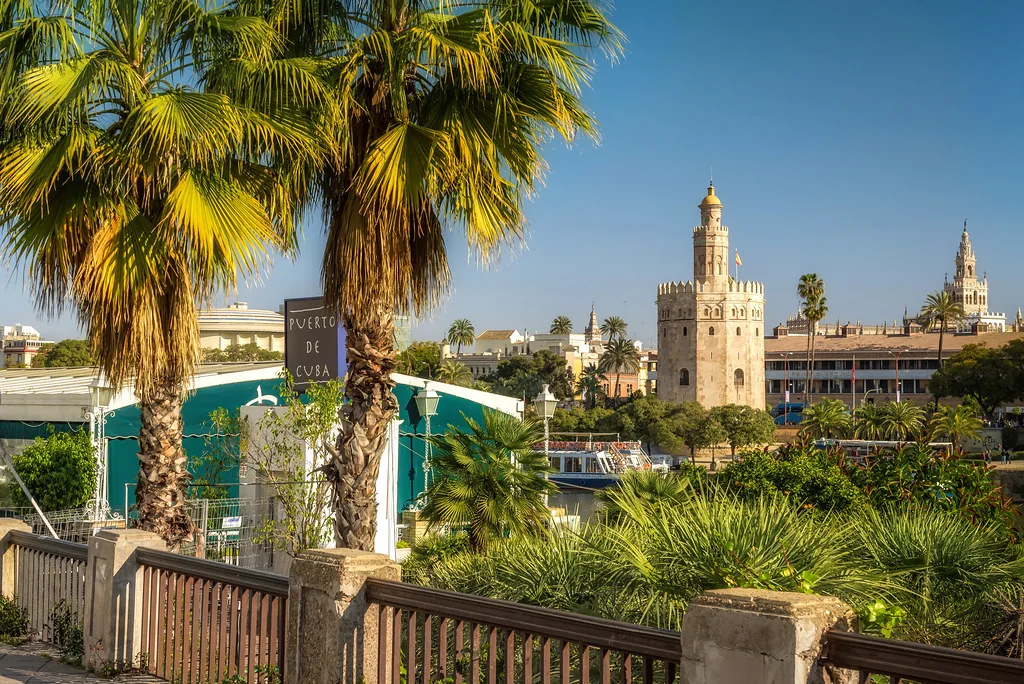
Seville is often called the 'Frying Pan of Europe' for a very literal reason during the height of summer. Daily high temperatures consistently reach 36–42°C / 97–108°F, and the dry heat can feel quite oppressive by midday. I remember walking past the Real Alcázar at 4:00 PM and seeing the pavement shimmering from the extreme thermal radiation. Nighttime offers some relief, but even then, temperatures rarely drop below 22°C / 72°F before midnight.
Humidity remains low, which means sweat evaporates quickly, but you must stay hydrated to avoid heat exhaustion. The sun hits the narrow streets of the Santa Cruz neighborhood directly from above during the late morning hours. Wearing a wide-brimmed hat is not just a fashion choice here; it is a vital health requirement for outdoor exploration. Understanding this climate is the first step in deciding what to pack for Seville to ensure your comfort.
Season Comparison: Managing the Andalusian Heat
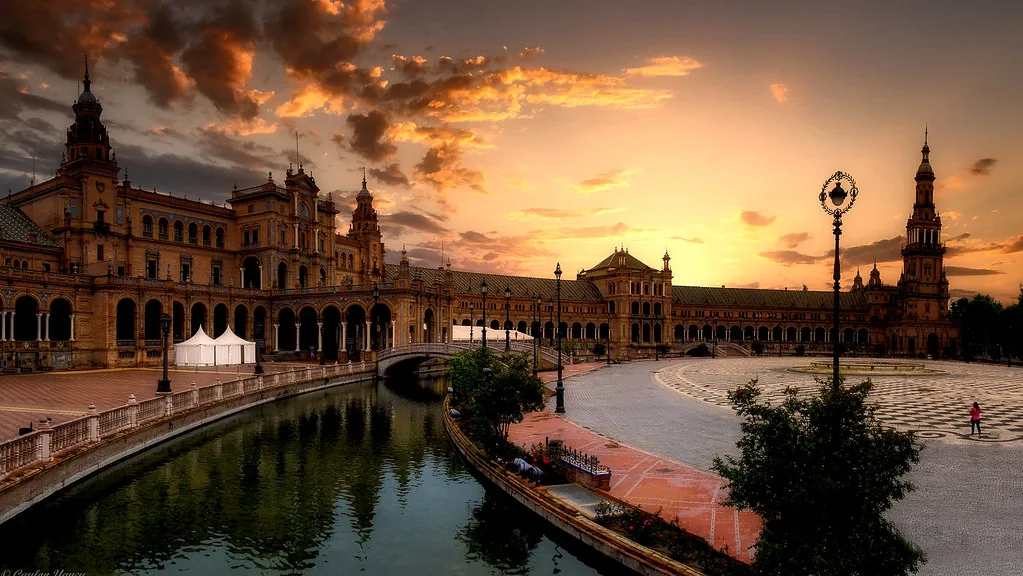
Comparing July to other months helps illustrate why your wardrobe needs to be so specialized for this specific window. While what to wear in Seville in June already calls for hot-weather fabrics, July brings a sustained thermal mass that makes the city feel significantly warmer. Prices for accommodation often dip slightly in mid-July as the domestic crowds head toward the cooler Atlantic or Mediterranean coasts. According to historical climate data, July is also the driest month, with almost zero chance of rain disrupting your plans.
| Season | Weather | Crowds | Prices | Events | Best for |
|---|---|---|---|---|---|
| Early to mid-May | 24–28°C / 75–82°F | Very High | Premium | Feria de Abril | Sightseeing |
| Entire month of July | 36–42°C / 97–108°F | Moderate | Lower | Velá de Santa Ana | Nightlife |
| Late Sept to Oct | 26–32°C / 79–90°F | High | Mid-range | Flamenco Biennial | Photography |
| Dec to Jan | 16–20°C / 60–68°F | Low | Budget | Three Kings | Culture |
Pick X If: Choosing Your Seville Style
Your personal travel style will dictate how you interpret the heat management rules of southern Spain. Some visitors prefer the technical cooling of athletic gear, while others want to mirror the elegant linen looks of the locals. During my last trip, I noticed that the most comfortable people were those wearing loose, billowing silhouettes that allowed airflow. Consider your itinerary, as a day spent in museums requires different coverage than a day of walking the riverfront.
- Pick linen trousers if you want
- Maximum breathability and sun protection
- Pick flowy midi dresses if you want
- To meet church dress codes easily
- Pick moisture-wicking shirts if you want
- To manage heavy perspiration during hikes
- Pick adjustable leather sandals if you want
- To accommodate heat-swollen feet comfortably
The Golden Rule: Prioritizing Natural Fabrics
In 40°C heat, the weight and weave of your fabric are more important than the actual style of the garment. Synthetics like polyester trap heat against your skin, leading to rapid overheating and general discomfort within minutes. I recommend looking for 'low-GSM' (grams per square meter) linen, which is thin enough to let the breeze through. Lightweight cotton is a secondary option, though it tends to hold onto moisture longer than linen does after sweating.
Silk can be a luxurious choice for evening tapas, but it may show sweat marks more easily than textured fabrics. Avoid heavy denim at all costs, as it acts as an insulator and will make your legs feel incredibly heavy. If you are worried about wrinkles, a linen-cotton blend offers the best of both worlds for a polished look. Always check the labels of your clothes to ensure you are wearing 100% natural fibers for the best cooling effect.
Respectful Tourism: Dress Codes for the Cathedral
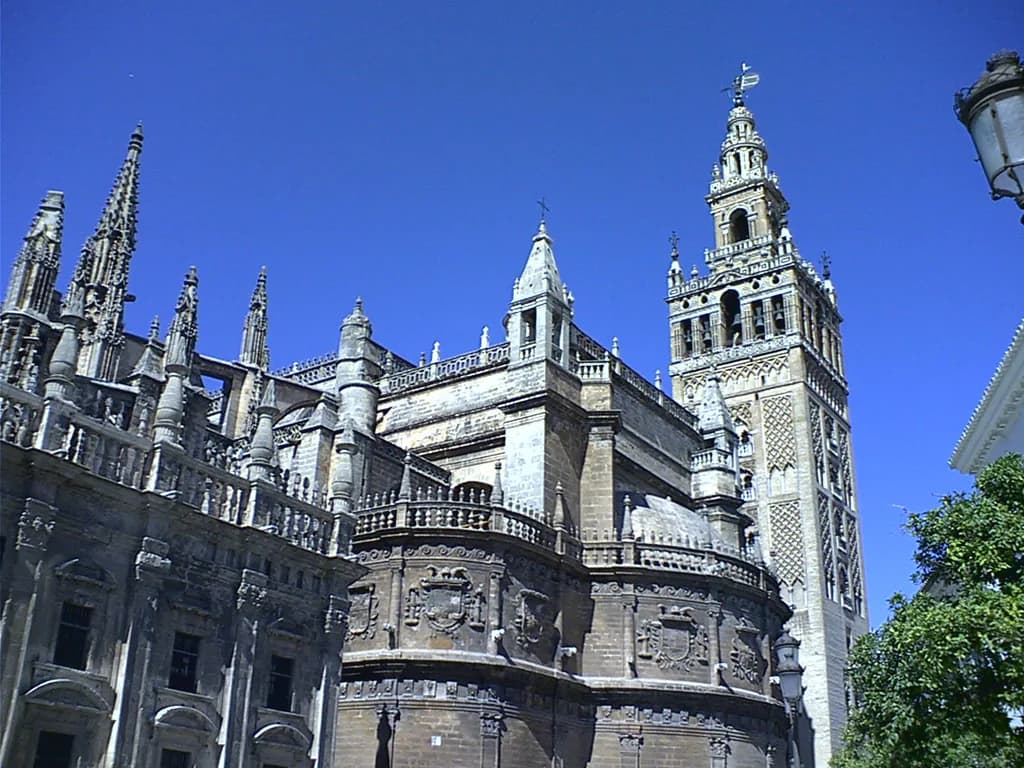
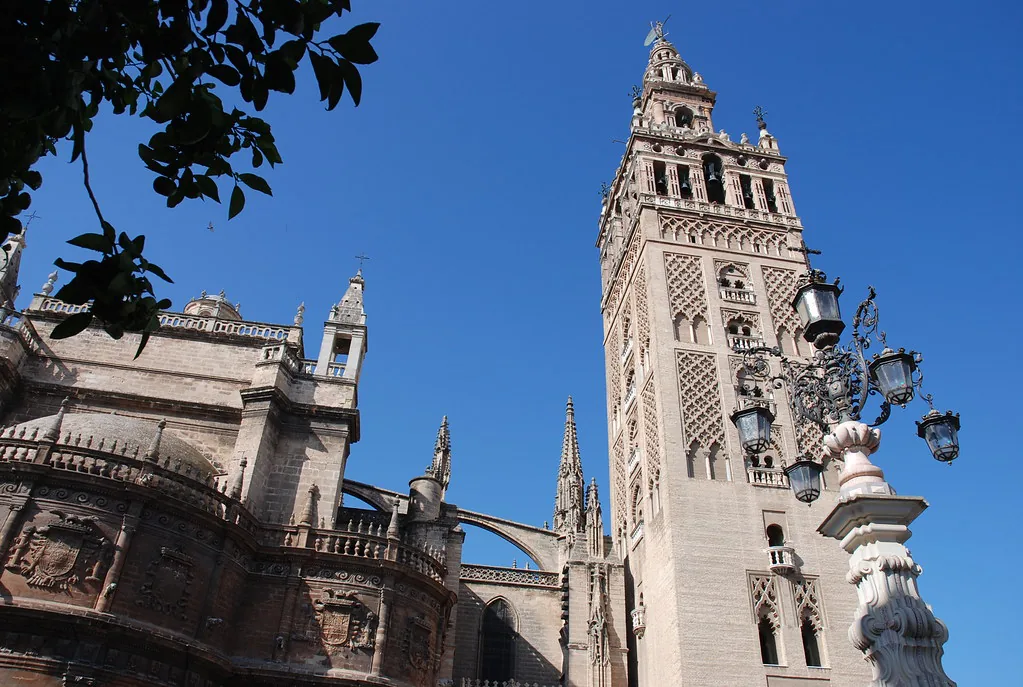
The Seville Cathedral and the Real Alcázar are active religious and historical sites with specific expectations for visitor attire. Security guards frequently remind tourists that shoulders and knees must be covered to enter the main sacred areas. I once saw a group turned away for wearing spaghetti-strap tops and very short athletic shorts in the afternoon heat. A simple solution is to carry a lightweight pashmina or sarong in your bag to wrap around yourself when entering.
Men should avoid wearing tank tops or sleeveless shirts when visiting these major landmarks to show proper respect. While shorts are generally acceptable if they reach the knee, tailored trousers are a more common sight among local men. Footwear is less strictly regulated, but wearing very casual flip-flops can sometimes feel out of place in these grand settings. Planning your 'Cathedral day' outfit in advance ensures you won't miss out on seeing the stunning Gothic interior.
What to Pack: Your Seville July Essentials
Packing for Seville in July is about minimalism and high-quality basics that can handle frequent washing. You will likely want to change your clothes after your afternoon siesta because of the dust and heat. Including a small bottle of anti-chafe balm is a pro tip that many travelers overlook until they are in pain. The cobblestone streets of the city center are beautiful but can be brutal on thin-soled shoes or high heels.
- Pack a Spanish fan (Abanico)
- For immediate personal cooling in crowds
- Pack polarized sunglasses
- To protect against intense Andalusian glare
- Pack high-SPF sunscreen
- Essential for the 10+ UV index
- Pack a refillable water bottle
- To use at public cooling fountains
What's Closed in Low Season and Heat Peaks
While July is technically high season for tourism, the extreme heat creates a secondary 'low season' rhythm for locals. Many small, family-run boutiques and traditional workshops close entirely from 2:00 PM until 5:30 PM or 6:00 PM. Some smaller restaurants in the residential districts may even close for several weeks in midsummer, so it is worth checking what to wear in Seville in August if your trip extends later. You should also be aware that government officials have even banned beachwear in the town center to maintain public decorum.
Public transport continues to run, but horse-drawn carriage tours may stop during the hottest hours for animal welfare. Most major monuments like the Giralda tower remain open, though the climb is much more taxing in the afternoon. I suggest booking your tickets for the earliest possible morning slots to avoid the peak heat and the crowds. Always check the specific hours for smaller museums, as they often switch to 'horario de verano' (summer hours) in July.
Frequently Asked Questions
Is there a dress code for the Seville Cathedral?
Yes, visitors must cover their shoulders and knees. Avoid wearing tank tops, mini-skirts, or very short shorts. I recommend carrying a light scarf to quickly cover up before you enter the sacred areas.
Can I wear shorts in Seville in July?
Shorts are perfectly acceptable for sightseeing and casual dining in the heat. However, choose tailored or linen styles over gym shorts to blend in better with the locals. Ensure they are long enough for church visits.
What are the best shoes for walking in Seville?
Choose supportive sandals with thick soles to handle the uneven cobblestones. Avoid thin flip-flops which offer no protection against the hot pavement. Your feet may swell in the heat, so adjustable straps are a lifesaver.
Navigating Seville in July is a test of endurance, but the right wardrobe makes the experience significantly more enjoyable. By focusing on natural fibers and respecting local customs, you can explore the city with confidence and comfort. Remember to embrace the siesta lifestyle and save your most stylish outfits for the cooler, vibrant Andalusian nights. Seville is a city of incredible beauty, and being prepared for the heat allows you to focus on the magic of the moment.
Free: The Ultimate Packing Cheat Sheet
A carry-on capsule wardrobe, the complete packing checklist, layering made simple, and what to wear by season — one printable page you'll use on every trip.
You might also like



Continue reading
More guides you'll find useful