
What to Wear in Prague in November: Packing for Cold, Damp Days
November in Prague is cold and damp, with limited daylight. Learn what to pack and wear for comfort, from thermal layers to waterproof boots and warm accessories.
On this page
What to Wear in Prague in November: Packing for Cold, Damp Days
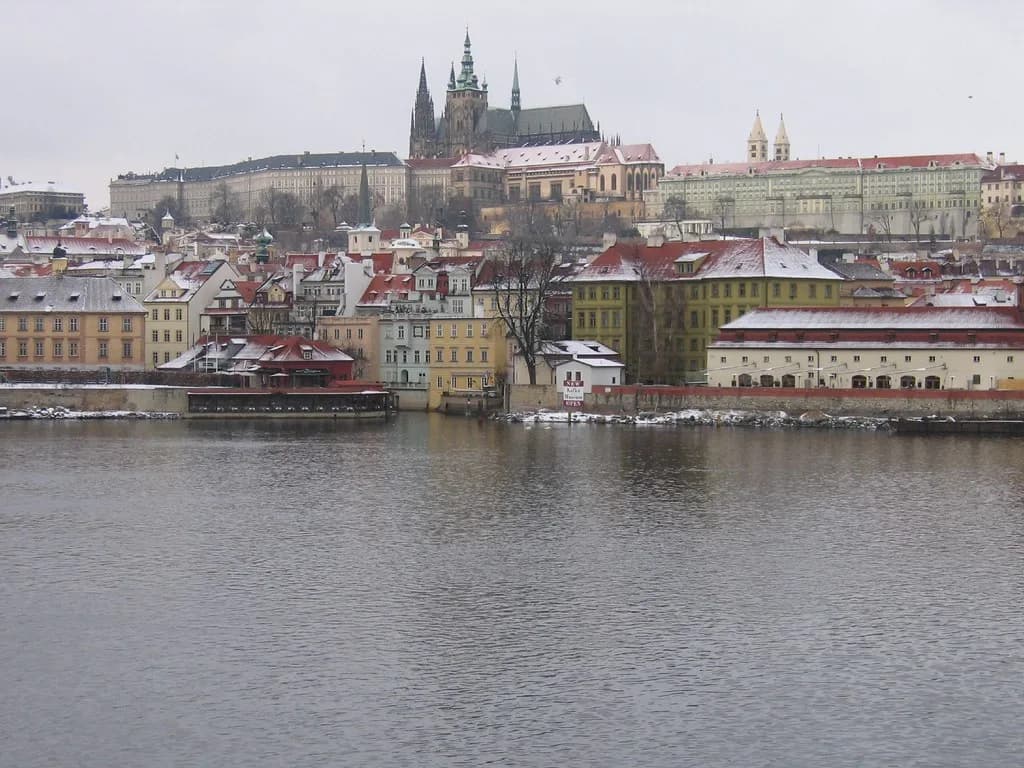
November transforms Prague into a quiet, atmospheric city where golden leaves give way to grey skies and early evenings. The two main challenges you will face are staying warm and staying dry, as temperatures hover just above freezing and rain can appear on many days. While this is the off-season, charming Christmas market stalls often begin to appear toward the end of the month, and you will want clothing that lets you enjoy them without shivering. Plan to carry a warm, water-resistant layer and sturdy footwear every day of your visit.
This guide focuses on practical packing decisions rather than sightseeing itineraries. You will find destination-specific advice on base layers, outerwear, footwear, and accessories, along with a sample capsule for a four-day trip. Because weather can vary from crisp sunshine to drizzle and fog, the best approach is a flexible layering system that you can adjust throughout the day.
Free: The Ultimate Packing Cheat Sheet
A carry-on capsule wardrobe, the complete packing checklist, layering made simple, and what to wear by season — one printable page you'll use on every trip.
Prague’s November Climate: Historical Tendencies
November in Prague is characterized by a steady drop in temperatures as the month progresses. According to a local guide, early November averages a high of 9°C (48°F) and a low of 3°C (37°F), while mid-month highs fall to 6°C (43°F) with lows near 1°C (34°F). By late November, the coldest period, highs average only 4°C (39°F) and lows dip to -1°C (30°F). These are historical norms, not a forecast, so you should check the predicted temperatures for your travel dates closer to departure.
Humidity averages around 80%, which makes the damp cold feel more biting, and wind speeds of about 15 km/h (9 mph) can add to the chill. Rain is common, with estimates of 7 to 17 rain days and typically around 30mm (1.18 inches) of total precipitation. Most days bring light drizzle rather than steady downpours, but you should be prepared for occasional heavy showers that pass quickly. Fog, especially in the morning and evening, can also make the air feel heavy and reduce visibility.
Daylight is limited, with only about 8.5 to 9.5 hours between sunrise and sunset early in the month. By late November, the sun sets around 4:00 pm, and overcast days can make it feel dark even earlier. This means you will likely spend more indoor time in the late afternoon, so plan museum or café breaks and dress for the coldest part of the day, which often occurs in the morning and evening.
Snow is possible, though not common, especially toward the end of the month. When it falls, it tends to be light and rarely accumulates, melting quickly in the city. However, if you plan day trips outside Prague, snow is more likely to stick, so check the regional forecast before heading out.
The Layering Strategy for Late Autumn
A successful packing approach for November starts with three essential layers: a thermal or long-sleeve base, a mid-layer such as a fleece or wool sweater, and an outer shell that is both windproof and water-resistant. This system allows you to adapt when you move from a chilly morning to a sunny midday or a drafty tram. You might remove the mid-layer during a warm spell, but keep the base and outer shell for the cooler transition hours.
Consider adding warm tights or leggings under your trousers, especially if you plan to wear jeans, which are not particularly insulating. This editorial suggestion is supported by local advice that thin fabrics such as denim trap little heat. For early starts and evening walks, you will likely need your warmest combinations, while afternoons might allow for a slightly lighter configuration if the sun appears.
Top Layers: Insulated Jacket vs. Wool Coat
Your main outer layer should be warm, ideally insulated with a hood to protect against drizzle and wind. A light down jacket or an insulated parka is a solid choice for daytime sightseeing, as it provides substantial warmth without the bulk of a heavy winter coat. For evenings at restaurants or theaters, a tailored wool coat can be both stylish and practical, but you'll want to ensure it is reasonably warm or you can layer a sweater beneath it.
If you choose a shorter jacket, consider layering a pair of leggings or thermal bottoms under your jeans, a trick that keeps your legs warm without restricting movement. Mid-layers like merino or fleece sweaters add insulation and can be removed if you feel warm indoors. This combination gives you the flexibility to handle the fluctuating temperatures of a November day.
Bottom Layers: Jeans, Trousers, and Leggings
Jeans are a staple for many travelers, but they are not the warmest option on their own. Pack at least one pair of fleece-lined tights or leggings to wear underneath when the temperature drops. Alternatively, ponte pants or wool trousers offer more inherent warmth while still looking polished for an evening out. These editorial choices balance comfort and style for walking-heavy days.
Waterproofing and Windproofing Outerwear
A common dilemma is whether to pack a rain jacket or an umbrella. Local advice in travel forums often favors a rain jacket, especially on windy days when umbrellas are less practical. During November, you'll face both persistent drizzle and occasional gusts, so a jacket with a hood and a water-repellent finish is the more reliable shield for all-day sightseeing. An umbrella can still be useful for dry spells, but you'll want a jacket that protects you from rain and wind.
Look for a balance between breathability and weather resistance. A fully waterproof jacket can trap moisture from perspiration, making you feel clammy, while a breathable softshell may not hold up in a downpour. For most travelers, a treated technical jacket with sealed seams and a hood is the most adaptable choice for a damp, cold month.
Footwear: Waterproof Boots with Traction
Comfortable, waterproof boots are essential in November because of the cobblestone streets, which become slippery when wet. Look for options with good traction to handle uneven surfaces and occasional snow flurries. Insulated leather boots are a versatile choice that keeps your feet dry and warm, and they can double as dressier footwear for restaurants or concerts. Thin shoes like canvas sneakers will quickly leave your feet cold and damp, regardless of sock thickness. For broader footwear advice, check this guide on leather boots and waterproof boots.
Pair your boots with wool socks, which provide warmth even when damp and wick moisture away from your feet. For early mornings when frost is possible, consider carrying an extra pair of thicker socks in your daypack to change into later. This approach prevents cold feet from ruining your enjoyment of outdoor attractions.
Cold-Weather Accessories: Hat, Gloves, and Scarf
A winter hat, gloves, and scarf are non-negotiable for a November visit. The wind can be surprisingly biting, especially along the Vltava River, and these small items make a big difference. Choose a hat that covers your ears, gloves that allow you to use your phone if necessary, and a scarf that can be pulled up over your chin on the frostiest days. Layering accessories is wise because mornings may be colder than afternoons, and you'll want to shed or add items as you move between sun and shade.
If you tend to feel the cold, consider investing in merino or synthetic thermal gloves that retain warmth even when wet. Cashmere or wool scarves are both stylish and effective, adding a touch of color to the grey skies. You'll also appreciate these accessories during evening meals or while waiting for a tram in the cold.
Daylight and Your Packing Plan
With only about 8.5 to 9.5 hours of daylight in November, your packing plan should account for limited outdoor time. Your warmest layers will be needed in the early morning and after sunset, when temperatures plummet. For the middle of the day, when sunshine is possible, you'll want clothing that can be easily adjusted: a base layer that breathes well and a mid-layer that can be removed without fuss.
This advice becomes especially relevant if you plan to photograph Prague's landmarks at sunrise or sunset. You'll want to be prepared for cold conditions before dawn, with the ability to shed layers as the sun rises. Also, note that many attractions have restricted hours in November, so check opening times in advance and plan indoor activities for the late afternoon and evening.
Packing Example: A 4-Day Carry-On Capsule
To avoid overpacking, build a capsule wardrobe that allows for mixing and matching over a long weekend. Here's a sample list: one pair of comfortable jeans, one pair of fleece-lined leggings, a packable down jacket, a wool-blend sweater, a thermal base layer, a waterproof rain shell, a scarf, a beanie, insulated gloves, and one pair of waterproof ankle boots. Add four pairs of wool socks, a few long-sleeve tops, and a compact umbrella.
With this capsule, you can combine outfits for both casual sightseeing and more formal evenings. The down jacket can be compressed into a small pouch for day trips, and the waterproof shell can be worn over it when the weather turns. By choosing pieces in a coordinated color palette, you can reduce the number of items needed and save space in your luggage.
FAQ: What to Wear in Prague in November?
Is it cold in Prague in November? Yes, historical averages indicate highs ranging from 4°C to 9°C (39°F to 48°F) and lows from -1°C to 3°C (30°F to 37°F), with near-freezing nights. High humidity makes it feel colder, so layering is critical.
What kind of shoes should I wear? Waterproof boots with good traction are the best choice for the cobblestone streets, which can be slippery when wet. Avoid thin canvas shoes and opt for insulated leather boots that can handle damp conditions.
Do I need a rain jacket or umbrella? A rain jacket with a hood is more versatile for November's wind and drizzle, but an umbrella can complement it for lighter showers. Local experience suggests that a jacket is more practical when gusts are common.
What does the 3-3-3 rule for clothes mean? The rule suggests packing three tops, three bottoms, and three pairs of shoes for a three-day trip to minimize overpacking. For a longer stay, you can adapt it by adding an extra top and layering pieces, focusing on items that mix and match well.
What is a must buy in Prague? Visitors often seek local products like Bohemian crystal, garnet jewelry, or marionettes. But for your trip, ensuring you have a warm hat and scarf is a practical must, as the November weather demands them.
Final Tips Before You Go
Check the multi-day forecast about a week before departure, noting morning and evening temperatures. Remember that forecasts in Celsius often provide a 'feels like' temperature, which accounts for humidity, and that reading in the shade. Adjust your packing based on whether your visit is early or late in the month; the last week is typically colder.
Pack only what you need, as layering allows you to reuse core items. You don't need a separate outfit for every day, and you can always hand-wash a few pieces. Trust in your layering system, and you'll be comfortable amid November's cold, damp charm.
Quick Checklist
Before you zip your suitcase, run through this essential list: thermal base layer, a mid-layer (fleece or wool sweater), an insulated jacket with a hood, a waterproof and windproof shell, waterproof boots with good traction, wool socks, warm hat, gloves, and a scarf. Also, consider bringing leggings or fleece-lined tights to add under jeans on cold days. For general destination planning, don't miss the comprehensive Prague packing list that covers all seasons.
Plan Your Visit
Navigating Prague in November is all about preparation for cold, damp conditions. By prioritizing a flexible layering system, waterproof outerwear and footwear with traction, and warm accessories, you'll be able to enjoy the city's atmospheric streets and festive previews without discomfort. Keep in mind that this is a quieter time of year, offering a more local experience but requiring thoughtful dressing for shorter days.
For a compact long-weekend trip, a carefully selected capsule wardrobe can easily fit in a carry-on while covering all your needs. The versatility of your layers will allow you to transition from chilly mornings to milder afternoons, and from outdoor sightseeing to warm indoor venues. Remember to check the extended forecast before you go, but rely on the clothing choices above as a solid baseline.
Frequently Asked Questions
What does the 3-3-3 rule for clothes mean?
The 3-3-3 rule is a packing guideline that suggests you include three tops, three bottoms, and three pairs of shoes for a three-day trip, ensuring you have enough variety without overpacking. For longer travels, you can adapt it by increasing the number of tops and adding layers, focusing on items that mix and match well.
Is it cold in Prague in November?
Yes, November in Prague is generally cold. Historically, average high temperatures range from about 4°C to 9°C (39°F to 48°F), while lows can drop to -1°C (30°F) by the end of the month. High humidity makes it feel even colder, so dressing in layers is essential.
What is a must buy in Prague?
Travelers often bring back Bohemian crystal, garnet jewelry, or hand-crafted marionettes, reflecting Prague's rich artisan heritage. For your trip, however, a practical must-buy might be a warm hat and scarf if you arrive under-prepared for the cold November weather.
What to beware of in Prague?
Focus on pedestrian safety: cobblestone streets can be uneven and slippery when wet, so wear sturdy footwear. Also be cautious of pickpocketing in crowded tourist areas, and always check the opening hours of attractions, as they may be shorter in November.
What kind of shoes should I wear in Prague in November?
Waterproof boots with good traction are the best choice for November's cold, damp weather and the city's cobblestone streets. Look for insulated leather options that can handle wet conditions and double for dressier occasions. Avoid thin shoes like canvas sneakers that leave your feet cold.
Do I need a rain jacket or umbrella in Prague in November?
A rain jacket with a hood is more reliable for November's wind and light rain, and it also provides warmth. Umbrellas can be helpful in lighter showers but may be impractical on gusty days. Layering with a waterproof shell over your insulated coat is a versatile system.
Sources
Free: The Ultimate Packing Cheat Sheet
A carry-on capsule wardrobe, the complete packing checklist, layering made simple, and what to wear by season — one printable page you'll use on every trip.
You might also like


Continue reading
More guides you'll find useful


