
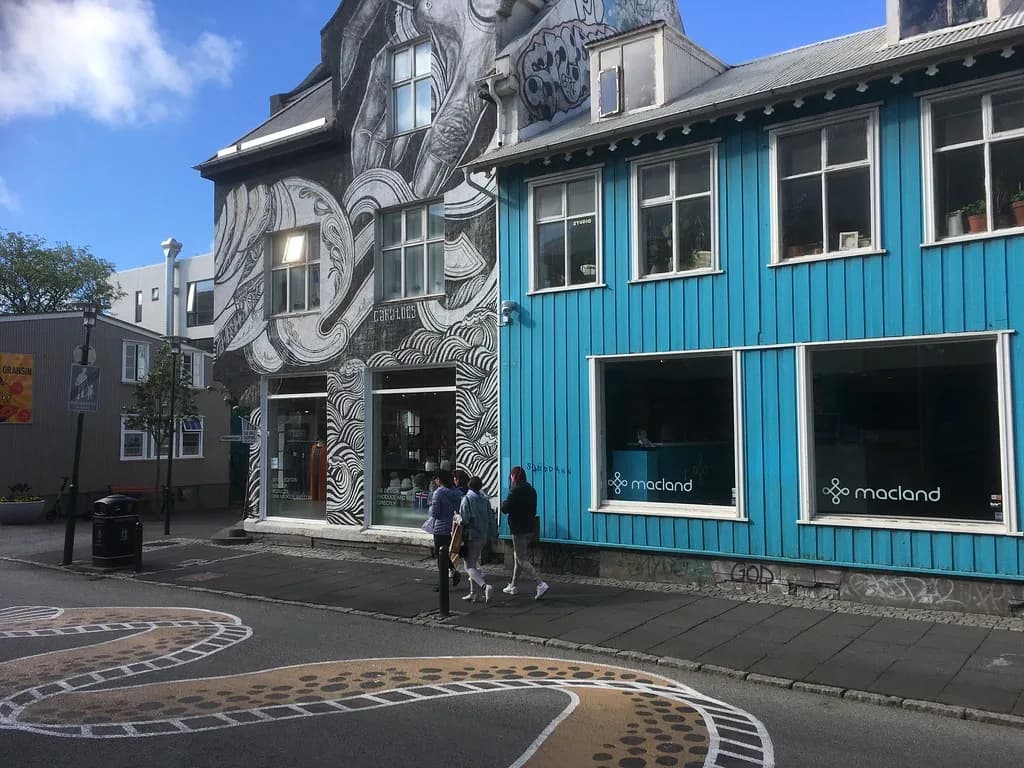
What to Wear in Reykjavik in November: A Packing Guide
November in Reykjavik brings cold, wind, and icy sidewalks. Learn what to pack, how to layer, and why ice cleats are essential for navigating the city.
On this page
What to Wear in Reykjavik in November: A Packing Guide
November in Reykjavik is a month of transition, when the city settles into its long winter rhythm. Daylight shrinks to just five to seven hours, and the weather swings between rain, sleet, and snow, often within the same afternoon. The Gulf Stream keeps the capital milder than its latitude suggests, but the wind is relentless, so dressing is less about deep freeze and more about mastering the elements.
The key decision you will face is choosing between a single hard-shell insulated parka or a separate waterproof shell and insulated mid-layer. Either approach works if the outer layer is windproof, which matters more than sheer warmth. This guide walks through the layering strategy, footwear, and accessories that make November walking in Reykjavik manageable, with an eye on staying comfortable during the first festive markets of the season.
Free: The Ultimate Packing Cheat Sheet
A carry-on capsule wardrobe, the complete packing checklist, layering made simple, and what to wear by season — one printable page you'll use on every trip.
Understanding Reykjavik's November Weather
Historically, Reykjavik in November has average high temperatures ranging from 4°C to 8°C (39°F to 46°F) and lows between -1°C to 1°C (30°F to 33°F), according to Arctic Adventures. Strong winds, often 25-40 km/h (16-25 mph), make the air feel closer to freezing, especially along the exposed coast. Rain and snow are both possible, and storms are not uncommon, so waterproof and windproof outer layers become your first line of defense.
Daylight is limited to roughly five to seven hours in November, so plan outdoor activities for the brightest part of the day and keep evenings flexible. The Icelandic Meteorological Office (IMO) provides official weather forecasts and warnings at vedur.is, including a colour-coded wind warning system that runs from yellow to red. Check the forecast daily, as conditions can shift from calm to storm-force in hours.
The Layering Strategy: What to Wear Underneath
Start with a high-quality base layer in merino wool or synthetic fibre – never cotton, which dries slowly and pulls heat from your body. Merino is a popular choice for its warmth-to-weight ratio and odour resistance, ideal for multi-day trips. A synthetic base layer is a cheaper alternative that still wicks moisture effectively.
Add a mid-layer for insulation: a fleece jacket or a wool sweater both work, with fleece offering better breathability and faster drying for active days. Over that, a windproof and waterproof shell is non-negotiable. This three-layer system lets you adjust to the day’s mood – shed the mid-layer when the sun peeks out, and add a down vest if the wind really bites.
For your legs, thermal leggings under waterproof or insulated trousers are a practical combination. Avoid denim, which absorbs water and stays damp, chilling you quickly. Instead, opt for quick-drying hiking pants with a water-resistant finish, and reserve fleece-lined leggings for the coldest days.
Outerwear Decision: Insulated Parka vs. Shell System
The biggest packing decision is whether to bring one insulated parka or separate a waterproof shell from an insulated mid-layer. A hard-shell parka, like a knee-length puffer or ski jacket, is a straightforward choice: it combines insulation and water resistance in one piece, easy to pull on and go. Just make sure it is windproof, as wind can cut through most fabrics and undermine the insulation.
Alternatively, a two-piece system – a waterproof shell worn over a fleece or down mid-layer – offers more flexibility. You can tailor the insulation to the day’s activity and shed layers indoors, which is helpful given the frequent warm-to-cold transitions in Reykjavik. The trade-off is carrying two pieces, but the modularity often wins for travellers who plan to hike or spend long hours outdoors.
Whichever route you take, ensure the outer layer is both windproof and waterproof, with sealed seams and a hood that stays put in gusty conditions. A longer cut – hip or knee length – provides extra protection for your torso and upper legs, a detail that matters when standing still watching the northern lights. Try on jackets with a mid-layer underneath to confirm you can move freely, and pack a compression sack for your insulated layer if you go the two-piece route.
Footwear: Waterproof Boots and the Case for Ice Cleats
Your feet are your lifeline in Reykjavik’s slippery streets, so invest in waterproof, insulated hiking boots with a rugged tread. Look for boots that cover the ankle for support on uneven pavement, and pair them with wool socks – merino or a wool blend – to keep toes warm even when damp. Bring two or three pairs of wool socks so you always have a dry set.
November brings a mix of rain, sleet, and snow, and sidewalks in Reykjavik can turn to ice in a whisper. A pair of lightweight ice cleats, also called crampons or microspikes, slips over your boots and provides grip on frozen ground. While not strictly mandatory, they are an editorial recommendation for anyone planning to walk the city centre, especially in early mornings or after a thaw-then-freeze cycle.
If you plan to join a guided glacier hike or a northern lights tour that leaves the city, crampons may be supplied by the operator – but don’t count on it for general city walking. For your own excursions, a compact pair of instep crampons fits in a jacket pocket and takes seconds to put on. They are light, so toss them in your bag even if you are not sure you will need them, as black ice can form on shaded steps without warning.
Consider a pair of waterproof rain shoes or city shoes for evenings out, but ensure they have good grip. For wet days in town, many travellers find switchable footwear – a pair of quick-drying trail runners used only for café hopping – can be helpful. Just remember, no shoes are truly waterproof; treat with a DWR spray before you go and dry them thoroughly at night.
Accessories: Hats, Gloves, and Scarves
A hat that covers your ears is essential – warmth escapes through your head, and the wind in November makes exposed ears sore within minutes. Choose a wool beanie or fleece-lined hat that sits snugly, and pack a spare in case the first gets wet. You will also want a scarf or neck gaiter to seal the gap between your jacket and chin, blocking biting gusts.
Gloves are non-negotiable, but the style depends on your activities. Insulated mittens are warmest for general sightseeing, while gloves with touch-screen fingertips let you snap photos without exposing your hands. For photography enthusiasts, gloves with removable fingertips offer dexterity when the lights – natural or city – appear. Pack a thin liner pair for days when you need to dig out your phone.
Add lip balm and a rich hand cream to your kit. The wind and cold are hard on skin, and chapped lips are a common complaint. A small tube fits in a pocket and makes a world of difference, especially if you spend long hours outside chasing the aurora.
What to Wear in Reykjavik at Night and for Christmas Markets
As night falls early in November, you will likely head out for dinner or a drink with little daylight left. For city evenings, you can swap your outdoor layers for a style-forward outfit, but always keep the cold in mind. A pair of insulated, non-denim trousers – like fleece-lined leggings under a long skirt or dark trousers over thermal leggings – will keep you stylish and warm.
For the Christmas markets that begin to pop up around the city, prioritise a comfortable, layered look that you can build up or strip down as you move from stall to stall. A wool jumper over a collared shirt, paired with a good pair of boots, strikes the balance between festive cheer and practical warmth. Skip heels – cobbled streets and ice make them treacherous.
Remember that venues do not have a specific dress code, but Icelanders value practicality. A clean, warm sweater and decent trousers are perfectly acceptable for most restaurants and bars. If you are tempted to forgo a hat to look better for photos, you will regret it the moment the wind picks up – keep your beanie in your pocket and your head covered.
A 5-Day Packing Example: What Goes in Your Suitcase
For a five-day trip to Reykjavik in November, aim for a compact but effective set of clothing. Pack one waterproof shell or hard-shell parka – your choice – plus a fleece or wool mid-layer and two long-sleeve base layer tops. Add one extra insulating layer, like a down vest, and a spare jumper for evenings.
On the bottom, include two pairs of warm trousers – fleece-lined hiking pants or similar – and two pairs of thermal leggings to wear underneath. Bring one pair of jeans for indoor days, but treat them as a luxury rather than a staple. For underwear and socks, choose non-cotton materials; two or three pairs of wool socks and a few pairs of synthetic underwear will last the whole trip if you plan to hand-wash.
Accessories: a hat that covers your ears, a scarf or neck gaiter, insulated gloves or mittens, and a pair of sunglasses – snow and ice create glare on bright days. Add a small backpack for day trips with space for a water bottle, snacks, and any layers you shed. If you plan to hike, toss in those lightweight ice cleats.
Finally, do not forget a swimsuit – Iceland’s geothermal pools are a year-round delight, and nothing beats a soak in the winter air. Flip-flops are useful for protecting your feet on wet changing room floors. Pack everything in a soft duffel or backpack with a waterproof liner; the plane may not always handle your bag with care if it gets tossed on the tarmac in a sleet storm.
What to Leave Behind
Leave your umbrella at home. The wind in Reykjavik is strong enough to snap spokes and turn an umbrella into a hazard, so a waterproof hood is your best friend. Also leave the jeans that you planned to wear every day – cotton denim takes forever to dry and will leave you chilled. Pack water-resistant or waterproof trousers instead.
Avoid packing bulky cotton sweaters; they are heavy, slow-drying, and do not insulate when wet. Similarly, skip the “good” coat that is not windproof – you will feel every gust through a woven fabric. And while summer essentials like sandals are obvious no-nos, even a lightweight packable down vest might be overkill if you are in the city and on foot all day – choose a synthetic mid-layer that handles damp better.
In terms of toiletries, you can leave the hair gel at home unless you are prepared for the wind to re-style it constantly. And while you might be tempted to pack multiple camera bodies, the cold and moisture shorten battery life – bring one capable body and spare batteries, keeping them warm in an inside pocket. Your smartphone will need similar care if you are keen on northern lights photography.
Before You Go: Checking the Forecast and Road Conditions
The single most valuable resource for packing and planning is the Icelandic Meteorological Office (IMO). Visit vedur.is for current weather forecasts, wind warnings, and the temperature map that shows freezing lines and potential ice. For road conditions, umferdin.is provides live updates, webcams, and snow alerts that should inform your travel plans, especially if you rent a car to leave the city.
Check the forecast daily, as conditions in Iceland can change within the hour. A day that starts sunny might turn to sleet by afternoon, so adjust your layers and your itinerary accordingly. The IMO’s wind warning system – yellow, orange, red – indicates the severity of expected conditions; orange and red mean you should limit outdoor plans and driving. For road conditions, umferdin.is is the official source, with year-round updates. For further insights into Iceland's climate, refer to weather guides like this one on Iceland's weather.
If you are keen on seeing the northern lights, the IMO’s aurora forecast overlay combines cloud cover with activity levels, so you can decide if a night drive is worth the effort. Remember, clear skies are just as important as solar activity. Check the aurora forecast around 6 PM to see if conditions are favourable, and be ready to dress extra warm for the wait outdoors.
Plan Your Visit
November in Reykjavik demands flexibility and respect for the wind. Start with a solid layering system – merino or synthetic base, fleece or wool mid-layer, and a windproof, waterproof shell – and you will weather most days comfortably. Choose the footwear that keeps you dry and add ice cleats for the inevitable icy patches, whether you are strolling downtown or heading out on a tour.
For more ideas on what to bring, check the broader guide on what to pack for a trip to Reykjavik, which covers year-round considerations. And if you are planning a longer winter stay or comparing months, see what to wear in Reykjavik in January for colder but equally windy conditions. Whichever month you visit, the principle remains the same: prioritize warmth and adaptability over style, and you will enjoy the city, whatever the sky throws at you.
Frequently Asked Questions
Can I wear jeans in Reykjavik in November?
Technically yes, but denim is not a good choice for outdoor time. Cotton absorbs moisture and dries slowly, leaving you cold and damp. If you want to wear jeans, save them for short indoor transfers and pack a pair of warm, water-resistant trousers for the main part of the day. Many travellers bring jeans only for evenings in restaurants or bars, where you are unlikely to get soaked.
Do I need insulated boots for Reykjavik in November?
Insulation helps, but waterproofing matters more. Look for boots that are waterproof and have a sturdy sole for grip. Add warm wool socks to handle the cold. If you plan to be outside for long periods, such as on a northern lights tour, insulated boots make a difference. For city walking, a good pair of waterproof hiking shoes or boots with a thermal insole will suffice.
Are ice cleats essential for walking in Reykjavik in November?
They are not mandatory, but they are a wise investment. November brings fluctuating temperatures that freeze and thaw sidewalks, creating black ice. A lightweight pair of ice cleats slips over your boots and gives you confidence on slick patches. You might not use them every day, but they are small enough to pack, and discovering the pavement is icy without them is a mistake you will only make once.
What should I wear for a northern lights tour in November?
Dress as if you will be standing still for a few hours – because you will be. Use the three-layer system: a thermal base layer, a fleece or wool mid-layer, and a windproof, waterproof shell. Add insulated gloves or mittens, a hat that covers your ears, a scarf, and thermal socks. If you have them, bring a pair of insulated boots, as the cold seeps up from the ground. Some tours provide extra overalls or blankets, but you should still come prepared.
Sources
Free: The Ultimate Packing Cheat Sheet
A carry-on capsule wardrobe, the complete packing checklist, layering made simple, and what to wear by season — one printable page you'll use on every trip.
You might also like


Continue reading
More guides you'll find useful


