What to Wear in Siena in December
Plan your Siena December outfits with practical layers for cold and rain, grippy waterproof boots for cobblestones, and a polished look for festive evenings.
On this page
What to Wear in Siena in December
Siena in December is a medieval hilltop wrapped in winter quiet, its narrow lanes and steep stone stairs often damp with rain or morning fog. Siena’s Mediterranean hilltop climate brings mild, damp winters, with winter temperatures around 0–10°C (32–50°F) and occasional frost or ice on shaded lanes. Your packing plan should center on warmth, moisture resistance, and grip rather than sun protection. Dressing well here means balancing comfort for long walking days with enough polish for evening dinners and the occasional festive event.
Free: The Ultimate Packing Cheat Sheet
A carry-on capsule wardrobe, the complete packing checklist, layering made simple, and what to wear by season — one printable page you'll use on every trip.
Siena’s December Climate: What to Expect
Siena’s winter weather leans cold and damp, with average highs near 9°C (48°F) and lows around 1°C (34°F) in December, according to a Siena travel guide. These are historical tendencies, not a forecast, but they can feel colder because of the hilltop wind and the city’s stone architecture, which holds chill. Rain is a real possibility, and occasional frost or ice on shaded lanes can make surfaces treacherous. For more details on what to wear, check the Siena travel guide.
The city’s elevation means conditions can shift quickly, with clear mornings turning to drizzle by midday. Before you leave, check a reliable weather service for your specific dates; this helps you decide whether to prioritize a heavy waterproof shell or a lighter layer under your coat. Packing with this variability in mind lets you adapt without carrying every possible item.
Layering for Cold and Rain
A three-layer system works best for Siena’s winter. Start with a breathable base layer, such as a merino wool long-sleeve, which insulates even when damp and resists odor, allowing multiple wears. Add a mid-layer like a fine-knit sweater or fleece for core warmth, and finish with a waterproof or water-resistant outer shell to keep out rain and cutting wind. This approach lets you adjust as you move between sunny piazzas and cold, shaded alleys. For a comprehensive packing approach, refer to the Siena travel guide.
For your lower half, choose wool or thick cotton trousers, or add thermal leggings or long underwear beneath regular pants if you feel the cold easily. Avoid denim if it rains often; it dries slowly and chills you once wet. A packable down or synthetic insulated jacket is a versatile option—wear it as a mid-layer under a rain shell or alone on dry, crisp days. For colder spells, you might appreciate a thermos for hot drinks to warm up between sights. Packable down or synthetic insulated jackets are recommended for cold weather; as noted in the Mama Loves Italy packing guide.
Footwear for Slippery Cobblestones
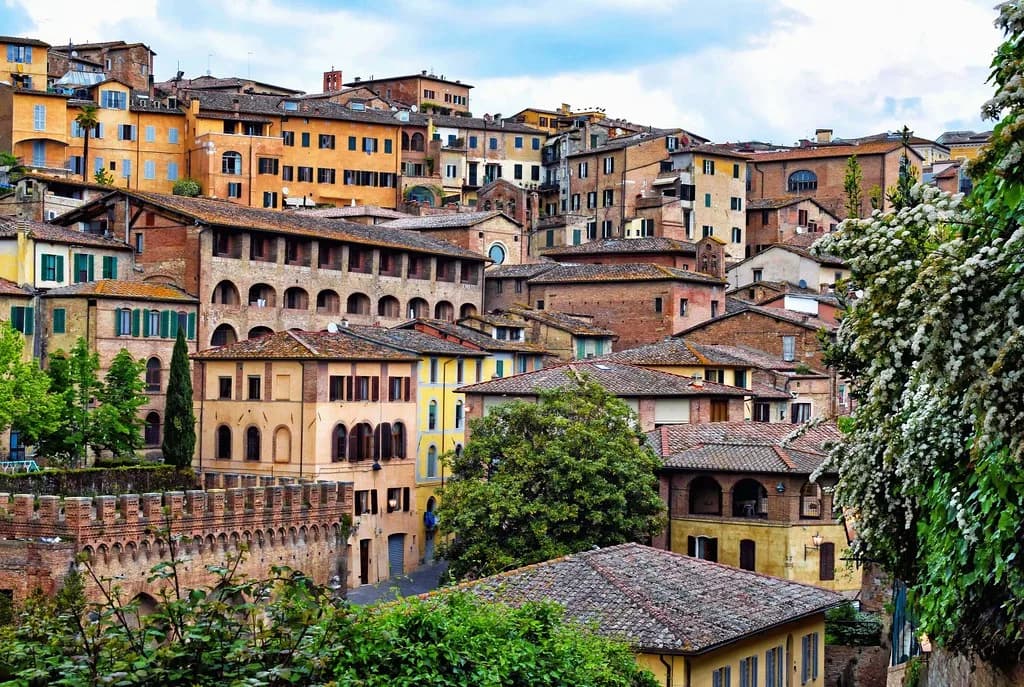
Siena’s historic center is a network of uneven cobblestone streets, stairs, and ramps, many of them centuries old and polished smooth by use. In December, these surfaces become slippery with rain, frost, or fallen leaves, so shoes with good grip and sturdy soles are non-negotiable. Look for waterproof or water-resistant ankle boots with a rubber sole and tread; they protect your feet from puddles and provide stable footing on slopes.
You may also want a pair of comfortable, closed-toe walking shoes with good arch support for long days of exploring, but they should have similar non-slip soles—not fashion sneakers with slick bottoms. Heels, especially stilettos, are impractical and even dangerous on cobbles; save them for evening events only if you’re sure you’ll stay on level, dry ground. For festive dinners, low-heeled closed shoes or dressy boots are a better choice.
Dressing for Festive Occasions and the Duomo
December in Siena brings the holiday season, and you may have dinners, concerts, or other events on your itinerary. For such occasions, pack one smarter outfit: a tailored dress with thick tights for women, or a blazer with a collared shirt and wool trousers for men. These ensembles are editorial suggestions for fitting in with the polished local style—not a rule—but they also suit the formal atmosphere of many winter events.
If you plan to visit the Duomo di Siena or other churches, remember that modest dress is expected: shoulders and knees should be covered, which is easy with winter layers. A light scarf or shawl is a practical accessory to have in your day bag, not only for church visits but also to wrap around your neck when the evening chill intensifies. This dual purpose saves packing space.
What to Leave Behind
Resist packing heavy items that won’t earn their place. Leave bulky ski jackets or serious snow boots at home; Siena’s winter rarely demands them, and the narrow streets make oversized gear a nuisance. Similarly, skip delicate fabrics like silk for outerwear—they’re hard to care for in rain—and leave open-toed shoes, thin-soled flats, or anything you wouldn’t want to wear on wet stone.
You also don’t need a separate formal outfit for every day. One elegant dress or suit, paired with everyday knits, will cover most occasions. Overpacking only means lugging more up Siena’s hills; instead, focus on versatile pieces you can mix and repeat, and take advantage of a small bag or backpack that’s comfortable for walking.
A Week-Long Packing Example
For a seven-day trip, you can manage with a capsule wardrobe of about eight to ten clothing items. Start with two or three base-layer tops (merino or synthetic), two pairs of wool or quick-dry trousers, and a couple of sweaters or mid-layers. Add one packable insulated jacket and a waterproof shell, plus a scarf, gloves, and a beanie for outdoor exploring. For year-round essentials, you can also consult the Siena Packing List.
Plan outfits that use these pieces in rotation. For a day of sightseeing, pair a base layer with a sweater, trousers, and waterproof boots; for a festive evening, swap the sweater for a blouse or button-down and add a blazer or dressier cardigan. These formulas are suggestions based on typical December weather—check the forecast before you leave and adjust proportions if temperatures are forecast to rise or fall.
Final Tips Before You Go
Before departure, review the weather forecast for your exact dates and consider how it might affect your shoe choice and coat weight. If rain is predicted every day, you may want to bring a second pair of waterproof shoes or a roomier coat to layer over thicker knits. A quick check can prevent you from packing too many heavy layers for an unusually mild spell.
Remember to pack a reusable water bottle and a small daypack for exploring. While not clothing, these items help you stay comfortable as you move between indoor sights and outdoor walks. With a thoughtful packing list, you’ll be ready for Siena’s December chill and its festive charm. For more detailed guidance, see the Siena Packing List or What to Wear in Siena in January.
Plan Your Visit
Packing for Siena in December is about being prepared for cold, damp conditions without overdoing it. Focus on layers you can mix, waterproof footwear with solid grip, and one polished outfit for festive occasions. Keep an eye on the forecast the week before departure and adjust your kit accordingly—if rain is predicted, bring an extra pair of shoes or a roomier waterproof coat.
Avoid the urge to pack heavily; you’ll be walking on uneven terrain and may need to carry your luggage up stairs. A compact, well-chosen wardrobe will serve you better than a bulging suitcase. For a full rundown on year-round essentials, explore the Siena Packing List, and if you’re planning a longer winter stay, see What to Wear in Siena in January for continued seasonal guidance.
Frequently Asked Questions
What is the best way to layer for Siena's winter weather?
The best approach is a three-layer system: a breathable base layer like merino wool, an insulating mid-layer such as a fine-knit sweater or fleece, and a waterproof or water-resistant outer shell. This lets you easily adjust to changing conditions, from sunny piazzas to cold, shaded alleys.
Do I need to wear specific clothing to enter churches in Siena?
While there is no strict dress code enforced for all churches, it is conventional to dress modestly, covering shoulders and knees, when entering religious sites. In winter, wearing a sweater or adding a scarf to cover your shoulders is an easy way to show respect. This is an expectation based on tradition, not a codified rule, and applies to both men and women.
How can I stay warm without looking bulky?
To stay warm without bulk, focus on a thin merino or synthetic base layer that traps heat efficiently, and add a tailored wool or fleece mid-layer. A well-insulated, packable down jacket provides more warmth than a heavy overcoat for its weight. Choose trousers with a brushed-knit interior or add thin thermal leggings beneath, and remember to wear a scarf and beanie—these accessories help more than an extra sweater.
What should I wear on my feet for the cobblestone streets in December?
Waterproof or water-resistant ankle boots with a rubber sole and good tread are ideal for Siena's wet, slippery cobblestones. They provide stability on slopes and protect your feet from puddles. For dry days, comfortable closed-toe walking shoes with non-slip soles are also a good option.
Sources
Free: The Ultimate Packing Cheat Sheet
A carry-on capsule wardrobe, the complete packing checklist, layering made simple, and what to wear by season — one printable page you'll use on every trip.
You might also like


Continue reading
More guides you'll find useful