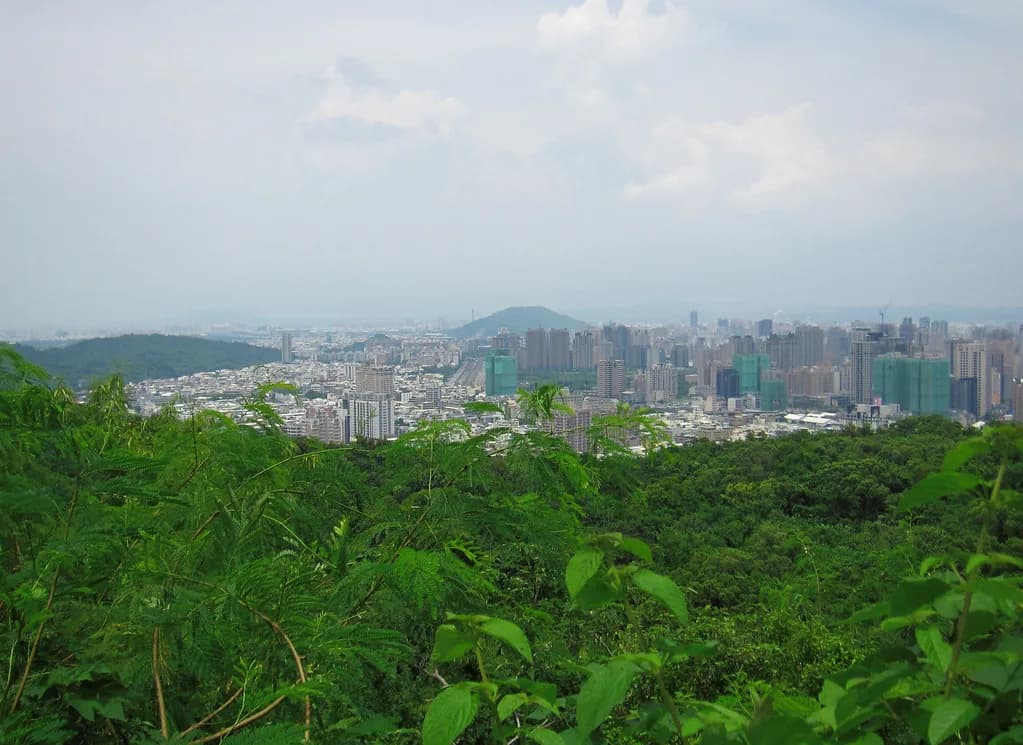
What to Wear in Tainan in June: Rainy-Season Packing Guide
Packing for Tainan in June means quick-dry clothing, sandals for wet lanes, and a waterproof day bag. Outfit combos, footwear trade-offs, and what to skip.
On this page
Tainan in June: the weather in numbers
Typical June conditions from 30 years of daily weather data, split into early, mid and late month so you can match them to your travel dates.
| Dates | Early Jun (1–10) | Mid Jun (11–20) | Late Jun (21–30) |
|---|---|---|---|
| Afternoon high | 29°C (85°F) | 29°C (85°F) | 30°C (87°F) |
| Night-time low | 25°C (77°F) | 25°C (78°F) | 26°C (78°F) |
| Feels like (afternoon) | 34°C (93°F) | 34°C (93°F) | 35°C (95°F) |
| Range of afternoon highs | 27–31°C | 27–32°C | 29–32°C |
| Days with rain | 7 in 10 days | 8 in 10 days | 6 in 10 days |
| Afternoon humidity | 74% | 75% | 73% |
| Average wind | 8 km/h | 9 km/h | 10 km/h |
| Daylight | 13.4 h | 13.4 h | 13.4 h |
What this means for your suitcase
- Hot afternoons: loose, breathable fabrics like linen or cotton, short sleeves and a sun hat.
- Heavy downpours are common — quick-dry clothes and shoes or sandals that cope with puddles.
- Muggy air — moisture-wicking fabrics beat denim and heavy cotton.
Travelling on specific dates? Use our What to Wear Planner for the weather, outfits and a packing list for your exact days in Tainan.
Averages for 1991-2020, modelled from Copernicus ERA5-Land and ERA5 reanalysis via Open-Meteo open data (CC BY 4.0), adjusted to Tainan's elevation. Modelled afternoon highs can read 1–2°C below airport weather-station records.
Packing for Tainan in June is less about surviving a single hot day and more about managing repeated transitions. The month falls in Taiwan's early-summer plum-rain period, when humid air and sudden downpours interrupt bright spells, and the same season brings heavily air-conditioned interiors that can feel cold after a sweaty walk. Rain handling is therefore the primary packing decision, not an afterthought.
Historical seasonal patterns point to a humid, showery month rather than a guaranteed washout, so treat the outlook as a tendency and confirm conditions close to departure. A workable approach is a three-part formula: a quick-dry base layer, a compact rain shell or umbrella, and a thin packable layer for indoor air conditioning. That combination handles most of what the month throws at a visitor without overfilling a carry-on.
Why June Rain Changes What You Pack
June sits at the tail end of the plum rains, and scattered afternoon downpours become common across Taiwan as the season shifts toward summer. That pattern means a dry morning can turn wet within an hour, so the useful question is not whether it will rain but how quickly you can dry out afterward. Planning around one compact rain layer and fabric that sheds water is more practical than packing for a fixed forecast.
Comfort in Tainan also depends on managing sweat, because humid air keeps damp clothing damp and makes heavy fabrics cling. Light, breathable materials that wick moisture and dry quickly are the sensible default, whether you choose linen, cotton blends, or technical sportswear. Stiff, heavy pieces become unpleasant fast once they soak through.
The other half of the problem is indoor cold. Shops, restaurants, and museum spaces often run strong air conditioning, so a sleeveless outfit that feels perfect on the street can feel chilly within minutes of sitting down. A thin cardigan, long-sleeve shirt, or light scarf solves this without adding meaningful weight to your bag.
The Three-Layer Formula for Tainan in June
Think in three functional layers rather than a fixed outfit. The base sits against your skin and should wick and dry quickly; the rain layer is a compact umbrella or a foldable jacket that lives in your day bag; and the third layer is a packable top or cardigan for air-conditioned interiors. Each layer is thin enough to remove and stash without a struggle.
The trade-off between an umbrella and a rain jacket comes down to hands and habit. An umbrella gives better coverage in steady rain and keeps your torso drier, but it occupies a hand and is easy to leave behind at a food stall. A foldable jacket keeps both hands free for night-market eating and photography, yet it can feel clammy in heavy humidity, so many travellers carry the umbrella as the primary and the jacket as backup.
The indoor layer deserves as much thought as the rain gear. A light long-sleeve top or mid-weight cardigan that packs flat will keep you comfortable through a long dinner or a museum stop. Choose a neutral colour so it works over every base in your bag.
Fabric Decisions That Keep You Comfortable
Linen, cotton blends, and moisture-wicking synthetics handle sweat and sudden showers far better than denim or heavy cotton. Linen breathes well and dries reasonably fast, while technical fabrics dry fastest and pack smallest. If you prefer natural fibres, a linen-cotton blend usually balances comfort and wrinkle resistance for city walking.
Denim and heavy cotton are the main items to reconsider, because once they absorb sweat or rain they stay damp and stiff for hours. Stiff shorts soaked in salty sweat can become impossible to rewear without a wash, which matters if you are packing light. If you want one pair of jeans for a cooler evening, accept that it may not be reusable the next day without laundry.
Avoid fabrics that trap heat or restrict airflow, including thick synthetic knits and coated outerwear that cannot breathe. Quick-dry travel pants work for day trips out of the city, but light shorts, skirts, or breathable trousers are more comfortable for an average sightseeing day. The goal is clothing that dries overnight in a humid hotel room, not clothing that looks crisp at the start of the day.
Outfit Combinations by Situation
For daytime walking around the old streets and temples, pair a quick-dry top with light shorts or a breathable skirt and grippy sandals. Add a crossbody bag so your hands stay free and your valuables stay close in crowds. Anping is an easy area to explore on foot, and the same outfit works for the historic lanes near the canal.
At a night market, a breezy dress or loose top with slip-on shoes makes standing and eating simpler than anything fitted. A crossbody or waist bag keeps your phone and wallet accessible without a table, and a small packable tote handles extra water or a purchased umbrella. This is also the situation where a foldable rain jacket earns its place, since you may be moving between stalls with full hands.
For a sit-down dinner indoors, bring the light layer. A flowy dress or clean shirt with light trousers looks appropriate in most restaurants, and a cardigan or long-sleeve top handles aggressive air conditioning. If you want a more polished look, pack one pair of closed shoes that can dress up a simple outfit; there is no verified dress code to meet, so choose based on comfort and the venue you have booked.
On a day trip out of the city, athletic-style joggers or quick-dry pants are a reasonable substitute for shorts, especially if your plans include a temple, a market, and a long bus or train ride. Breathable sneakers with grip handle mixed surfaces better than sandals on those days. Keep the same base and rain layers so you are not rebuilding your kit.
Footwear Trade-Offs for Wet Lanes and Long Days
Grippy quick-dry sandals are the most practical choice for flooded lanes and sudden puddles because they drain and dry instead of holding water. The downside is protection: on long walking days, sandals offer less support and leave your feet exposed to grit and sun. Many travellers bring both sandals and breathable sneakers and switch depending on the day.
Breathable sneakers suit long walking days, temple floors, and day trips, but once they soak through they can stay damp for a day or more. If rain is likely, pair them with quick-dry socks or accept that you may need a second pair. Avoid leather shoes and smooth soles, which stay wet and slide on slick tile or painted walkways.
The Day Bag and Small Organisation
A hands-free crossbody or small waterproof backpack beats a tote in Tainan, because you will often be standing, eating, or stepping around puddles. Waterproofing matters less for the bag itself than for what is inside, so use a dry bag or a zippered pouch for your phone, wallet, and any documents. A compact umbrella, a small towel, and a power bank round out the kit.
Cable and phone organisation is worth a minute of thought before you leave, since humid air and rain make loose electronics risky. Keep a short charging cable and a power bank in one pouch so you can top up during a long afternoon. A small quick-dry towel is useful for wiping down a wet seat, a camera, or your arms after a shower passes.
What to Leave Behind
Heavy jeans, thick hoodies, and bulky sweatshirts take up space and dry slowly in humid conditions, so they are poor value on a June trip. Leather shoes that stay wet and stiff are another item to skip in favour of quick-dry alternatives. Extra formal wear rarely earns its place unless you have a specific reservation that calls for it.
Duplicate rain gear is a common overpack: one compact umbrella or one foldable jacket is usually enough, with the other as an optional backup. Multiple pairs of heavy shoes and more than one warm layer also add weight without adding much flexibility. If you are comparing seasons, what to wear in Tainan in April leans cooler and less rain-focused, so an April packing approach will not translate directly to June.
A Three-Day Packing Example for June
For three days, start with three quick-dry tops and two bottoms that mix and match, then add one light dress or a second casual outfit if you want variety for evenings. Pack one rain layer, one thin indoor layer, and one pair of sandals plus one pair of breathable sneakers. This is enough for a short trip without relying on same-day laundry, and the mix-and-match logic keeps every top wearable with either bottom.
Add a swimsuit or quick-dry shorts if your plans include a beach or hotel pool, and a small laundry line if you would rather rinse than bring extra clothing. If you are weighing a warmer month, what to wear in Tainan in August runs hotter and often wetter, so the same quick-dry logic applies with even less tolerance for heavy fabric. For a cooler comparison, what to wear in Tainan in November switches toward light layers and closed shoes.
If your trip includes cycling, the same base layers work, but choose shorts that will not chafe and shoes that grip pedals in the rain; what to wear in Tainan for cycling covers those adjustments in more detail. Travellers comparing humid destinations sometimes ask about what to wear Tenerife in June, but Tainan's plum-rain pattern makes rain handling the deciding factor rather than heat alone.
Before You Go: Reading the Forecast and Adjusting
Check a short-range forecast a few days before departure and again the morning you leave. Rather than repacking, plan to swap layers: if rain looks persistent, put the umbrella and sandals at the top of your bag and keep a dry pouch for electronics. If the outlook turns drier, the same kit still works because the base layers handle heat on their own.
Treat any seasonal summary as a tendency, not a guarantee for your dates, and let the daily forecast drive small adjustments. The most useful preparation is a bag where every layer can be removed or added in seconds. That flexibility matters more in June than any single item.
Plan Your Visit
June in Tainan rewards clothing that dries quickly, footwear that grips wet ground, and a bag that keeps your hands free. Build around a quick-dry base, a compact rain layer, and one thin layer for air conditioning, and you can handle both a downpour and a cold restaurant without changing your whole plan. The full Tainan packing list covers the rest of the kit if you want to check it against your own bag.
Keep quantities modest for a short trip, leave the denim and heavy hoodies at home, and check a short-range forecast before you fly. Small adjustments to layers will serve you better than a large, immovable packing list.
Frequently Asked Questions
What should I wear in Tainan in June?
Plan around a quick-dry base layer, a compact rain layer such as an umbrella or foldable jacket, and a thin cardigan or long-sleeve top for air-conditioned interiors. Light shorts, skirts, or breathable trousers work for daytime walking, and grippy sandals or breathable sneakers handle wet lanes. These are practical suggestions, and the right balance depends on how much walking you plan to do.
Is June a rainy month in Tainan?
June falls in Taiwan's early-summer plum-rain period, when humid air and sudden showers are a recurring tendency rather than a guarantee. Late-afternoon downpours are common in this season, so packing a rain layer is sensible. Check a short-range forecast before you travel for the conditions on your specific dates.
Do I need rain gear in Tainan in June?
A compact umbrella is the most useful single rain item because it covers you quickly and stores easily in a day bag. A foldable rain jacket is a good alternative if you prefer to keep both hands free for night-market eating or photography. Most travellers carry one primary rain layer rather than two.
What shoes are best for Tainan in June?
Grippy quick-dry sandals work well for wet lanes and sudden puddles, while breathable sneakers suit long walking days and day trips. The trade-off is support versus drainage, so many people bring one of each and switch depending on the day. Avoid leather shoes and smooth soles that stay wet and slip on slick surfaces.
Do I need a jacket for air conditioning in Tainan?
A thin packable layer is worth carrying even in hot weather, because shops, restaurants, and museums often run strong air conditioning. A light cardigan, long-sleeve top, or scarf adds little weight and can make a long indoor stop far more comfortable. This is an editorial suggestion rather than a requirement.
How many outfits do I need for three days in Tainan?
Three quick-dry tops and two mix-and-match bottoms are usually enough for three days, plus one light dress or second outfit if you want evening variety. Add one rain layer, one indoor layer, and one pair of sandals plus one pair of breathable sneakers. Choose pieces that all work together so you can recombine rather than pack extra.
What should I not pack for Tainan in June?
Heavy jeans, thick hoodies, leather shoes, and duplicate rain gear take up space and dry slowly in humid conditions. Multiple pairs of heavy shoes are also unnecessary if one sandal and one sneaker option cover your plans. Leave formal clothing behind unless you have a specific reservation that calls for it.
Sources
Free: The Ultimate Packing Cheat Sheet
A carry-on capsule wardrobe, the complete packing checklist, layering made simple, and what to wear by season — one printable page you'll use on every trip.
You might also like


Continue reading
More guides you'll find useful