What to Wear in Tenerife in April: 7 Essential Packing Tips
Planning a trip to Tenerife in April? Discover what to wear with our 7-day packing checklist, including microclimate tips for Mount Teide and the North/South divide.
On this page
Tenerife in April: the weather in numbers
Typical April conditions from 30 years of daily weather data, split into early, mid and late month so you can match them to your travel dates.
| Dates | Early Apr (1–10) | Mid Apr (11–20) | Late Apr (21–30) |
|---|---|---|---|
| Afternoon high | 20°C (69°F) | 20°C (68°F) | 21°C (70°F) |
| Night-time low | 16°C (60°F) | 16°C (60°F) | 16°C (61°F) |
| Feels like (afternoon) | 19°C (65°F) | 18°C (65°F) | 19°C (66°F) |
| Range of afternoon highs | 18–23°C | 18–22°C | 19–25°C |
| Days with rain | 1 in 10 days | 1 in 10 days | 1 in 10 days |
| Afternoon humidity | 65% | 66% | 64% |
| Average wind | 16 km/h | 16 km/h | 16 km/h |
| Daylight | 12.4 h | 12.7 h | 12.9 h |
What this means for your suitcase
- Mild days: long sleeves with a light sweater or jacket you can take off at midday.
Travelling on specific dates? Use our What to Wear Planner for the weather, outfits and a packing list for your exact days in Tenerife.
Averages for 1991-2020, modelled from Copernicus ERA5-Land and ERA5 reanalysis via Open-Meteo open data (CC BY 4.0), adjusted to Tenerife's elevation. Modelled afternoon highs can read 1–2°C below airport weather-station records.
April is a magical time to visit the Canary Islands, as the "eternal spring" begins to warm into a pre-summer glow. To avoid this, you must adopt a pack light strategy where every item serves at least two separate purposes.
When deciding what to wear in Tenerife, you must account for the massive temperature delta between the coast and the mountains. While the southern resorts like Los Cristianos bask in sunshine, the northern cities can be shrouded in refreshing mist. Versatility is your best friend when navigating these shifts in altitude and humidity. A well-planned suitcase allows you to transition from a volcanic hike to a seaside dinner without missing a beat.
Weather in Tenerife: April Temperatures and Microclimates
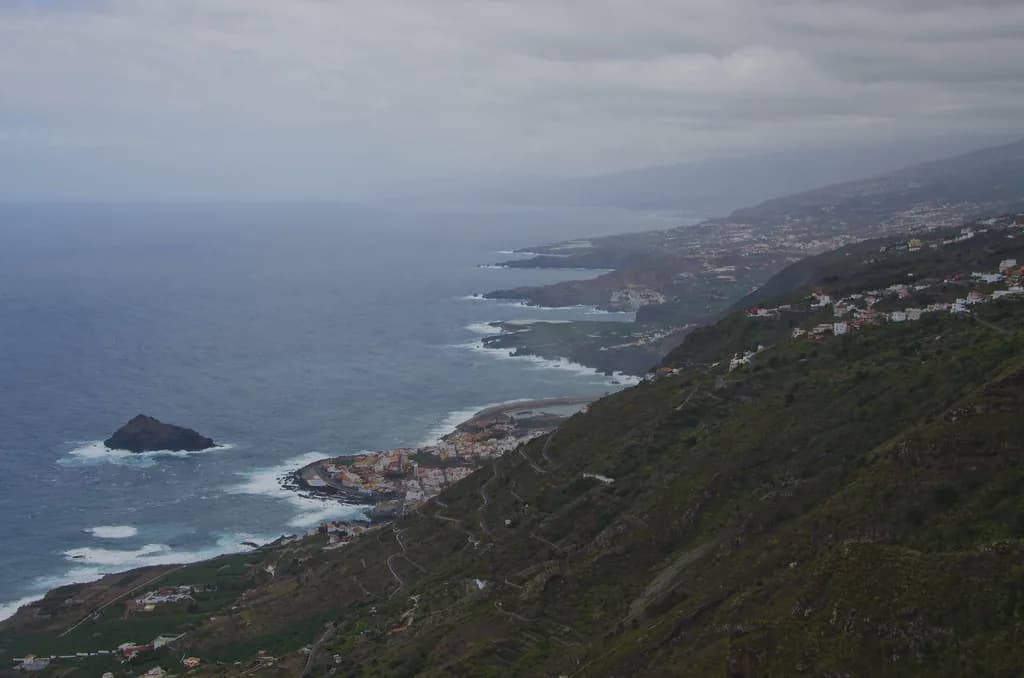
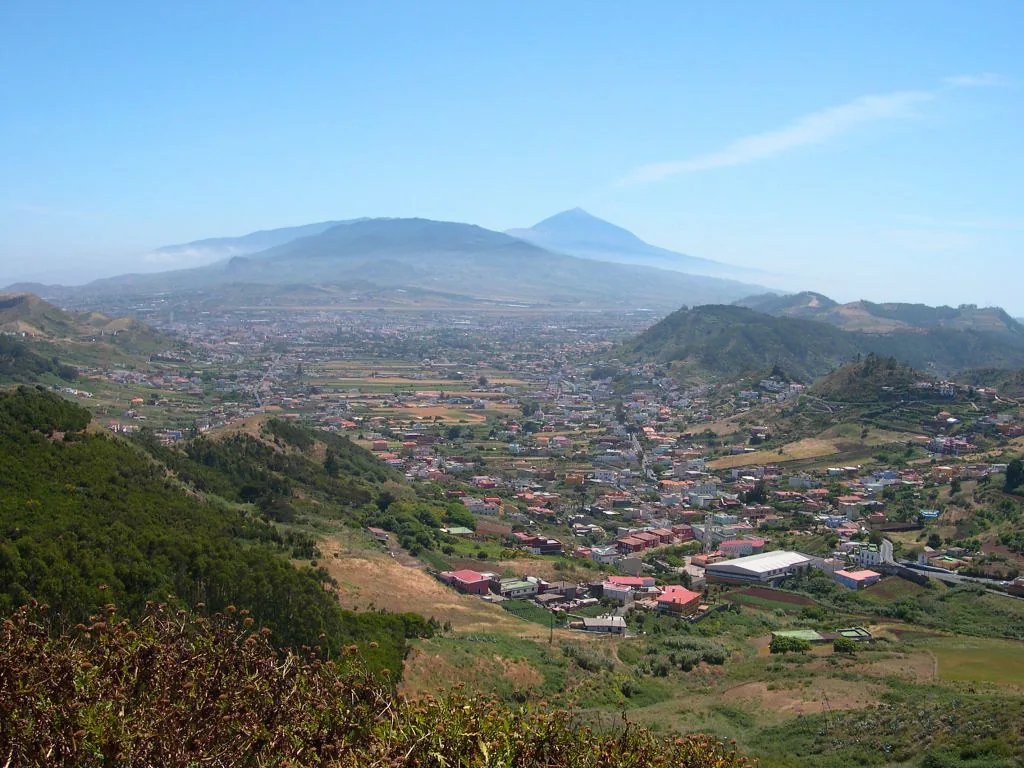
The weather in Tenerife during April is defined by its dramatic microclimates, which split the island into two distinct zones. Southern regions typically enjoy highs of 22°C (72°F), making it perfect for sunbathing, and the warmth only builds if you read on into what to pack for Tenerife in May. Meanwhile, the North is often 4-5 degrees cooler and experiences occasional spring showers that keep the landscape lush.
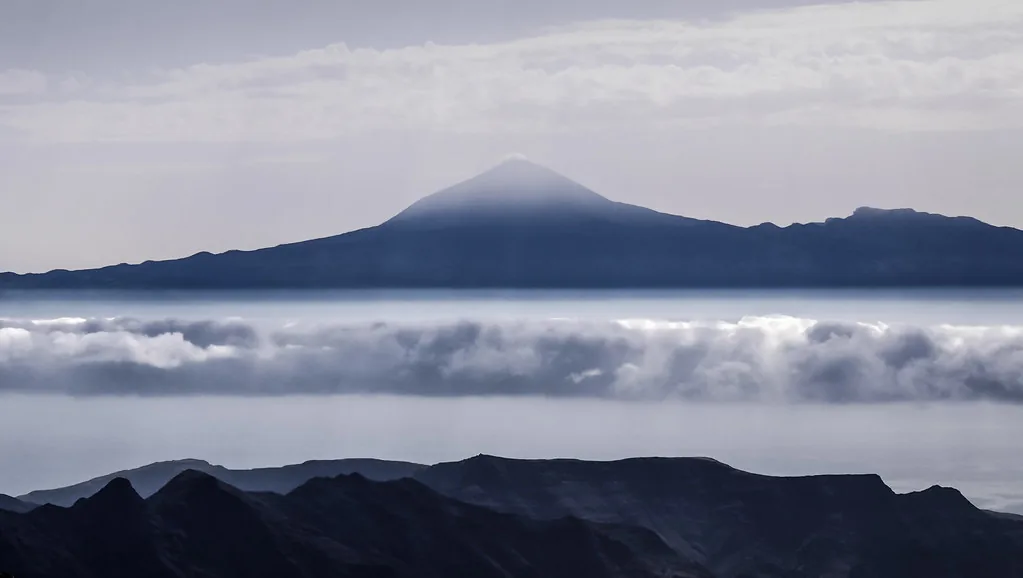
Mount Teide presents an entirely different challenge, as its peak sits at over 3,700 meters above sea level. Even if you are sweating at the beach, the summit can still harbor patches of snow and biting winds in early spring. Sunlight intensity is significantly higher at this altitude, so high-SPF protection is a non-negotiable requirement. April also brings the occasional 'Calima,' a dust-laden wind from the Sahara that can spike temperatures and reduce visibility.
Understanding these patterns helps you avoid the common trap of packing for only one type of weather. Those staying in the North should prepare for more humidity and evening dampness compared to the arid South. If you plan on driving across the island, keep a spare layer in the car for sudden temperature drops. This regional contrast is what makes the island so unique, but it does require a more strategic approach to your wardrobe.
Essential Daytime Clothing for Spring
Daytime in April calls for lightweight, breathable fabrics like linen or organic cotton to stay comfortable in the sun. T-shirts, tank tops, and loose-fitting shorts are the standard uniform for exploring resort towns and coastal paths. Choosing neutral colors allows you to mix and match easily, adhering to the rule of versatility for every garment.
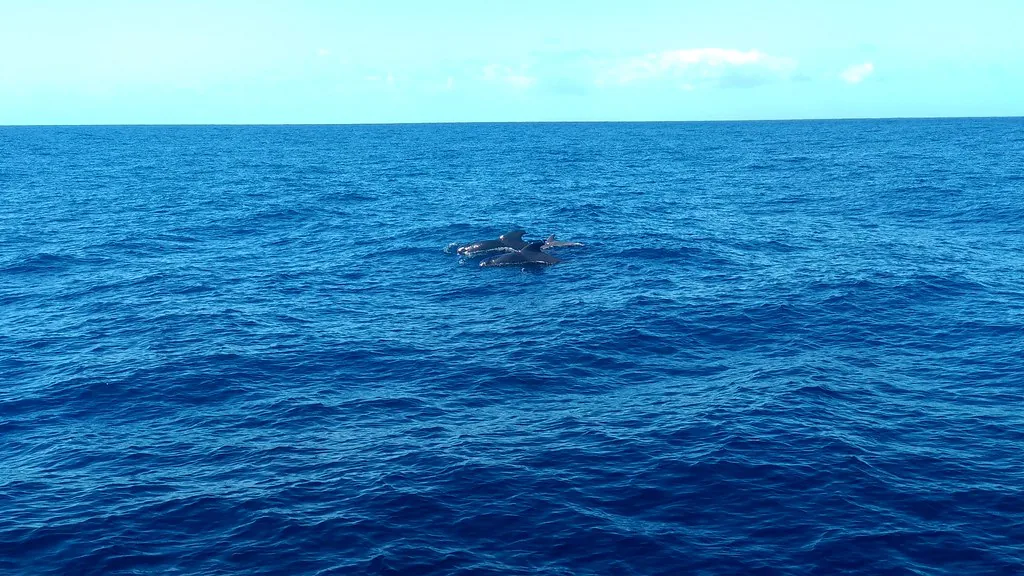
Swimwear is essential, as hotel pools are usually heated and the Atlantic Ocean begins to warm up for swimmers. Pack at least two swimsuits so one can dry while you wear the other, especially in the more humid northern areas. Rash guards are a smart addition if you plan on surfing or spending long hours snorkeling in the clear coastal waters. Don't forget a stylish cover-up for walking from the sand to a nearby chiringuito for lunch.
Sun protection is your most important accessory, given the island's proximity to the equator. A wide-brimmed hat and polarized sunglasses will protect you from the intense glare reflecting off the volcanic sand. Lightweight long-sleeved shirts can also provide a physical barrier against UV rays during long afternoon walks.
Do You Need Winter Clothes? (Evening Layers)
While you won't need a heavy parka, the answer to "do you need winter clothes?" is a nuanced yes for evening layers. Temperatures can drop to 15°C (59°F) once the sun sets, especially if a breeze is coming off the ocean. A denim jacket, a light wool cardigan, or a stylish pashmina will keep the chill away during alfresco dinners.
Evening dress codes in Tenerife resorts are generally relaxed, but some upscale hotels require long trousers for men. Chinos or smart jeans paired with a polo shirt are usually sufficient for most dining establishments. Women often opt for maxi dresses paired with a light sweater to balance style and warmth. If your trip coincides with Semana Santa, consider packing one slightly more formal outfit for local festivities.
The dampness in the North can make the air feel cooler than the thermometer actually suggests. Packing a pair of full-length leggings or trousers is much wiser than relying solely on shorts for the entire week. Save yourself the expense by bringing a reliable mid-layer that fits easily into your daypack.
Footwear for Beaches, Cities, and Volcanic Trails
Choosing the right footwear is a balancing act between beach comfort and the demands of rugged volcanic terrain. Flip-flops are perfect for the pool, but they are dangerous and impractical for walking on the island's steep, cobbled streets. These allow your feet to breathe while providing the stability needed for exploring the historic centers.
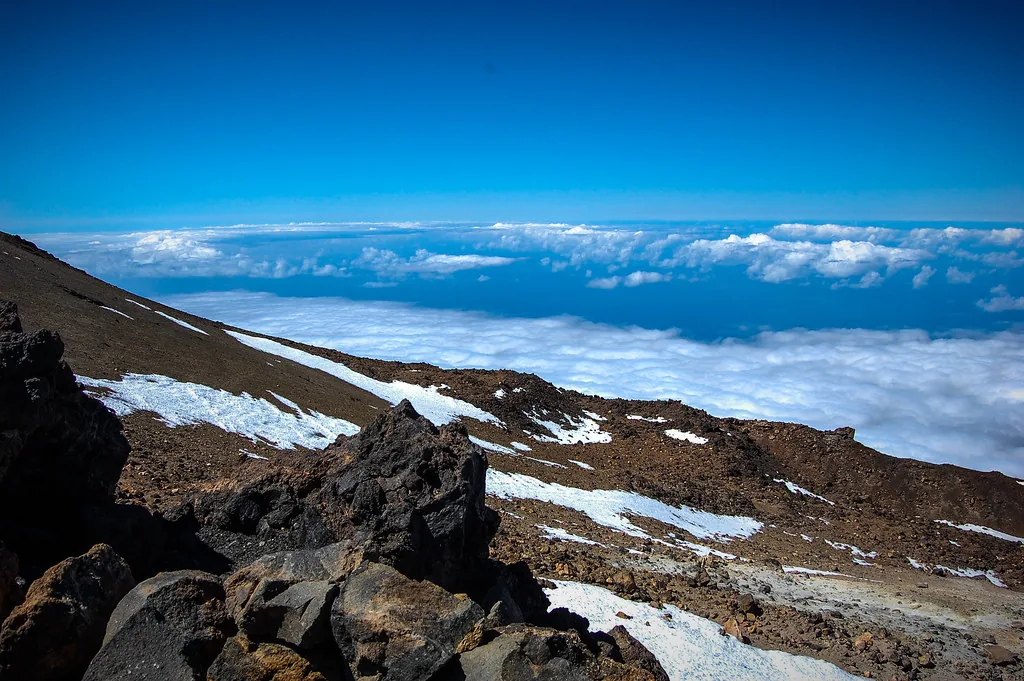
If you plan on hiking in Anaga or Teide National Park, proper trail shoes or hiking boots are mandatory. The volcanic rock is sharp and unforgiving, easily shredding the soles of standard fashion sneakers. Always pair your hiking shoes with moisture-wicking socks to prevent blisters during long uphill climbs.
For evenings, a pair of clean white sneakers or comfortable flats will serve you well across most venues. Avoid high heels if you plan on walking through towns like Garachico, where the stone paving is notoriously uneven. A versatile pair of loafers or stylish sandals can easily transition from a day of shopping to a night of tapas. Remember that your feet may swell slightly in the heat, so choose shoes with a bit of flex.
Packing for Mount Teide and High Altitudes
A trip to Mount Teide requires a completely different packing strategy than a day at the beach. The temperature at the cable car base station can be ten degrees lower than the coast, and even colder at the top. Layers are the only way to manage the transition from the sunny drive up to the frigid summit air.
The sun's rays are incredibly powerful at high altitudes, making high-quality sunglasses and lip balm essential. A lightweight beanie and gloves might seem excessive for Spain, but you will be grateful for them at the crater. Keep your Anker power pack handy, as cold temperatures can drain smartphone batteries much faster than usual.
If you are staying overnight at the Parador or stargazing, the temperature will plummet below freezing. Sturdy footwear is essential here, as the paths around the Roques de García are dusty and uneven. Preparation is the key to enjoying the breathtaking lunar landscapes without the distraction of being uncomfortably cold.
Common Mistakes Checklist
One of the most frequent errors is overpacking heavy winter coats that take up too much suitcase space. Instead, focus on thin layers that can be stacked to provide warmth without the bulk of a parka. Many visitors also forget that the northern part of the island requires a waterproof layer for spring mists.
Underestimating the sun is another mistake that can quickly ruin a holiday with painful burns. Even on cloudy days in the North, the UV index remains high enough to cause skin damage. Don't assume your summer clothes from home will be enough for the diverse Canary climate.
Finally, many travelers fail to pack a universal travel power adapter if they are coming from outside the EU. While many modern hotels have USB ports, older apartments still rely on standard European Type C or F sockets. Check your electronics before you leave to ensure you have the correct plugs for all your devices. Avoiding these simple oversights will make your transition into island life much smoother.
- Packing heavy sweaters instead of light layers
- Forgetting a waterproof jacket for the North
- Assuming flip-flops are suitable for volcanic hiking
- Underestimating UV levels on cloudy spring days
- Neglecting to pack a universal power adapter
- Bringing too many 'just in case' outfits
- Skipping the warm layers for Mount Teide
- Forgetting to pack a reusable water bottle
Before You Go Checklist
Before you head to the airport, ensure all your travel documents are organized and easily accessible. Check the validity of your EHIC or GHIC card if you are traveling from the UK or Europe. Having these details sorted in advance reduces stress if you encounter any unexpected issues.
Download offline maps of Tenerife to your phone, as signal can be spotty in the mountainous interior. Consider pre-booking your Mount Teide cable car tickets, as they often sell out weeks in advance. A little bit of digital preparation goes a long way in a foreign destination.
Notify your bank of your travel plans to avoid any frozen cards while trying to pay for dinner. While most places in Tenerife accept contactless payments, carrying some Euros for small mountain cafes is wise. Double-check your flight's baggage allowance to avoid any nasty surprises at the check-in desk.
- Passport and printed travel insurance documents
- Mount Teide cable car permits booked
- Offline maps of the island downloaded
- Bank notified of international travel plans
- Emergency contact numbers saved in phone
- European travel power adapter packed
- Small amount of Euro cash for cafes
- Flight boarding passes downloaded to phone
Complete 7-Day Tenerife Packing Checklist
This 7-day checklist is designed to help you pack light while covering all the island's microclimates. Focus on items that can be layered, such as a light tee under a linen shirt. Following this list ensures you have everything needed for a diverse and active holiday.
For your electronics, a reliable power bank is a lifesaver during long days of photography and navigation. Make sure your camera gear is protected from the fine volcanic dust often found in the national parks. Keeping your tech organized in a dedicated pouch prevents tangled cables in your daypack.
Don't forget to pack a small first aid kit with essentials like blister plasters and antiseptic cream. If you are prone to motion sickness, the winding roads to Masca can be quite a challenge. Having these basics on hand saves you a trip to the local farmacia for minor issues.
- Documents & Money: Passport, cards, and cash
- Clothing & Layers: 7 tees, 2 shorts, 1 trousers
- Tech & Electronics: Phone, charger, and power bank
- Health & Medication: Sunscreen, plasters, and personal meds
- Practical Items: Universal adapter and reusable bottle
- Footwear: Walking shoes, sandals, and flip-flops
- Mount Teide Gear: Windbreaker and thermal layer
- Swimwear: Two swimsuits and a quick-dry towel
Frequently Asked Questions
Is it warm enough to swim in Tenerife in April?
Yes, the water temperature averages 19°C (66°F) in April. While it feels brisk initially, it is comfortable for swimming. Most resort pools are heated during this time.
Do I really need a jacket for Tenerife in April?
You definitely need a light jacket for evenings and mountain trips. Temperatures drop significantly after sunset, especially in northern towns. A windproof layer is essential for visiting Mount Teide.
What should you not pack for a Tenerife holiday?
Skip the heavy winter coats and formal high heels. Bulky items take up too much space and are rarely used. Avoid packing heavy denim which dries slowly in humid areas.
Packing for Tenerife in April is all about mastering the art of the layer to handle the island's diverse landscapes. By focusing on breathable daytime wear and bringing a few strategic warmer pieces, you will be prepared for any microclimate. Remember to pack light, stay sun-protected, and enjoy the incredible volcanic scenery.
For more detailed advice on other months, check out our guide on what to wear in Tenerife in March. Safe travels and enjoy every moment of your April adventure in the land of eternal spring!
Editorial correction — September 19, 2026: Removed unsupported personal-experience claims attributed to the former fictional byline. This edit does not constitute a full factual review of the guide.
Free: The Ultimate Packing Cheat Sheet
A carry-on capsule wardrobe, the complete packing checklist, layering made simple, and what to wear by season — one printable page you'll use on every trip.
You might also like


Continue reading
More guides you'll find useful