
What to Wear in Utrecht in January: A Complete Packing Guide
January in Utrecht means frost, rain, and short days. Learn what to wear to stay warm and dry, from thermal layers to waterproof boots. Our guide covers outfit tips.
On this page
What to Wear in Utrecht in January
Utrecht in January is a study in contrasts: the canals may be shrouded in fog while the cobblestones glisten with rain, and just as you step inside a museum or café, the heating makes you forget the chill outside. Packing for this month is less about a single heavy outfit and more about creating a flexible system of layers. You’ll be moving between the cold, damp streets and cozy, heated interiors, so comfort depends on being able to shed and add pieces easily.
This guide focuses on what to wear and pack for a January trip to Utrecht, with practical advice on materials, footwear, and accessories. We’ll also touch on staying dry while cycling and walking on slippery paths. For a broader look at what to bring for any season, check out our full Utrecht packing list.
Free: The Ultimate Packing Cheat Sheet
A carry-on capsule wardrobe, the complete packing checklist, layering made simple, and what to wear by season — one printable page you'll use on every trip.
Utrecht’s January Weather: What to Expect
January is typically the coldest month in the Netherlands, with average temperatures hovering around 3°C (37°F), dipping to freezing or below at night and only reaching about 6°C (43°F) during the day. While snow is possible, it’s more common to see grey skies, rain, and occasional frost. The days are short, with the sun rising around 9 AM and setting by 4 PM, so you’ll likely be walking or cycling in the dark during parts of your day.
This climate shapes your packing strategy: you need a warm coat for the cold, a waterproof shell for the rain, and layers that can adapt to the artificial warmth indoors. Although this guide focuses specifically on January, if you’re visiting in the following month, you’ll find similar conditions – see our What to wear in Utrecht in February for an updated outlook.
The Core Principle: Layering for Heated Interiors and Cold Streets
Dutch winters are notoriously damp, and the wind can cut right through you, which is why the Dutch rely on smart layering rather than a single bulky coat. You’ll be constantly moving between the cold outdoors and heated interiors – not just homes and museums but also shops, trams, and trains. A typical indoor temperature in the Netherlands is around 19°C, so a heavy sweater alone might leave you sweating the moment you step inside.
Start with a lightweight base layer that you can wear comfortably under a shirt, add a mid-layer like a sweater or fleece for insulation, and top it with a warm, waterproof, and windproof coat. On milder days, you might skip the mid-layer or swap the heavy coat for a lighter one. The goal is to be able to adjust your temperature without carrying a bulky extra jacket with you.
Base Layers: Wool or Synthetic, Not Cotton
A good base layer for January in Utrecht is a long-sleeved thermal top made from merino wool or a synthetic fabric designed for cold weather. Wool is breathable, naturally odour-resistant, and keeps you warm even when it gets damp. Avoid cotton, as it holds moisture and will cling to you when you sweat – and you’ll likely sweat from walking or cycling, even in the cold.
You don’t necessarily need the heaviest expedition weight; a mid-weight thermal is enough for most days. If you run warm, a simple long-sleeve woollen shirt might suffice. Remember, indoors you’ll often be in your mid-layer or shirt, so your base layer should be comfortable enough to wear on its own when you’re having a warm drink in a café.
Mid Layers: Sweaters and Fleece for Insulation
The mid layer is your main insulation. Pack a couple of sweaters – perhaps a merino wool crewneck for warmth and a lighter knit for milder days. Fleece is another great option, as it’s lightweight and dries quickly if you get caught in a shower. For casual exploring, many visitors feel comfortable in a chunky sweater, but you might also want a smarter knit for evenings out.
By choosing tops in neutral colours like black, grey, or camel, you can mix and match easily and create a city-appropriate look that blends in with the stylishly understated Dutch aesthetic. As one seasoned traveller notes, Amsterdam (and by extension Utrecht) has a vibe that is more minimalist and casual than Paris or London, so you won’t feel overdressed in clean, classic pieces.
The Outer Layer: Waterproof and Windproof Essentials
Without a doubt, the most important piece of your winter wardrobe in Utrecht is a high-quality coat. It must be both warm and waterproof – not just water-resistant. A water-resistant jacket may keep off light drizzle, but Dutch rain can be relentless and often comes with strong winds, which is why the Dutch themselves opt for a true rain-proof coat with a hood.
Choose a coat that is long enough to cover your hips, as these styles protect you better when you’re sitting on a bike. If you prefer a longer coat, look for one with a vent or zip that can be opened from the bottom so you can ride easily. Down or synthetic insulation provides excellent warmth, but make sure the outer fabric is treated or laminated to repel rain.
If you’re planning to spend a lot of time outdoors, consider a shell over an insulating mid layer – a look that gives you more flexibility, but for most visitors, a single well-designed winter coat will do the job.
Bottoms: Jeans, Trousers, and the Case for Waterproof Leggings
For your lower half, you need to keep your legs warm and dry. Jeans are acceptable for casual days, but denim is absorbent and can leave you feeling cold and clammy if you get caught in a downpour. For rainy days, choose thick wool trousers, fleece-lined leggings, or even waterproof hiking pants.
If you plan to cycle, you might want to wear a pair of thin merino or synthetic leggings under your trousers for extra warmth, though many find they get too hot when pedalling. For women, tights or leggings can be a versatile layer under a dress or a longer sweater. As a practical tip, the Dutch often wear dark denim or cords, so you’ll fit in just fine with a pair of well-fitted jeans.
Footwear: The Crucial Choice – Slip-Resistant Boots
Your shoes in January are more than a style choice – they’re a safety feature. Utrecht’s cobblestones and bike paths can be slick and icy, and you’ll be walking a lot, so you need boots with good traction. Look for boots with lugged soles that grip the ground better than standard flat soles.
Waterproof is non-negotiable; a drizzle of rain or a passing cyclist splashing through a puddle can quickly drench your feet if they’re not protected. Leather boots can be treated with a waterproofing spray, but boots made entirely from rubber or synthetic materials are naturally water-repellent.
Knee-high boots provide extra warmth, but they can be harder to walk in on slippery surfaces. When it comes to footwear in the Netherlands, comfort and grip take precedence over style – you’ll see locals in everything from sturdy leather boots to urban sneakers, but for January, boots with a solid tread are the most practical choice.
Accessories: Hat, Gloves, Scarf – and Why an Umbrella is Optional
A significant amount of body heat escapes through your head, so a warm beanie or woollen hat is essential. Gloves are equally important to protect your hands from the cold, especially when you’re gripping bike handles or keeping them in your pockets between café stops. A scarf is a versatile add-on – it can shield your neck from the wind and keep you warm without making you overheated indoors.
In the Netherlands, umbrellas are often more trouble than they’re worth, especially in the wind or when navigating crowded streets. A parka with a hood is far more practical. If you do bring an umbrella, make it a compact, windproof one, and be ready to use it mainly during drier, less windy spells.
Packing for Specific Activities: Cycling, Museums, and Evenings Out
If you plan to cycle, a coat that is both waterproof and windproof is essential, and you should also consider a pair of water-resistant over-trousers if you expect heavy rain. You might also want to wear a thin cycling cap under your helmet, and gloves that allow you to grip the handlebars comfortably.
For museum visits or afternoons hopping between galleries and cafés, comfort is key, but you’ll also want to look reasonably put together. A pair of ankle boots and a stylish mid-layer can take you from day to night without a change. When you transition from a cold, damp street into a warm, dry museum, you can simply remove your coat and scarf – a simple system that keeps you comfortable throughout the day.
Utrecht’s restaurant scene is generally casual, but if you have plans for dinner, you may want to dress up a bit. Smart casual attire – such as dark jeans or trousers with a neat sweater – works well for most places.
A Sample Packing List for a Week in January
Here’s a practical list of what to pack for a seven-day trip, based on a light-travel philosophy where you can mix and match pieces. You’ll have enough clothes without overpacking, and you can do a mid-trip wash if needed.
For the upper body: 1 waterproof winter coat with a hood, 1 insulated puffer or wool coat for milder days, 2-3 sweaters (one fine-knit, one chunky), 1 fleece or cardigan, 3 long-sleeved tops, 2 short-sleeved cotton shirts, and 1-2 thermal undershirts. Bottom half: 2-3 pairs of jeans or thick trousers, 1 pair of waterproof or water-resistant leggings/trousers, and, for women, a skirt or dress with thick tights if you like.
Footwear: 1 pair of waterproof ankle boots with good traction, 1 pair of comfortable waterproof walking shoes or sneakers (treated with waterproofing). Accessories: 1 warm hat, 1 pair of gloves, 1 scarf, and a compact day bag to store your layers when you’re indoors.
What to Leave Behind
You won’t need to pack heavy beachwear, swimwear, or flimsy sandals in January. Likewise, leave behind any footwear with delicate heels or smooth soles – they’ll be impractical on icy paths. Avoid cotton thermals and short shorts; you’re unlikely to get weather warm enough for them.
Also consider leaving room in your luggage if you plan to shop, as Dutch fashion is unique and you might want to pick up a few items locally. The Dutch are known for their practical and stylish winter clothing, which often isn’t available anywhere else.
Before You Go: Check the Forecast
While the tendencies above are useful for planning, the actual weather during your week can vary. A few days before you leave, check the forecast for Utrecht on a reliable site like the Dutch national weather service (KNMI) or any international weather app. Temperatures can swing from mild single digits to a sudden cold snap with frost.
Based on the forecast, you might decide to pack one extra sweater or forgo that pair of gloves if the week looks unusually mild. Being flexible is key to packing light but staying comfortable.
Final Tips for Staying Comfortable
Finally, remember that no set of clothes will keep you warm if you neglect to pay attention to the changing conditions through the day. Take advantage of the many indoor spaces in Utrecht – museums, cafés, churches – to warm up when necessary. And don’t forget that your choice of footwear is the difference between a pleasant stroll and a slippery struggle.
If you are looking to extend the lifetime of your footwear, consider treating them with a waterproofing spray before you travel. This small step can make a big difference when you hit a sudden rain shower on the cobblestones.
On that note, our guide on what to wear for Seville in January may help if you are planning a Spanish getaway later in the season.
Plan Your Visit
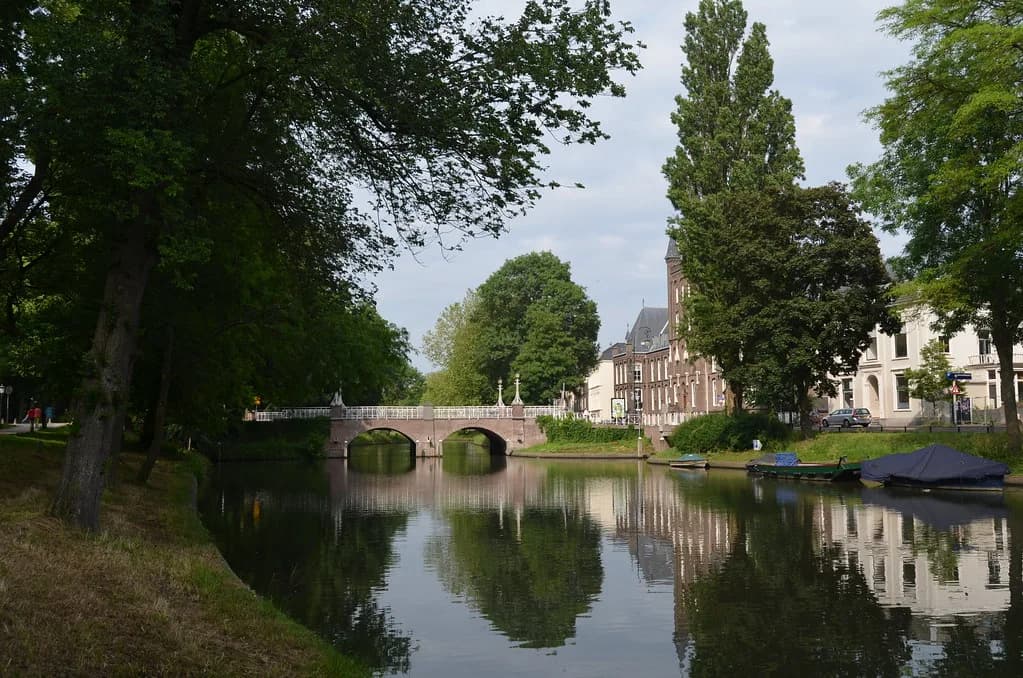
January in Utrecht is cold, damp, and grey, but it’s also a month of charming canalside scenes, steam rising from warm cafés, and fewer crowds. By dressing in layers, wearing a waterproof and windproof coat, and choosing slip-resistant boots, you’ll be equipped to enjoy everything the city offers without shivering or getting drenched.
Check the week’s forecast before you leave and regularly during your trip, and don’t be afraid to adjust your layers. With the right clothing plan, you can embrace the Dutch winter and make the most of your visit.
Frequently Asked Questions
Is it okay to wear jeans in Utrecht in January?
Yes, you can wear jeans, but they are not practical if it rains or snows, as denim gets heavy and cold when wet. For maximum comfort, consider bringing a pair of wool trousers or fleece-lined leggings for wet days, and stick to jeans on drier, milder days.
Do I need thermal underwear for Utrecht in January?
You might not need thermal underwear unless you are particularly sensitive to the cold. Dutch winters rarely require heavy base layers, and you’ll often feel warm when cycling or indoors. A pair of lightweight thermal leggings or a long-sleeved thermal top can be useful for extra cold days, but they are not essential.
Is Utrecht colder than Amsterdam?
Utrecht and Amsterdam have similar climates since they are both in the central-western Netherlands. Temperatures in both cities are typically just above freezing in January, with no significant difference. Weather patterns are consistent regionally.
What accessories should I not forget for Utrecht in January?
You should not forget a warm hat, gloves, and a scarf. These are vital for protecting exposed skin from cold winds. Also, a compact, packable day bag is handy for storing layers when you enter heated buildings.
Sources
Free: The Ultimate Packing Cheat Sheet
A carry-on capsule wardrobe, the complete packing checklist, layering made simple, and what to wear by season — one printable page you'll use on every trip.
You might also like


Continue reading
More guides you'll find useful


