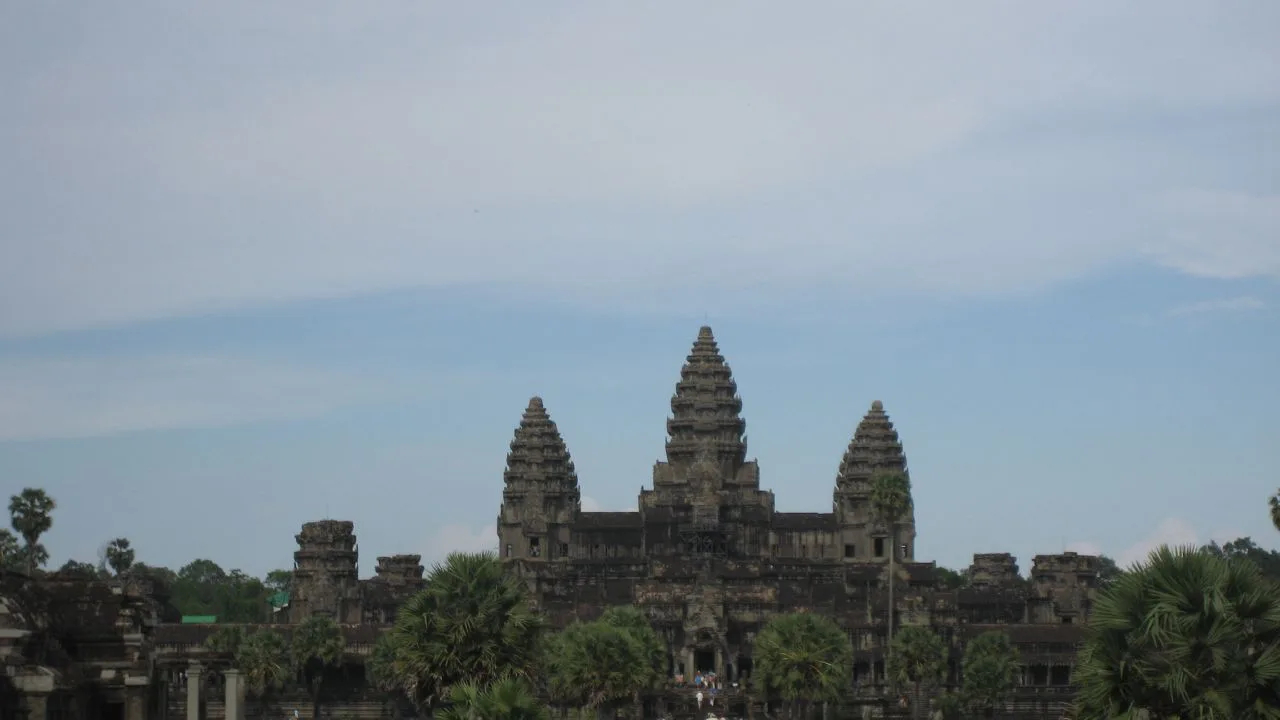
Angkor Temple Circuit Packing List for Multi-Day Temple Days
Plan a multi-day Angkor temple circuit with a small daypack, sun and dust protection, shoulder-and-knee clothing, and footwear for sand, laterite and stairs.
On this page
A multi-day Angkor circuit changes how you pack. Instead of one long day out, you are planning repeat wear, a laundry rhythm, and enough comfort to stay out from sunrise until the gates close.
The circuit also splits into two different transit patterns. Small Circuit days cluster Angkor Wat, Angkor Thom, Bayon, and Ta Prohm close together, while Grand Circuit itineraries commonly add longer drives out to Preah Khan, Neak Pean, Ta Som, East Mebon, and Pre Rup, so you spend more time in a remork or car between stops.
This guide covers packing and wearing decisions for both patterns: daypack organisation, sun and dust defence, shoulder-and-knee clothing, footwear trade-offs, foot care, hydration, comfort items, what to leave behind, and a compact multi-day example. Treat every recommendation as an editorial suggestion to test against your own comfort, and verify current rules with the site operator before you go.
Why a Multi-Day Circuit Changes Your Packing
On a single-day visit you can tolerate a heavy bag, damp shirt, or sore feet because the discomfort ends at sunset. Across several days, those same small problems compound into blisters, chafing, and laundry you did not plan for, so the goal shifts from carrying everything to carrying what you can repeat.
The Angkor Pass structure lets you space out your visits rather than stacking them back to back. According to travel guides, the three-day pass gives access on three days within a one-week period, which gives you breathing room to rinse and dry quick-dry clothing overnight and rotate between two pairs of footwear.
Think in terms of a base kit that lives in your daypack and gets restocked each evening, plus a hotel kit of spares and laundry. Anything that cannot survive repeated sweat, dust, and a hand wash is the wrong item for a circuit, no matter how well it photographs.
How the Small and Grand Circuits Shape Your Kit
Small Circuit days keep you closer to the compact clusters, so you can leave heavier items in the vehicle and return to it between temples without much detour. That makes it easier to carry a slightly fuller daypack with water, snacks, and a spare layer for the early start.
Grand Circuit days involve longer transfers between outer temples such as Preah Khan, Neak Pean, Ta Som, East Mebon, and Pre Rup, so you may be separated from your base for longer stretches. Pack as if the vehicle is your locker: keep the daypack lean, but make sure it holds enough water and sun protection to cover a long dry gap between stops.
Transit itself is part of the packing problem. Open-sided remorks expose you to dust and sun on the road, so a scarf, buff, or light long-sleeve layer you can pull on for the ride earns its place, especially when you are moving between distant temples rather than hopping short distances.
Choosing and Organising Your Daypack
A small daypack you can wear comfortably for hours matters more than a large one you fill just because it is there. Look for broad, padded straps and a back panel that lets some air move, because narrow straps dig in once the bag is loaded with water and sweat is running down your back.
Organise by frequency of use rather than by category. Sunscreen, a hat, and your pass go in an outer pocket you can reach without taking the pack off; water and snacks sit in side pockets or a top compartment; and a dry bag or plastic sleeve keeps electronics and spare clothing separate from damp towels and dusty straps.
Zip everything, every time. Laterite dust is fine and red, and it works its way into open compartments and camera bags during remork rides and walks along unpaved temple paths, so closing the pack between stops saves you cleaning grit off lenses and clothing later.
Layering for a Sunrise Start and a Hot Midday
Sunrise starts are cooler and often breezier than the middle of the day, so a light long-sleeve layer over your temple clothing gives you warmth while you wait in the dark and doubles as sun and dust cover once the day warms up.
As the temperature climbs, peel that layer off and stash it in the daypack rather than tying it around your waist, where it collects dust and catches on temple stonework. A packable layer that squashes into a small space keeps this transition quick and tidy.
What you wear should differ from what you carry. Wear the lightest breathable set for the hot hours, then carry the extras — a spare shirt, a small towel, extra water — so you can change out of a soaked top before a long transfer instead of sitting damp in the vehicle.
Clothing That Covers Shoulders and Knees
Shoulder and knee coverage is the practical filter for temple clothing, so build outfits around that constraint rather than treating it as an afterthought. A light short-sleeve or long-sleeve top with a high neckline and loose trousers or a skirt that reaches the knee satisfies it while staying breathable.
Choose silhouettes you can walk, climb, and sit in without adjusting constantly. Loose cuts let air circulate, dry faster after sweat, and do not restrict your knees on steep stairways, which matters more on a multi-day circuit than on a short visit.
Test your combinations at home before you pack them. Wear the outfit for a long, warm walk and see whether it chafes, rides up, or clings; if it fails that test in a mild climate, it will fail harder in the heat and dust of a temple day.
Keep coverage advice in perspective. Shoulder-and-knee clothing is site-appropriate guidance rather than a fixed uniform, so pick pieces that meet the coverage expectation and suit your own comfort, and check current requirements with the park authorities before you rely on any single rule.
Footwear Trade-offs: Sand, Laterite, and Steep Stairs
Open sandals handle sandy temple grounds and shallow wet patches well and let your feet dry quickly, but they expose toes to laterite grit, uneven stone, and steep stair edges. Closed shoes protect your feet and give better grip on worn steps, yet they trap heat and collect sand that you then carry all day.
A common middle path is a closed shoe with good tread for the temples you plan to climb, plus a lighter sandal for transfers, meals, and shorter stops. If you commit to closed shoes, add breathable socks and expect to empty sand out of them at midday.
Whatever you choose, break it in before departure. Multi-day circuits mean hours of standing and walking on hard, uneven surfaces, and a new pair that rubs on day one will still be rubbing on day three.
Socks, Blisters, and Daily Foot Care
Socks are your first line of defence against blisters when you are walking on hot, gritty surfaces day after day. Choose socks that wick moisture and fit snugly without bunching, and carry a spare pair so you can change at midday if your feet get damp.
Treat foot care as a nightly routine rather than an emergency measure. Wash and dry your feet thoroughly, check for hot spots, and cover any redness with blister patches before it becomes a raw, painful problem the next morning.
Keep a small foot kit in the daypack: blister plasters, a little tape, and a lightweight pair of spare socks. It weighs almost nothing, but it can save a temple day when the next stop is a long walk from the vehicle.
Sun Protection That Survives Sweat and Reapplication
Sun exposure is relentless across open causeways, plazas, and terraces, even when jungle shade appears between temples. Plan for reapplication rather than a single morning layer: carry a small sunscreen you can use on exposed skin, and reapply through the day, especially after sweating heavily.
Hat shape is a real decision. A wide-brimmed hat shades your face and neck but can catch the wind on an open remork; a cap is more stable but leaves your ears and neck exposed. Whichever you pick, make sure it packs flat or clips to the outside of your daypack.
Sunglasses and a light long-sleeve layer complete the sun kit. Sunglasses cut glare off pale stone and water, while a long-sleeve top you can pull on over a short-sleeve shirt adds coverage without making you carry a second full outfit.
Dust, Jungle Shade, and Keeping Grit Out of Your Bag
Dust is the underestimated problem on a temple circuit. Laterite paths and unpaved roads coat clothing, straps, and camera gear in fine red grit, and it reappears every time a vehicle passes, so a buff or scarf you can pull over your nose and mouth is worth carrying.
Jungle shade offers relief between exposed stretches, but it also means humidity that keeps clothing damp and encourages insect activity. A small insect repellent in your daypack, applied before shaded walks, covers that shift without weighing you down.
Pack wet wipes or a small cloth in a sealed bag so you can wipe hands, faces, and camera bodies before grit migrates into your pack. Keep dirty items in a separate pouch rather than loose among clean clothing.
Water, Snacks, and Electrolyte Planning
On a long temple day you may go hours between reliable food stops, especially on the Grand Circuit, so carry more water than you think you need and top up whenever you return to the vehicle. A refillable bottle plus a spare bottle beats relying on finding a vendor at every temple.
Snacks should be heat-tolerant and easy to eat with dusty hands. Nuts, dried fruit, or wrapped bars survive a day in a warm daypack better than chocolate or anything that melts, and they bridge the gap between breakfast and a late lunch.
If you are sweating heavily across multiple days, an electrolyte sachet or tablet can be more useful than plain water alone. Pack a couple in a sealed bag and treat them as part of your restock routine each evening, alongside refilling your bottles.
Comfort Items for Sunrise-to-Sunset Hopping
A portable shade option, whether a compact umbrella or a light scarf you can drape, helps during exposed waits at sunrise and sunset when there is nowhere to sit in the shade. It folds small and earns its place on days that start before dawn and end after the light fades.
A small sit mat or lightweight cloth gives you a clean, dry place to rest on stone ledges and dusty ground without soaking your clothing. Add a small towel for wiping sweat and drying hands, kept in its own pouch so damp fabric does not touch the rest of your kit.
Battery strategy matters when you are out from sunrise to sunset. Carry a power bank and cable for your phone or camera, keep them in a dry pouch, and charge everything overnight so you start each temple day with full batteries rather than rationing photos.
What to Leave at the Hotel
Leave valuables you do not need for the day — spare cash, extra cards, and jewellery — secured at your accommodation. Carry only the pass, a modest amount of cash for drinks and snacks, and the identification you need, so a lost bag does not become a lost trip.
Spare camera gear, tripods you will not use, and heavy lenses are better left behind on days built around stairs and uneven ground. A single versatile lens and a phone often cover a temple day more comfortably than a full kit you have to set down and guard.
Anything you cannot carry up steep stairways should stay in the vehicle or at the hotel. If you are unsure whether a site allows a bag on its upper levels, ask your driver or check with staff at the entrance rather than assuming.
A Multi-Day Circuit Packing Example
For three temple days, pack two temple outfits and one evening outfit rather than three separate sets. Wear one temple outfit while the other dries, rinse the worn set each evening in quick-dry fabric, and keep the evening set clean for town so you are not doing laundry at midnight.
Footwear follows the same logic: one broken-in pair for temple walking and one lighter pair for transfers and evenings. Socks, underwear, and base layers are the items worth packing in slightly higher numbers because they are small, quick to dry, and the first to feel unpleasant after a sweaty day.
Restock nightly rather than repacking from scratch. Refill water, top up sunscreen and repellent, charge batteries, and move anything damp out of the daypack so it dries overnight — a five-minute routine that keeps each temple day starting from a clean baseline.
Accessibility and Mobility on Uneven Ground
Temple circuits involve sand, laterite, uneven stone, and steep stairways, so plan for the ground you will actually cross rather than the smooth paths in photographs. Trekking poles help on uneven sections but may be awkward on stairs and in crowded areas, so test whether they suit your route before committing.
If stairs are a barrier, build your days around ground-level and gently sloped areas and use the vehicle as a rest point between stops. Discuss your route with your driver in advance so they can position closer to entrances and avoid long walks on loose surfaces.
A folding stool or walking aid you can carry yourself adds independence on long days with limited seating. Check what you can bring into each site with staff at the entrance, since rules can vary, and confirm accessibility details through the park's official channels before you finalise your plan.
Before You Finalise Your Bag: Weather and Seasonal Checks
Siem Reap has a rainy season, and travel sources note that temple visits can be affected by rain at that time of year. Treat that as a historical seasonal tendency rather than a forecast, and check a current forecast in the days before departure to decide whether to add a compact rain shell or extra dry bags.
If your trip falls in a cooler or drier stretch, the packing shift is about layers rather than bulk: a light long-sleeve layer for early starts and shade, and the same sun and dust protection you would carry at any time of year. For month-by-month clothing choices, see what to wear in Siem Reap in November.
Build your final bag around three checks: the current forecast, the temple days you have booked, and how much you are willing to carry up stairs. That combination, rather than a fixed checklist, decides what stays in the daypack and what stays at the hotel.
Plan Your Visit
The strongest multi-day temple kit is small, repeatable, and organised around what you wear versus what you carry. Two temple outfits, broken-in footwear, refillable water, sun and dust protection, and a nightly restock routine will carry you through both the compact Small Circuit clusters and the longer Grand Circuit transfers.
Leave the valuables, spare camera gear, and anything you cannot carry up stairs at the hotel, and keep the daypack light enough that you forget you are wearing it. Check the forecast before departure, confirm current site rules with the park authorities, and treat every clothing suggestion here as something to test against your own comfort.
Frequently Asked Questions
What should I pack for a multi-day Angkor temple circuit?
Pack two temple outfits you can rewear and wash, broken-in footwear for uneven stone and sand, a small daypack with padded straps, refillable water, snacks, sunscreen, a hat, sunglasses, insect repellent, a buff or scarf for dust, blister plasters, and a power bank. Keep the daypack lean and restock it each evening rather than carrying three separate outfits.
What do you wear to Angkor Wat temples?
Choose clothing that covers your shoulders and knees while staying breathable, such as a light top with a high neckline and loose trousers or a knee-length skirt. Test your combinations on a long warm walk before you travel, and treat this as site-appropriate guidance rather than a fixed uniform.
Are sandals or closed shoes better for Angkor temples?
Sandals handle sand and wet patches and dry quickly, but they leave toes exposed to grit and steep stone edges. Closed shoes protect your feet and grip better on worn steps, though they trap heat and collect sand. Many visitors bring one broken-in pair for temple walking and a lighter pair for transfers and evenings.
Do you need to cover shoulders and knees at Angkor?
Shoulder-and-knee coverage is the practical filter for temple clothing, so build your outfits around it. Choose breathable pieces you can walk and climb in, and check current requirements with the park authorities before you rely on any single rule.
How do you deal with dust and heat while temple hopping?
Carry a buff or scarf for dusty remork rides and unpaved paths, keep wet wipes in a sealed bag for hands and camera gear, and wear the lightest breathable set during the hot hours while carrying spare layers in your daypack. Reapply sunscreen through the day and refill water whenever you return to the vehicle.
How do you pack for sunrise at Angkor Wat and a full day of temples?
Start with a light long-sleeve layer for the cooler, breezier wait before dawn, then peel it off and stash it as the day warms. Carry the extras rather than wearing them: spare water, a small towel, sunscreen, and a power bank, so you can adapt from sunrise through the hottest hours to sunset.
What should you leave behind when visiting Angkor temples?
Leave spare valuables, extra cards, jewellery, and heavy camera gear at your accommodation or in the vehicle. Carry only your pass, a modest amount of cash, and the essentials you can comfortably take up steep stairways, and ask staff at the entrance if you are unsure whether a bag is allowed on upper levels.
Sources
Free: The Ultimate Packing Cheat Sheet
A carry-on capsule wardrobe, the complete packing checklist, layering made simple, and what to wear by season — one printable page you'll use on every trip.
You might also like


Continue reading
More guides you'll find useful