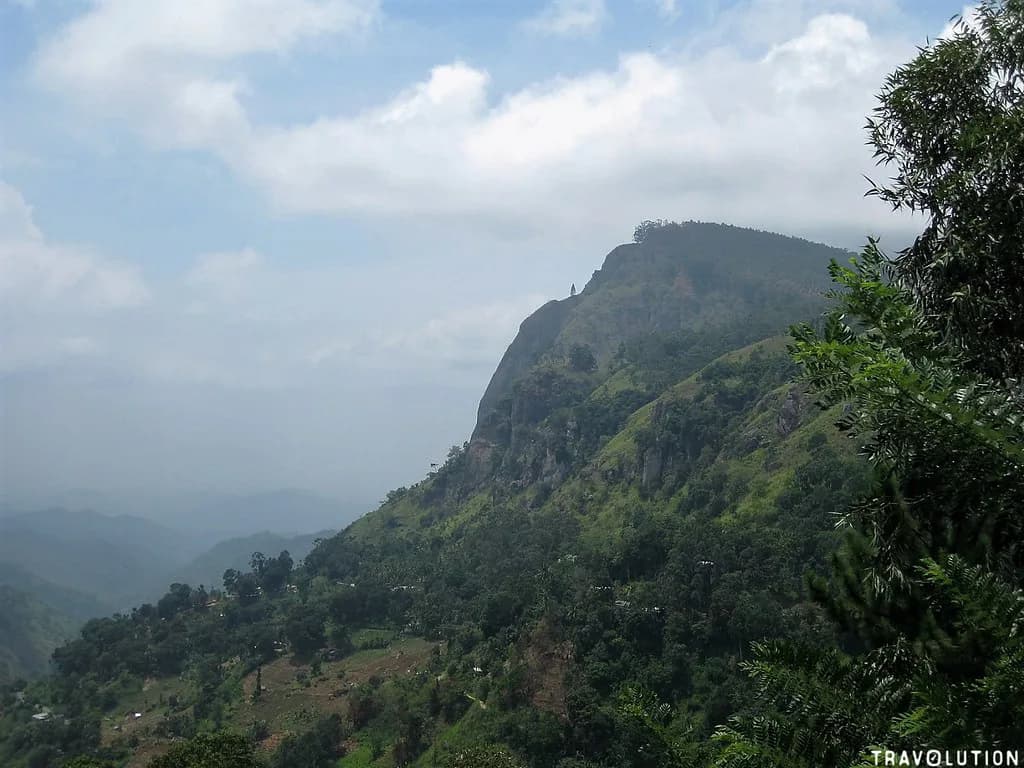
Ella Sri Lanka Packing List: Hill Country Clothing & Gear
Pack for Ella with layered hill-country clothing, reliable rain gear, and trail-ready footwear. Plan a simple capsule, know what to skip, and check the forecast.
On this page
Ella weather month by month
Typical conditions from 30 years of daily weather data — use it to see how much to pack for the month you are travelling.
| Month | High / low | Days with rain | Afternoon humidity | Daylight |
|---|---|---|---|---|
| January | 23° / 17°C (73° / 62°F) | 5 in 10 days | 71% | 11.6 h |
| February | 24° / 17°C (75° / 62°F) | 5 in 10 days | 66% | 11.8 h |
| March | 26° / 17°C (78° / 63°F) | 4 in 10 days | 60% | 12 h |
| April | 26° / 18°C (79° / 65°F) | 7 in 10 days | 65% | 12.2 h |
| May | 27° / 20°C (81° / 67°F) | 6 in 10 days | 62% | 12.3 h |
| June | 28° / 20°C (82° / 67°F) | 3 in 10 days | 57% | 12.4 h |
| July | 28° / 19°C (82° / 67°F) | 3 in 10 days | 54% | 12.4 h |
| August | 28° / 19°C (82° / 66°F) | 3 in 10 days | 54% | 12.2 h |
| September | 27° / 19°C (81° / 66°F) | 5 in 10 days | 56% | 12 h |
| October | 25° / 18°C (78° / 65°F) | 7 in 10 days | 65% | 11.8 h |
| November | 24° / 18°C (74° / 64°F) | 8 in 10 days | 73% | 11.7 h |
| December | 23° / 17°C (73° / 63°F) | 7 in 10 days | 74% | 11.6 h |
Travelling on specific dates? Use our What to Wear Planner for the weather, outfits and a packing list for your exact days in Ella.
Averages for 1991-2020, modelled from Copernicus ERA5-Land and ERA5 reanalysis via Open-Meteo open data (CC BY 4.0), adjusted to Ella's elevation. Modelled afternoon highs can read 1–2°C below airport weather-station records.
Packing for Ella is less about a single climate and more about managing change across a day. The town sits in Sri Lanka's hill country, so you can start a morning in warm, sticky air and end it on a windy viewpoint wishing you had a dry outer layer. Treat the guidance below as historical seasonal tendencies, not a forecast, and confirm current conditions before you zip your bag.
This is a clothing and gear guide, not an itinerary. Every section makes one packing decision: how to layer, which footwear earns its weight, how to keep electronics dry, and what to leave at home. Where a rule varies by site or operator, check with the site or operator rather than guessing.
What Makes Packing for Ella Different
Ella's elevation is the single biggest packing variable. Lower-elevation Sri Lanka is often hot and humid, while parts of the hill country can be noticeably cooler and rainier, especially at night. Ella sits in that hill zone, so plan for a warm baseline with a real cool-weather layer rather than one climate.
Moisture, not just temperature, drives most of your decisions. Rain is common across Sri Lanka across two monsoon patterns, so a shell and dry bags are more useful than a heavy outfit. Mud on paths and damp guesthouse rooms make quick-drying fabrics and a spare dry layer worth the space.
Ella's practical mood is casual, so you do not need formalwear or delicate fabrics. What you do need is a small repair-and-comfort kit: blister care, a compact towel, and a way to keep documents dry. If your trip crosses months, the specific layer weights shift, which is why separate month pages exist for what to wear in Ella in November and what to wear in Ella in July.
Rain Strategy: Shell, Compact Umbrella, Dry Bags
Treat rain as a planning assumption rather than bad luck. A lightweight waterproof shell that packs small is the core item, with a compact umbrella as your second line of defence for town and short walks. A poncho can substitute for the shell if you prefer more coverage, but it is less useful in wind.
Pack two dry bags or one dry bag plus a roll-top stuff sack. Use one for electronics and cables, and one for passport copies, insurance details, and any paper tickets you still carry. A plastic zip bag inside your daypack handles the small stuff if you want to travel lighter. If you prefer a dry-bag-style backpack, that can double as your liner on wet travel days.
Check your daypack's rain cover before you fly. If it is missing or flimsy, either replace it or commit to a dry bag liner for the whole pack. On a wet hill-country day, a soaked daypack is the fastest way to ruin the electronics you brought for the train ride.
The Hill-Country Layer System
Build three working layers instead of packing many separate outfits. A breathable base in cotton or linen handles humid afternoons; a light mid-layer such as a micro-fleece or thin sweater handles cool evenings; and a waterproof shell sits on top. This combination covers most of what Ella throws at you in a single day.
Add a light scarf or sarong to the layer system. It doubles as warmth on a misty viewpoint, a shoulder cover for temple visits, and a quick-dry towel substitute. That kind of multi-use item is what makes a hill-country capsule work with fewer pieces.
Night temperatures in the hill country can drop enough that a sweater or fleece earns its place even in an otherwise hot country. If you are visiting in a cooler month, check what to wear in Ella in February or what to wear in Ella in April to fine-tune the weight of your warm layer.
Footwear Trade-Offs for Mud, Trails, and Town
Three pairs is the practical maximum for most Ella trips: one trail shoe or light hiking shoe, one walking sandal with real grip, and one pair of flip-flops for guesthouses and short errands. Trail runners often beat heavy boots here because they dry faster and feel lighter on steep, wet paths. If you only bring one serious pair, make it the trail shoe.
Walking sandals earn their weight when paths are muddy but not steep, and they breathe better than closed shoes in humid heat. Choose a pair that straps securely and has a grippy sole rather than a loose slip-on. Sandals also make temple stops easier, since you can slip them off without wrestling with wet laces.
Bring blister care and a few hiking socks rather than a fourth pair of shoes. Moleskin or a blister plaster in your daypack prevents a small hot spot from ending a walking day early. If you plan any serious trail time, check locally at your guesthouse for current path and mud conditions before you set out.
Temple-Ready Clothing: Modest Layers That Pack Small
Many Sri Lankan temples expect visitors to cover shoulders and knees, and a scarf or sarong makes that easy without changing your whole outfit. Pack one lightweight sarong plus one large scarf so you can cover up over a tank top and shorts before you go in. Requirements can vary by site, so look for signage or ask before entering.
You will usually remove your shoes at temple entrances, so footwear choice matters more than you might expect. A pair of walking sandals or easy slip-ons is far more practical than laced boots. A pair of socks can also help on hot stone surfaces where shoes are not allowed, per the packing guidance at Holafly.
Pack one longer bottom, such as lightweight trousers or a maxi skirt, for temple days and for the train. A modest outfit is also a reasonable general default in smaller towns, independent of any religious site rules. This is editorial advice, not a claim about how every local dresses.
Train and Bus Days: Soft Bag Plus Daypack
If your trip includes the train to or from Ella, soft luggage beats a hard rolling suitcase. Sri Lankan buses and trains can get crowded, and a backpack or soft duffel is easier to lift, squeeze, and carry up guesthouse stairs. For public-transport trips, a small backpack is often the most manageable choice, and you can review current baggage arrangements with your operator or station.
Keep a small daypack for the train itself. Put your dry bag, water, layer, and snacks in it so your main bag can stay closed and out of the way. A daypack that fits comfortably in front of you works better than one you have to take off in a crowd.
Dress for movement rather than for the destination photo. Loose, breathable trousers or a skirt you can sit in, plus a light layer for air-conditioned compartments, make a long travel day more comfortable. Sandals you can slip off easily also help on overnight or long daytime journeys.
Capsule Example for Five to Seven Days
For a five-to-seven-day Ella trip, start with three tops, two bottoms, one warm mid-layer, one rain shell, and a sarong or scarf. Choose quick-dry fabrics for all of it where possible, because laundry in damp hill-country weather is slow. This combination gives you enough variety without overpacking.
Then add two to three pairs of socks, enough underwear for the trip plus a spare set, sleepwear, and a swimsuit if your accommodation has a pool or you plan any water stop. Footwear is the trail shoe, walking sandals, and flip-flops. Toiletries stay small, and a quick-dry towel replaces bulky cotton.
Leave space for a couple of things you might buy locally, such as a light shawl or an extra dry bag. If your trip extends beyond a week, focus on doing laundry rather than adding a third outfit. Fewer, better-chosen layers are what make the capsule work.
Tea Estate and Viewpoint Outfits
Tea estate visits and viewpoints often mean standing around in wind and mist, so your layers matter more than you expect. Wear your mid-layer from the start if you are heading out early or late, and keep the rain shell accessible rather than buried in your bag. Long trousers also help against cool wind and tall grass.
Footwear for estates and viewpoints should handle damp grass and uneven ground. The trail shoe or a grippy walking sandal works well here; flip-flops do not. A light pair of gloves and a warm hat are optional additions if you feel the cold and are visiting in a cooler month.
Bring your daypack with a dry bag for camera gear and a light snack. Weather on exposed viewpoints can change quickly, so being able to add or remove a layer is the main skill. Check the day's outlook with your guesthouse or a local guide before committing to an exposed walk.
Waterfall Stops: Quick-Dry Fabrics and Water Shoes
Waterfall visits reward quick-dry clothing, not denim. If you plan to get near the water, wear a swimsuit under a quick-dry top and shorts, and bring a small towel. A dry bag keeps your phone and camera safe while your clothes dry out.
Water shoes or sandals with a secure strap are more useful than flip-flops on wet, rocky ground. Flip-flops float off your feet too easily in moving water. If you do not own water shoes, a pair of walking sandals with a heel strap is the next-best choice.
Treat waterfall stops as a wet-weather activity, not a guaranteed dry one. Keep your dry bag discipline consistent whether the sun is out or not, since spray and splash are unpredictable. Check locally for current water levels and safe access before you go.
What to Leave Behind
Leave heavy denim at home. Jeans are slow to dry, heavy in a pack, and too warm for humid afternoons in the hill country. Lightweight trousers or a skirt serve the same purpose and pack down much smaller.
Skip thick bath towels, formalwear, and more than three pairs of shoes. Guesthouses almost always provide towels, and you are unlikely to need anything dressy in Ella. Extra shoes are one of the heaviest things in a bag and the least likely to be worn.
Leave behind electronics you will not use, and any clothing you would worry about getting muddy. Ella is a practical destination, and a bag you can carry comfortably matters more than one that covers every possible scenario.
Before You Go: Check the Forecast, Then Finalize
Before you finalize your bag, check a current forecast for Ella for the days you will be there. Treat it as a signal about wetness and temperature, not a guarantee, since hill-country weather can shift within a day. Use it to decide whether your warm layer should be a micro-fleece or something heavier.
Then do a quick audit against your activities. Beach or pool time adds a swimsuit; temple time confirms your sarong and modest layer; trail time confirms blister care and socks. If something does not serve one of your actual plans, leave it behind.
Finally, confirm any site-specific or operator-specific rules directly with the relevant source. Temple clothing expectations, train baggage arrangements, and trail access can change, so a quick check is worth more than an assumption. The CDC travel packing page is a useful reference point for health-related items on your list, to review with a clinician where relevant.
Pack for Wet, Cool, and Layered Days
Ella rewards a simple, layered kit: breathable base layers, one real warm layer, a reliable rain shell, and footwear that can handle mud and wet stone. Keep your electronics and documents in dry bags, and keep your bag soft and small enough to carry on a crowded train. That combination covers tea estates, waterfalls, viewpoints, and temple stops without overpacking.
If your dates fall in a specific month, use the dedicated month guides to adjust layer weights rather than rebuilding the whole list.
More packing guides for Sri Lanka
- Kandy to Ella Train Packing and What to Wear Guide
- Packing for Ella in April: What to Wear on Wet Highland Trails
- What to Wear in Ella in February: Hill-Country Packing Guide
- What to Wear in Ella in July: Hill Country Packing Guide
- What to Wear in Ella in November: Rain-Ready Packing Guide
- What to Wear in Ella: Temple Visits and Tea Estate Walks
- Colombo Packing List: What to Wear in Humid Heat and Rain
- Kandy Packing List: Temples, Hills and Tea Country
Frequently Asked Questions
What should I pack for Ella, Sri Lanka?
Start with a three-layer system: a breathable base, a warm mid-layer, and a waterproof shell. Add a sarong or scarf for temple visits and warmth, quick-dry trousers, a swimsuit if relevant, and a compact dry bag for electronics. For footwear, choose one trail shoe and one grippy walking sandal. Check a current forecast before departure and adjust the weight of the warm layer, not the whole list.
Do I need a rain jacket in Ella?
Rain is common in Sri Lanka and the hill country can be wet, so a packable waterproof shell is one of the most useful items you can bring. A compact umbrella helps for town, and dry bags protect electronics and documents. Even in drier months, a shell is worth the small amount of space it takes.
What shoes should I wear in Ella?
One pair of trail runners or light hiking shoes handles most wet, uneven paths. Add a grippy walking sandal for hot days and for temples where you remove your shoes, plus flip-flops for guesthouses. Bring blister care and a couple of pairs of hiking socks rather than a third serious pair of shoes.
What should I wear for the train to Ella?
Wear loose, breathable clothing you can sit in comfortably, and carry a light layer for air-conditioned compartments. Use a soft bag or backpack instead of a hard suitcase, and keep a small daypack with your essentials so your main bag can stay closed. Confirm current baggage arrangements with your operator or station.
Is there a dress code for temples in Ella?
Many temples in Sri Lanka expect visitors to cover shoulders and knees, and removing shoes at entrances is common. A sarong or large scarf lets you cover up over a tank top and shorts. Expectations can vary between sites, so check signage or ask locally before entering rather than assuming a universal rule.
What can I leave behind when packing for Ella?
Leave heavy denim, thick cotton towels, formalwear, and extra shoes behind. Jeans dry slowly in humid conditions, guesthouses usually provide towels, and more than three pairs of shoes is weight you will not use. Also skip electronics you will not need and anything you would worry about getting muddy.
Sources
Free: The Ultimate Packing Cheat Sheet
A carry-on capsule wardrobe, the complete packing checklist, layering made simple, and what to wear by season — one printable page you'll use on every trip.
You might also like


Continue reading
More guides you'll find useful