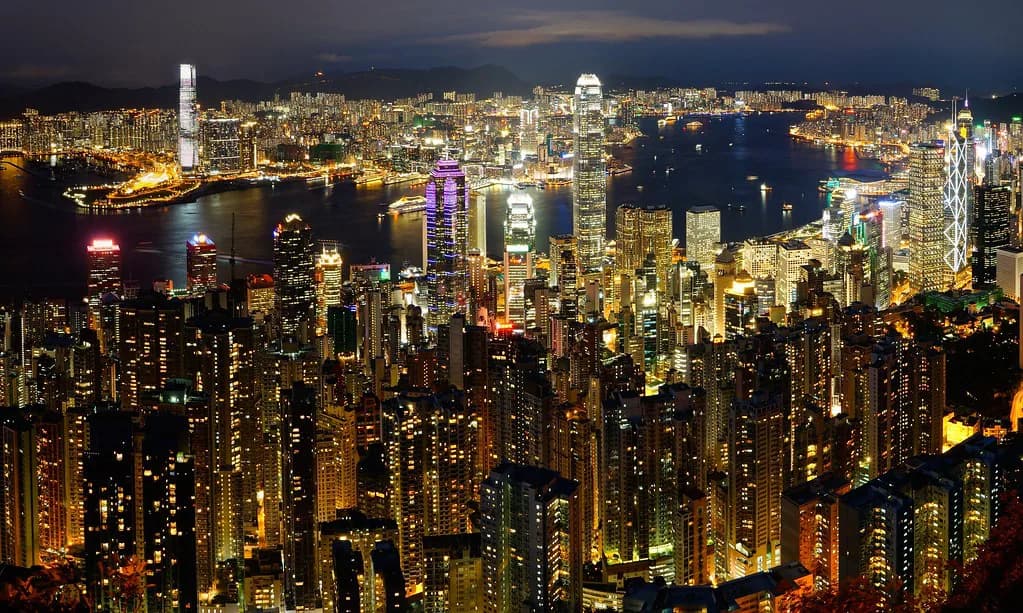
Hong Kong Air-Conditioning and Indoor Layering Guide
Hong Kong's cool indoor air shapes your packing list. Plan one light layer for malls, MTR rides and dining rooms, plus breathable fabrics and easy footwear.
On this page
Hong Kong's indoor cooling is the packing problem that catches many visitors off guard. You can leave a humid street, step into a mall, restaurant, museum, ferry cabin or MTR carriage, and feel a sharp chill within minutes. The practical response is not a heavy jacket but a light layer that lives in your day bag and comes on and off several times a day.
This guide treats indoor cooling as a packing-system question rather than a generic hot-weather checklist. It covers the layer itself, fabric and fit trade-offs, footwear, summer versus cooler-month adjustments, a compact trip-length example, what to leave behind and how to check conditions before departure.
Why Indoor Cooling Changes What You Pack
Hong Kong's climate is subtropical, and the city is known for cooling indoor spaces strongly, especially the MTR, malls, restaurants, museums and ferry cabins. A summer day can move from full sun to a chilled carriage to a cooled dining room within a single outing. Packing for the outdoor temperature alone leaves you uncomfortable indoors.
The core decision is to separate your warmth layer from your indoor layer. A warmth layer handles genuinely cool outdoor conditions, while an indoor layer is thin, packable and easy to remove. On most Hong Kong trips the indoor layer does far more work, because you cross climate boundaries constantly.
Cooling strength varies by building and operator, so treat the chill as a tendency rather than a fixed number. Some venues feel brisk, others merely cool, and a few feel neutral. A light layer in your bag means you never have to guess which kind of room you are walking into.
The Indoor-Outdoor Swing Across a Day
A typical city day can involve walking humid streets, riding the MTR, browsing a mall, eating in a restaurant and visiting a museum, each with a different indoor climate. The transitions are frequent rather than occasional, which is why your layer needs to be quick to put on and quick to remove.
Ferries are a useful example of the swing: the open deck can be warm and breezy while the enclosed cabin is cooled. A thin long-sleeve top or overshirt you can pull on for the crossing makes the ride comfortable without adding real weight to your bag.
In practice, carrying one light layer tends to keep you comfortable through a long lunch or a museum visit, while carrying nothing often leaves you shivering. The layer is not about protecting you from weather, it is about smoothing the transitions.
Choosing the Light Layer: Cardigan, Overshirt or Thin Long-Sleeve Top
The most useful indoor layer is a fine-gauge cardigan, a button-front overshirt or a thin long-sleeve top, because each is light enough to carry and easy to remove in a warm room. Choose one that folds small, holds its shape and looks tidy enough for a museum or dinner without looking like a spare garment.
An overshirt has the advantage of pockets and a bit more structure, which can dress up a t-shirt, while a thin long-sleeve top layers invisibly under almost anything. A fine cardigan is the easiest to shed when you step back outside. Any of the three works; pick the one you will actually carry every day.
Keep this layer in your day bag rather than your hotel room, because the strongest indoor chill often appears when you are out and least prepared. A small backpack or crossbody makes it easy to stow and retrieve the layer several times without thinking about it.
Fabric and Fit: Breathable, Quick-Drying and Easy to Remove
In Hong Kong's humidity, breathable and moisture-wicking fabrics keep you comfortable moving between warm streets and cooled interiors. Keep fabrics breathable and carry a light layer for the indoor cooling, which does much of the work on a mixed day of transit, meals and sightseeing.
Look for light knits, cotton blends, linen blends or technical quick-dry materials that dry fast if you get caught in a shower. Heavy, non-breathing fabrics trap sweat and then feel cold indoors. Fine knits and breathable mid-layers in textured fabrics can look polished in cooled interiors without overheating outdoors, which makes them a practical alternative to heavy wool.
Fit matters as much as fabric: a layer that is too tight is uncomfortable in humidity, while one that is too loose can feel bulky to carry. A relaxed but tidy cut that slides over a t-shirt works best for constant on-and-off use. If you plan to layer the piece under a jacket, check that it fits without bunching.
Choose colors and finishes you can wear with several outfits, since a single layer that matches everything earns its place in the bag. A neutral overshirt or thin knit in a light color tends to feel appropriate in a wide range of venues. This is an editorial suggestion, not a dress rule for any specific place.
Footwear for Humid Streets and Long Indoor Walks
Hong Kong's terrain rewards good footwear, with hilly districts, steep escalator paths and long walking days through malls and transit interchanges. Breathable walking shoes with decent grip handle heat, humidity and polished indoor floors better than stiff dress shoes or heavy boots.
Indoor cooling rarely reaches your feet, but outdoor heat does, so prioritize shoes that breathe and dry quickly. If you expect rain, quick-drying trainers or waterproof sandals are easier to deal with in humid air than fabric shoes that stay damp for hours. For a full day of mixed city walking, one dependable pair usually outperforms several specialist options.
Keep slippers or sandals for the hotel and leave the heavy boots behind unless you are actually hiking. That keeps the footwear decision aligned with the layer decision: light, packable and suitable for transitions.
Summer Packing: The Light Layer Is a Daily Carry Item
In summer, the light layer is not an optional extra, it is a daily carry item, because the gap between humid streets and cooled interiors is widest then. Keep a cardigan, overshirt or thin long-sleeve top in your day bag every time you leave the hotel, and choose lightweight, moisture-wicking clothing for the rest of your outfit. Many travellers underestimate this indoor-outdoor swing, which is why the light layer belongs in the bag rather than the hotel room.
Base your summer clothing around breathable shorts, skirts or lightweight trousers and a couple of quick-dry tops. A compact umbrella earns a place in the same bag for sudden showers. The goal is a small kit that handles heat, humidity, rain and indoor chill without a heavy jacket.
If your trip includes hiking or outlying-island days, plan those outfits separately from the city layering system. A moisture-wicking base works under a light jacket for temples and museums, then comes off entirely for a trail or beach afternoon.
Cooler Months: Medium Jacket, Fleece and Avoiding Heavy Coats
From late autumn into winter, Hong Kong's outdoor evenings can feel cool enough to want a medium jacket or fleece, while daytime temperatures often remain mild. The packing mistake is treating this as deep-winter weather and bringing a heavy coat you will carry far more than wear. A mid-weight layer plus a light indoor layer covers most needs.
If your travel dates fall later in the cool season, refine the medium layer rather than adding bulk, and keep the indoor layer separate and light. A fleece or medium jacket handles breezy evenings and waterfront walks, while a compact windbreaker adds wind and rain protection without weight.
In the coolest weeks, a medium jacket may be appropriate for outdoor evenings, but heavy winter coats are generally unnecessary for indoor layering. If you are unsure how cold your dates will feel, check a seasonal guide for the month and adjust one layer at a time. The Hong Kong packing list walks through the full-year layer system if you want a single reference.
One Compact Day Bag Where the Layer Lives
A small backpack or crossbody bag is the practical home for your light layer, water bottle, umbrella and phone. Keeping the layer in the bag rather than tied around your waist means it stays clean and ready for the next cold room. This single habit solves most of the indoor-outdoor swing problem.
Choose a bag that is light, easy to open one-handed and comfortable to carry, since you may be putting the layer on and off while standing in a queue or boarding a ferry. A crossbody that sits close to the body is comfortable on crowded transit, while a small backpack distributes weight better on long walking days.
Keep the layer near the top of the bag rather than buried under other items, or you will stop using it. A simple internal pouch or the bag's quick-access pocket is enough to keep the system working all day.
A Compact Three-Day City Packing Example
For a compact three-day city trip built around indoor transitions, start with two or three breathable tops, one light layer such as a cardigan or overshirt, one pair of lightweight trousers or a skirt, one pair of comfortable walking shoes and a compact umbrella. Add sleepwear, basic toiletries and a small day bag.
This example is illustrative rather than a required count; adjust quantities to your laundry plans and the length of your actual stay. The important structural point is that the light layer is a single multi-use item, not several jackets for different occasions. What changes between summer and cooler months is only the outer layer and the base fabric weight.
If your trip includes outdoor time at viewpoints or waterfront areas, add a windbreaker to the same bag rather than packing a separate jacket. The goal is one outfit system that moves cleanly between humid streets and cooled interiors.
What to Leave Behind
Leave the heavy winter coat at home for city trips, because you will carry it far more than you wear it. Thick jumpers, heavy boots and multiple pairs of smart shoes also tend to go unused in a city where casual clothing is common and indoor cooling is handled by a thin layer. Save the suitcase space for the items you will actually use daily.
Skip multiple jackets in favor of one light indoor layer and, if needed, one medium or windproof outer layer. Skip heavy denim or non-breathing fabrics that stay damp in humidity. If you are unsure whether a specialist item is worth packing, ask whether you would wear it on a normal day at home.
Leave bulky gear behind unless hiking or an outlying-island day is a genuine priority and you have checked the specific trail and conditions; the hiking and outlying islands list above covers that separate kit. For city days mixed with a museum or mall visit, the light layer does the work and the extra equipment stays in the hotel.
Before You Go: Check the Forecast for Your Actual Travel Dates
Historical climate patterns are useful for planning, but they are not a forecast, so check an official weather source shortly before departure for the temperatures and rain risk expected during your actual dates. That check is what tells you whether to lean toward summer lightweight fabrics or to add a medium jacket for cool evenings.
Hong Kong can also be affected by tropical cyclones in the warmer months, so look at official warnings rather than packing for a generic worst case. The light indoor layer stays in the bag in every season; only the outer layer and base fabric weight change with the forecast. If your dates fall in the cooler season, what to wear in Hong Kong in November goes through layering as the weather shifts, while the main list covers the full year.
Once you know the expected conditions, finalize your packing around one variable layer system: a light indoor layer, a base suited to the temperatures, and footwear that handles both walking and indoor floors.
Plan Your Hong Kong Layering
Hong Kong's indoor cooling makes a light layer the single most useful item in your bag, more so than any heavy jacket. Build your packing list around one removable layer, breathable base clothing and comfortable walking shoes, then adjust only the outer layer for cooler months.
Check the forecast before departure, keep the light layer in your day bag, and leave the heavy coat at home. If your dates fall in the cooler season, the November guide walks through layering choices as the weather shifts, while the main list covers the full year.
Frequently Asked Questions
Do I need a cardigan for Hong Kong in summer?
A cardigan, overshirt or thin long-sleeve top is one of the most useful items to carry in summer, because indoor spaces such as the MTR, malls, restaurants, museums and ferries tend to feel much cooler than the streets. It is an editorial suggestion rather than a requirement, and the right pick is whichever light layer you will actually keep in your day bag.
Why does Hong Kong feel so cold indoors?
Indoor cooling is strong in many Hong Kong venues, and the contrast with humid outdoor air makes it feel sharper. Cooling levels vary by building and operator, so think of it as a tendency to plan for rather than a fixed temperature. A light layer in your bag lets you adapt without guessing.
What is the best layer to carry in Hong Kong for indoor cooling?
A fine cardigan, button-front overshirt or thin long-sleeve top works best because it is light, easy to remove and tidy enough for most indoor settings. Choose a breathable fabric that folds small and matches several outfits so you will carry it daily without thinking about it.
Should I pack a heavy jacket for Hong Kong?
For city trips, a heavy winter coat is usually unnecessary and tends to be carried rather than worn. A medium jacket or fleece covers cool evenings in the cooler months, while the light indoor layer handles cooled interiors year-round.
How should I dress for the MTR and malls in summer?
Wear lightweight, breathable clothing for the streets and keep a light layer in your day bag for the MTR and malls. Quick-drying fabrics help with humidity if you get caught in a shower, and comfortable walking shoes make the long indoor walks between transit and shops easier.
What should I leave out of my Hong Kong packing list?
Leave heavy winter coats, thick jumpers, heavy boots and multiple pairs of smart shoes at home for a city trip. Pack one light indoor layer and, if your dates call for it, one medium or windproof outer layer. Skip non-breathing fabrics that stay damp in humid air.
Sources
Free: The Ultimate Packing Cheat Sheet
A carry-on capsule wardrobe, the complete packing checklist, layering made simple, and what to wear by season — one printable page you'll use on every trip.
You might also like

Continue reading
More guides you'll find useful