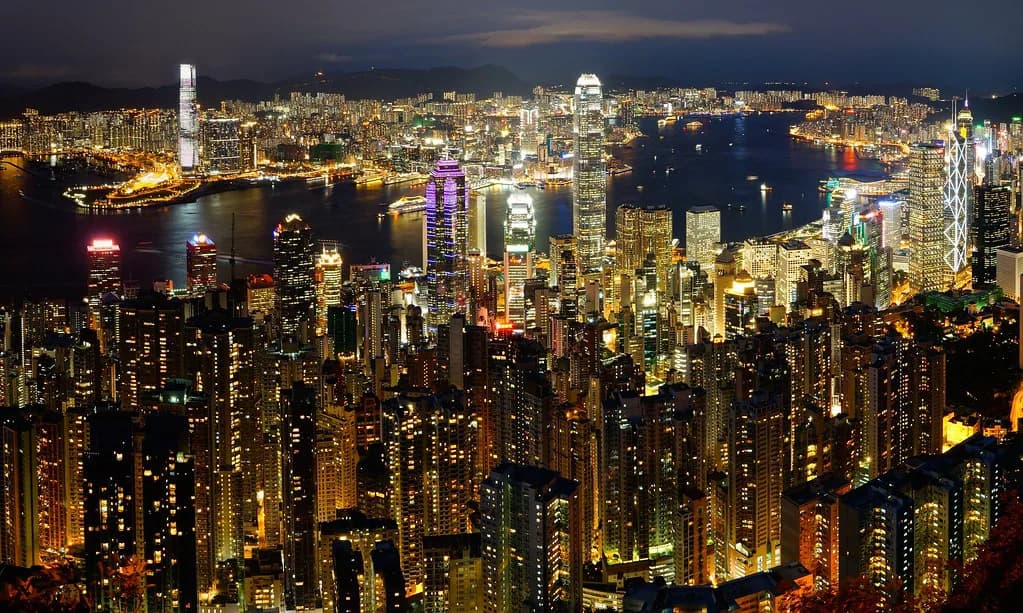
What to Wear in Hong Kong in November: Layering Guide
Pack light layers for Hong Kong in November, when warm afternoons turn cool after sunset. Learn footwear, rain gear, and what to leave at home.
On this page
Hong Kong in November: the weather in numbers
Typical November conditions from 30 years of daily weather data, split into early, mid and late month so you can match them to your travel dates.
| Dates | Early Nov (1–10) | Mid Nov (11–20) | Late Nov (21–30) |
|---|---|---|---|
| Afternoon high | 25°C (77°F) | 24°C (74°F) | 23°C (73°F) |
| Night-time low | 20°C (69°F) | 19°C (66°F) | 18°C (64°F) |
| Feels like (afternoon) | 25°C (77°F) | 23°C (74°F) | 22°C (71°F) |
| Range of afternoon highs | 23–27°C | 21–26°C | 20–25°C |
| Days with rain | 1 in 10 days | 2 in 10 days | 2 in 10 days |
| Afternoon humidity | 61% | 62% | 60% |
| Average wind | 12 km/h | 12 km/h | 12 km/h |
| Daylight | 11.1 h | 10.9 h | 10.8 h |
What this means for your suitcase
- Warm days: T-shirts and light trousers or skirts, plus one light layer.
Travelling on specific dates? Use our What to Wear Planner for the weather, outfits and a packing list for your exact days in Hong Kong.
Averages for 1991-2020, modelled from Copernicus ERA5-Land and ERA5 reanalysis via Open-Meteo open data (CC BY 4.0), adjusted to Hong Kong's elevation. Modelled afternoon highs can read 1–2°C below airport weather-station records.
November in Hong Kong sits between the tail of the wet season and the start of drier winter air, which changes what deserves space in your bag. Afternoons can still feel warm, but evenings near the harbour and at exposed viewpoints tend to feel noticeably cooler. The practical result is a wardrobe built around light layers rather than a single heavy coat.
This guide focuses on packing decisions for November specifically. Climate figures here describe historical seasonal tendencies, not a forecast for your travel dates, so treat them as planning context and confirm conditions closer to departure. The Hong Kong Observatory publishes current forecasts and warnings worth checking before you finalise your bag.
Why November packing in Hong Kong is all about layering
The core packing problem in November is the gap between a warm afternoon and a cool evening, especially when you are outdoors after sunset. A single mid-weight outfit that feels right at midday can leave you chilly on a breezy ferry deck or at an exposed viewpoint later. Building your day around layers you can remove and re-add solves that gap without carrying a second complete outfit.
Humidity generally drops through the autumn months, so breathable fabrics remain useful but summer-level sweat management becomes less of a priority. That means you can pack more structured pieces, such as a light sweater or a casual button-down, that would have felt heavy in September. The trade-off is that you still want one compact layer for wind and occasional showers.
Indoor air-conditioning can still feel strong in malls, museums and on public transport, so a layer that packs small earns its place even on a warm day. A thin cardigan or a light long-sleeved top that folds flat in a daypack handles both indoor chill and outdoor shade. That is a different use case from the heavier jacket you might add for an evening outdoors.
November conditions at a glance: mild days, cooler nights, shorter daylight
Historical averages for Hong Kong in November point to daytime temperatures around 25°C (77°F) and nighttime lows near 20°C (68°F), with moderate rainfall and 11 hours of daylight. Those are long-term tendencies rather than a forecast, and a cold front or a warm spell can shift the feel of any given week. Even within the averages, the afternoon-to-evening drop is the part that most affects what you wear.
Rain is still possible, with around six days of some rainfall across the month in the same long-term records, but it is usually less persistent than in summer. An umbrella or a packable rain shell is a reasonable precaution rather than a daily necessity. Heavy waterproof trousers and bulky rain jackets tend to take up space you could use for a warmer layer instead.
Typhoon season is generally winding down by November, and the historical probability of a tropical storm affecting Hong Kong is lower than in the summer peak. That does not mean zero risk, so it is worth checking the Hong Kong Observatory's warnings if your trip coincides with unusual weather. For packing, the practical effect is that you can downgrade storm-level rain gear and keep only a compact umbrella or shell.
The layer system: base top, mid-layer, and a compact jacket
A workable November system is a breathable base top, an optional light mid-layer, and a compact jacket that blocks wind and light rain. The base can be a short-sleeved tee or a light long-sleeved top depending on how warm you run, while the mid-layer is a thin sweater, cardigan or fleece that adds warmth without bulk. The jacket should be the piece you can stuff into a daypack when the afternoon warms up.
For bottoms, casual trousers, jeans or a mid-length skirt with tights cover most November days without requiring a change between afternoon and evening. Lightweight travel trousers that dry quickly are a reasonable choice if showers are in the forecast. Save the heavier wool trousers for the cooler weeks, when the cooler trend is more established.
A compact jacket is the single item that makes the biggest difference after dark, whether you are on a ferry crossing Victoria Harbour or walking a waterfront promenade. Look for something that packs small and resists a light shower rather than a full storm shell. If your jacket is bulky, you will be less likely to carry it during the day, which defeats the purpose of the layer system.
Outfit combinations for three November day types
For a warm, clear day, start with a short-sleeved breathable top and light trousers or a skirt, then carry a thin sweater and a compact jacket for the evening. This combination handles a long walking day around Tsim Sha Tsui or along the harbour without making you overheat at midday. The sweater can stay in your bag until the sun drops, and the jacket adds wind protection if you take a ferry.
For a cooler, cloudier day, wear a long-sleeved top under a light sweater and keep the compact jacket accessible rather than packed away. Closed shoes and a small umbrella cover the chance of showers and the cooler feel that can come with cloud cover. This is also a sensible setup if your plans include a higher-elevation viewpoint where the air can feel fresher than at street level.
For a day that mixes indoor and outdoor time, choose a base layer that looks presentable on its own and keep the sweater for air-conditioned interiors and the jacket for the trip home. A crossbody bag or small daypack makes it easy to shed and re-add layers without repacking. The goal is a single outfit that adapts rather than a separate indoor and outdoor wardrobe.
Footwear for long walking days without summer sweat management
Comfortable, closed walking shoes or sneakers are the most practical choice for November, when you are likely to spend long days on your feet and the heat is less punishing than in summer. Breathable uppers still help, but you no longer need to plan around the heavy sweat management that midsummer demands. A pair that you have already broken in will serve you better than new shoes on a trip with lots of walking.
If your plans include hiking or a day on Lantau Island, a light trail shoe with decent grip is a reasonable upgrade over a city sneaker. The trade-off is that trail shoes can look out of place at nicer restaurants, so many travellers pack one pair of city shoes and one pair of walking or hiking shoes. Keep the second pair only if your itinerary actually includes rougher ground.
Sandals are still useful for a warm afternoon or a hotel day, but they are less versatile once the evening cools and showers make pavements slick. A pair of thin socks can make closed shoes comfortable without adding much warmth. If you are short on space, prioritise the closed walking shoe and treat sandals as optional.
Rain gear: what still earns its place as typhoon season ends
November sits at the tail end of the wet season, so a compact umbrella or a packable rain shell still earns a place in your bag. The historical rainfall pattern shows that some rain is possible, but it is generally lighter and less frequent than in the summer months. That makes a heavy waterproof jacket or rain trousers unnecessary for most trips.
If you expect to be outdoors for long stretches, a light shell that also blocks wind can double as your evening jacket, which saves space compared with carrying separate rain and warmth layers. Otherwise, a small folding umbrella is usually enough for city days and short walks. The decision is really about how much time you plan to spend outside in the rain versus how much weight you are willing to carry.
Leave the heavy storm gear at home unless a specific activity requires it, and check the Hong Kong Observatory's warnings if your travel dates fall near a tropical system. The historical chance of a typhoon affecting Hong Kong in November is low, but not zero.
What to leave behind
Bulky winter coats, heavy waterproofs and thick thermal layers are the main items to leave behind for a November trip. The historical temperature range does not call for them, and they take up space that lighter layers could use more flexibly. If you run cold, a single warm mid-layer is a better use of that space than a full coat.
Multiple pairs of shoes are another common overpack, especially if your itinerary is mostly urban. One comfortable walking shoe and one dressier option covers most November trips, with sandals optional for warm afternoons. If you are continuing to a colder destination after Hong Kong, pack the heavier items for that leg separately rather than carrying them through the city.
Beachwear and full summer gear are generally not needed unless you have a specific pool or beach plan. The sea is cooler than in summer and evenings are not beach weather for most people.
A compact four-day packing example
For a four-day November trip, start with two base tops, one light mid-layer and one compact jacket, then add two bottoms that can mix with either top. One pair of broken-in walking shoes plus a packable umbrella should cover most city days, with a second pair of shoes only if your plans include hiking. This setup fits in a carry-on-sized bag for most travellers and leaves room for purchases.
If you are extending beyond four days, add one extra base top and one extra bottom rather than a second jacket, since the jacket is the bulkiest item and the one you are most likely to wear repeatedly. Laundry access in hotels can stretch a smaller kit further. A scarf or light wrap is a small addition that can make a cool evening more comfortable without changing your whole outfit.
If you are travelling onward to a cooler destination, plan to add a warmer layer there rather than carrying it through Hong Kong. That keeps your November bag light while still preparing you for the next leg.
Check the forecast before departure
Historical averages are a planning tool, not a guarantee, so check a current forecast for Hong Kong in the days before you pack. The Hong Kong Observatory is the most direct source for local forecasts and any warnings that might affect ferries, hikes or outdoor plans. A late-season tropical system or an early cold front can shift the feel of your trip, and a quick check can change whether you add or drop a layer.
The broader Hong Kong packing list covers year-round items such as adapters, toiletries and daypack choices that are not specific to November. If your dates fall around the transition into December, it is worth comparing the two months so you do not overpack for a cooler trend that has not fully arrived.
Plan Your Visit
November in Hong Kong rewards a light, flexible bag built around layers you can add after sunset. A breathable base, a thin mid-layer and a compact jacket handle the warm-afternoon, cool-evening pattern better than a single heavy coat. Comfortable closed shoes and a small umbrella cover the rest of the practical decisions.
Treat climate figures as historical tendencies and verify conditions closer to departure, since an early cold front or late-season rain can change what you reach for. Start with the layer system, size it to your trip length, and leave the bulky winter gear at home.
Related packing guides
- Hong Kong Packing List: Clothing, Footwear, and Day-Bag Essentials
- What to Wear in Hong Kong in December: Layers for Mild Days and Cool Nights
- What to Wear in Hong Kong in January: Damp Cold Packing
- What to Wear in Shanghai in November: Layering Guide
- What to Wear in Goa in November: Packing Guide
- What to Pack for Phuket in November: Beach Packing Guide
- What to Wear in Bangkok in November: Cool Season Packing Tips
Frequently Asked Questions
Is it cold in Hong Kong in November?
November is generally mild rather than cold, with warm afternoons and cooler evenings. A cold front can make some days feel noticeably cooler, so a light layer for the evening is usually enough.
What should I pack for Hong Kong in November?
Pack breathable base tops, one light mid-layer such as a thin sweater or cardigan, and a compact jacket for evenings and breezy spots. Add comfortable closed walking shoes, one pair of trousers or a skirt, and a small umbrella. This covers most November days without a heavy coat.
Do I need a jacket in Hong Kong in November?
A compact jacket is useful for evenings, ferry decks and exposed viewpoints, even when the afternoon feels warm. It does not need to be a heavy winter coat; a light layer that blocks wind and a light shower is usually sufficient. If you run warm, a thin sweater may be enough for daytime.
Does it rain in Hong Kong in November?
Some rain is possible, but November is generally drier than the summer months, often as short showers rather than all-day rain. A folding umbrella or a packable shell is a sensible precaution.
What shoes should I wear in Hong Kong in November?
Comfortable, broken-in closed shoes or sneakers work best for long walking days. Breathable uppers still help, but you no longer need the heavy sweat management that summer demands. If you plan to hike, add a light trail shoe with good grip.
Is November still typhoon season in Hong Kong?
Typhoon season is generally winding down by November, and the historical probability of a tropical storm affecting Hong Kong is lower than in the summer peak. It is not zero, so check the Hong Kong Observatory for warnings if your dates coincide with unusual weather. For packing, this means heavy storm gear is usually unnecessary.
Sources
Free: The Ultimate Packing Cheat Sheet
A carry-on capsule wardrobe, the complete packing checklist, layering made simple, and what to wear by season — one printable page you'll use on every trip.
You might also like

Continue reading
More guides you'll find useful