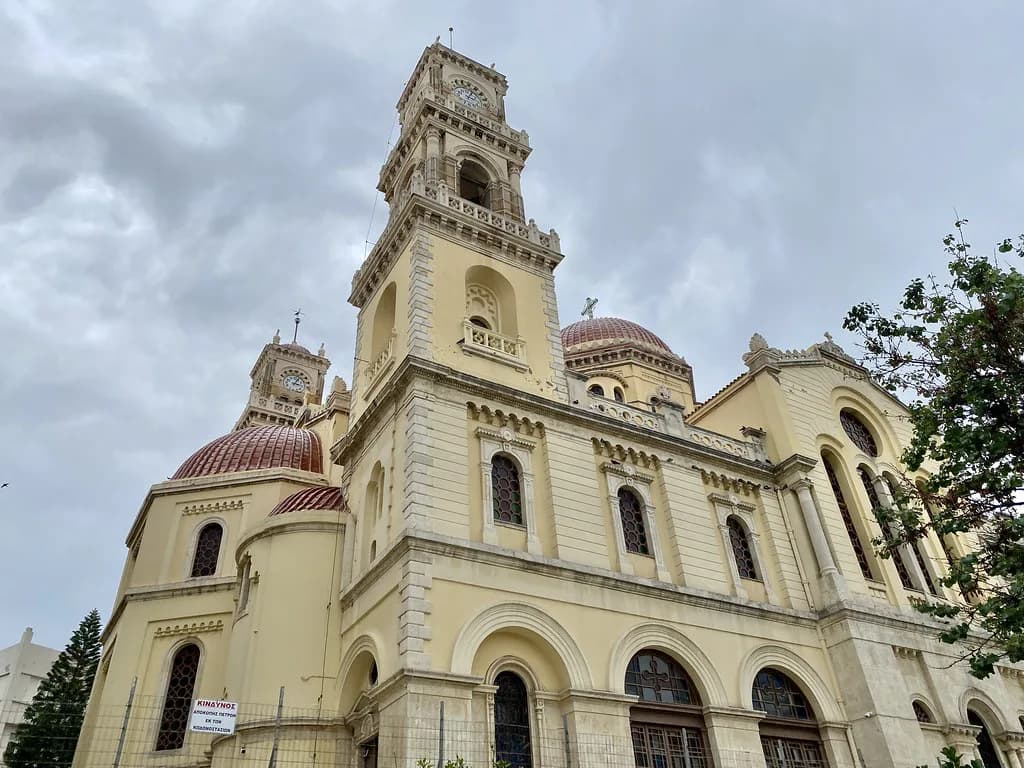
What to Wear in Heraklion in April: Layers for Spring Showers
April packing for Heraklion: breathable layers, a packable rain shell, sun protection, and grippy shoes for damp, uneven ground at historic sites.
On this page
Heraklion in April: the weather in numbers
Typical April conditions from 30 years of daily weather data, split into early, mid and late month so you can match them to your travel dates.
| Dates | Early Apr (1–10) | Mid Apr (11–20) | Late Apr (21–30) |
|---|---|---|---|
| Afternoon high | 19°C (67°F) | 22°C (71°F) | 22°C (72°F) |
| Night-time low | 10°C (51°F) | 12°C (53°F) | 12°C (54°F) |
| Feels like (afternoon) | 17°C (63°F) | 20°C (68°F) | 20°C (69°F) |
| Range of afternoon highs | 15–24°C | 16–28°C | 18–27°C |
| Days with rain | 3 in 10 days | 2 in 10 days | 1 in 10 days |
| Afternoon humidity | 52% | 47% | 47% |
| Average wind | 9 km/h | 8 km/h | 8 km/h |
| Daylight | 12.5 h | 12.9 h | 13.3 h |
What this means for your suitcase
- Mild days: long sleeves with a light sweater or jacket you can take off at midday.
- Day-to-day swings: afternoon highs range from about 16°C to 26°C, so pack for both.
Travelling on specific dates? Use our What to Wear Planner for the weather, outfits and a packing list for your exact days in Heraklion.
Averages for 1991-2020, modelled from Copernicus ERA5-Land and ERA5 reanalysis via Open-Meteo open data (CC BY 4.0), adjusted to Heraklion's elevation. Modelled afternoon highs can read 1–2°C below airport weather-station records.
April in Heraklion sits in the middle of spring, and that position explains most of your packing decisions. Historical monthly averages for the city put daytime highs near 20°C (68°F) and overnight lows around 12°C (54°F), so a single outfit rarely covers a full day outdoors. Treat the month as a layering problem rather than a warm-weather or cool-weather problem, and the rest of the list falls into place.
The other half of the equation is unsettled spring weather. April averages in Heraklion include roughly six days with rain and about eight hours of daily sunshine, so bright spells and passing showers can share the same afternoon. Wind is part of the picture too, and a light windproof layer earns its place in your bag far more than a heavy coat would.
This guide is about what to put in the bag: layers, footwear, sun protection, and a trip-length example you can adapt. Everything below is an editorial suggestion, so treat the outfits as starting points and adjust for your own cold tolerance and plans.
April in Heraklion: Warm Days, Cool Mornings, and Unsettled Spring Weather
The most useful way to think about April here is as two days in one. You might start a morning at an archaeological site in a jacket and finish a late lunch in shirtsleeves, then reach for that jacket again after sunset. Historical monthly data for Heraklion supports that range, showing highs near 20°C (68°F) and lows around 12°C (54°F).
Rain in April tends to arrive as showers rather than all-day washouts, and the city also records a meaningful chance of a windy day during the month. That combination argues for outerwear that blocks wind and shrugs off a short shower without turning into dead weight once the sun returns. Save the heavy insulated coat for winter trips and let a light shell do the work.
Sea temperatures stay cool through April, so this is not the month to pack around swimming. If your hotel has a pool or you plan a coastal walk, bring swimwear only as an optional extra and still pack a warm layer for afterwards. Beach-first wardrobes belong to later months, not to April.
How the Temperature Swing Shapes Your Outfit Choices
A ten-degree swing between afternoon and evening changes how you count layers. The practical target is three: a base layer against your skin, a mid-layer you can remove and stuff in a daypack, and an outer shell for wind or a passing shower. If you build outfits as sets rather than single garments, you can dress for the coolest and warmest parts of the same day with the same clothes.
Rough monthly averages for Heraklion land near 16°C (61°F) across the month, which sounds mild until you account for wind and shade. Sitting still at an exposed site feels noticeably cooler than walking a sunny street ten minutes earlier. Pack the mid-layer for stillness and shade, and trust the base layer for movement.
The trade-off is bulk versus adaptability. A single thick sweater keeps you warm but locks you into one temperature; two thinner layers let you fine-tune from morning to evening and pack smaller. For April in Heraklion, the thinner pair almost always wins.
Daytime Layers for Bright but Changeable Conditions
For daytime, start with a breathable short- or long-sleeve top in cotton or a cotton blend, then add a light overshirt or thin knit that can come off by midday. Add a packable jacket on top and you have an outfit that handles a bright, breezy afternoon as easily as a shaded courtyard.
Bottoms are where personal preference matters most. Light trousers, chinos, or walking-friendly travel pants cover more situations than shorts do, especially in wind or during a shower. If you run warm and want shorts for a sunny afternoon, pack one pair and pair them with the mid-layer for the cooler ends of the day.
Keep the daytime palette neutral so pieces mix freely across the trip. Two tops, two bottoms, and one mid-layer can produce enough combinations for several days, which is exactly what a compact bag needs. It also makes laundry less of a project if showers catch you out.
Morning and Evening Cover-ups for Cooler Starts and Finishes
Mornings and evenings are the parts of the day where April genuinely feels like spring rather than summer. With overnight lows historically around 12°C (54°F), a sweater or light fleece is the piece you will actually use most. Choose one that folds flat, since it will spend the middle of the day in your bag.
For dinners and evenings in town, a simple knit or light cardigan over the same daytime base is usually enough. Add a scarf if you feel the wind, and skip it if you do not; the point is flexibility, not a fixed formula. If your trip includes a late return on a breezy waterfront, the same outer shell from daytime works fine.
One mid-layer and one shell per person is the sane count for a short trip. Packing two heavy sweaters for April typically means carrying something you never wear, and that space is better spent on footwear worth walking in.
Sun Protection That Still Makes Sense Under Intermittent Cloud
April sunshine in Heraklion runs to roughly eight hours a day on average, and bright spells can feel strong even when cloud is moving through. Pack sunscreen, sunglasses, and a brimmed hat or cap, and reapply on long outdoor days rather than assuming cloud cover means nothing is reaching your skin.
A light long-sleeve shirt is underrated as sun cover at archaeological sites where shade is scarce, and it doubles as a wind layer, which keeps your bag efficient. If you burn easily, bias your daytime wardrobe toward covered shoulders and keep the sunscreen for face, neck, and hands.
The trade-off with hats is packability versus coverage. A soft, crushable brimmed hat protects ears and neck better than a cap but takes more room, so decide based on how much time you plan to spend standing in the open. Either way, sunglasses are worth packing for glare off stone and water.
Footwear for Uneven, Possibly Damp Ground Around Historic Sites
Archaeological and historic sites around Heraklion involve stone, gravel, and uneven paths that may still hold moisture after a spring shower. Supportive trainers or walking shoes with a grippy tread are the most versatile choice, and they handle city pavements just as well. Sandals are fine for a relaxed harbour stroll but are a poor match for a full day on rough ground.
Bring one broken-in pair rather than two new ones. Footwear that has already molded to your feet is less likely to cause problems over long walking days, and April weather can add damp ground to the mix. If you want a second pair for evenings, make it something light and flat.
Socks matter more than people expect on a shoulder-season trip. Pack a few pairs of breathable socks so you can change them after a wet walk, and consider a spare in your daypack on days when showers look likely. Dry feet make the rest of the outfit feel far more comfortable.
Wind and Spring Showers: What to Carry and How to Pack It
A light rain shell with a hood is the single most useful outer layer for April in Heraklion, because it covers both wind and short showers without bulk. Look for something you can compress into a daypack, since you may carry it all afternoon for ten minutes of use. A compact folding umbrella is a reasonable second option for city days, though it is less pleasant in strong wind.
Pack the shell at the top of your daypack rather than at the bottom, so you can reach it while standing at a site entrance. A small dry bag or even a zip pouch protects a phone and paper tickets from a sudden shower. These are small packing decisions, but they change how a wet afternoon feels.
Wind is the reason a heavy coat is the wrong answer here. A windproof shell over a thin mid-layer traps warmth far more effectively than a bulky layer you then have to carry when the wind drops. Weight belongs in the mid-layer, protection belongs in the shell.
Fabrics and Materials: What Packs Well and Dries Fast
For a month with showers and temperature swings, quick-drying fabrics earn their place. Light cotton and linen feel good in warm spells, but blends that dry faster are more forgiving if something gets damp. Avoid heavy denim for a day of walking, since it dries slowly and loses shape in repeated use.
Merino or a thin synthetic knit makes a better mid-layer than a chunky wool sweater, because it packs smaller and handles a wider temperature range. Keep the fabric count low: two or three versatile pieces beat a bag full of single-purpose garments. Neutral colors also hide the dust that comes with historic sites.
Shoes need to dry as well as grip. Leather and technical walking shoes take longer to dry than lightweight trainers, so if you expect wet ground, pack a spare pair of socks and give your shoes an evening to air out. Small habits like this keep a short trip comfortable.
A Five-Day April Packing Example for Heraklion
For five days, start with three lightweight tops, one light mid-layer, one packable shell, and two pairs of trousers or travel pants. Add a pair of shorts if you know you run warm, one brimmed hat, sunglasses, and a daypack. That set covers bright afternoons, cool mornings, and the shower that arrives without warning.
Footwear: one broken-in walking pair with tread and one light evening pair if you have room. Add four to five pairs of breathable socks, a couple of spare underwear changes for wet days, and a compact rain shell that lives in the daypack. This is an editorial example, not a required list, so cut anything you know you will not use.
If laundry is available, drop to two tops and two pairs of socks and wash mid-trip. That trade frees space for a warmer mid-layer if you feel the cold, which is often the better use of a shoulder-season bag. Weigh your packed bag once before you leave and cut the heaviest item you have not worn in a year.
What to Leave Behind
Leave the heavy winter coat at home. April days do not call for it, and a windproof shell over a thin mid-layer handles the cool ends of the day better. The same goes for thick flannel or fleece-lined trousers that you cannot wear once the sun is out.
Skip multiple pairs of shoes beyond one walking pair and one light alternative, and skip bulky towels from home if your accommodation provides them. Also leave behind beach-first gear you will not use, such as a large beach mat or snorkel set, given how cool the sea stays in April. Packing less means fewer decisions each morning.
Finally, resist packing formal evening wear for a spring city break. A clean knit and decent trousers cover nearly every restaurant you are likely to visit. Confirm any specific dress expectations directly with the venue before you travel rather than guessing.
Checking the Forecast Before You Fly
Monthly averages describe tendencies, not the weather on your dates, so check a short-range forecast for Heraklion in the days before departure. Weather services publish daily highs, lows, and rain chances for the city, and that is the information that should drive your final choices. If the forecast shifts cooler or wetter, swap the shorts for a second pair of trousers and keep the shell.
Check where you are staying too, since a hotel near the waterfront or an exposed hill can feel windier than the city centre. Packing for the specific forecast is the single best way to avoid carrying clothes you never touch. Make the check part of your final packing routine rather than a last-minute afterthought.
If your trip includes a guided site visit, confirm any practical details with the operator directly instead of relying on general packing advice. Sites and tour companies publish their own recommendations, and those outweigh anything a general guide can say. Everything in this article is a starting suggestion to adapt.
Plan Your Visit
April in Heraklion rewards a bag built around three layers, one wind-and-shower-resistant shell, and shoes with real tread. The temperature swing between a bright afternoon and a cool evening is the defining feature of the month, and every packing choice here follows from it. Build the outfits as sets, and the same clothes work from morning to dinner.
Keep the load small enough to carry comfortably around uneven sites, and let the forecast for your actual dates decide the final swaps. If you are travelling at a different point in the shoulder season, the sibling guide on what to wear in Heraklion in November covers the cooler, wetter end of the year.
More packing guides for Heraklion
Frequently Asked Questions
What should I wear in Heraklion in April?
Plan on layers rather than one outfit. A breathable base layer, a light mid-layer you can remove, and a packable jacket that blocks wind and light rain cover the range from a cool morning to a bright afternoon. The mid-layer is the piece you will use most, since evenings cool down noticeably after a mild day.
Is it warm enough for shorts in Heraklion in April?
It depends on the day and on how warm you run. A sunny afternoon can feel pleasant in shorts, but mornings, evenings, and windy spells often call for long trousers. Packing one pair of shorts alongside trousers, plus a mid-layer for the cooler ends of the day, gives you the flexibility to switch without overpacking.
Do I need a jacket in Heraklion in April?
Yes, a light jacket is worth bringing. Evenings cool noticeably after sunset, and April can bring windy spells and passing showers. A packable wind-and-shower-resistant shell over a thin mid-layer is more useful than a heavy coat, because you can carry it easily when the weather turns mild again.
Does it rain in Heraklion in April?
Rain is part of the month rather than a rare exception, usually arriving as showers rather than steady all-day rain. A compact rain shell and a dry pouch for your phone are sensible additions to a daypack. Check the short-range forecast for your dates to see whether a wetter or drier spell is likely.
Can you swim in Heraklion in April?
The sea stays cool through April, so this is not a month to plan a trip around swimming. If you want to try, bring swimwear as an optional extra and pack a warm layer for afterwards. Beach-focused wardrobes make more sense in the later spring and summer months.
What shoes should I wear to archaeological sites in Crete?
Choose broken-in trainers or walking shoes with a grippy tread, since paths at historic sites can be uneven and may stay damp after a spring shower. Sandals work for easy harbour strolls but are a weak choice for a full day on rough ground. Bring breathable socks and a spare pair for wet days.
How many layers do I need for a spring trip to Heraklion?
Three layers is a workable target: a base layer, a removable mid-layer, and a wind-and-shower-resistant outer shell. For a five-day trip, three lightweight tops, one mid-layer, one shell, and two pairs of trousers give you plenty of combinations. Adjust the count if you feel the cold or plan long days outdoors.
Sources
Free: The Ultimate Packing Cheat Sheet
A carry-on capsule wardrobe, the complete packing checklist, layering made simple, and what to wear by season — one printable page you'll use on every trip.
You might also like


Continue reading
More guides you'll find useful