
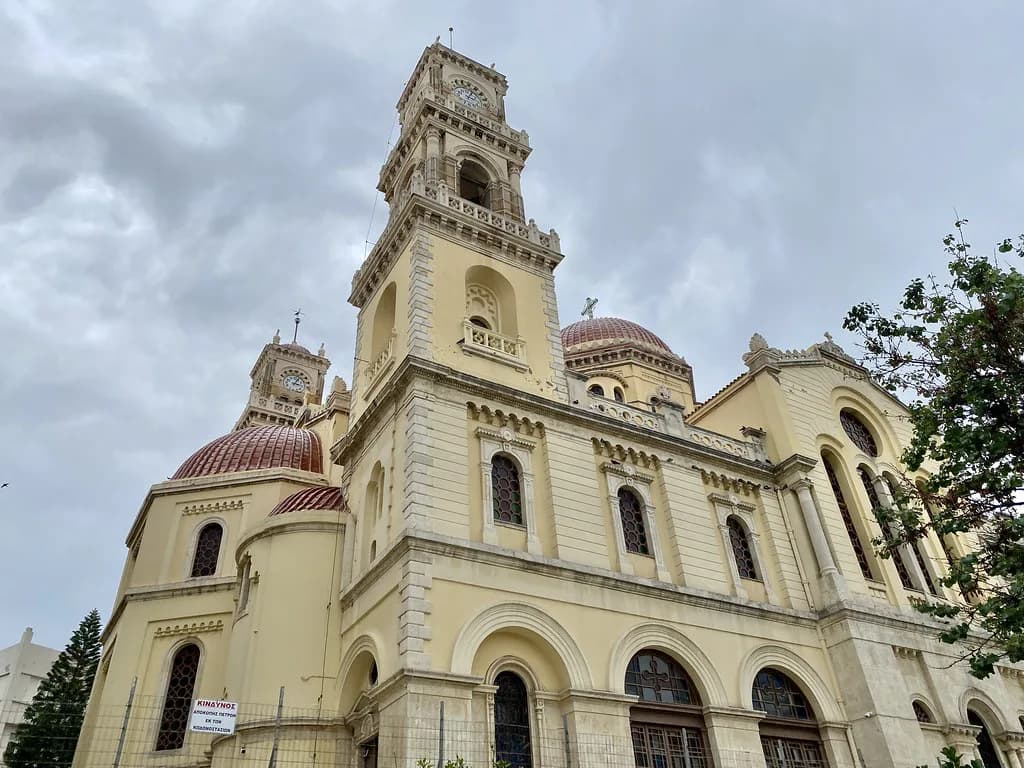
What to Wear in Heraklion in November: Layers for Mild Days and Cooler Nights
Pack for Heraklion in November with breathable base layers, a removable mid-layer, a packable rain shell, and shoes that handle wet, uneven streets.
On this page
Heraklion in November: the weather in numbers
Typical November conditions from 30 years of daily weather data, split into early, mid and late month so you can match them to your travel dates.
| Dates | Early Nov (1–10) | Mid Nov (11–20) | Late Nov (21–30) |
|---|---|---|---|
| Afternoon high | 21°C (70°F) | 20°C (67°F) | 18°C (64°F) |
| Night-time low | 14°C (57°F) | 13°C (55°F) | 12°C (53°F) |
| Feels like (afternoon) | 20°C (69°F) | 19°C (66°F) | 17°C (62°F) |
| Range of afternoon highs | 17–26°C | 16–23°C | 14–21°C |
| Days with rain | 2 in 10 days | 2 in 10 days | 3 in 10 days |
| Afternoon humidity | 60% | 62% | 64% |
| Average wind | 8 km/h | 8 km/h | 8 km/h |
| Daylight | 10.4 h | 10.1 h | 9.9 h |
What this means for your suitcase
- Mild days: long sleeves with a light sweater or jacket you can take off at midday.
- Showers on roughly 2 in 10 days — a packable rain jacket or compact umbrella.
- Day-to-day swings: afternoon highs range from about 15°C to 23°C, so pack for both.
Travelling on specific dates? Use our What to Wear Planner for the weather, outfits and a packing list for your exact days in Heraklion.
Averages for 1991-2020, modelled from Copernicus ERA5-Land and ERA5 reanalysis via Open-Meteo open data (CC BY 4.0), adjusted to Heraklion's elevation. Modelled afternoon highs can read 1–2°C below airport weather-station records.
November in Heraklion tends to mark a shift from mild autumn to cooler, wetter weather, so the packing question becomes one of adaptability rather than warmth alone. Daytime can still feel pleasant in the sun, but mornings, evenings, and rainy spells call for an extra layer you can add and remove as the day changes. A compact three-layer system usually serves better than a single heavy coat.
This guide sticks to what that means for your suitcase: which layers work for archaeological sites, museums, and evening walks, how to choose footwear for wet stone and uneven pavements, and what to leave at home. Treat every outfit here as a suggestion rather than a rule, and check the forecast for your actual dates before you zip the bag.
What November Usually Feels Like in Heraklion
Across Crete, November usually brings daytime temperatures in the region of 18°C to 22°C (64°F to 72°F) and nighttime lows nearer 13°C (55°F), according to seasonal climate guidance for Greece. That range covers a comfortable midday wander and a noticeably cooler evening, so plan for both within one day. Treat these as historical tendencies rather than a forecast for your trip.
Seasonal records for Heraklion show that November is part of the shift into the wetter half of the year, and that rain typically returns as showers rather than constant drizzle. That pattern favors a light rain shell you can carry folded in a day bag, plus a mid-layer that stays useful whether the sun is out or not. Pick pieces that work across both conditions rather than assembling two separate wardrobes.
Crowds thin out compared with summer, which changes the packing priorities: you may spend longer at exposed sites without queueing, so wind and rain protection matter more than heat management. Coastal areas can feel breezier than sheltered streets inland, making a wind-resistant outer layer worth the space it takes. For the full destination checklist beyond this month, see the Heraklion packing list.
How the Day Changes Your Outfit
The most useful habit in Heraklion in November is treating your outfit as three parts you can rearrange: a base layer, a mid-layer, and an outer shell. Start the morning with all three, peel off the shell and then the mid-layer as the day warms, and rebuild the same combination after dark. This avoids carrying a bulky coat you only need for two hours.
Midday sun can feel genuinely mild, especially if you are walking between sites with little shade, so a dark heavyweight sweater becomes a liability by early afternoon. A lighter mid-layer that stuffs into a day bag gives you the same warmth at night without the daytime weight. If you typically feel the cold, add a thin thermal base rather than a thicker sweater.
The transition from afternoon to evening is the sharpest change of the day, so keep your mid-layer accessible rather than buried in a suitcase. A scarf is a compact way to add warmth for dinner without another full layer. Pack it last, on top, so it is easy to grab.
Core Layering System for November
Build the system around three pieces: a breathable base layer, a light sweater or fleece, and a water-resistant outer shell. The trade-off is between one warm, bulky coat and several lighter layers: the coat is simpler but useless when midday turns mild, while layers let you regulate temperature and dry faster if you get caught in a shower. For a November trip that mixes sun and rain, the layered approach usually earns its space.
Choose a shell that packs small enough to live in your day bag and has a hood, since an unexpected shower is more likely than a prolonged downpour. A compact umbrella is a reasonable alternative if you prefer not to wear a hood, but it is less useful on exposed archaeological sites where wind can turn it inside out. Many travelers carry both and use whichever suits the moment.
For materials, quick-drying synthetics or fine merino work well as a base because they handle sweat on a sunny walk and dry overnight in a hotel room. Cotton is comfortable but slow to dry, which matters more in November than in summer. There is no required fabric here, just a practical preference for pieces that dry fast when rain interrupts the day.
Footwear for Wet Streets and Uneven Sites
Footwear is the piece most worth getting right, because rain can leave stone surfaces and pavements slick, and some archaeological ground is uneven. Look for shoes with a grippy sole and at least some water resistance rather than smooth-soled fashion sneakers. If you only bring one pair, make it a broken-in walking shoe you already trust.
A second, lighter pair for dry evenings is a small luxury that keeps damp shoes from ruining dinner plans. Rotating two pairs also gives each time to dry overnight, which matters when humidity is high. Sandals are best left at home unless you have a specific warm-weather plan, since wet feet and cool evenings make them uncomfortable.
Socks deserve a mention: pack more pairs than days so you can swap after a wet walk, and choose a wool or synthetic blend over heavy cotton. Blisters usually come from damp socks and long walks more than from the shoes themselves. A few blister plasters take almost no space and can rescue a sightseeing day.
Museum Days and Indoor Transitions
Museum days are easier to dress for than outdoor sites, but the in-and-out rhythm still matters: you may leave a warm, dry room and step into rain and wind within a minute. Wear your lighter layers indoors and carry the shell rather than wearing it, so you are not overheated inside. A compact crossbody bag or small backpack keeps both the shell and mid-layer close at hand.
Indoor spaces can be warm, so a base layer plus a light sweater is often enough while you are inside. The shell goes back on at the door, and the mid-layer comes out again later in the day. This is the same three-piece system, just rearranged for a different environment.
Archaeological Sites and Outdoor Walking
Sites such as Knossos are exposed, with limited shelter and uneven ground that can be wet after rain, so your outer layer and shoes do most of the work, and the dedicated guide to what to pack for Knossos and Heraklion archaeological sites goes deeper on that kit. A light shell that blocks wind makes a bigger difference than a heavy coat because you are moving, not sitting still. Keep both hands free with a small bag rather than a tote.
If the sun comes out, you will want to shed a layer, so choose a mid-layer you can tie around your waist or fold into a bag without ruining it. Sunscreen and sunglasses remain worth packing for bright spells even in November. A hat is optional, but a light one helps if you are on open ground at midday.
Evening Walks and Dinner
Evenings in Heraklion in November tend to feel cooler and damper than the afternoon, and shorter daylight means more of your walking happens after the sun drops. Add your mid-layer back, plus a scarf if you feel the cold, and choose closed shoes over sandals. Wet pavements around the old town and waterfront make grip more useful than style.
For dinner, smart-casual layers work well: a base layer, a sweater, and a light jacket that handles a short walk between restaurants. Nothing here is a dress code, just an outfit that transitions from a cool street to a warm taverna without leaving you either shivering or overdressed. If you run warm, keep the scarf in your bag rather than around your neck.
Olive Harvest and Rural Day Trips
If your plans include the countryside during olive-harvest season or a village visit, add one warmer layer and shoes that cope with damp paths rather than city pavements. Rural areas can feel cooler and windier than Heraklion, especially later in the day, so the same three-layer system works with a slightly thicker mid-layer. You are adjusting one piece, not repacking the bag.
A day trip bag should carry your shell, a spare pair of socks, and a small towel or cloth if you expect muddy ground. These small additions cost little space and prevent a damp, uncomfortable return trip. Check the forecast the morning you leave, since conditions outside the city can differ from the coast.
A Compact Four-Day Packing Example
For a four-day trip, a workable kit is four base layers, two mid-layers, one packable shell, one pair of walking shoes, one lighter pair for evenings, and small extras such as a scarf, a compact umbrella, and spare socks. That is enough to dress for mild afternoons, cool evenings, and a rainy morning without overpacking. If you plan to do laundry, cut the base layers to three.
This kit fits in a carry-on for most travelers because the layers are thin rather than bulky. The trade-off is a little more daily decision-making in exchange for a bag you can carry up stairs and through wet streets. If you prefer a single heavier coat, you can swap the shell and one mid-layer for it, but you lose flexibility on mild afternoons.
If your dates sit at the start of the month, when conditions can still feel close to late October, you may need one less warm layer; later in November, add it back. Comparing the two months helps you judge the shift: what to wear in Heraklion in October gives you the warmer baseline, while this guide handles the cooler, wetter version.
What to Leave Behind
Leave the heavy winter coat at home unless you know you feel the cold intensely, because it is hard to carry when midday turns mild. Skip multiple bulky sweaters and instead pack one warmer mid-layer plus thinner options. Beach-only items such as swimwear and a large beach towel are usually unnecessary for a November city-and-sites trip.
Also leave behind brand-new shoes that have never been worn for a full day, since November walking often involves more time on your feet than expected. A second pair of heavy boots adds weight without adding much over one good walking shoe. Pack for the trip you have planned, not for every possible weather outcome.
Before-Departure Weather Check
A few days before you leave, check the forecast for your actual dates and look at daily highs, overnight lows, and the chance of rain. Adjust the number of layers rather than the whole system: if rain is likely, make sure your shell and a spare pair of socks are in the day bag; if it looks dry and mild, you can drop one mid-layer. Seasonal averages tell you what November usually does, not what your week will do.
If the forecast shifts while you are there, keep one flexible indoor option in mind and carry your rain layer every day rather than leaving it at the hotel. That single habit covers most of the variability November can throw at you. It also means you never have to choose between waiting out a shower and abandoning a plan.
For a sense of how much milder the shoulder season can be, what to wear in Heraklion in April shows the other end of the spectrum, which is useful if you are deciding between seasons rather than packing for November alone. This month's plan assumes cooler evenings and more rain than spring.
Plan Your Visit
Build your Heraklion in November wardrobe around three layers, a packable rain shell, and shoes with grip, then adjust the quantity rather than the system once you see the forecast. That approach handles mild midday sun, cooler evenings, and quick rain bursts without a heavy coat or an overstuffed bag. Keep the shell in your day bag and spare socks within reach, and most November days in the city and at nearby sites will feel comfortable rather than compromised.
Related packing guides
- Heraklion Packing List: What to Wear in Crete Year-Round
- What to Wear in Heraklion in April: Layers for Spring Showers
- What to Wear in Heraklion in July: Heat-Proof Packing Guide
- What to Wear in Corfu Town in November: Packing Guide
- What to Wear in Mykonos in November
- What to Wear in Chania in November: Rain-Ready Layers for Mild Days
- What to Wear in Athens in November: Packing Guide
Frequently Asked Questions
Is Heraklion cold in November?
It is generally mild rather than cold, with comfortable daytime temperatures and noticeably cooler evenings, especially after dark or when rain and wind arrive. Many visitors find a base layer plus a light sweater sufficient at midday, while evenings call for the mid-layer plus a shell or scarf. Check the forecast for your specific dates, because November conditions can vary from sunny and mild to wet and breezy within the same week.
Do I need a rain jacket in Heraklion in November?
A packable rain shell is one of the most useful items you can bring, because November tends to bring more frequent showers and they often pass quickly rather than lasting all day. A shell you can fold into a day bag keeps you moving between sites and museums without carrying a heavy coat. A compact umbrella is a reasonable alternative for city streets, though it is less handy on exposed ground in wind.
What shoes work for wet streets and archaeological sites?
Choose shoes with a grippy sole and some water resistance, and make sure they are broken in before you travel. Rain can make stone and uneven ground slick, so smooth-soled fashion sneakers are a poor match for a long day at sites such as Knossos. A second, lighter pair for dry evenings helps, and extra socks let you swap after a wet walk.
What should I pack for a short November trip?
For a few days, pack one base layer per day, two mid-layers, one packable shell, one pair of walking shoes, and one lighter pair for evenings, plus small extras such as a scarf, a compact umbrella, and spare socks. That combination covers mild afternoons, cool evenings, and rain without a bulky coat. If you plan to do laundry, you can reduce the base layers by one.
Are sandals or beach items worth bringing in November?
Sandals and beach-only items are usually not the best use of space for a November city-and-sites trip, since wet pavements and cooler evenings make closed shoes more practical. If you have a specific indoor pool or spa plan, pack accordingly, but keep the default footwear closed and grippy. A light hat and sunglasses can still be useful for bright midday spells.
Sources
Free: The Ultimate Packing Cheat Sheet
A carry-on capsule wardrobe, the complete packing checklist, layering made simple, and what to wear by season — one printable page you'll use on every trip.
You might also like


Continue reading
More guides you'll find useful


