
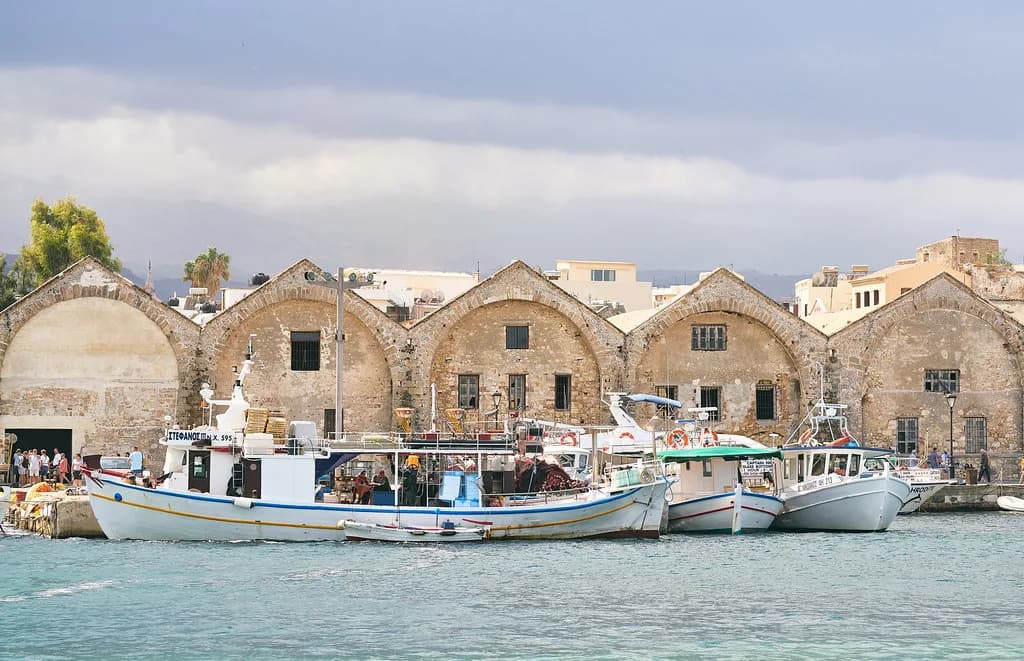
What to Wear in Chania in November: Rain-Ready Layers for Mild Days
November in Chania brings mild days and the year's heaviest rain. Pack waterproof boots, a raincoat, and breathable layers for exploring the old town.
On this page
What to Wear in Chania in November: Rain-Ready Layers for Mild Days
Chania in November is a study in contrasts: balmy afternoons that can reach the high teens, quickly followed by cool, wet evenings and sudden downpours. As the island’s rainiest month, November turns the old town’s smooth Venetian cobblestones slick and transforms sunny café terraces into rain-spattered hideaways. Your packing strategy, then, should treat rain as the defining factor, not cold.
The goal is a versatile, layer-based wardrobe that can shift from a damp morning walk along the harbor to a sunnier afternoon exploring the backstreets of the old town. You will wear little of what you’d pack for summer; in fact, this guide argues for leaving heavy wool and thermals at home. For the full month-by-month overview of what to bring across the season, see our dedicated Chania packing list.
Free: The Ultimate Packing Cheat Sheet
A carry-on capsule wardrobe, the complete packing checklist, layering made simple, and what to wear by season — one printable page you'll use on every trip.
Chania’s November Climate: What the Averages Mean for Packing
November temperatures in Crete typically hover in the mid-teens during the day, with occasional highs around 19°C (66°F) and average lows near 12°C (54°F)—perfect for outdoor exploration if you bring the right layers. But temperatures tell only part of the story; rainfall reaches an average of about 87 mm across the island in November, making it the wettest month of the year, according to Rough Guides. However, the rain is not constant—you can still enjoy around five to seven hours of sunshine daily, as Flightgift notes.
These are historical averages, not a forecast for your specific travel dates. In practice, you might encounter a string of sunny days or a week of steady drizzle, and mountain areas around Chania can be several degrees cooler than the coast. That variability means your packing should cover both mild, dry spells and rain-soaked afternoons—without overcommitting to winter-grade insulation. As Packfits advises, a packable waterproof layer and grippy shoes are your best friends in November, and the weather can change quickly, so it's wise to check the forecast right before you leave.
One more climate note: the sea stays warm enough for a brave dip, with average November water temperatures around 20°C (68°F), but most travelers will be content to keep their feet dry on shore. Instead, plan for coastal walks and day trips where the focus is on comfort and weatherproofing.
The Rain Strategy: Waterproof Footwear, a Durable Raincoat, and a Compact Umbrella
Start your rain defense from the ground up. Waterproof boots with grippy soles are essential for navigating the slippery cobblestones of Chania’s old town and for any muddy trail that tempts you after a downpour. Look for a pair that covers the ankle to keep puddles out, and choose a tread pattern designed for wet stone rather than a smooth urban sole. For extra safety on wet days, Packfits recommends opting for light waterproof hiking shoes that offer both grip and comfort for all-day wear.
Above the boots, a durable, waterproof raincoat is your most important piece of outerwear. Choose one that is breathable enough for mild activity and long enough to protect your upper legs when you sit on wet surfaces. A packable version is ideal because it can live in your daypack and be pulled out the moment the clouds open.
A compact umbrella is a useful back-up and works well when the rain is light or you are sheltering at an outdoor café. But rely on the raincoat as your primary defense, as the wind off the sea can make umbrellas unwieldy in a proper storm. If you plan to ride a bus or ferry during your stay, a raincoat is far more practical than juggling both.
Building a Layered Outfit System: From T-Shirts to Warm Mid-Layers
Layering is the core of a November wardrobe in Chania because the temperature can swing by several degrees between morning, afternoon, and evening. Start with a lightweight, long-sleeve shirt or a cotton tee as your base; these work well on mild afternoons and sit comfortably under a warmer layer when the temperature drops.
Your mid-layer should be a medium-weight sweater, such as a merino wool crewneck or a fleece, that provides warmth without bulk. Avoid heavy wool or thermal underwear, which you will likely not need unless you plan to spend long hours in the mountains. A quilted gilet is a space-saving alternative that adds core warmth while leaving your arms free and looks smart over a shirt.
For the occasional warm day, swap the base and sweater combination for a cotton dress or a short-sleeve shirt paired with breathable trousers, and carry the sweater for evening. This system lets you adapt quickly when the sun breaks through or when you step into a cooler indoor space like a church or museum.
Footwear That Works: Grippy Soles for Wet Cobblestones and Old Town Lanes
Chania’s old town is a maze of narrow alleys and polished stone steps that become dangerously slippery when wet. The right footwear is not just about comfort but about safety. The best choice is a pair of waterproof walking shoes or boots with a rubber sole that offers strong traction on wet, uneven surfaces—think hiking-style shoes rather than fashion sneakers.
You might be tempted to pack only one pair of shoes, but it is wise to bring a second pair for changing conditions. A comfortable pair of casual sneakers or loafers with a non-slip sole works well for dry days and for evenings when you want a lighter look. If you plan any beach walks, consider a pair of sturdy sandals, though they are only useful on dry days and will feel out of place in rain.
Break in any new shoes before your trip. Blisters are a real risk when walking on wet terrain for hours, and a pair of shoes that are already comfortable will make your old town exploration far more enjoyable.
Fabrics That Perform: Quick-Dry, Merino, and What to Leave at Home
The most practical fabrics for a November trip to Chania are those that dry quickly and insulate even when damp. Merino wool is an excellent choice for base layers and sweaters because it regulates temperature and resists odours, allowing you to wear it several days between washes. Quick-dry synthetic materials, such as polyester or nylon blends, are ideal for trousers and outer layers, as they shed water and dry fast if you get caught in a shower.
Cotton is best left for underwear and casual shirts, as it retains moisture, takes long to dry, and can leave you feeling cold and clammy. Jeans are another heavy option that become uncomfortable when wet; consider instead quick-dry chinos or hiking trousers that look smart enough for a taverna dinner. For anyone prone to chills, a very light down or Primaloft vest can pack down small and act as an extra insulation layer for the coldest evenings.
One trade-off to remember: thick, warm fabrics like heavy knits and wool overcoats are overkill for Chania’s mild November and take up valuable space in your luggage. Instead, invest in a good quality raincoat and a couple of versatile mid-layers that can be combined to achieve the same warmth with less bulk.
A 5-Day Packing Example: A Concise List for a Typical November Trip
If you are staying five days and plan to mix old town sightseeing with a day trip into the Cretan countryside, here is a focused capsule that avoids overpacking. This list assumes you can do a quick laundry load or hand-wash mid-week, so you don’t need a fresh outfit for every single day.
Bring four to five tops: for example, two long-sleeve shirts in quick-dry fabric, one cotton tee, and two merino sweaters for layering. For the bottom half, pack two pairs of dark quick-dry trousers and one pair of comfortable jeans for if you want a different look. Add one pair of waterproof boots with grippy soles and one pair of casual walking shoes or loafers for dry evenings.
Don’t forget the rain gear: a waterproof raincoat, plus a compact umbrella. You’ll also want a light scarf, a warm hat, and a pair of gloves for the coldest afternoons, though they are not essentials if you’re staying in the city. Women might swap two of the tops for a light dress or nice blouse for an evening out, and men could include a smart-casual button-down shirt.
What to Leave Behind: Heavy Wool, Thermals, and Beach-Only Gear
It is tempting to pack for winter when you hear ‘November,’ but Chania is not London. Leave the heavy wool coats, thermal long johns, and thick fleece-lined boots at home—they are too warm for the mild coastal climate and will only weigh you down.
Likewise, a full beach wardrobe is not worth the suitcase space. Pack a swimsuit only if you are a confident cold-water swimmer or planning a visit to an indoor pool; otherwise, beach towels, sandals reserved for sand-only conditions, and snorkel gear can stay home. The beaches in November are for brisk walks, not sunbathing.
Finally, skip anything that is delicate or dry-clean only. The rain and mixed terrain will take a toll on your clothes, so choose items that can be machine-washed and tumbled or hang-dried without fuss.
Churches and Cultural Sites: A Note on Coverage
When visiting churches or monasteries, it is customary to cover your shoulders and knees as a sign of respect. This is a local expectation, not a legal requirement, but it is always safer to have a scarf or a light layer in your daypack to drape over your shoulders if you are wearing a sleeveless top.
In practice, your November wardrobe will likely already comply, as you’ll be in long sleeves and trousers most days. Still, if you plan a particularly warm day and switch to a t-shirt, carrying a folding scarf can save you an awkward encounter at the door of a historic site.
Plan Your Visit
Packing for Chania in November is all about balance: you want layers that handle mild days and chilly evenings, but the true hero of your suitcase will be your rain gear. With the right waterproof boots, a quality raincoat, and quick-dry fabrics, you can enjoy the old town’s charm without letting the weather ruin your plans.
Before you zip up your bag, check the forecast in the days leading up to your trip and adjust your layers accordingly—if the forecast is unusually warm or cold, swap the weight of your mid-layers. And if you’re still deciding between other months for your visit, see our guide to what to wear in Chania in February, a wetter and cooler comparison point.
Frequently Asked Questions
What clothes to pack for Greece in November?
For Greece in November, pack lightweight layers, a waterproof raincoat, sturdy shoes, and a warm sweater for evenings. Temperatures are mild, but rain is common, so quick-dry fabrics and a compact umbrella are essential.
Does it rain a lot in Chania in November?
November is the rainiest month in Chania, with rainfall averaging around 87 mm on the island. Showers can be unpredictable, so waterproof gear is a must.
What is the weather like in Chania in November?
Weather is mild and changeable, with highs around 19°C and lows near 12°C. Expect cooler evenings and frequent rain, but also sunny breaks.
What shoes are best for wet cobblestones in Chania?
Waterproof boots or walking shoes with grippy soles are best for Chania's wet cobblestones. They provide traction and keep your feet dry.
Sources
Free: The Ultimate Packing Cheat Sheet
A carry-on capsule wardrobe, the complete packing checklist, layering made simple, and what to wear by season — one printable page you'll use on every trip.
You might also like


Continue reading
More guides you'll find useful


