
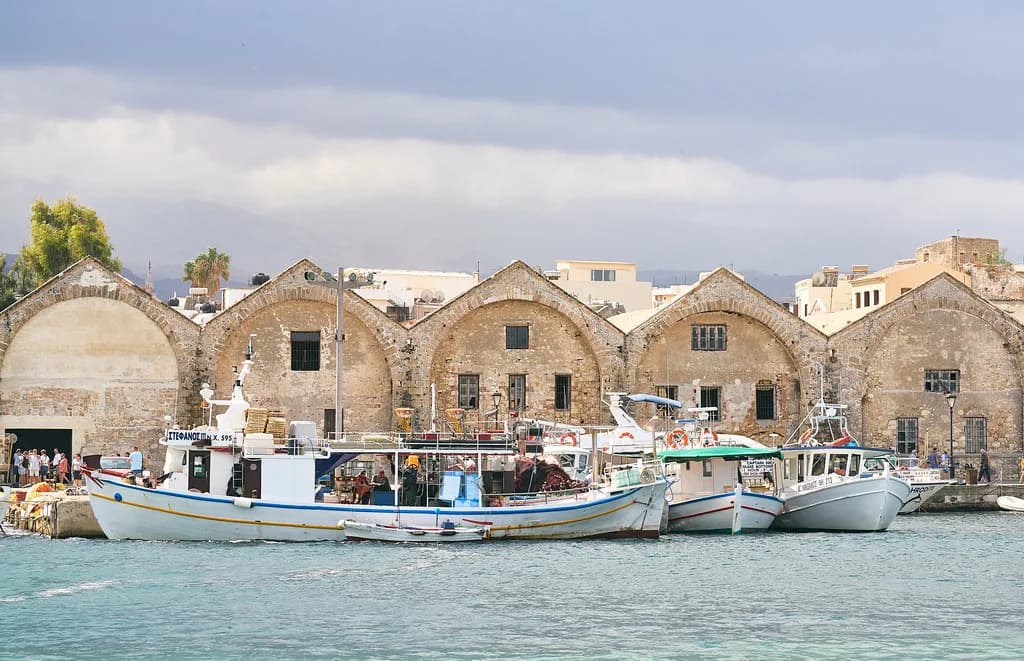
What to Wear in Chania in February: Layering for Crete's Mild Winter
Chania in February is cool, changeable and quiet. Pack warm layers, a waterproof coat and sturdy shoes to explore the Old Town comfortably. Read our guide.
On this page
What to Wear in Chania in February
February in Chania is a study in contrasts: the sun can feel genuinely warm on a sheltered harbor wall, then a sharp shower sweeps in from the sea minutes later. The streets are quiet, many tavernas have closed for the season, and you'll need a wardrobe that copes with cool, damp days and the occasional brilliant afternoon rather than beach weather. This guide focuses on packing and what to wear, so you can move comfortably between indoor sights, wet cobbles, and impromptu sunny spells.
The core principle is modular layering. A thin base, a mid-layer for warmth, and a waterproof outer shell let you adjust as the temperature swings from single digits in the morning to the mild teens by midday. This approach also distinguishes February from March, when you can start swapping the heavy coat for lighter options and plan more outdoor meals.
Free: The Ultimate Packing Cheat Sheet
A carry-on capsule wardrobe, the complete packing checklist, layering made simple, and what to wear by season — one printable page you'll use on every trip.
What to Expect: February's Climate in Chania
Chania enjoys a Mediterranean climate, but February is firmly winter. Sources describe the weather as mild-to-chilly and changeable, with rain and wind on the cards, but also some sunny days as the island starts to warm up after winter. While precise February figures for Chania vary, one guide cites February highs around 15°C and lows around 9°C, aligning with Crete's winter pattern. The sea is too cold for comfortable swimming this month.
Crete's February rainfall averages around 64mm, typically spread across 11 days, according to one regional travel guide. Expect a mix of sunny spells and showers, often accompanied by wind, so your packing should prioritize adaptability over bulk. Remember that weather systems can change quickly, so check the forecast shortly before departure and plan layers that work for both damp and dry moments.
Layering Strategy: Base, Mid, Outer
The three-layer system works best: start with a breathable base (merino or synthetic), add an insulating mid-layer like a fleece or light knit, and finish with a waterproof shell. This lets you peel off layers when the sun breaks through or add them when you step into a chilly church or windswept alley. A thin merino base is ideal because it regulates temperature without bulk and resists odors over multiple wears.
For the outer layer, choose a packable waterproof jacket that also blocks wind—essential for damp, gusty days. This combination keeps you comfortable for Old Town wandering and day trips inland, where temperatures can drop a few degrees more. If you plan to explore the White Mountains or Samaria Gorge, add a warmer mid-layer and consider waterproof hiking shoes for wet trails.
Outfit Ideas for Old Town and Taverna Evenings
For exploring the Venetian Harbor and narrow streets, pair dark jeans or sturdy trousers with a long-sleeve shirt and a crew-neck sweater. Add a scarf and your waterproof jacket for warmth. This casual but tidy look suits the relaxed local style and transitions easily from a daytime museum to a quiet evening meal. Many tavernas operate with reduced hours in winter, so you'll likely eat earlier and may find some places closed; carrying a compact umbrella and a warm layer is wise.
Evenings in February are cool, so a smarter layer—such as a blazer or cardigan—can elevate your outfit for dinner without needing formal wear. Jeans and knitwear are perfectly acceptable for most venues, and you'll rarely need anything more dressed up. For a polished look, choose dark jeans, a button-up shirt, and a fine-gauge sweater for men; for women, tailored trousers or jeans with a cashmere or wool jumper work well.
Footwear: Cobbles, Rain, and Comfort
Footwear is the most critical packing decision. Chania's Old Town is paved with smooth, often wet cobblestones that become slippery in rain. Pack grippy, waterproof walking shoes or low-cut hiking boots with good tread—these will keep you steady and dry on damp streets and muddy trails alike. Leave sandals and flimsy flats at home.
A pair of sturdy leather shoes or stylish sneakers with a rubber sole will serve you for both day trips and evenings. If you plan any inland excursions to gorges or villages, waterproof hiking shoes are worth the extra weight. For a five-day trip, one pair of walking shoes and one pair of comfortable evening shoes are sufficient.
Accessories That Make a Difference
A warm scarf, a beanie or hat, and gloves may seem excessive for Greece, but they are invaluable on windy February days and when the temperature drops after sunset. A compact, windproof umbrella is more practical than a heavy raincoat alone, and it fits easily in a daypack. Carry a small crossbody bag or daypack with zippered pockets to keep your essentials secure while you're out.
A reusable water bottle and a basic blister kit are sensible additions for long walking days. Sunglasses are still worth packing—the winter sun can be bright when it appears. If you're heading into the mountains, add a thermal layer and a hat that covers your ears.
What to Leave at Home
Leave behind swimwear, sun hats, and that linen summer wardrobe—they will likely stay unused. February is not the season for beach days or al fresco lounging. Also skip heavy formal wear; Chania is casual even in winter, and you'll be better served by comfortable, layered pieces. Avoid packing multiple bulky sweaters or heavy coats that consume luggage space.
Instead, choose versatile items that can be mixed and matched. A single warm jacket and a couple of mid-layers will cover most conditions, especially when you can do laundry mid-trip. If you're planning to visit churches or monasteries, remember to bring clothes that cover shoulders and knees, as is customary at religious sites.
Packing List for a 5-Day February Trip
For a five-day trip, a compact capsule might look like this: one merino base layer, two long-sleeve shirts, two lightweight sweaters or fleeces, one pair of dark jeans, one pair of comfortable trousers, and one pair of waterproof pants (optional). Add a waterproof shell, a scarf, gloves, and a beanie. For footwear, bring one pair of sturdy walking shoes and one pair of comfortable shoes for evenings.
This list keeps you warm through repeated wear and allows for mix-and-match outfits. You can adjust based on your tolerance for cold and planned activities—if you're heading into the White Mountains, you'll want an extra insulating layer and possibly hiking boots. For a more detailed inventory, refer to this Chania packing list.
Before You Go: Check the Forecast and Seasonal Closures
A week before departure, check the local forecast to fine-tune your layering. Keep in mind that February weather can change quickly, so pack one extra layer even if the forecast looks mild. It's better to have a warm jacket and not need it than to shiver in a waterfront taverna.
Remember that many hotels, restaurants, and attractions operate on reduced hours or close entirely during the winter months. Check ahead for openings and book transport early, as ferries and flights run less frequently. For a broader picture of what to pack across the island, see our page on what to pack for Chania. If you're also planning for the following month, our guide to what to wear in Chania in March can help you transition your wardrobe.
Plan Your Visit
February in Chania rewards those who dress in adaptable layers and accept the season's quiet, contemplative pace. With a waterproof coat, grippy shoes, and a few warm essentials, you'll be ready for sun, showers, and everything in between. Embrace the low season: you'll find ancient sites and museums uncrowded, and the absence of summer bustle brings a more authentic feel to the Old Town.
Just remember to check opening hours and ferry schedules in advance, and pack a flexible attitude along with your layers. If you're planning visits to religious sites, carry a scarf or shawl to cover shoulders as needed. Enjoy the mild winter charm of Chania with confidence.
Frequently Asked Questions
Is February a good time to visit Chania?
Yes, if you prefer quiet streets and lower prices. The weather is cool with occasional rain, but sunny days allow comfortable walking. Many attractions and restaurants close or run reduced hours, so check ahead.
What is the weather like in Chania in February?
Mild and changeable, with daytime highs around 15°C (59°F) and lows near 9°C (48°F) according to one source. Expect rain and wind, but also sunny breaks. The sea is too cold for swimming.
What should I pack for Chania in February?
Pack warm layers: a waterproof coat, sweaters, long-sleeve shirts, jeans, sturdy waterproof shoes, scarf, gloves, and an umbrella. Leave swimwear and summer clothes at home.
Are jeans okay in Greece?
Yes, jeans are perfectly common and casual, especially in winter. They pair well with sweaters and jackets for exploring. For evenings, choose dark jeans and a smart top.
How should I dress to not look like a tourist in Greece?
Avoid overly casual beachwear in town. Opt for neat, casual outfits like jeans, knitwear, and stylish jackets. Comfortable, good-quality shoes and modest dress for religious sites help you blend in.
Sources
Free: The Ultimate Packing Cheat Sheet
A carry-on capsule wardrobe, the complete packing checklist, layering made simple, and what to wear by season — one printable page you'll use on every trip.
You might also like


Continue reading
More guides you'll find useful


