What to Wear in Chania in March: Packing Guide
Plan your spring packing for Chania. Learn what to wear for mild days, cool evenings, and possible rain, plus footwear tips for cobbled streets and muddy trails.
On this page
What to Wear in Chania in March
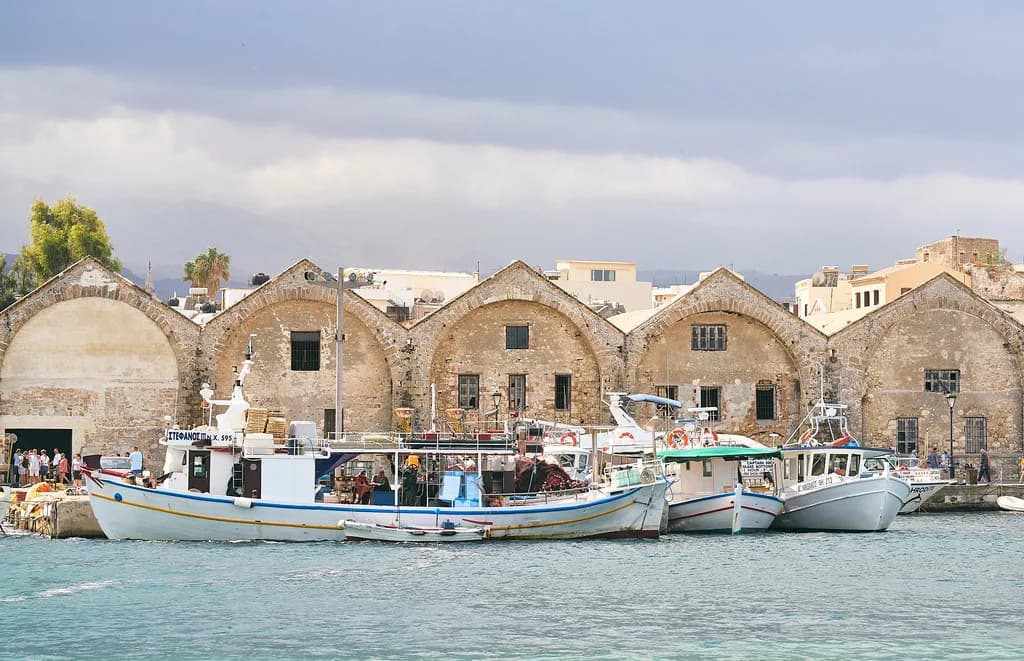
March in Chania is a month of transition. The winter rains are easing, wildflowers are beginning to bloom, and the first signs of the tourist season appear. Expect mild days that can feel almost summery in the sun, but cool evenings that remind you winter hasn't fully let go. Your packing strategy needs to be as changeable as the weather: layers you can add or shed as you move from the sunny Venetian harbor to a shaded, breezy alley. For a full list of essentials, see our Chania packing list.
This guide walks you through what to wear in Chania in March, with practical outfit ideas for exploring the Old Town, hiking coastal trails, and dining out. Rather than relying on a single forecast, we focus on historical climate patterns to help you make smart choices. Always check the forecast in the days before you go, and follow the packing framework below to build a versatile capsule wardrobe. For colder earlier months, you may also want to review what to wear in Chania in February for comparison.
Free: The Ultimate Packing Cheat Sheet
A carry-on capsule wardrobe, the complete packing checklist, layering made simple, and what to wear by season — one printable page you'll use on every trip.
Understanding Chania's March Weather: Mild, Unpredictable, and Blooming
Crete in March enjoys a Mediterranean climate that is warming up after winter. According to the travel information site Rough Guides, the average daytime temperature in Crete in March is 16°C (61°F), while nighttime lows average around 10°C (50°F). This means you will experience chilly mornings and evenings, but comfortable afternoons when the sun is out. The sea is still too cold for a comfortable dip for most, with average temperatures around 16°C (61°F).
Rainfall is a real possibility. Rough Guides reports that Crete in March sees about 60 millimeters of rain on average, with the chance of rain decreasing as the month progresses. Showers can be brief but intense, and the ground may stay damp, especially on trails. Use the monthly climate averages purely as a historical guide, not an exact forecast. For the week you travel, check a reliable weather service a few days before departure, and again just before you pack.
The Layering Strategy: From Warm Afternoons to Chilly Evenings
Layering is the single most important skill for dressing in Chania in March. Historical averages indicate highs around 16°C (61°F) and lows around 10°C (50°F), so a typical day might start chilly and become pleasant by the afternoon. Your base layer should be breathable, such as a cotton t-shirt or a lightweight merino top. Over that, add an insulating mid-layer like a cardigan, fleece, or a light knit. This approach lets you adjust to the temperature swings as you move from indoor museums to sunny squares.
For the outdoor shell, choose a packable windbreaker or a compact rain jacket. The coastal winds can make it feel cooler, and rain showers come without much warning. A jacket that can be rolled into a small pouch is perfect for popping in your day bag. This way, you are never caught out by a sudden shower or a cool sea breeze.
Top and Bottom Recommendations for March
For tops, mix short-sleeved and long-sleeved options. Cotton shirts and light blouses work well for the warmer afternoons, while long-sleeved tees and light sweaters are better for evenings. Do not forget a scarf or a shawl; it is useful for chilly evenings and can even cover your shoulders when visiting churches or monasteries as a mark of respect. It doubles as a picnic blanket or a light wrap on the beach.
For bottoms, jeans or trousers are ideal for everyday exploring. For active days on the trails, bring convertible hiking pants that can zip into shorts if the afternoon sun gets too warm. A pair of comfortable leggings or dark-colored chinos can be dressed up for a sunset dinner at the harbor. Leave shorts at home unless you have a high tolerance for cool weather—most locals will still be in long pants in March.
Footwear: Sturdy, Grippy, and Water-Resistant
Your feet will face two main challenges: polished cobblestones in the Old Town and muddy, sometimes slippery trails. The best footwear is a sturdy pair of waterproof walking shoes or low-cut hiking boots with a good rubber sole. They offer ankle support on uneven ground and keep your feet dry when you step in a puddle or through a wet patch.
If you plan to do serious hiking, consider a pair of waterproof hiking shoes or boots. According to the Chania packing guide from Packfits, grippy walking sneakers are fine for most city exploring, but you'll want something with deeper tread for trails. Break in any new footwear before you go to avoid blisters. Bring a pair of comfortable flats or stylish sneakers for the evenings, but remember to choose ones with good traction to handle slippery cobbles.
Leave open-toed sandals behind. Even if the sun is warm, the cool air and risk of rain make them impractical. The same goes for flimsy flip-flops, which offer little support and can be dangerous on wet, stone steps. Waterproof shoes are a wise investment because they serve double duty for both city and country.
Rain Gear and Wet-Weather Essentials
An essential item for March is a reliable waterproof jacket that is also breathable. Look for one that folds into its own pocket so you can carry it without fuss. The weather can change quickly, and what starts as a sunny day can become a rainstorm by lunchtime.
While an umbrella can be useful, it is often windier in coastal areas, so a hooded jacket is more practical. If you expect to encounter heavy downpours, consider a pair of lightweight rain pants that can be pulled over your regular trousers. They aren't fashionable, but they'll keep you dry if you are out on a hike when a cloud decides to open.
Packing for Hiking and Outdoor Trails
If you plan to explore the Samaria Gorge or other trails, you'll need to pack specifically for those adventures. Start with a moisture-wicking base layer that will keep you cool and dry when you are exerting yourself. Over that, wear a lightweight fleece or a soft-shell jacket that provides some insulation without being too bulky. The top layer should be a waterproof and windproof shell, because the gorge can have its own weather system.
For your legs, quick-drying trousers or zip-off pants are ideal. They allow you to adapt to the changing conditions and are comfortable during a long day of walking. If you expect particularly muddy conditions, bring gaiters to keep grit and water out of your boots. And remember, trails can be slick with wet leaves or mud, so choose boots with aggressive tread.
Outfit Ideas for Exploring the Old Town and Coastal Walks
For a day in the Old Town, style can be relaxed but put-together. Combine a pair of dark jeans with a white linen or cotton shirt, a light merino sweater, and your favorite pair of walking boots. Add a colorful scarf and minimal jewelry to feel more dressed without sacrificing comfort. This is a way to look stylish while being entirely practical, which is a type of packing that serves multiple purposes.
If you are heading for a coastal walk, layer your merino top under a windbreaker and pull on a pair of sturdy trousers or leggings. The wind can be sharp along the seafront, so having a hood is a bonus. Choose footwear with a non-slip sole that can handle wet, uneven rocks. And pop a thin waterproof backpack cover in your bag to keep your phone and camera dry.
Compact 5-Day Packing Example
To help you see how this comes together, here is a compact packing example for a five-day trip to Chania in March. Feel free to adapt it based on your planned activities. This list assumes some laundry capabilities, which many accommodations have.
Start with the base layers: three short-sleeved tops and two long-sleeved tops. Add one pair of jeans, one pair of comfortable trousers, and one pair of convertible hiking pants if you plan to hike. For insulation, bring one light sweater and one packable down or synthetic jacket. The outer shell should be a waterproof jacket that can stand up to wind.
In the footwear department, pack two pairs: a sturdy pair of waterproof walking shoes or low boots, and a pair of comfortable flats or stylish sneakers for the evenings. A couple of pairs of thick socks and thinner ones will cover different temperatures. Don't forget your scarf, gloves, and a beanie or hat; even if you wear them little, they are a savior when the wind bites.
Finally, bring a daypack that is comfortable to carry, along with essentials like a water bottle, sunscreen for sunny breaks, and a small umbrella if you prefer one. With this list, you should be able to mix and match items to create outfits suitable for every surprise that March in Chania throws at you.
What to Leave Behind
Some items are better left at home in March to make room for the essentials. Leave your swimsuit at home unless you are brave enough to face a 16°C (61°F) sea; if you do want a possible dip, pack a small swimsuit just in case. Quick-dry towels are a waste of space, as most places provide them.
Also leave behind any heavy winter coats and thick snow boots; they are overkill for most days. While evenings are cool, a mid-weight jacket paired with layers will suffice. Remember that Chania's streets are cobbled and hilly; high stilettos or heavy boots will be impractical. Avoid packing too many delicate or dressy clothes, as casual is the norm.
Before You Depart: Check the Forecast
A month out, you can have a general idea of what to expect, but the weather in Chania in March can change rapidly. Use the historical climate information as a guide and then rely on a reliable weather service for the latest forecasts in the week leading up to your trip. The Greek National Meteorological Service or international weather apps will give you a clearer picture of temperatures, rainfall probability, and wind speeds for your actual dates.
This simple check could save you from packing too many sweaters or not enough layers. And don't forget to look at the forecast for the specific region of Chania rather than the whole island; mountain areas will always be cooler and wetter than the coast. With this strategy, you can pack with confidence and make the most of your time in this beautiful part of Crete.
Frequently Asked Questions about Dressing for Chania in March
If you are wondering what locals wear in March, it's generally helpful to acknowledge that Cretan style is practical but neat. You'll see jeans, chinos, long-sleeved shirts, and layerable jumpers on the streets. Typical footwear includes closed-toe boots or trainers.
As for the '3-3-3 rule' for clothes, this packing method involves three tops, three bottoms, and three pairs of shoes. It can be a useful way to force yourself to pack light and mix-and-match. For Chania in March, choose items that layer well and coordinate with each other.
Plan Your Visit
Packing for Chania in March is all about being prepared for change. The key is to embrace layering, bring waterproof shoes and a jacket, and select pieces that can stretch from a sunny afternoon to a cool, rainy evening. With these items in your suitcase, you'll be ready for whatever the Cretan spring sends your way.
Recommendations are about comfort and practicality, not strict dress codes. For specific venue rules, such as when visiting monasteries or churches, always check their official notices. Using the framework here, you can build a versatile wardrobe that lets you focus on exploring.
Frequently Asked Questions
How do people dress in Greece in March?
In Greece in March, including Crete, you'll see a mix of light layers and a few winter items. Jeans, long-sleeved shirts, and light sweaters are common. Flat boots, sneakers, and a light jacket are practical for the variable weather. People dress comfortably but neatly in a style suitable for a mild, changeable month.
What is the 3-3-3 rule for clothes?
The 3-3-3 rule is a packing hack that suggests taking just three tops, three bottoms, and three pairs of shoes. This approach encourages you to build a capsule wardrobe from mix-and-match pieces that work together. It can help you pack light and avoid overpacking for a trip.
Is Crete, Greece warm in March?
Crete in March has mild temperatures. Average daytime highs are around 16°C (61°F), and nights drop to around 10°C (50°F). It's not beach swimming weather for most, but it's ideal for exploring historic sites and hiking when the sun is out.
How to dress in Greece and not look like a tourist?
To blend in while in Greece, dress smartly but comfortably. Avoid wearing swimwear in town, and cover your shoulders and knees when visiting churches and monasteries. Choose versatile pieces in neutral colors that you can layer and mix. A neat, put-together appearance is always in style in Greece.
What should I wear in Crete in March?
In Crete in March, pack layers to cope with varying temperatures. Include t-shirts, a light sweater, and a waterproof jacket. Jeans or trousers are better than shorts. Sturdy, waterproof shoes are essential for walking on damp streets and trails. A scarf and hat are useful for chilly evenings.
Sources
Free: The Ultimate Packing Cheat Sheet
A carry-on capsule wardrobe, the complete packing checklist, layering made simple, and what to wear by season — one printable page you'll use on every trip.
You might also like


Continue reading
More guides you'll find useful