What to Wear in Hong Kong in December: Layers for Mild Days and Cool Nights
Pack light layers, a packable jacket and a scarf for Hong Kong in December. Covers daytime outfits, waterfront evenings, footwear and a four-day carry-on.
On this page
Hong Kong in December: the weather in numbers
Typical December conditions from 30 years of daily weather data, split into early, mid and late month so you can match them to your travel dates.
| Dates | Early Dec (1–10) | Mid Dec (11–20) | Late Dec (21–31) |
|---|---|---|---|
| Afternoon high | 21°C (70°F) | 20°C (67°F) | 19°C (66°F) |
| Night-time low | 16°C (61°F) | 15°C (58°F) | 14°C (57°F) |
| Feels like (afternoon) | 19°C (66°F) | 17°C (63°F) | 17°C (62°F) |
| Range of afternoon highs | 18–24°C | 16–23°C | 15–22°C |
| Days with rain | 1 in 10 days | 2 in 10 days | 1 in 10 days |
| Afternoon humidity | 57% | 58% | 57% |
| Average wind | 13 km/h | 13 km/h | 12 km/h |
| Daylight | 10.7 h | 10.6 h | 10.6 h |
What this means for your suitcase
- Mild days: long sleeves with a light sweater or jacket you can take off at midday.
Travelling on specific dates? Use our What to Wear Planner for the weather, outfits and a packing list for your exact days in Hong Kong.
Averages for 1991-2020, modelled from Copernicus ERA5-Land and ERA5 reanalysis via Open-Meteo open data (CC BY 4.0), adjusted to Hong Kong's elevation. Modelled afternoon highs can read 1–2°C below airport weather-station records.
December marks the start of Hong Kong's cool, dry season, which makes it one of the easier months to pack for and one of the easiest to get wrong. A sunny afternoon can feel mild enough for a long-sleeve shirt, while the same evening along Victoria Harbour or at an elevated viewpoint can call for a proper jacket and a scarf. The fix is not a heavier suitcase but a smarter layer system you can add to and strip back as the day goes on.
This guide treats the day-to-evening temperature swing and indoor air-conditioning as the two central packing decisions, rather than an afterthought. It covers what December tends to feel like as a historical seasonal pattern, how to build daytime and evening outfits from the same pieces, footwear for Hong Kong's hills and steps, and a concrete four-day carry-on example.
Why December Packing Is a Layering Puzzle, Not a Winter-Wardrobe Exercise
December in Hong Kong is not a deep-winter destination, so the instinct to pack a heavy parka usually works against you. The month sits at the start of the cool, dry season, when long-sleeved layers, a medium-weight jacket and a scarf cover most situations. Packing around three thin layers rather than one thick one gives you far more control across a day that starts cool, warms up, then cools again after sunset.
The other half of the puzzle is indoors. Malls, museums and the MTR stay heavily air-conditioned even in December, so a single heavy layer can leave you overheated the moment you step inside. A cardigan or light knit you can peel off in a minute is more useful than a coat you have to carry. If you want a deeper breakdown of that indoor-versus-outdoor rhythm, see this guide to air-conditioning and indoor layering in Hong Kong.
Build your packing list around pieces that work in more than one slot: a long-sleeve base you can wear alone at midday, a mid-layer that doubles as a smart-casual top for an evening out, and an outer layer that folds small enough to live in your day bag. That approach also keeps your bag light for the hilly walking days that define a Hong Kong trip. If you are travelling hand-luggage only, check your airline's own cabin allowance before you decide how many layers to bring.
December's Historical Pattern: Mild, Relatively Dry Days and a Real Evening Chill
Long-term figures for Hong Kong in December point to daytime highs near 20°C (68°F), night-time lows around 15°C (59°F) and roughly four days with some rain, with low humidity. Those are historical averages for the month, not a forecast for your dates, so treat them as the range your packing needs to cover rather than a promise. Check the Hong Kong Observatory's climate pages for the current figures before you fly.
What monthly averages hide is the cold-front effect. When a front pushes down from the north, temperatures can drop sharply, and winter nights in Hong Kong can occasionally fall below 10°C (50°F). That is cold enough that a scarf and a warmer mid-layer stop being optional. A trip packed only for the 20°C daytime number can feel underprepared on exactly those nights. Hong Kong does not see snow and frost is rare, so you never need to plan for ice or heavy winter gear.
December also marks the start of Hong Kong's winter shopping and holiday season, which matters for packing because it pushes more of your evenings indoors and into air-conditioned spaces. A smart-casual layer you can wear to dinner and then drape over a chair is more useful than a specialist item. If your trip runs into early January, the guide to what to wear in Hong Kong in January
Daytime Outfit Formula: Long-Sleeve Base, Light Mid-Layer and Dry-Weather Fabrics
For daytime, start with a long-sleeve cotton or technical T-shirt as your base, then add a light sweater or cardigan you can remove when the sun is out. Trousers or jeans work well in the dry conditions, and lighter-coloured fabrics feel more comfortable when you are walking in direct sun. December's low humidity means fewer moisture problems than summer, but skin and lips can dry out faster than you expect, so a small moisturiser and lip balm earn their space.
The mid-layer is where the real decision sits. A merino or fine-knit sweater packs small and adds meaningful warmth without bulk, while a chunky cable knit takes up far more space for a similar benefit. Choose the thinner knit and rely on your outer layer when the temperature drops. That trade-off keeps a carry-on workable without leaving you cold on a cold-front evening.
Sunglasses and a little sun protection are worth having even in a mild month, because December days in Hong Kong are often clear. A compact umbrella covers the month's occasional wet days without weighing you down the rest of the trip. Both live happily in the day bag you are already carrying, which also keeps your hands free on steep, stepped streets.
Evening and Waterfront Layering: A Packable Jacket, a Scarf and the Harbour Breeze
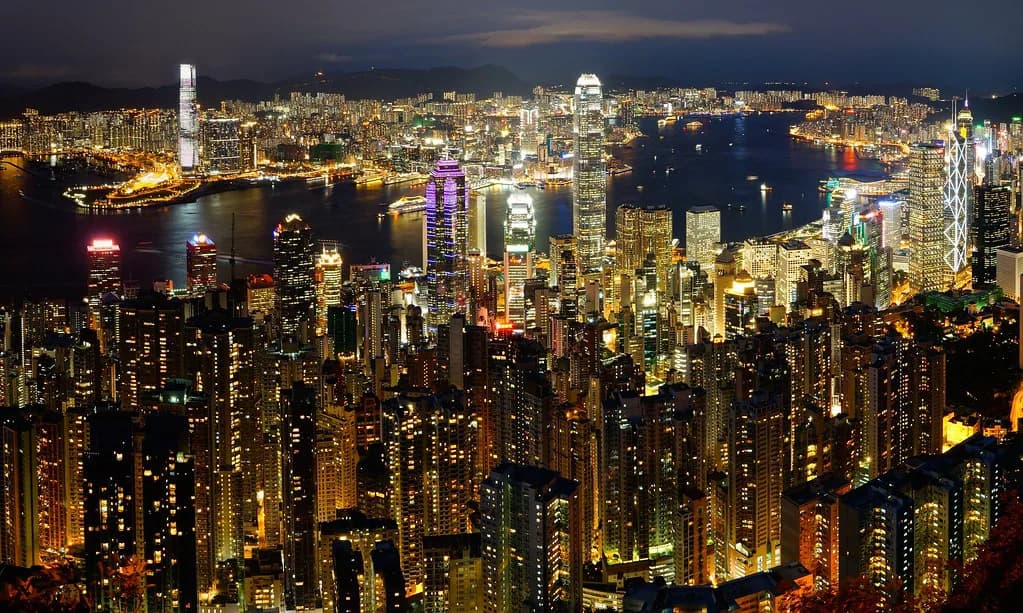
Evenings along Victoria Harbour and the Tsim Sha Tsui Promenade tend to feel noticeably cooler than inland streets at the same hour, because the breeze comes straight off the water. A packable mid-weight jacket makes the difference between lingering for the skyline and heading back early. This is also where a scarf earns its place, as the piece that lets you stay out longer once the sun is gone.
Treat the evening layer as a separate decision from your daytime one. A medium-weight jacket or light coat that fits over your base and mid-layer works for both a waterfront walk and a restaurant, so you do not need two outer layers. If you have a long outdoor evening planned, bring the warmer option and leave the lighter jacket at the hotel. For the full set of basics across the trip, see this Hong Kong packing list.
Gloves are useful mainly on cold-front nights, so they are the last item to add and the first to leave out if space is tight. A thin pair takes almost no room and covers the one or two evenings per trip that might justify them. If you are weighing whether to bring them at all, pack the scarf first and the gloves only if you have room.
Higher Viewpoints and Exposed Spots: Wind, Steps and Grip on the Way Up
Elevated spots such as Victoria Peak and the viewing areas around Lantau Island are windier and cooler than street level, so the temperature at the top can feel noticeably lower than what you left behind. That is the outing to dress for wind rather than sun. A wind-resistant outer layer and a scarf do more work there than an extra sweater.
Access to many of these spots involves steps, steep pavements and long stretches on your feet, which makes grip and support the priority. Flat, flexible walking shoes with a decent tread handle damp steps better than smooth-soled fashion boots. Carry the layer you are not wearing in a small bag rather than tying it around your waist, so your hands stay free on handrails.
Indoor Air-Conditioning and Transit: How to Strip Down and Rebuild a Layer
A December day in Hong Kong often means moving between a warm street and a cool interior several times an hour, and the MTR is the most common example. The practical test for any layer is whether you can take it off and put it back on while standing up and holding a bag. If it needs a mirror or two hands, it will slow you down all day.
A transit-day outfit suggestion: a long-sleeve base, a thin cardigan or knit, and a packable outer layer, with the cardigan living in your bag whenever you are inside. That gives you three usable configurations from three pieces. If you run warm, drop the cardigan and keep just the base and outer layer instead.
Shoes for December: Closed-Toe Walking Shoes Versus Ankle Boots
Closed-toe shoes and ankle boots both suit December's cool, dry conditions, and the choice comes down to what your days look like. Walking shoes win on long days across Kowloon and Hong Kong Island, where you might cover several kilometres on pavement and steps. Ankle boots win on evenings and on days with more indoor time, when you want something that reads a little dressier.
The trade-off to watch is break-in time. New boots on a hilly itinerary are a poor combination, so bring footwear you have already worn for a full day. If you want only one pair, choose a supportive closed walking shoe and let your clothing carry the smart-casual side. Sandals are the item most people regret in December, particularly for evening plans.
Pack a spare pair of socks if you plan long walking days, because dry feet matter more in cool weather than in heat. If you are continuing into the wetter shoulder season, this guide to what to wear in Hong Kong in April
A Four-Day December Packing Example for a Carry-On
For four days in a carry-on, start with two long-sleeve base tops and one short-sleeve option for a mild afternoon. Add one thin knit or cardigan as your mid-layer and one medium-weight jacket as your outer layer, and wear the jacket onto the plane rather than packing it. Two pairs of trousers or jeans and one smarter option cover daytime walking and an evening out.
Footwear is one supportive walking pair plus one smarter pair if your plans justify it, and both should be broken in before you leave. Add a scarf, a thin pair of gloves if a cold front is in the forecast, sunglasses and a compact umbrella. Socks, underwear and sleepwear for four days fit in the leftover space without forcing a larger bag.
The double-duty logic matters more than the exact list. Your mid-layer works alone at midday and under the jacket at night; your smarter trousers work with the knit for dinner; your scarf covers both warmth and a dressier look. That is the whole system, and it fits in a carry-on without compression bags.
What to Leave Behind: Heavy Parkas, Bulky Knits and Other Items December Rarely Justifies
Leave the heavy parka at home, because December in Hong Kong rarely justifies that level of insulation and it will be a burden the rest of the trip. The same applies to bulky wool sweaters, thermal base layers and thick everyday socks. A medium-weight jacket plus a scarf covers the cold-front scenario without the bulk.
Ski-style or fleece-lined outerwear, heavy hiking boots and multiple pairs of shoes are also poor use of space. A full-size hair dryer and a beach towel belong on the leave list too, since hotels cover the first and the season rules out the second. If you are unsure about an item, ask whether it works in at least two situations on your itinerary.
Accessories That Earn Their Space: Scarf, Compact Umbrella, Sunglasses and a Small Crossbody
The scarf is the single most useful accessory for a December trip, because it turns a mild-day jacket into something that works on a waterfront evening. A compact umbrella covers the month's occasional wet days without taking up much room. Sunglasses matter more than most people expect, since December days are often clear and bright.
A small crossbody bag keeps your hands free on steep streets and in crowded MTR carriages, and it is easier to manage than a backpack when you are constantly removing and replacing a layer. A light tote can serve as a secondary bag for shopping days. Keep the bag small enough that it stays comfortable after a full day on your feet.
Before You Go: Check the December Forecast and Adjust for a Cold Front
Check the Hong Kong Observatory forecast in the days before departure rather than relying on monthly averages, since a cold front can shift the picture quickly. Look specifically at the overnight low and the wind forecast for your dates, because those two numbers tell you whether the scarf and gloves are worth packing. If a front is expected, add the warmer mid-layer; if not, the standard three-layer system is enough.
Also check the outlook for rain. December typically brings only a few wet days, but they do happen, and a compact umbrella plus shoes with some grip cover them without changing the rest of your packing. If you are travelling at the end of November or the start of your trip, the guide to what to wear in Hong Kong in November
Quick-Reference December Packing Checklist
Base layers: two long-sleeve tops and one short-sleeve option. Mid-layer: one thin knit or cardigan. Outer layer: one medium-weight jacket or light coat. Bottoms: two pairs of trousers or jeans plus one smarter option. Footwear: one supportive closed walking pair, plus ankle boots if your evenings call for them.
Accessories: scarf, sunglasses, compact umbrella and thin gloves only if a cold front is forecast. Bag: small zipped crossbody for day use. Extras: socks and underwear for your trip length, a basic toiletry kit and a charger. Leave behind: heavy parka, bulky knits, thermal base layers, beachwear and more than two pairs of shoes.
Plan Your Visit
December in Hong Kong rewards a light, flexible bag rather than a heavy one. Build your packing around three removable layers, one supportive pair of walking shoes and a scarf that handles both midday sun and evening breeze. That combination covers the mild daytime weather, the genuine waterfront chill and the air-conditioned interiors you will move through all day.
Check the forecast for your specific dates before you fly, and adjust the mid-layer and accessories up or down based on the expected overnight low and wind. If you are planning a longer trip or heading into the wetter months afterwards, check the four-day carry-on list above against your own itinerary and add only what you will genuinely wear.
More packing guides for Hong Kong
Frequently Asked Questions
What should I wear in Hong Kong in December during the day?
A long-sleeve base layer with a light sweater or cardigan over it works well for most December days, paired with trousers or jeans and closed-toe shoes. December is typically mild and relatively dry, so a heavy jacket is usually more than you need while the sun is out. Keep a packable outer layer in your bag in case the afternoon cools or you move into strong air-conditioning.
Do I need a heavy coat in Hong Kong in December?
A heavy coat is rarely necessary. December sits at the start of Hong Kong's cool, dry season, and a medium-weight jacket or light coat over a knit covers most days and evenings. The exception is a cold-front spell, when temperatures can drop sharply and a warmer mid-layer and scarf become genuinely useful. Check the forecast before departure rather than packing for the coldest possibility.
What should I wear in Hong Kong in December at night?
Evenings feel cooler than the daytime high suggests, especially along the waterfront and at elevated viewpoints where the breeze is stronger. A medium-weight jacket or light coat plus a scarf is the practical combination for an outdoor evening. If you have an indoor plan, a smart-casual layer you can remove in an air-conditioned space works better than a single heavy piece.
Is December a good time to visit Hong Kong for outdoor sightseeing?
December is generally one of the better months for outdoor plans, because the season is relatively dry and less humid than summer. Clear days make viewpoints and waterfront walks more rewarding, and the lower humidity makes long walking days more comfortable. The main variables to watch are a cold-front spell and the occasional wet day, both of which are easy to handle with a scarf and a compact umbrella.
Do I need warm accessories for Hong Kong in December?
A scarf is the accessory most worth packing, because it makes a mild-day jacket workable on a cool waterfront evening. Thin gloves are worth adding only if the forecast shows a cold front during your dates. Sunglasses and a compact umbrella cover the bright days and occasional rain without adding much weight.
How should I dress for air-conditioned indoor spaces in Hong Kong?
Choose layers you can remove and put back on quickly, since you will move between warm streets and cool interiors throughout the day. A thin cardigan or knit that fits in your day bag is more practical than a coat you have to carry. Build each outfit so the base layer works on its own indoors and the outer layer goes back on when you step outside.
How many layers should I pack for a four-day December trip?
Three layers is enough: a long-sleeve base, a thin knit or cardigan, and a medium-weight jacket or light coat. That combination gives you several usable outfits across mild afternoons, air-conditioned interiors and cooler evenings. Two pairs of trousers plus one smarter option and one supportive pair of walking shoes round out a carry-on for four days.
Sources
Free: The Ultimate Packing Cheat Sheet
A carry-on capsule wardrobe, the complete packing checklist, layering made simple, and what to wear by season — one printable page you'll use on every trip.
You might also like

Continue reading
More guides you'll find useful