
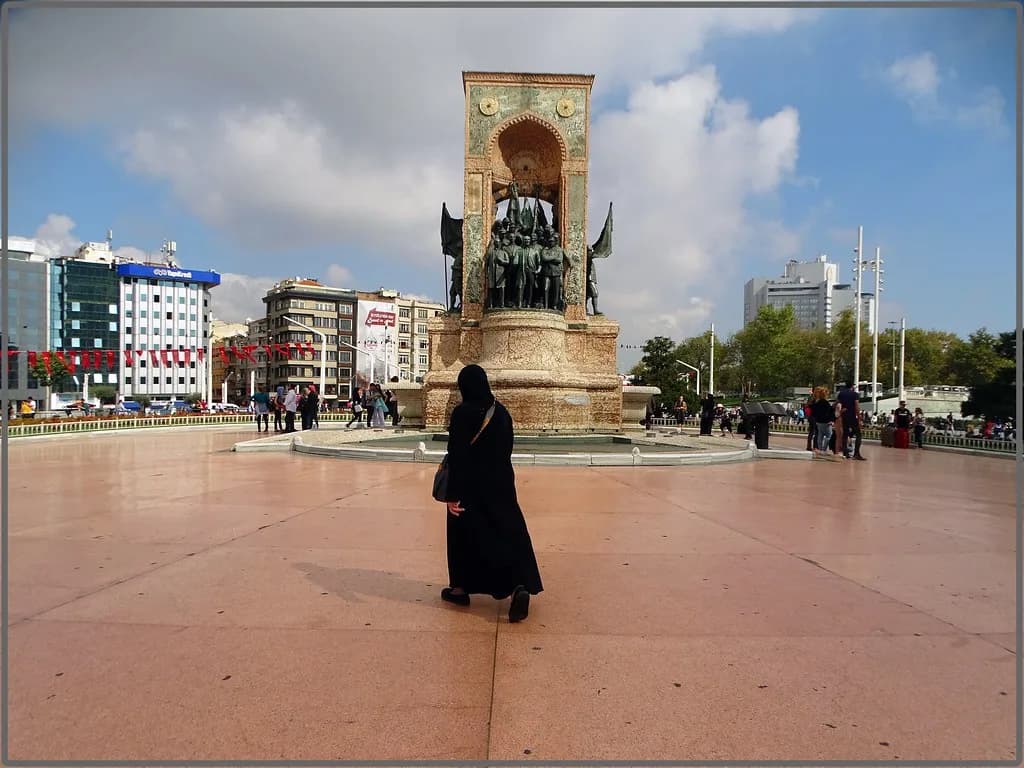
What to Wear on an Istanbul Ferry and Bosphorus Cruise
Layering and footwear guide for Istanbul ferries and Bosphorus cruises, covering deck wind, spray, seasonal clothing choices and what to leave behind.
On this page
An Istanbul ferry or Bosphorus cruise does not ask for a different wardrobe so much as a smarter version of the one you already packed. The strait acts like a wind corridor, so the deck tends to feel cooler and breezier than the city streets you crossed to reach the pier. A simple layering plan plus deck-worthy shoes solves almost every discomfort you are likely to meet on the water.
This guide sticks to packing and outfit decisions rather than which cruise to book or what to see along the route. It treats exposure as a dial: whether you plan to sit on the open deck, stay in the covered cabin, or move between both changes how many layers you actually need. Cruise guides that cover the Bosphorus agree that wind is the main variable, and that flat, secure footwear belongs on any boat deck.
How Exposed You Are Sets Your Layering Depth
Open-deck seating gives you the best views and the most wind, so it demands the full three-layer build: a breathable base, a warm mid-layer, and a wind-blocking outer shell. The covered cabin is a different environment entirely, often warmed and sheltered, and it rewards a lighter base layer you can show indoors without overheating. Mixed seating is the most common pattern on longer Bosphorus routes, and it is also the hardest to dress for because you keep moving between two climates.
The practical answer is to dress for the deck and carry the difference. If you plan to spend an hour outside and twenty minutes inside, build for the hour outside and make the outermost layer the easiest one to remove and stow. Operators describe the deck as cooler than the city and note that wind amplifies the effect, so a shell you can shed is more useful than a single heavy coat you cannot.
Think about where you will sit before you leave your hotel. Right-hand or left-hand side, bow or stern, upstairs or downstairs all change how much wind reaches you, and a covered upper deck on one vessel may be open on another. Because that detail varies by boat and by day, the safe assumption is to pack one layer more than the forecast alone suggests.
The Three-Layer Formula for the Water
Start with a base layer that manages moisture rather than trapping it. Cotton is pleasant on land but stays damp once you sweat while walking to the pier, so a thin merino or synthetic tee, or a light cotton blend, works better against the skin. In summer this base can be a short-sleeve shirt; in winter it can be a thermal-weight top that stays out of sight under everything else.
The mid-layer is your warmth dial and the piece you will add or remove most often. A thin sweater, a fleece, or a light knit cardigan packs small and adds meaningful insulation without bulk. If you run warm, choose a lighter mid-layer and lean on the outer shell instead; if you run cold, a slightly thicker knit costs little space in a day bag.
The outer shell is the layer that earns its place on the Bosphorus. A windproof jacket, a light trench, or a softshell blunts the wind that makes the deck feel cooler than the shore, and it also gives you an outer surface you will not mind getting a splash of saltwater on. This is an editorial layering suggestion, not a rule any operator enforces; no cruise line is being cited here as requiring specific clothing.
Wind and Spray on Deck: Packing for the Outdoors
Spray is occasional rather than constant, but it does reach the deck on windier days, which is why the usual advice is to avoid wearing anything you would be upset to get a bit of saltwater on. That favors darker trousers, a shell with a smooth face fabric, and a bag that closes securely rather than an open tote. A small cross-body bag keeps your hands free for railings and gangways and keeps contents inside while you move around the boat.
Leave large umbrellas behind on deck, because they catch wind and become a liability rather than a convenience. A compact rain shell or a small travel umbrella kept in your bag covers the wet-weather case without turning you into a sail. Treat rain gear as an option to consider rather than a requirement, since the Bosphorus does not guarantee rain on any given sailing.
Long hair tangles quickly in the wind, so a hair tie, clip, or a light scarf around the neck is less about appearance and more about outfit integrity. A scarf does double duty as a warmth layer for the throat when the breeze picks up. Secure hats with a hand or a clip, because loose caps and light brims are the items most frequently lost over the rail.
Footwear That Works on Wet Decks and Gangways
Grip and ankle security matter more than style on a boat, and rubber-patterned soles are the standard recommendation for walking on wet, tilted, or grated deck surfaces. Clean trainers, deck shoes, low-heeled boots, or strapped flat sandals all work for daytime sailings. One source of boat-deck advice puts it plainly: flat, non-slip shoes are essential, while high heels and loose flip-flops are described as hazardous.
Narrow stiletto heels are the worst case because they can catch in deck grating and offer almost no surface contact when the boat moves. If you want elevation for an evening cruise, a platform or a block heel with a rubber sole is a more workable compromise than a thin spike, and a pair of flat shoes kept in your bag gives you a bailout. Evening-cruise guides suggest non-slip soles for dancing or stairs, which is the same reasoning applied to a dressier setting.
If your day includes a stop such as the Princes' Islands or an Asian-side landing, the walking between the pier and your next stop becomes part of the footwear decision. Comfortable walking shoes then take priority over fashion soles, because you may cover several blocks on uneven pavement before returning to the boat. Waterproof boots or treated shoes are worth considering in winter, when rain and spray are more likely to meet you on the same day.
Seasonal Tendencies on the Bosphorus
Istanbul and the Bosphorus have recognizable seasonal patterns rather than fixed weather, so treat everything here as a historical tendency and check the day-of forecast before you dress. Spring and autumn are the transition seasons, with warm afternoons and noticeably cooler evenings, which makes a jacket genuinely useful on the water even when the city felt mild at lunch. Summer is the most straightforward season, though the breeze on the water is the reason a single warm layer still earns space in your bag.
Winter places a premium on wind-resistant warmth, because the same breeze that is pleasant in July becomes the dominant sensation on deck in January. The layering logic does not change between seasons; only the weight of each layer does. If you are traveling in a specific month, a month-by-month packing guide will tune the fabric weights and the number of layers more precisely than any general rule.
No operator dress code is being asserted for any season, and no exact temperature figures are given here because the specific measurements that appear in some cruise guides apply to particular boats and conditions rather than to your sailing. The useful takeaway is directional: the water side of Istanbul tends to feel cooler and breezier than the streets, and the evening is usually cooler than the afternoon.
Spring and Autumn: Warm Afternoons, Cool Water Evenings
Spring and autumn are the seasons where one outfit genuinely cannot cover the whole day, so plan a morning-to-evening transition rather than a single look. A light top plus a mid-layer plus a packable wind shell handles a warm afternoon and a cool return without a change of clothes. Trousers or a midi skirt with tights underneath give you the same flexibility on the lower half.
The classic mistake in these months is leaving the extra layer at the hotel because the afternoon felt warm. Stow a thin knit and a light scarf in your day bag and you cover both the open deck and the shaded, breezier sections of the route. If your trip falls in April, a month-specific guide will help you fine-tune fabric choices and rain layers, though the layering structure stays the same.
Autumn mirrors spring closely enough that the same capsule works, with slightly warmer knits substituted for lighter ones. Colors are a personal choice rather than a rule, though neutral tones and whites read clearly against the blue water if photographs matter to you. What matters for packing is that the layers are removable, because the temperature swing across a single sailing is the real challenge.
Summer Heat: Cooling in the City, One Warm Layer on the Water
Summer packing for Istanbul starts with breathable fabrics such as linen and light cotton, loose cuts, and a hat you can secure against the breeze. The city can feel hot and humid, so you will want to dress lightly for the walk to the pier. The trade-off is that the same outfit can feel thin on an exposed deck once the boat is moving and the sun starts to drop.
One warm layer is the summer rule: a light windbreaker, a cardigan, or a thin overshirt that folds into a day bag. Sunset and evening sailings are where this matters most, because the breeze over the water at dusk feels cooler than the afternoon streets you left. Some cruise operators recommend a light jacket year-round for exactly this reason, even when daytime temperatures are high.
Sun protection earns its place in the summer kit because water reflection intensifies exposure even under thin cloud, and sunglasses help with glare off the surface. A hat, sunscreen, and a light long-sleeve layer for the return trip cover the main risks without weighing you down. A June trip in particular can combine strong sun with a cool evening breeze, so a month guide is worth consulting alongside this one.
Winter Decks: Warmth That Survives the Wind
Winter on the Bosphorus is where layering stops being a style choice and becomes basic comfort. A thermal base layer, a warm mid-layer such as a wool sweater, and a wind-resistant outer coat form the core of the outfit. Gloves, a hat, and a scarf are part of the outfit rather than accessories, because the extremities lose heat fastest on an exposed deck.
The cabin is usually heated and sheltered on winter sailings, which is why removable layers beat one heavy garment. You want to be able to strip down indoors without dismantling your whole outfit, then rebuild it in seconds when you step outside for the views. Waterproof footwear or treated leather helps with both rain and spray on the way to and from the boat.
Trousers in a heavier fabric, thick socks, and a longer coat that covers your seat when you sit on a cold bench make a real difference on a winter crossing. Keep the footwear decision separate from the warmth decision, because a warm boot with a slick sole is still a poor choice on a wet gangway. If heavy rain is in the forecast, an optional waterproof shell is more useful than an umbrella on deck.
Evening Cruising: Raising the Outfit One Notch
Dinner cruises call for the same core layering rules with slightly dressier pieces, which is an editorial suggestion rather than any operator's stated requirement. A base layer in silk, chiffon, or a fine cotton shirt, topped with a light blazer or trench, reads well in a dining room and still handles the wind on deck. A shawl or scarf adds warmth at the throat and gives you a modest layer if your evening continues elsewhere in the city.
For footwear, elegant flats, loafers, low block heels, or clean dress shoes keep the outfit polished while staying safe on stairs and wet decking. A clutch or small cross-body bag is enough for an evening out and keeps your hands free on the gangway. The precise dress expectation, if any, belongs to the operator, so check your specific cruise's booking information rather than assuming a code.
Color is the easiest way to lift a layered outfit without buying anything new: neutrals and pastels contrast cleanly with the water and the evening sky. Keep the same mid-layer and shell you would wear on a daytime sailing, and upgrade only the visible pieces. That way the dressier outfit costs you one garment change rather than a second full packing list.
A Compact Packing Example for a Few Days
For a three-to-four-day Istanbul trip built around ferry rides and one Bosphorus cruise, a small capsule covers everything. Bring two to three base tops that can be worn alone, two mid-layers of different weights, and one wind-resistant shell that fits over both. Add one pair of trousers and one skirt or dress if you want a dressier evening option, plus a light scarf and a compact rain layer.
Two pairs of shoes are enough: one pair of supportive walking shoes or trainers for the city and one pair of secure flats or low-heeled boots for the boat and any evening plans. Socks, a hat you can secure, and gloves in winter complete the kit without filling a suitcase. This capsule works because the same outer layers serve the deck, the ferry terminal, and the walk between them.
If you want to extend the same capsule across a longer stay or a different season, a broader packing list will help you adjust fabric weights and quantities. Use the layer count as your constant and change only the warmth of each piece. That keeps the bag small while still covering the temperature range between the city and the water.
What to Leave Behind
Leave loose flip-flops at the hotel for boat days, because they slide on wet or grated decks and offer no grip when the boat moves. Stiletto heels are the other clear item to leave behind, since narrow points catch in deck surfaces and turn a small swell into a stability problem. Anything you would be upset to get a splash of saltwater on belongs in the same category.
Large umbrellas are a liability on an open deck because they catch wind, so pack a compact rain shell or a small umbrella instead. Excessive jewelry and very heavy bags make you slower and less stable on a moving boat, and they are harder to keep secure. If you are combining the cruise with a mosque visit later in the day, that visit has its own considerations.
Skip the second heavy coat, the formal suit you will never wear on deck, and the extra pair of shoes you packed just in case. Every additional layer you carry is a layer you have to manage when the temperature changes, and the Bosphorus rewards a small, adaptable kit. If you are unsure whether a garment is worth bringing, ask whether it can be removed and stowed in a day bag.
Before-Departure Weather Check
Check the day-of forecast and, just as importantly, the wind for the hours you will be on the water, because wind direction and strength change how cool the deck feels far more than the headline temperature does. Look at the hourly forecast rather than the daily high, and note the expected conditions for the time you will actually be sailing. Adjust your layers at the last minute based on that.
Cold, wind, and possible showers each change one part of your kit: add a mid-layer for cold, keep the shell for wind, and bring the compact rain option for showers. If the forecast is mild and calm, you can leave the second mid-layer at the hotel and travel lighter. If it is unsettled, the shell plus a scarf covers most scenarios without extra weight.
Because timetables and route availability change with the season, verify your specific sailing details with the operator or the official ferry company rather than relying on a general guide. That also gives you a chance to ask about seating, covered areas, and boarding arrangements, all of which affect how much time you will spend in the wind. The clothing decision follows from those answers more than from any fixed rule.
Plan Your Visit
Dressing for an Istanbul ferry or Bosphorus cruise comes down to two decisions: how many layers you can shed, and whether your shoes will grip a wet deck. Build around a breathable base, a removable mid-layer, and a wind-resistant shell, then choose secure footwear with real sole contact. Those choices handle the wind, the spray, and the temperature gap between the city and the water.
Treat the seasonal guidance here as a historical tendency rather than a forecast, and check the day-of wind and temperature before you leave. No operator dress code is being asserted, so confirm any specific expectations with your cruise provider. With a small capsule and an honest weather check, you can spend your attention on the skyline instead of your outfit.
Frequently Asked Questions
How should I dress for a Bosphorus cruise?
Wear a breathable base layer, add a removable mid-layer for warmth, and finish with a wind-resistant outer layer you can take off and stow. The wind on the water is the main variable, so a shell matters more than a heavy coat. Choose secure footwear with grip, since decks can be wet or uneven.
What shoes are best for an Istanbul ferry or Bosphorus cruise deck?
Flat shoes with rubber-patterned soles work best, including trainers, deck shoes, low-heeled boots, or strapped flat sandals. Avoid loose flip-flops and narrow stiletto heels, which slide or catch on wet and grated surfaces. If you want elevation, a platform or block heel with a rubber sole is a more stable compromise.
Can I wear heels on a Bosphorus dinner cruise?
Wide, stable heels are more workable than narrow stilettos, which can catch in deck grating and offer little contact on a moving boat. Many people wear flats or low heels for the sailing and change into dressier shoes later on land. Check with your specific cruise operator if the dress expectation matters to you, since no universal code applies.
Is a Bosphorus cruise colder than the city, and do I need a jacket in summer?
The deck tends to feel cooler and breezier than the city because the strait channels wind, so a light jacket or windbreaker is worth carrying even in summer. Evening sailings are where this matters most. Check the day-of wind and temperature forecast before you decide how heavy that layer should be.
What should I leave behind when packing for a Bosphorus ferry?
Leave loose flip-flops, stiletto heels, large umbrellas, excessive jewelry, and anything you would be upset to get splashed with saltwater. Heavy bags and extra coats you will never wear on deck also add weight without adding value. A compact rain layer is a better choice than a full umbrella for wet weather.
What should I pack for a Bosphorus cruise in winter?
Pack a thermal base layer, a warm mid-layer such as wool, and a wind-resistant outer coat, plus gloves, a hat, and a scarf. Choose footwear that handles rain and spray as well as cold. Cabin areas are often heated, so removable layers let you adapt between indoors and the open deck.
Sources
Free: The Ultimate Packing Cheat Sheet
A carry-on capsule wardrobe, the complete packing checklist, layering made simple, and what to wear by season — one printable page you'll use on every trip.
You might also like


Continue reading
More guides you'll find useful


