

Pattaya Hot Season Packing: What to Wear in Peak Heat
Pack for Pattaya's hot season with breathable fabrics, UV layers, and footwear for hot sand and pavement. Outfit combos, a 7-day example, and FAQs.
On this page
Pattaya in the hot season is less about beach style and more about managing heat, humidity, and sun exposure across a long day. You will likely move between air-conditioned transport, open pavement, and sand, so your packing needs to work for all three rather than just the pool deck. Build your bag around breathable fabrics, reliable sun cover, and footwear that will not punish your feet on hot ground.
March through May is the peak heat window, and descriptions of that period are historical seasonal tendencies rather than a forecast for any specific trip. Because conditions can shift week to week, your final packing decisions should come from a short-range weather check right before departure. Start with the Pattaya packing list framework, then adjust quantities based on your actual trip length and activities.
A simple rule that saves space: pack pieces that can move from beach to street with one added layer. Think of lightweight tops, loose bottoms, a cover-up that doubles as a light layer, and sandals that handle both sand and pavement. That approach keeps you cooler and means fewer items to wash or carry.
How the Hot Season Feels and What It Means for Packing
Pattaya's hot season typically means strong sun, high humidity, and warm evenings, which changes how clothing feels against your skin. Humidity slows evaporation, so heavy or tightly woven fabrics can feel clammy even when temperatures alone seem manageable. Packing for this is less about insulation and more about airflow and moisture handling.
During the hot months you may notice that shade, breeze, and air conditioning make a bigger difference than the temperature number itself. That is why a light layer is useful: it takes the chill off in air-conditioned shops, buses, and restaurants without adding warmth outdoors. Loose, light-weight clothing in breathable natural fibres is a reliable starting point for this type of weather.
Plan around the day's shape rather than a single outfit: morning errands, midday sun, late-afternoon beach, and evening dinner. That usually means two lighter tops per day in high heat, plus a shirt or cover-up for indoor cooling. A small day bag with water, sunscreen, and a quick-change option will be more useful than a heavy tote.
Fabric Choices That Work in Humid Heat
Linen and cotton move air well and feel cool on the skin, but they crease and can stay damp after a swim or a heavy sweat. Quick-dry synthetics and blends handle moisture better and pack smaller, though some travellers find them less comfortable in still, sticky air. A mix of both gives you the best trade-off: linen or cotton for dinners and wandering, quick-dry pieces for beach and active days.
Skip heavy denim, thick canvas, and tightly woven formal fabrics for daytime use; they trap heat and take hours to dry. If you want one pair of jeans or a structured bottom, save it for an evening or an air-conditioned setting. Lightweight, quick-dry clothes are widely recommended for tropical heat because they manage sweat and drying time better than dense fabrics.
Choose light colours for daytime and darker colours for evenings if you want to hide sweat and spills. Prints and textures also mask marks better than plain white or pale grey. Whatever the colour, prioritise a loose cut over a fitted one so air can move between fabric and skin.
Outfit Formulas for Day, Evening, and Air-Conditioned Breaks
A simple daytime formula is a loose tank or short-sleeve top, light shorts or a skirt, and walking sandals. Add a wide-brim hat and sunglasses before you leave, not after you feel the sun. Keep a light long-sleeve shirt or scarf in your bag for indoor cooling and for coverage when you step into a more conservative space.
For evenings, swap the shorts for a light maxi skirt, loose trousers, or a casual dress, and change into a cleaner sandal or a light shoe. This keeps you comfortable in warm night air while looking a step more put-together. A light overshirt doubles as a layer for air-conditioned restaurants and transport.
Air-conditioned breaks are where many travellers get caught out, because a cold bus or mall can feel surprisingly cool after a hot afternoon. A compact cardigan, scarf, or long-sleeve top takes almost no space and makes those transitions comfortable. If you tend to feel the cold, pack one lightweight layer you can wear without overheating outdoors.
Sun Protection You Will Actually Wear
A wide-brim hat, sunglasses, and high-SPF sunscreen are the core kit, but the trick is choosing versions you will not leave in the room. A packable hat with a chin strap handles breeze, and sunglasses with a snug fit stay put when you sweat. Apply sunscreen before you go out and reapply during the day, especially after swimming.
Sunscreen is a common gap in hot-season packing, and it is worth bringing your preferred formula rather than assuming you will buy it on arrival. Travel guidance for Thailand includes sunscreen, sunglasses, and a sun hat as standard items, which is a useful baseline for your day bag.
For beach days, a light long-sleeve swim shirt or rash guard and a sarong or pareo give you flexible coverage without carrying much. These double as a light layer when the sun is strongest or when you move into a shaded area. Keep your sun kit in one pouch so it is easy to grab and hard to forget.
Footwear for Hot Pavement, Sand, and Wet Floors
The footwear challenge in Pattaya is the range of surfaces: hot pavement, loose sand, wet tiles around pools, and occasional uneven ground. Flat beach flip-flops work for sand and pool edges, but a walking sandal with a secure strap and a cushioned sole handles pavement and longer walks far better. If you want only two pairs, make one a beach pair and one a walking pair.
Closed trainers can feel heavy in humid heat and take longer to dry if they get wet, so many travellers leave them at home unless they plan active excursions. A light trainer or a supportive walking sandal is the more versatile choice for a hot-season trip. Test any new pair before you travel, because heat and sweat can change how a shoe fits and rubs.
For beach and boat time, quick-dry sandals or water shoes reduce the annoyance of wet straps and sandy feet. Keep a small bag or pouch for your shoes so sand does not spread through your luggage. Rotating between two pairs also gives each one time to dry and air out.
Swimwear, Cover-Ups, and Beach-to-Street Transitions
Two swimsuits are a practical number because one can dry while you wear the other. A sarong, light shirt dress, or quick-dry cover-up makes the walk from beach to street feel more comfortable and appropriate. Choose a cover-up that matches your daytime bottoms so you can move between settings without a full change.
Thailand's beach culture is relaxed, but swimwear is generally for the beach and pool rather than restaurants, shops, or town streets. A simple cover-up or light dress handles that transition while keeping you cool. It also doubles as a light layer when you step into air conditioning.
A quick-dry towel and a small wet bag keep damp swimwear from soaking the rest of your luggage. If you plan several beach days, rinse swimwear in fresh water and hang it to dry rather than leaving it bundled. That simple habit keeps the fabric in better shape and reduces odour.
A Compact 7-Day Packing Example
For a seven-day hot-season trip, a workable capsule is five tops, two shorts, one skirt or loose trousers, one dress or playsuit, two swimsuits, one cover-up, and two pairs of shoes. Add one light long-sleeve layer, a hat, sunglasses, and a small day bag. This is enough for a mix of beach, town, and evening time without a heavy bag.
Plan laundry once mid-trip rather than packing seven of everything. Quick-dry fabrics can be hand-washed and hung overnight, which cuts your load and keeps your bag light. If you prefer a service, hotels and laundries are common, so a smaller bag is realistic.
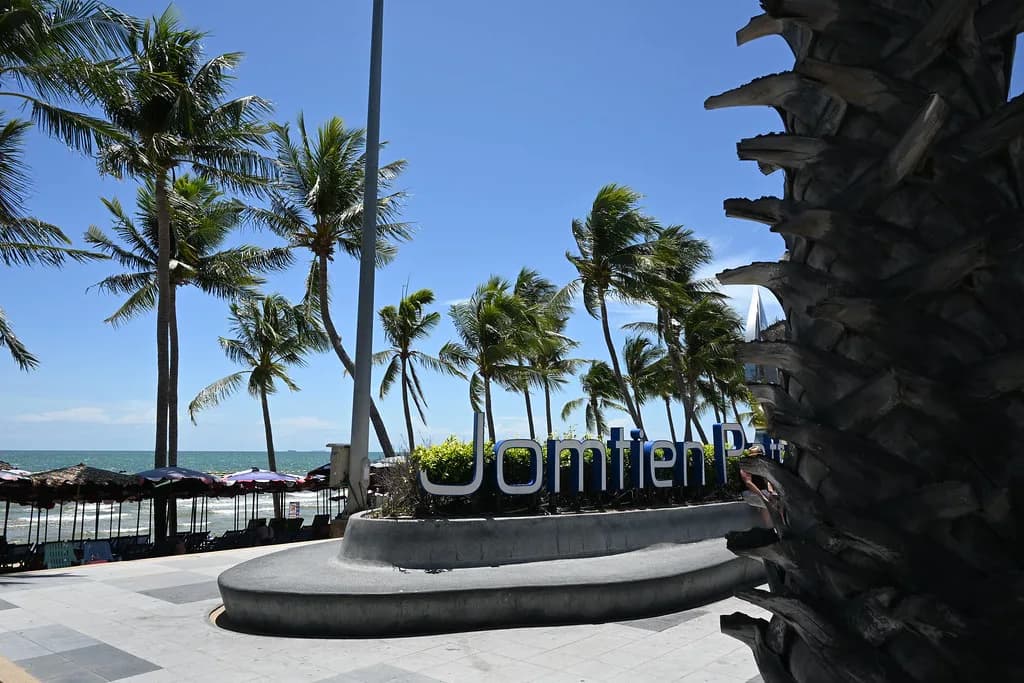
If your trip includes the Jomtien Beach area or long beach walks, one extra cover-up and a second pair of sandals earn their space. Otherwise, resist the urge to add more clothing and put that room toward sun protection and a refillable water bottle.
What to Leave Behind
Leave behind heavy denim, thick jackets, and multiple formal outfits; they take space and rarely get worn in the hot season. Heels are a poor match for uneven pavement and long walks. Bulky toiletries and beach towels can usually be replaced or borrowed, so do not dedicate luggage space to them.
Skip duplicate shoes and multiple heavy bags, which are the most common overpacking mistakes for a hot-weather trip. One crossbody or small backpack is usually more useful than several bags you have to manage. If you are unsure about an item, ask whether it works for at least two parts of your day.
Do not pack as if you need a full wardrobe for every scenario. A single light layer, a versatile bottom, and shoes that handle multiple surfaces will carry most of your trip. Keeping your bag light also makes moving between transport, hotels, and beach areas much easier in the heat.
Small Extras That Help in Heat and Humidity
Electrolyte powders, a refillable water bottle, and a small first-aid kit with plasters and antiseptic cream are useful in hot, humid conditions. A cooling towel or a small handheld fan can take the edge off during long outdoor stretches. Pack these in a pouch so they are easy to find when you need them.
Electrolyte powders are worth considering if you sweat heavily or spend long hours outdoors, because plain water alone may not replace what you lose. These are general travel-comfort items, not a substitute for medical advice; if you have a health condition or take medication, ask a clinician what is appropriate for you. Pack only what you will realistically use and refill water as you go.
A small stash of hand sanitiser, tissues, and a few laundry sheets can solve everyday problems without much weight. A dry bag or plastic pouch protects your phone and documents from sweat, rain, or a splash. These small items often matter more than an extra outfit.
Before You Go: Check the Forecast and Adjust
Check a short-range forecast for Pattaya in the days before departure and adjust quantities accordingly; seasonal patterns are useful for planning, but they are not a forecast for your specific dates. If rain appears in the outlook, add a light compact umbrella or quick-dry layer rather than a heavy rain jacket. If the heat looks intense, prioritise loose fabrics and sun cover even more.
If your trip falls later in the season or closer to the transition into wetter months, compare your list with Pattaya rainy season packing so you are not caught short by afternoon showers. That does not mean packing for a different trip; it means adding one or two items that work for both heat and rain. A light layer and quick-dry footwear usually cover the overlap.
For a trip later in the year, conditions can feel noticeably different, so check what to wear in Pattaya in November if your dates fall outside the hot season. Comparing the two packing approaches helps you avoid carrying the wrong layers or footwear.
Pack Light, Stay Cool, and Enjoy Pattaya
Pattaya's hot season rewards a simple, breathable packing strategy over a large wardrobe. Focus on loose fabrics, reliable sun protection, and footwear that handles sand and pavement, then let laundry and quick-dry pieces do the rest. A light bag makes moving through heat and humidity far more pleasant.
Use the Pattaya packing list as your starting framework, then adjust for your trip length, activities, and the forecast you see before departure. If you are travelling outside peak heat, compare the November guidance so your layers and footwear match the conditions you are likely to meet.
Frequently Asked Questions
What should I wear in Pattaya during the hot season?
Start with loose, light tops and bottoms in breathable fabrics, then add a wide-brim hat, sunglasses, and sunscreen for daytime. A light long-sleeve layer helps in air-conditioned spaces and for coverage, and a cover-up makes beach-to-street transitions easy. The goal is airflow and sun protection rather than a heavy or formal wardrobe.
What fabrics are best for Pattaya's heat and humidity?
Linen, cotton, and quick-dry synthetics or blends are the most practical choices because they move air and handle moisture better than dense fabrics. A mix works well: natural fibres for comfort and quick-dry pieces for beach and active days. Skip heavy denim, thick canvas, and tightly woven fabrics for daytime use.
What shoes should I pack for Pattaya in hot season?
A walking sandal with a secure strap and cushioned sole handles hot pavement and longer walks better than flat flip-flops, while a beach pair covers sand and pool time. Closed trainers can feel heavy and dry slowly in humid heat, so choose them only if you have active plans. Test new shoes before you travel to avoid rubbing.
How do I protect myself from the sun in Pattaya?
Use a wide-brim hat, sunglasses, and sunscreen, and reapply during the day, especially after swimming or heavy sweating. A light long-sleeve shirt, rash guard, or sarong gives flexible coverage for beach and outdoor time. Keep your sun kit in one pouch so you actually carry it.
What should I leave behind when packing for Pattaya's hot season?
Leave heavy denim, thick jackets, multiple formal outfits, and heels at home; they take space and rarely suit heat, humidity, or uneven pavement. Avoid duplicate shoes and several heavy bags. If you are unsure about an item, check whether it works for at least two parts of your day.
Do I need electrolytes in Pattaya's hot season?
Electrolyte powders can be useful if you sweat heavily or spend long hours outdoors, but they are a comfort item rather than a requirement. If you have a health condition or take medication, ask a clinician what is appropriate for you. Pack only what you will realistically use and refill water as you go.
How do I check the weather before my trip?
Look at a short-range forecast for Pattaya in the days before departure and adjust quantities or layers based on what you see. Seasonal patterns describe typical conditions, not a forecast for your dates. If rain appears, add a compact umbrella or quick-dry layer instead of a heavy jacket.
How many outfits do I need for a week in Pattaya's hot season?
A practical capsule is about five tops, two shorts, one skirt or loose trousers, one dress or playsuit, two swimsuits, one cover-up, and two pairs of shoes. Plan laundry once mid-trip rather than packing seven of everything. Quick-dry fabrics can be hand-washed and hung overnight.
Sources
Free: The Ultimate Packing Cheat Sheet
A carry-on capsule wardrobe, the complete packing checklist, layering made simple, and what to wear by season — one printable page you'll use on every trip.
You might also like


Continue reading
More guides you'll find useful


