
Pattaya Packing List: What to Wear for Heat, Beaches and Temples
Pack for Pattaya with a breathable heat-ready capsule: beach and temple outfits, monsoon rain gear, air-con layers, and a compact trip-length example.
On this page
Pattaya weather month by month
Typical conditions from 30 years of daily weather data — use it to see how much to pack for the month you are travelling.
| Month | High / low | Days with rain | Afternoon humidity | Daylight |
|---|---|---|---|---|
| January | 31° / 23°C (87° / 74°F) | 2 in 10 days | 53% | 11.3 h |
| February | 31° / 24°C (88° / 76°F) | 2 in 10 days | 57% | 11.6 h |
| March | 32° / 26°C (89° / 78°F) | 4 in 10 days | 61% | 11.9 h |
| April | 32° / 27°C (90° / 80°F) | 5 in 10 days | 62% | 12.3 h |
| May | 32° / 27°C (89° / 80°F) | 7 in 10 days | 67% | 12.6 h |
| June | 31° / 27°C (87° / 80°F) | 8 in 10 days | 68% | 12.8 h |
| July | 30° / 26°C (87° / 79°F) | 8 in 10 days | 69% | 12.7 h |
| August | 30° / 26°C (86° / 79°F) | 8 in 10 days | 69% | 12.4 h |
| September | 30° / 26°C (86° / 78°F) | 9 in 10 days | 71% | 12.1 h |
| October | 30° / 25°C (85° / 77°F) | 8 in 10 days | 70% | 11.7 h |
| November | 30° / 24°C (87° / 75°F) | 3 in 10 days | 59% | 11.4 h |
| December | 30° / 23°C (87° / 73°F) | 1 in 10 days | 50% | 11.2 h |
Travelling on specific dates? Use our What to Wear Planner for the weather, outfits and a packing list for your exact days in Pattaya.
Averages for 1991-2020, modelled from Copernicus ERA5-Land and ERA5 reanalysis via Open-Meteo open data (CC BY 4.0), adjusted to Pattaya's elevation. Modelled afternoon highs can read 1–2°C below airport weather-station records.
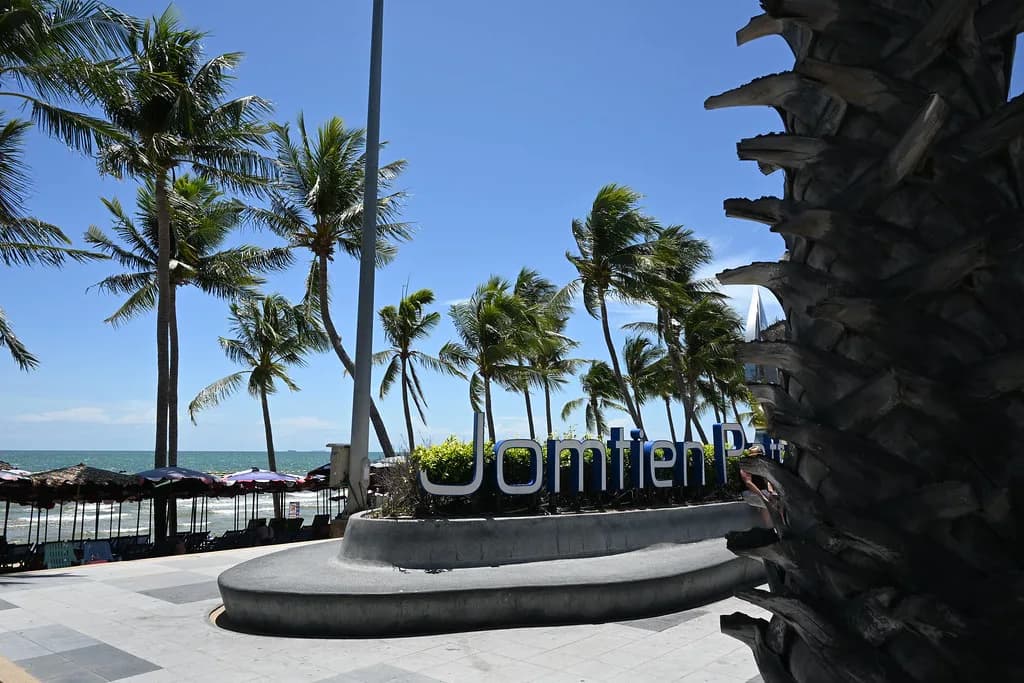
Pattaya sits on the Gulf of Thailand, so most trips mix sand, street food, an evening out, and at least one temple or market stop. That range is exactly what makes packing tricky: the same week can ask for swimwear, a covered shoulder-and-knee outfit, and something dry to change into after a downpour.
The good news is that one breathable capsule handles nearly all of it. Lightweight fabrics that dry fast matter more here than a long list of separate outfits, because humidity and repeated rewear do most of the work of deciding what belongs in the bag.
Treat this as a set of editorial suggestions rather than fixed rules. Pattaya has no single local uniform, and any venue-specific requirement, such as what a particular temple expects at its gate, should be confirmed with that place directly.
Why Pattaya Packing Is Different
Pattaya combines coastal humidity with a real seasonal split. General Thailand packing advice points to lightweight, breathable, quick-dry clothing for hot and humid conditions, and to compact rain protection plus a dry bag for the rainy season running roughly May to late October, which is exactly the pattern a Gulf-coast resort city follows.
The practical consequence is that your bag has to serve two moods. Dry-season days reward sunscreen, a hat, and a spare swimwear set so one piece can dry while the other is worn; wet-season days reward a poncho or light rain jacket, a dry bag for your phone, and shoes that survive a soaking.
This is a tendency, not a forecast. Pattaya's weather shifts week to week, so the sensible move is to check a live forecast in the days before you fly and adjust quantities rather than rebuilding the whole list.
The Core Capsule: One Bag for Beach, City and Evening
Build the capsule around a small number of pieces that each do more than one job. Two or three lightweight tops, two pairs of shorts, one pair of long trousers or a maxi skirt, one long-sleeve shirt, a loose dress or two, swimwear, and a sarong or scarf cover almost every Pattaya day.
The long-sleeve shirt and long trousers are the efficient part of this list. They work as sun cover on a bright beach day, as bug cover in the evening, and as the covered shoulders and knees that make a temple stop straightforward without a separate outfit. For a trip that lines up with the cooler, breezier stretch, the what to wear in Pattaya in November guide shows how the same pieces shift toward evenings and town time.
A scarf or sarong earns its space because it converts a beach-adjacent outfit into something more covered in seconds. Keep it in your day bag rather than your suitcase so it is available when plans change mid-afternoon.
Fabric Trade-Offs: Cotton, Linen and Quick-Dry
Cotton is comfortable and cheap, but it holds water and takes time to dry in humid air. Linen breathes better and looks a little smarter for dinner, though it wrinkles fast and often needs a gentler wash. Quick-dry synthetics and blends are the least flattering of the three but the most practical when you are rinsing clothes in a hotel sink.
A workable split is quick-dry for anything that touches water or sweat heavily, cotton for casual daytime tops, and one linen or blended piece for evenings. If you plan to use laundry during the trip, you can lean further toward quick-dry and pack less overall.
Avoid heavy denim, thick sweatshirt fabric, and anything labelled dry-clean only. They take up space, dry slowly in Pattaya's humidity, and rarely get worn when lighter alternatives are sitting right next to them.
Beach and Pool Days: Swimwear, Sun and Wet-Clothes Management
Pack two swimwear sets rather than one. Rotating them means something is always dry, which matters when humidity slows drying and you want to swim again the next morning. A microfiber towel dries far faster than a hotel bath towel and takes up less room in a day bag.
Sunscreen, sunglasses, a cap, and after-sun or aloe gel cover the sun side of a beach day. A waterproof phone pouch and a small dry bag keep sand and salt water away from electronics, and a beach bag or lightweight daypack keeps everything in one place when you move between the sand and a cafe.
For footwear on the sand, flip-flops are the obvious choice, but add one pair of closed comfortable walking shoes for the rest of the trip. Barefoot is fine at the water's edge; it is the hot pavement and long strolls that make a second pair worth the space.
Temple-Appropriate Outfit Without Overheating
A temple stop is the main reason to carry long trousers or a long skirt plus something that covers your shoulders. The practical version is a loose, light long-sleeve top and wide-leg trousers in a breathable fabric, which reads as respectful and stays cooler than a tight layer would.
Slip-on shoes are the quiet hero here, because footwear usually comes off before you step inside. Sandals you can kick off at the entrance save time and hassle, and a small bag you can carry on your shoulder keeps your hands free.
Treat this as sensible preparation rather than a rulebook. Dress expectations vary between sites and are sometimes posted at the entrance, so check with the specific temple you plan to visit instead of assuming one standard applies everywhere.
Evening and Nightlife Outfits That Survive Humidity
Pattaya evenings are warm and sticky, and many venues run air conditioning hard. A loose dress or a light shirt with trousers handles both, and a thin layer you can add indoors keeps you comfortable when the air-con is strong.
Footwear deserves a second thought for nights out. Uneven pavements, wet patches after rain, and long walks between bars or restaurants make a stable pair of sandals or low shoes more useful than anything delicate, and they pair fine with the same evening outfit.
Keep the evening capsule small: one or two outfits that can be mixed with daytime pieces are usually enough. If you want something specific for a particular venue, check that venue's own published information rather than packing against an assumed dress code.
Monsoon Versus High Season: How the Split Changes Your Bag
The rainy tendency runs roughly May to late October, while the drier stretch generally covers the cooler months. During the wetter months, compact rain protection and a dry bag move from optional to essential, and a second pair of footwear becomes genuinely useful so one pair can dry out.
In the drier stretch, the same list shrinks slightly. You can drop the heavier rain layer, keep one compact poncho for the odd shower, and shift space toward sun protection and a spare swimwear set instead.
Either way, confirm the current pattern with a live forecast rather than assuming the calendar guarantees anything. Seasons shift at the edges, and a late or early start to the rains changes which items you actually reach for.
Compact Rain Protection and Dry Bags
A poncho and a rain jacket solve the same problem differently. A poncho packs smaller, covers a day bag as well as you, and costs little, but it flaps in wind and looks improvised. A light rain jacket fits better and works for repeated wear, but takes more space and needs to dry between uses.
For most Pattaya trips, a compact poncho plus a dry bag is the lighter combination. The dry bag protects your phone, passport copy, and power bank during a sudden downpour or a boat ride, and doubles as a wet-swimwear bag when you are heading back to the hotel.
If you expect to be outside for long stretches during the wetter months, a packable rain jacket in addition to the poncho is a reasonable upgrade. Decide based on how much of your trip is on foot rather than on the season label alone.
Air-Conditioned Transit and Indoor Spaces
Buses, minivans, ferries, and shopping centres in Thailand are often cooled aggressively, and a light warm layer makes those stretches much more comfortable. A thin hoodie, cardigan, or long-sleeve shirt weighs almost nothing and doubles as sun or bug cover elsewhere.
This is also where long trousers earn a second use. Worn on a travel day with the light layer, they keep you comfortable in transit and arrive ready for a temple or an evening out without a change.
Pack the layer at the top of your bag rather than buried at the bottom. It is most useful in the moments when you cannot reach your suitcase, such as a long minivan transfer or a cold waiting lounge.
Health and Comfort Extras Worth the Weight
Sun protection, after-sun or aloe gel, bug repellent, bite relief, and rehydration salts cover the predictable discomforts of a hot and humid destination. Hand sanitiser and a small first-aid kit with plasters and basic supplies handle the small stuff on street-food evenings and long days out.
A reusable water bottle cuts waste and keeps water within reach during hot afternoons. Electrolyte sachets are small, and they are easier to carry than a large bottle of a sports drink, especially on beach days.
Take only what you will realistically use, since toiletries and sunscreen are widely available in Thai convenience stores and supermarkets. Anything medical, prescription, or specific to a health condition is a conversation for your own clinician, not a packing list.
Tech and Day-to-Day Essentials
A power bank, charging cables, and a travel adapter for your own devices are the core electronics. Plug and voltage standards vary by country and by device, so check the official specification for your destination and your charger before you rely on an adapter you already own.
A day bag that works for both beach and city is the piece that ties the whole kit together. A lightweight backpack or crossbody bag holds a sarong, water, sunscreen, and rain protection without weighing you down on a long walk.
Add a small padlock if you will use hostel lockers, and a couple of zip bags for separating wet or sandy items from the rest. These are cheap, light, and they stop one damp swimsuit from affecting everything else in the bag.
A Compact Trip-Length Packing Example
For a week-long stay, a workable base is four or five lightweight tops, two pairs of shorts, one pair of long trousers or a maxi skirt, one long-sleeve shirt, one or two dresses, two swimwear sets, a sarong, and one light warm layer. Add flip-flops, one pair of comfortable closed shoes, and a compact rain option.
Laundry is the mechanism that keeps this small. Rinsing a few quick-dry items in the sink and hanging them overnight, or using a local laundry service once mid-trip, lets you skip the second suitcase without running out of clean clothes.
Think in terms of outfit combinations rather than outfit days. If each top works with at least two bottoms and the long-sleeve layer slots over any of them, the exact count of days becomes far less important than the way the pieces interlock.
What to Leave Behind
Leave the heavy denim, the thick hoodie, the formal outfit you might wear once, and the bulky shoes you would only use on a flight. They take up the space that quick-dry, multi-purpose pieces need, and Pattaya's climate rarely calls for them.
Skip the full-size toiletry set and the oversized beach towel. Both are easy to replace locally and both are heavy in a bag you will carry between hotels, boats, and minivans.
Bringing a spare outfit in your carry-on is worth the small space, though, especially if you land late and your checked bag follows a day behind. That is a comfort decision, not a packing rule.
Before You Go: Check the Weather You Will Actually Get
Keep the capsule ready but leave the final quantities until a few days before departure. Check a live forecast for your travel dates and let it decide whether you lean toward rain protection and extra footwear or toward sun cover and additional swimwear.
If the forecast shows a wet stretch, put the poncho and dry bag at the top of the bag and add a second pair of sandals. If it looks dry, you can drop the heavier rain layer and use the space for one more lightweight outfit.
None of this replaces checking your own flight, accommodation, and entry paperwork before you go. Those details sit outside a packing list and belong on a separate pre-departure checklist.
Plan Your Visit
Pattaya rewards a small, flexible bag more than a comprehensive one. Breathable layers, one temple-ready outfit, beach gear, and a compact rain option cover the realistic range of a Gulf-coast trip without weighing you down between hotels and boats.
Start from the core capsule, adjust it against the forecast in the final days, and treat the season as a steer rather than a guarantee. If you want to fine-tune by month, the month-specific guides go deeper into what each stretch of the year asks of your bag.
More packing guides for Thailand
- Pattaya Beach Day Packing: Sand, Sun and Boat Trips
- Pattaya Hot Season Packing: What to Wear in Peak Heat
- Pattaya Rainy Season Packing: What to Wear and Carry
- Pattaya Water Sports Packing: What to Wear and Bring
- What to Wear in Pattaya in December and January
- What to Wear in Pattaya in November: Wet-Season Packing
- What to Wear to Pattaya Temples: Respectful Outfit Guide
- Hua Hin Packing List: Beach, Temple and Night Market Gear
Frequently Asked Questions
What should I pack for a trip to Pattaya?
Start with lightweight, breathable clothing that dries quickly, plus swimwear, a sarong, flip-flops, one pair of comfortable closed shoes, sun protection, bug repellent, and a compact rain option. Add a temple-ready layer covering shoulders and knees, a day bag, and a power bank. Adjust quantities based on how long you are staying and whether you plan to use laundry during the trip.
What should I wear in Pattaya during the day?
Most days call for a light top with shorts or a loose dress, sandals, sunglasses, and a hat. Choose fabrics that breathe and dry fast, because humidity and sudden showers are part of the deal. Keep a sarong or light long-sleeve layer in your day bag so you can cover up quickly if plans change.
Do I need long pants or a cover-up for temples in Pattaya?
Covering your shoulders and knees is the practical approach for temple visits, so pack at least one outfit that does this, such as loose trousers or a long skirt with a top that covers your shoulders. A scarf or sarong can work as a backup cover-up. Specific sites may post their own expectations, so check with the temple you plan to visit.
What should I pack for Pattaya in the rainy season?
The wetter stretch runs roughly May to late October, so add compact rain protection such as a poncho, a dry bag for electronics, and a second pair of footwear so one pair can dry out. Quick-dry clothing matters more in these months. Check a live forecast before you travel, since the season's edges move around.
How many outfits should I pack for a week in Pattaya?
A workable base is four or five tops, two pairs of shorts, one long trousers or long skirt, one long-sleeve shirt, one or two dresses, and two swimwear sets, with a light warm layer for air conditioning. Rinsing quick-dry items or using a laundry service mid-trip keeps this small. Focus on how pieces combine rather than counting exact days.
What shoes are best for Pattaya beaches and walking?
Flip-flops or sandals handle the beach and are easy to slip off at temple entrances, while one pair of comfortable closed walking shoes covers longer strolls and uneven pavements. A second sandal option helps if one pair gets soaked in the rain. Choose stable footwear for evenings out, when pavements can be uneven or wet.
Can I buy toiletries and sunscreen in Pattaya?
Yes, everyday toiletries, sunscreen, and similar basics are widely available in Thai convenience stores and supermarkets. That means you can pack a small amount and top up locally rather than carrying full-size bottles. If you rely on a specific product, brand, or prescription item, bring enough from home instead of assuming it will be on the shelf.
How do I check what to pack for my travel dates?
Look at a live forecast for your actual dates a few days before departure, and treat seasonal patterns as general expectations rather than guarantees. If rain is likely, prioritise a poncho, dry bag, and a spare pair of sandals. If it looks dry, you can drop the heavier rain layer and lean toward sun protection instead.
Sources
Free: The Ultimate Packing Cheat Sheet
A carry-on capsule wardrobe, the complete packing checklist, layering made simple, and what to wear by season — one printable page you'll use on every trip.
You might also like


Continue reading
More guides you'll find useful


