

What to Wear on a Tampere Lakeside Walk
Pack for a Tampere lakeside walk with seasonal layers, footwear trade-offs, a short-trip packing example, what to leave behind, and a weather check.
On this page
A walk along Tampere's water is a clothing decision before it is a route decision. The city sits between Lakes Nasijarvi and Pyhajarvi, and the Tammerkoski rapids run through the centre, so you are rarely far from open water, wind funnelling along a channel, or a stretch of path that holds snow and ice longer than the streets do. Dressing for that mix is easier when you treat each season as its own packing problem rather than packing one master list for the whole year.
This guide covers outfit combinations, materials and footwear trade-offs, a compact packing example for a short trip, and what to leave behind. Recommendations here are editorial suggestions, not dress rules and not a description of what every resident wears. Where a source gives a specific condition, this guide names it and links to the source; otherwise it tells you where to check instead.
How Tampere's Waterside Terrain Shapes What You Wear
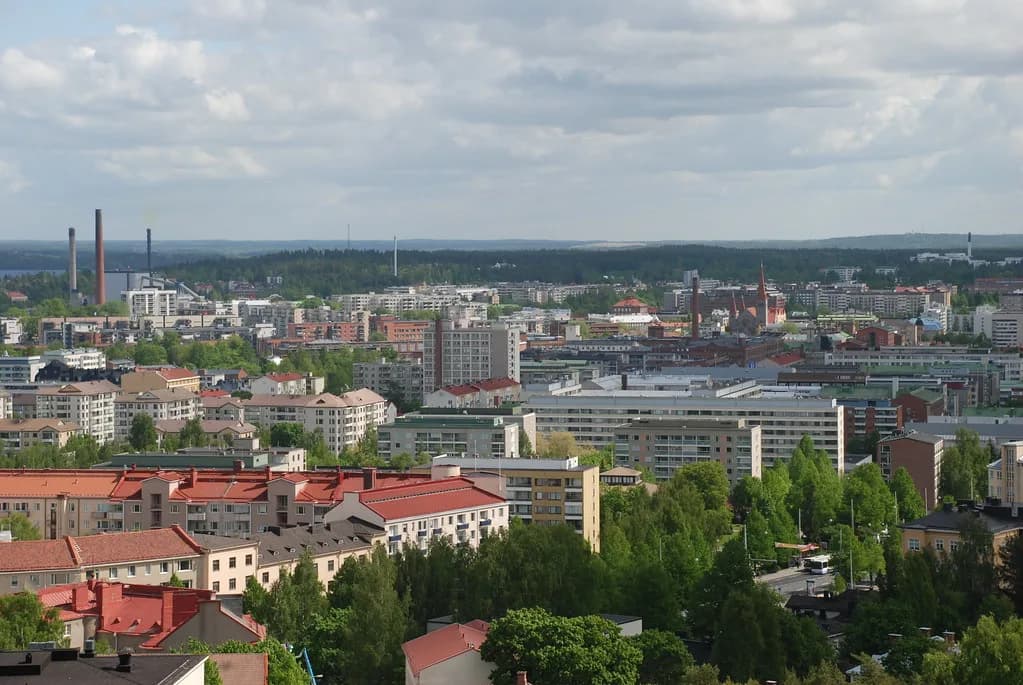
Tampere is an inland city set between two large lakes, Nasijarvi to the north and Pyhajarvi to the south, with the Tammerkoski River running through the middle. Visit Finland describes the city as a lakeland destination where lake views meet urban culture, and notes that the bus and tram network is a practical alternative to walking, with routes planable through the Nysse journey planner. That matters for packing: a day that mixes a waterside path with a tram or bus ride home needs a layer you can carry, not one you have to wear all day.
The water itself changes the exposure. All Finnish lakes freeze in winter, but the Tammerkoski rapids do not, because the current is strong enough to keep the channel open, as one winter walk account describes. A riverside stretch therefore gives you moving water and cold air off it, while the lake edges give you ice, snow and reflected light. Packing for both in one trip means a wind-resistant outer layer and eye protection or a hat brim you can adjust, rather than one fixed setup.
Path surfaces are the other variable. The Pispala ridge sits a short distance from the centre and is known for staircases, including a long flight down into the sheltered valley at Tahmela; the same account notes uneven ground and frozen surfaces. On a waterside walk, that translates into a footwear decision about grip and ankle support, not just warmth. If a route includes stairs or a ridge descent, a boot with a deeper tread and a snug heel is a more useful choice than a light trainer, even when the day looks mild.
Layering for a Lakeside Walk: Base, Mid, Shell
The layer that does the most work in Finnish conditions is the one closest to your skin. A merino wool base layer is a common suggestion for Finland in winter because it manages moisture and can be re-worn between washes, which matters on a short trip; a lightweight synthetic thermal works as a cheaper substitute. Above it, a mid-layer such as a merino sweater or a thin fleece traps warmth, and the outer shell handles wind, snow and sleet. The practical rule is that you should be able to remove the mid-layer indoors and still look presentable, because Tampere's cafes and museums are warm.
Your warmest layer should be the one you can take off, not the one you must keep on. That is why an insulated hooded coat is a frequent recommendation for Finnish winter city travel: the hood handles wind and precipitation when you are exposed on a bridge or an open shoreline, and you can unzip it on the tram without losing the base layer underneath. If you already own a coat with a hood, you can leave the separate rain shell at home for a winter city break; if your coat lacks a hood, a hooded shell over it is the lighter fix.
Extremities are where most people under-pack. A warm hat, gloves with touchscreen fingertips, and a neck gaiter are small, light and disproportionately useful next to open water, according to a Finland winter packing list that recommends all three for urban Finnish conditions. Pack two pairs of gloves if you plan long photo stops; thin liners under mittens give you a warm option and a dexterous one. This is broadly applicable cold-weather advice rather than a rule about Tampere specifically, so treat it as a starting point you adjust to your own circulation.
Footwear: The Decision That Matters Most on Waterside Paths
If you pack only one pair of shoes, the choice between insulated snow boots and general walking boots defines your trip. A Finland winter packing list describes bringing both and finding regular walking boots adequate for city pavements when there was little snow or ice, while insulated snow boots handled snow-packed ground and stayed comfortable for full days of walking. The trade-off is bulk and warmth against versatility: snow boots are heavier in a suitcase but keep feet warmer when the ground is frozen, while walking boots are lighter and pair better with jeans and leggings in town.
For a Tampere winter trip that includes the Pispala stairs or a lake-edge path, an editorial suggestion is to make the insulated snow boot the pair you wear on the plane and pack a lighter shoe for indoor and city use only. That way the heavier, warmer option is never left in the hotel on the day you need it. For warmer seasons, general walking boots with a grippy sole are the more sensible single pair, and insulated boots stay home. This is a suggestion based on typical conditions, not a requirement on any specific path.
Socks are part of the footwear decision, not an afterthought. Merino wool socks are repeatedly suggested for Finnish winter travel because they insulate when damp and resist odour, which lets you carry fewer pairs on a short trip. Bring at least one spare pair in your day bag on winter walks: feet that get wet on slushy ground cool quickly, and changing socks is faster than changing plans. If you tend to get cold feet, size up slightly in the boot to fit a thicker sock without compressing it.
Winter in Tampere: Frozen Lakes, Snow, Ice and Stairs
Winter is the one season with source-supported packing detail, so it deserves the most specific outfit. A winter walk account of Tampere describes snow, ice, frozen lakes and icy stairs on a sunny January afternoon, with a temperature of around minus 20 degrees Celsius (minus 4 degrees Fahrenheit) on the day of that walk; that figure is one walker's experience, not an average, and conditions vary widely from day to day and week to week. The same account notes that fingers became painfully cold while taking photos, which makes gloves and a warm hat a practical priority rather than an accessory. Check the Finnish Meteorological Institute or a trusted forecast for the conditions during your own visit, and see what to wear in Tampere in March if your trip falls at the end of winter.
An outfit that works for this range combines a merino base layer, fleece-lined leggings or fleece-lined jeans, and an insulated hooded coat, with insulated waterproof snow boots and wool socks below. Above the collar, a hat, gloves and a neck gaiter cover the areas that lose heat fastest when you are standing still at a lookout. The combination is a suggestion drawn from general Finland winter packing advice, not a uniform that locals follow; some people will be in lighter kit, and comfort depends on how long you stay outside.
Traction deserves its own decision. Frozen stairs on the Pispala ridge and icy patches near the water are the places where a smooth-soled boot is a poor match, so a deeper tread matters more than style on those days. If you are unsure about a specific staircase or path, ask at your accommodation or a tourist information point before relying on it, because surfaces change after freeze-thaw cycles. Keep a spare pair of gloves in your bag: wet gloves on a cold hand are one of the quickest ways to cut a walk short.
Spring and Shoulder-Season Transitions
Late winter and early spring in Tampere are a mixed-kit problem: the lake may still be frozen while pavements turn slushy, so you need the warmth of winter layers with more tolerance for wet. Keep the insulated coat and wool socks, but consider a lighter mid-layer and a spare pair of socks in your day bag. If you are travelling as winter loosens its grip, the outfit balance shifts enough to deserve its own planning, so use a dedicated guide rather than copying the winter list wholesale.
Shoulder-season walking usually means two footwear options rather than one. General walking boots handle wet pavement and slush better than insulated snow boots that become heavy when wet, but they offer less warmth if the ground is still frozen at the lakeshore. A practical compromise for a short trip is to bring walking boots and thick wool socks, and to add a waterproof overshoe only if you expect standing water. Because conditions vary year to year, verify rather than assume that the ice has gone out on the lakes before planning a shoreline route.
Summer and Warm-Weather Waterside Walks
Warm-weather walks shift the packing problem from insulation to sun, insects and changing light. Off the water you get stronger breeze and reflected glare, so a light long-sleeved layer, a hat with a brim and sunglasses are worth the space even on a hot day. Insect season near lakes and rivers is real in Finland, and a light long-sleeve and trousers at dusk reduce the need for repellent; bring whichever you prefer rather than relying on either alone. These are general warm-weather suggestions, so confirm temperatures in Tampere with a forecast.
Footwear gets easier and lighter in summer: breathable walking shoes with a grippy sole cover most waterside paths, and sandals work only if you accept slower going on gravel or uneven ground. Because summer evenings by the water can cool quickly after sunset, a thin packable jacket or a light merino top is the single most useful extra layer. If your trip also includes a public sauna, note that sauna etiquette and what to bring differ from walking kit, so plan that separately from your lakeside outfit.
Autumn: Wind Off the Lakes, Wet Leaves and Early Dusk
Autumn walking brings wind off open water, wet leaves on paths and afternoons that darken early. A wind-resistant shell over a merino base and a light fleece covers most days, with the shell doing the work when rain arrives sideways on a bridge. Footwear should prioritise grip on wet leaves and wooden surfaces over warmth, so general walking boots with a deep tread are usually the better single pair. The dedicated guide to what to wear in Tampere in November covers the colder end of autumn more directly.
Darkness is a packing item in autumn, because a waterside path that felt easy at midday can be dim by late afternoon. A small headlamp or a phone light and something reflective on your outer layer make an evening return safer without adding much weight. Weather in autumn can swing between mild rain and near-freezing nights, so check the forecast the morning of your walk and adjust layers rather than committing to one outfit for the whole trip.
A Compact Packing Example for a Short Tampere Trip
For a three- to four-day winter trip built around waterside walking, a carry-on-sized kit can look like this: two merino base layers, one merino sweater or fleece mid-layer, one insulated hooded coat, one pair of fleece-lined leggings and one pair of fleece-lined jeans or joggers, three pairs of merino wool socks, one hat, two pairs of gloves, one neck gaiter, and one pair of insulated snow boots worn on the plane. Add a swimsuit if you plan to visit a public sauna, which is a major part of the culture in Tampere and appears in many hotels as well as public venues. This is an editorial example sized for walking, not a required list.
For a summer or early-autumn trip of the same length, the same bag holds one light long-sleeved layer, two short-sleeved tops, one packable wind shell, one pair of light trousers and one pair of shorts, walking shoes plus sandals if you want them, and a hat and sunglasses. Re-wearing merino items between washes is what keeps the volume down, because wool resists odour better than cotton. If you want a fuller breakdown by category, the packing list covers the broader kit that this walking-focused example leaves out.
What to Leave Behind
Leave heavy cotton layers at home for any cold-season trip. Cotton holds moisture against the skin and dries slowly, which is the opposite of what you want when a walk involves snow, slush or a cold wind off the water; merino or synthetic base layers do the same job with less risk. The same logic applies to cotton jeans as your only leg layer in deep winter, which is why fleece-lined alternatives appear so often in Finland winter advice.
Do not bring a single pair of footwear for a winter trip that mixes city streets and waterside paths. One warm pair covers the coldest day, but a lighter pair gives you options when pavements are clear and you are spending the day indoors and on trams. Also leave behind bulky items you will use once, such as a heavy umbrella that fights the wind off the lakes, and full-size toiletries you will not reapply in the cold.
Before-Departure Weather Check
Check the forecast the day before you fly and again on the morning of each walk, because Tampere conditions can change quickly and the lakeshore is often colder and windier than the city centre. Use a national meteorological service or a reputable forecast app, and look at wind speed and precipitation as well as temperature, since wind off open water changes how a layer feels. If the forecast shows a sharp cold snap, that is the cue to add the warmer mid-layer and the insulated boots rather than to cancel the walk.
If you plan a specific route, such as the Pispala stairs or a lake-edge path, check locally before you go, because surface conditions are not something a general forecast can tell you. Your accommodation, a tourist information point or Visit Finland can confirm whether a path is passable and whether public transport is running to the area you want. Packing for flexibility, with a spare layer and a spare pair of socks, is more reliable than trying to predict one exact day.
Plan Your Visit
The simplest way to pack for a Tampere waterside walk is to decide by season first, then by surface. Winter needs insulated boots, merino layers and a hooded coat; summer needs light layers, sun protection and breathable shoes; spring and autumn need a mix you can adjust mid-walk. Frame every choice as an option you can remove, and you will handle both a sunny bridge crossing and a cold wind off the lake without repacking.
One more practical step: treat footwear and gloves as the two items worth getting right before you travel, because they are the hardest to substitute once you are there. Everything else can be layered, borrowed or bought locally if needed. If your trip includes more than walking, check the dedicated guides for winter activities or sauna visits so you are not carrying one outfit for two different jobs.
Frequently Asked Questions
What should I wear on a lakeside walk in Tampere in winter?
A practical winter combination is a merino base layer, a fleece or sweater mid-layer and an insulated hooded coat, with fleece-lined leggings or trousers, wool socks and insulated boots below. Add a warm hat, gloves and a neck gaiter for exposed stretches next to open water. These are suggestions based on general Finnish winter packing advice rather than a dress code, and conditions vary, so check the forecast before you go.
Are normal walking boots enough for Tampere waterside paths?
General walking boots are a reasonable single pair in milder seasons and on cleared city pavements, and a Finland winter packing list describes them working well in urban areas when there was little snow or ice. In deep winter, on frozen stairs or lake-edge paths, insulated boots with a deeper tread are the more comfortable choice. Decide by the surface you expect, not by the season alone.
Do I need snow boots for a Tampere winter walk?
For a winter trip that includes a ridge descent, stairs or a lake-edge path, insulated snow boots are the safer packing choice because they keep feet warmer on frozen ground. If your walking is limited to cleared city streets, lighter boots with a thick wool sock may be enough. This is an editorial suggestion rather than a requirement, so check local conditions when you arrive.
What jacket works best for a Finnish winter walk?
An insulated coat with a hood is the most versatile option for city and waterside walking in Finland, because the hood handles wind and snow when you are exposed on a bridge or shoreline, and you can unzip the coat indoors. A slimmer puffer packs smaller if luggage space is tight. If your coat lacks a hood, a light hooded shell worn over it can do the same job.
What should I pack for a short winter trip to Tampere?
For three to four days, aim for two merino base layers, one mid-layer, one insulated hooded coat, one or two pairs of fleece-lined trousers or leggings, several pairs of wool socks, a hat, two pairs of gloves, a neck gaiter and insulated boots, plus a swimsuit if you plan to visit a public sauna. Wearing the bulkiest items in transit keeps the rest within a carry-on. Treat this as a starting point and adjust for the forecast.
What should I leave behind when packing for Tampere?
Leave heavy cotton base layers and cotton jeans as your only leg layer for a winter trip, because cotton holds moisture and dries slowly in cold, wet conditions. Do not rely on a single pair of footwear if your plans mix city streets and waterside paths. A large umbrella is also of limited use when wind comes off the lakes, so a hooded coat covers more situations.
How should I check the weather before a Tampere lakeside walk?
Check a national meteorological service or a reputable forecast app the day before and again on the morning of your walk, and look at wind speed and precipitation as well as temperature. For a specific route, such as the Pispala stairs or a lake-edge path, ask at your accommodation or a tourist information point, because surface ice and snow are not something a general forecast shows. Packing a spare layer and spare socks covers most surprises.
Sources
Free: The Ultimate Packing Cheat Sheet
A carry-on capsule wardrobe, the complete packing checklist, layering made simple, and what to wear by season — one printable page you'll use on every trip.
You might also like


Continue reading
More guides you'll find useful


