
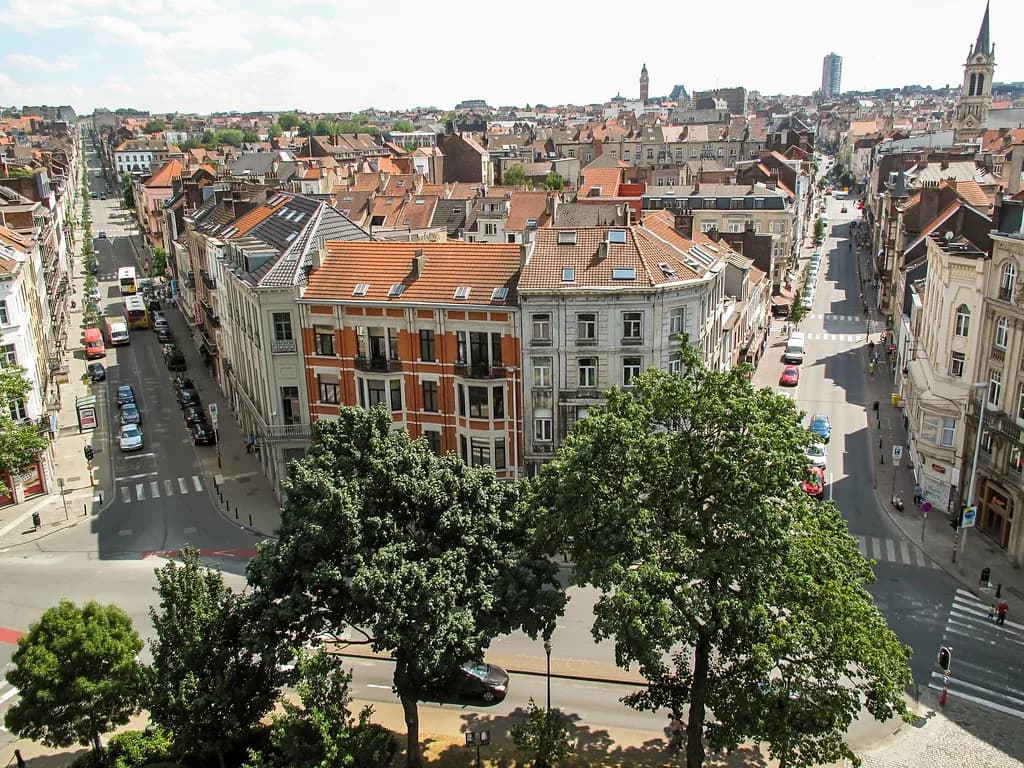
What to Wear in Brussels: A Seasonal Packing Guide
Plan your Brussels wardrobe with this seasonal packing guide covering year-round layering, rain gear, comfortable walking shoes for cobblestones, and style tips.
On this page
What to Wear in Brussels: A Seasonal Packing Guide
Brussels is a city of quick weather shifts, where sunshine, drizzle, and a cool breeze can all appear within hours. Packing for this Belgian capital means planning for a mild but moist maritime climate with no extreme highs or lows. Focus on versatile layers and waterproof, comfortable essentials rather than heavy specialized gear.
Free: The Ultimate Packing Cheat Sheet
A carry-on capsule wardrobe, the complete packing checklist, layering made simple, and what to wear by season — one printable page you'll use on every trip.
Local Style: Practical Chic with Continental Flair
Brussels fashion blends French tailoring, German functionality, and a touch of old-world design, making it forgiving for visitors who pack neatly. You'll see locals in dark jeans, simple blouses, blazers, and classic coats, with an emphasis on dark neutrals and clean lines.
While casual wear is accepted, a rule of thumb is to avoid overly athletic or flashy outfits in central Brussels. A nice pair of dark jeans with a tucked-in top and a stylish jacket will let you blend in comfortably at cafés and restaurants.
Essential Layers for Brussels Weather
In spring, day-to-day temperature swings of roughly 15°F (8°C) are possible even within a week, so a well-planned layering system helps you adapt easily. Think of a tank or light blouse as your base, a long-sleeve shirt or cardigan as your middle, and a jacket as your outer shield, as suggested by the guide on what to wear in Belgium.
Natural fibers like merino wool or cashmere add warmth without the bulk and resist odours well, practical if you are mixing and matching over several days. For bottoms, dark jeans or trousers are versatile; you can wear them repeatedly and dress them up or down.
Rain Gear and Umbrella Strategies
Rain is a constant possibility in Brussels, so a water-repellent jacket with a hood is a non-negotiable. Look for a packable raincoat that layers over your outfits and can be stuffed into a tote during the day; many travellers also carry a compact travel umbrella for sudden showers.
During spring, locals sometimes describe the weather as 'a fair in hell'—raining and sunny at the same time—so keep sunglasses and an umbrella accessible even on promising mornings, as noted in the year-round Belgium packing guide. For autumn, waterproof footwear and a breathable rain jacket become daily companions as rainfall becomes more frequent.
Footwear for Cobblestones and Transit
Cobblestone lanes in the historic centre and long days of walking demand comfortable, supportive shoes. Cushioned sneakers, leather boots, or sturdy flat ankle boots are solid choices that suit the local aesthetic while protecting against uneven terrain.
Take a cue from summer packing advice and leave high heels at home—the streets are not heel-friendly, and you will regret them after a day of exploring (see the Belgium summer packing list). Choose waterproof or water-resistant pairs, especially in spring or fall, and break them in well before your trip to avoid blisters.
Spring Packing (March to May)
Spring in Brussels is moody: temperatures can hover around 50°F (10°C) in late March but may climb above 68°F (20°C) on lucky days in late May, with unpredictable shifts in between, according to the what to wear in Belgium guide. Your packing list should include short-sleeve tees, long-sleeve shirts, a cardigan, and a medium-weight jacket for flexibility.
Leather boots or clean sneakers with good grip are your footwear friends, as are sunglasses to cope with low spring sun glaring off puddles. A lightweight scarf can also serve as an extra layer on chillier days.
As spring transitions, you'll want a blend of winter and summer pieces. Pack cotton tops, a denim jacket or trench, and a pair of ankle boots that can handle afternoon rain without weighing you down.
Summer Packing (June to August)
Brussels summers are pleasant but not hot, with July and August highs typically only reaching the low 20s Celsius (about 70°F), and many days even cooler, as advised in the Belgium summer packing guide. This is the city's busiest season, so light layers handle both sun and overcast conditions.
A knee-length dress or skirt with a light cardigan or denim jacket works well, as does the classic combo of tailored shorts or a blouse with jeans. You'll rarely need heavy coats, but a packable rain jacket is still wise for sudden showers.
Footwear can be flexible: comfortable strappy sandals (flat, not heeled) for dry days, breathable fashion sneakers for walking, and a pair of ballet flats or loafers for evenings. A light scarf also helps you stay comfortable on cooler days.
Autumn Packing (September to November)
By fall, temperatures range from the mid-30s to the mid-60s Fahrenheit (around 1–18°C), and rainfall increases drastically, so waterproof clothing and an umbrella are essential, according to the what to wear in Belgium guide.
Layering becomes your primary strategy: long-sleeve shirts, cosy knitwear or chunky sweaters, and a coat with a hood are perfect for crisp days. Pair dark jeans or tailored trousers with a dress and tights for a smarter look, and add leather gloves and a beanie by late autumn.
For footwear, dark ankle boots are a go-to selection, ideally waterproof or weather-treated to handle wet streets. On mild days you can get by with a light jacket and knit layers, but by November you'll want a proper winter coat and a warm scarf.
Winter Packing (December to February)
Winters in Brussels are cold and damp, yet rarely freezing, with temperatures typically hovering just above zero Celsius (about 32–40°F). You'll want a warm, wind-resistant coat, a chunky knit or fleece sweater, and comfortable thermal layers underneath.
For your lower half, warm trousers, fleece-lined leggings under skirts or jeans, and waterproof insulated boots will keep you comfortable. Accessorise with a beanie, thick scarf, and insulated gloves, as the bone-chilling humidity can make it feel colder than the thermometer suggests.
A Compact Capsule for a Five-Day Trip
If you are visiting Brussels for five days, focus on pieces that mix and match. A suggested capsule includes: three tops (two short-sleeve, one long-sleeve), two pairs of jeans or trousers, one cardigan, one water-resistant jacket, and one comfortable pair of walking shoes.
Add a crossbody bag, a scarf, and a light layer for evenings. This arrangement covers most weather scenarios without checking a suitcase, leaving you room to shop for Belgian chocolate and lace.
What to Leave at Home
Heavy ski jackets, formal evening wear, bulky sweaters in excess, and multiple pairs of heels are all better left behind. Brussels is a city of casual elegance; you'll rarely need truly formal attire, and anything too bulky only weighs you down.
Those prone to overpacking should note that the city has many laundromats and Airbnb rentals with washers, allowing you to bring less and keep your outfit combinations fresh.
Check the Forecast Before You Go
The week before your departure, check reliable weather forecasts for Brussels to fine-tune your wardrobe. At that point you can adjust the weights of your layers and decide whether to pack an extra sweater or a lighter rain jacket.
Always pack for incremental temperature changes, as forecasts may shift. And remember that climate tendencies are only a guide – the weather may actually be sunnier, cloudier, warmer, or cooler than the historical averages.
Month-by-Month Guides
For more specific advice as the seasons shift, see our detailed guides for January in Brussels and February in Brussels.
Plan Your Visit
Your Brussels packing list should centre on smart layers, reliable rain protection, and comfortable walking shoes. Whether you are strolling through the Grand Place in spring or enjoying a cozy café corner in winter, the right wardrobe will let you focus on the city's beauty.
Check the forecast, prioritise versatile neutrals, and prepare for changeable skies. A thoughtful approach to packing will make your trip more enjoyable, no matter the season.
More packing guides for Belgium
- What to Wear in Brussels in February: Packing for Cold and Drizzle
- What to Pack for Brussels in April: A Spring Layering Guide
- What to Wear in Brussels in August: Packing for Warm, Humid Days
- What to Wear in Brussels in December: Packing List & Outfit Ideas
- What to Wear in Brussels in January: Packing for Cold, Damp Days
- What to Wear in Brussels in July: Packing for Warm Days and Showers
- What to Wear in Brussels in June: Packing Guide
- What to Wear in Brussels in March: Packing Tips for Spring
- What to Wear in Brussels in May: Packing Guide & Outfit Ideas
- What to Wear in Brussels in November: Cold-Weather Packing Guide
- What to Wear in Brussels in October: Packing Guide
- What to Wear in Brussels in September: A Layered Packing Guide
- The Essential Ghent Packing List: What to Wear & Bring
- What to Wear in Bruges: A Seasonal Packing Guide
Frequently Asked Questions
What should I wear in Brussels in the spring?
In spring, Brussels weather can swing between chilly mornings and warm afternoons. Pack layers like short-sleeve tees, long-sleeve shirts, a cardigan, and a light jacket. Comfortable shoes with good grip, such as sneakers or boots, are best for rain and cobblestones. Sunglasses are handy for sunny moments between showers.
Do locals in Brussels dress casually?
Brussels style is casual but polished. You will fit in with dark jeans, simple tops, and clean sneakers or boots. Avoid very sporty or flashy outfits. For churches and formal settings, a cover-up for shoulders and knee-length bottoms is respectful.
Is an umbrella necessary in Brussels?
Yes, an umbrella is useful because rain can occur at any time. A packable travel umbrella is convenient. Many also prefer a waterproof jacket with a hood, which leaves hands free and works well in gusty conditions.
Can I wear sneakers on Brussels' cobblestones?
Yes, comfortable sneakers with good cushioning are ideal. Choose a pair with reliable grip to navigate the slick, uneven stones. Break them in before your trip to avoid blisters.
What is the best time to visit Brussels?
Summer offers the most agreeable weather and vibrant city life, but also the biggest crowds. Spring and autumn are pleasant with milder weather and fewer tourists. Winter is chillier but can be accompanied by festive markets.
Sources
Free: The Ultimate Packing Cheat Sheet
A carry-on capsule wardrobe, the complete packing checklist, layering made simple, and what to wear by season — one printable page you'll use on every trip.
You might also like


Continue reading
More guides you'll find useful


