
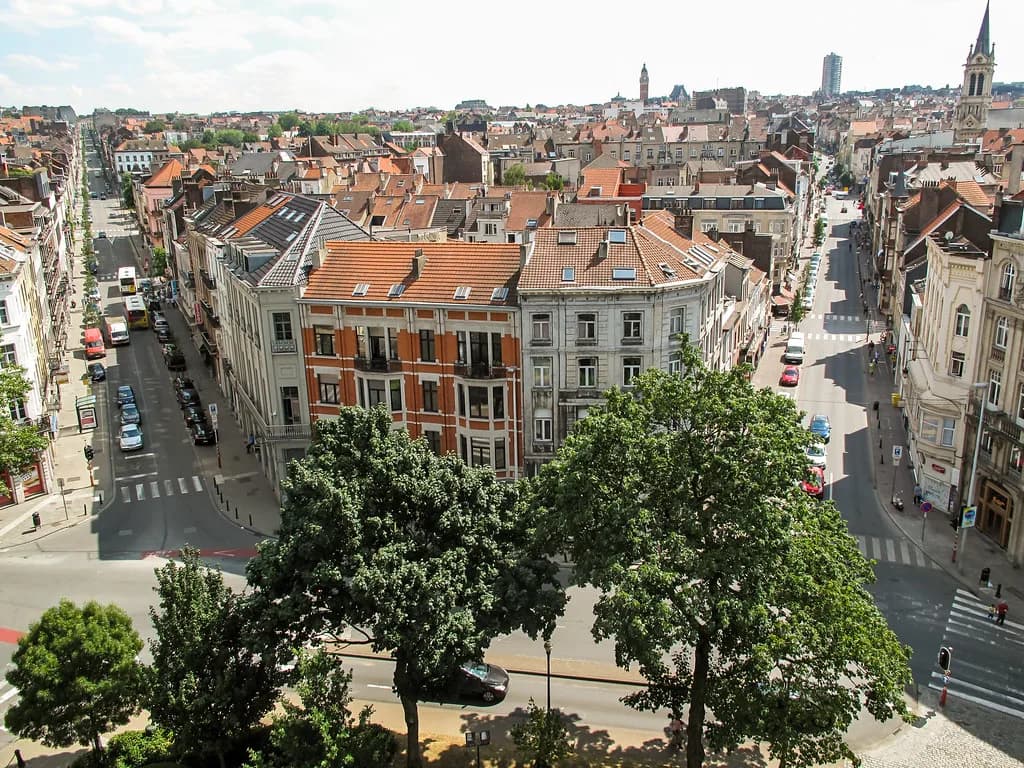
What to Wear in Brussels in February: Packing for Cold and Drizzle
Packing for Brussels in February? From waterproof ankle boots to layered knits and a packable down jacket, here's what to wear for cold, damp days.
On this page
Brussels in February: What to Wear to Stay Warm and Dry
February in Brussels is a test of layering: temperatures hover near freezing, and frequent drizzle can turn light snow into slippery slush underfoot. The key is a system of moisture-wicking base layers, warm mid layers, and a water-resistant outer shell that you can peel off when you step into heated museums, shops, and cafés.
This guide focuses on the clothing and footwear choices that keep you comfortable during long urban walks between the Grand-Place, the Royal Palace, and your hotel. Rather than a sightseeing itinerary, think of it as a dry-run for your suitcase, complete with concrete product types (not brands) and a compact example for a three-day trip. For a broader seasonal overview, refer to our destination guide on What to Wear in Brussels.
Free: The Ultimate Packing Cheat Sheet
A carry-on capsule wardrobe, the complete packing checklist, layering made simple, and what to wear by season — one printable page you'll use on every trip.
February Weather in Brussels: Historical Tendencies
Historically, Brussels in February is cold and damp. Winter travel sources note that average temperatures in Belgium during the winter months (December, January, and February) generally range from 3°C (37°F) to 7°C (44°F) during the day, with nighttime lows occasionally dropping below freezing but rarely below -5°C (23°F). The damp air can make it feel colder.
According to travel guides that cover Belgium's winter months, you can expect around 10 to 13 days of rain in each of December, January, and February. This precipitation can fall as rain, sleet, or a light dusting of snow that melts quickly into grey sludge. The cobblestones and pavement can become slippery, so your footwear needs a solid grip.
As a packing reference, a local fashion blogger notes that Belgian winters average between 0–10°C (32–50°F), reinforcing the need for warm layers and waterproof shoes. This is a historical pattern, not a forecast, and February can bring a cold snap or a milder, drier week. The reliable play is to pack for changeable conditions within a narrow temperature band–layers that adapt to both outdoor chill and indoor heating.
The Layering Strategy: Base, Mid, and Outer
Layering is the backbone of any Brussels winter wardrobe. Start with a moisture-wicking thermal top or a merino wool base layer to keep sweat off your skin. Over that, add a wool sweater, hoodie, or fleece for insulation. Finish with a water-resistant coat or a packable down jacket to block wind and drizzle.
This system lets you adjust when you move between the cold street and heated venues. A hoodie is a practical mid layer for daytime museum exploring, while a merino sweater can be dressed up for an evening out. Aim for three tops–two casual and one smarter–to mix and match over three days.
For a suitcase-friendly approach, choose a packable down jacket as your primary outer layer for cold mornings. It offers superior warmth without the bulk of a heavy wool coat, and it compresses well for travel. Pair it with a compact waterproof shell for wet days.
Top Layers: Coat and Jacket Options
In Brussels, you will see a mix of styles: classic wool coats in the business district and more practical insulated puffers and parkas everywhere. For a February visit, prioritize function: a packable down jacket or an insulated puffer with a water-repellent finish handles both the damp and the cold.
If you prefer a wool coat, look for one with a water-resistant treatment or carry a separate waterproof shell to wear over it on rainy days. The key is that your outer layer must cope with both freezing temperatures and wet conditions without leaving you soaked through.
A packable down jacket is a smart choice because it can be stuffed into a day bag when the sun appears and the temperature rises in the afternoon. Keep the hood up or use a hat to protect against the wind, which can feel biting in open squares.
Bottoms: Jeans but Bring a Backup
Jeans are the most common bottom in Brussels, even in winter. They pair well with a warm sweater and coat, and dark or black jeans look sharp for both day and night. However, blue jeans absorb moisture and take a long time to dry if you get caught in heavy rain or slush.
For a three-day trip, bring two pairs of pants: one that is quick-drying (such as a travel trouser or corduroy) and one pair of jeans. If you prefer skirts or dresses, opt for a sweater dress with thick thermal tights or leggings underneath–and keep your boots on for grip.
A pair of thermal leggings to wear under your jeans adds warmth when the temperature drops in the evening, without the bulk of ski trousers. This is a practical approach for sightseeing days that stretch into the evening.
Footwear: Waterproof Ankle Boots Are Essential
Walking is the main mode of transport in Brussels' historic center, and you can easily cover several miles a day. Your shoes must be waterproof with a rugged, non-slip sole to handle wet streets and occasional slush. Ankle boots are the go-to choice for both style and function.
Avoid non-waterproof sneakers unless you are prepared to have wet feet for the rest of the day. If you do want to wear sneakers, choose a pair made with a waterproof membrane from a reputable outdoors brand–they can work if the grip is solid.
Light snow rarely lasts long in Brussels, but when it does, it turns into gray sludge that soaks into regular shoes. Bring a pair of thick, moisture-wicking socks (merino wool is ideal) to keep your feet warm and dry as you move between indoor and outdoor environments.
Accessories: Scarf, Hat, and Gloves
Belgians rarely leave the house without a scarf, and in February it is a necessity. A wool or cashmere scarf adds warmth to your neck and can be pulled up against the wind during cold spells. This is a good place to inject a bit of color into a neutral winter wardrobe.
A warm hat and gloves are fundamental. Choose touchscreen-compatible gloves so you can use your phone camera without exposing your hands to the cold–you will want to snap photos at the Grand-Place without fumbling.
A small, collapsible umbrella is a smart addition, even if you have a water-resistant coat, because drizzle can be persistent and the rain often falls in short bursts. Pack it in your day bag for instant shelter.
What to Wear in Brussels for Evening Activities
For dinner or a cultural event, you do not need anything formal, but a smarter version of your day layers works well. Swap the hoodie for a wool sweater or a button-down shirt, and choose dark trousers or a sweater dress with thick tights. Keep your ankle boots on–the grip and waterproofing are more important than style points when the pavement is wet.
If you are planning a business dinner or a more elegant evening, a wool coat over a smart knit is common in Brussels' European quarter. This is a case where the local dress code is practical first, formal second–so prioritize comfort while maintaining a clean, polished look.
Packing List for a 3-Day Trip
Here is a compact list for a three-day trip to Brussels in February: one packable down jacket, one waterproof shell, two or three sweaters (including a merino or cashmere blend), one thermal base layer top, two pairs of pants (jeans and a quick-dry corduroy or travel trouser), one pair of thermal leggings (optional but useful), and a mix-and-match supply of long-sleeve shirts.
Footwear: one pair of waterproof ankle boots, and if you have space, a pair of comfortable walking shoes for drier days. Accessories: a wool scarf, a hat, touchscreen gloves, and a compact umbrella. For evenings, a pashmina can double as an extra layer or a fashion accent.
For a trip that includes hiking in the Ardennes or extended time outside, add a pair of insulated or waterproof hiking boots and thicker hiking socks. These can be left behind if your itinerary is strictly urban.
What to Leave Behind
Leave high heels and delicate suede boots at home–they will suffer in the wet and will limit your mobility on slippery cobblestones. Fragile fabrics like silk and dry-clean-only items are also a risk, as you may not have time to deal with stains or drying.
Resist overpacking shoes: you only need one or two pairs. A large, heavy coat that takes up half your suitcase is another no-go–a packable down jacket serves better. Finally, skip the bulky sweaters that cannot be layered; opt for fine knits that work under a coat without overheating.
Before You Leave: Check the Forecast
Always check the 7-day forecast for Brussels before you pack to see if a cold snap or a milder, damp spell is predicted. Historical averages give you a baseline, but February can surprise you. Adjust the weight of your layers accordingly–if temperatures are expected to hover near 7°C (44°F), a lighter mid layer may suffice.
You can rely on general winter packing lists for Belgium, but local forecast details are best confirmed close to your departure date. Use a reliable weather service or app for Brussels to make the final call on what to pack. For month-specific guidance, check our January packing list for practical layering essentials.
Plan Your Visit
Packing for Brussels in February is about accepting that your days will be cold, damp, and full of walking. With a layering strategy that includes a packable down jacket, waterproof ankle boots, and a versatile scarf, you'll be comfortable both outdoors and indoors.
For month-specific details, see our guides to Brussels in January and for March if your trip straddles the season. Visit our main destination page for a full overview of the city's year-round packing needs.
Frequently Asked Questions
Can I wear sneakers in Brussels in February?
Only if they are waterproof. Non-waterproof sneakers will get soaked in the frequent drizzle and slush. For comfort and safety, choose waterproof ankle boots or waterproof sneakers with a rugged sole to handle slippery streets.
What is the best type of coat for Brussels in February?
A packable down jacket or an insulated, water-resistant parka is ideal. It keeps you warm in near-freezing temperatures and sheds light rain. A wool coat can work if it has a water-repellent finish, but it won't be as practical for wet days.
Can I wear jeans in Brussels in February?
Yes, jeans are common, but they absorb moisture and dry slowly. If you get caught in rain, you'll be uncomfortable. Consider wearing quick-dry trousers or adding thermal leggings underneath for warmth and a backup pair.
Where can I check the forecast for Brussels before my trip?
Using a reliable weather service or app, you can search for Brussels' 7-day forecast close to your departure date. Check again a day before you leave for the most accurate picture of any cold snap or milder spell.
Sources
Free: The Ultimate Packing Cheat Sheet
A carry-on capsule wardrobe, the complete packing checklist, layering made simple, and what to wear by season — one printable page you'll use on every trip.
You might also like


Continue reading
More guides you'll find useful


