What to Wear in Chamonix in September: A Layered Packing Guide
What to wear in Chamonix in September: cool mornings, warm afternoons, and mountain showers call for layers and waterproofs. Pack for autumn hiking with our guide.
On this page
September is a beautiful time to visit Chamonix, when the summer crowds have thinned and the larch forests begin to turn golden. The mountain weather is variable, though: you might start a day with a cool, crisp morning, enjoy a warm afternoon in the valley, and then reach for a waterproof shell as a shower rolls in. Understanding these seasonal shifts is the key to packing well. This guide focuses on what to wear for both trail days and relaxing in town, helping you build a versatile capsule wardrobe suitable for the start of autumn.
September Weather in Chamonix: Cool Mornings, Warm Days
Historically, September sees the end of the peak summer season, with temperatures that are generally a little cooler than August, but the weather tends to be stable and the skies clear, according to local hiking operator White Marmotte. The green of summer gives way to golden autumn colours, and with fewer people on the trails, it's an excellent time for wildlife spotting. However, conditions can change quickly in the mountains, so always check the day's forecast before you head out. The official Chamonix weather service offers a 7-day forecast and is updated daily by a forecaster from Météo France, which can help you decide what to wear each day.
Even in September, you should be prepared for all kinds of weather. While valley floors can be warm in the afternoon sun, higher elevations are significantly cooler, and snow is possible at the highest passes. Local operator White Marmotte describes late September as one of its favourite times in the French Alps, noting that while temperatures are cooler than August, the weather is often stable. But don't let that lull you into skipping rain gear—mountain showers can appear quickly, as noted in the Chamonix weather guide, which advises checking forecasts and being ready for rapid changes.
The Layering Principle: Your Core Strategy
The most effective way to dress for September in Chamonix is in layers. Start with a moisture-wicking base layer to keep sweat off your skin, add an insulating mid layer like a fleece or light down jacket for warmth, and top it with a waterproof and windproof shell. This system lets you adapt as temperatures move between cool mornings and warmer afternoons. Fabric choice matters too: merino wool and synthetics dry quickly and keep you warm even when damp, making them ideal for active days. Cotton, by contrast, holds moisture and can leave you chilled when the temperature drops.
For a full overview of what to pack for the entire trip, see our what to pack for Chamonix guide. But for September specifically, consider a packable puffer or a fleece jacket for evenings, as temperatures can drop quickly after sunset. The goal is to have pieces that combine and separate easily, so you can peel off a layer during a lunchtime hike and add it back on when the shade returns.
What to Wear on the Trail: Hiking Outfit Ideas
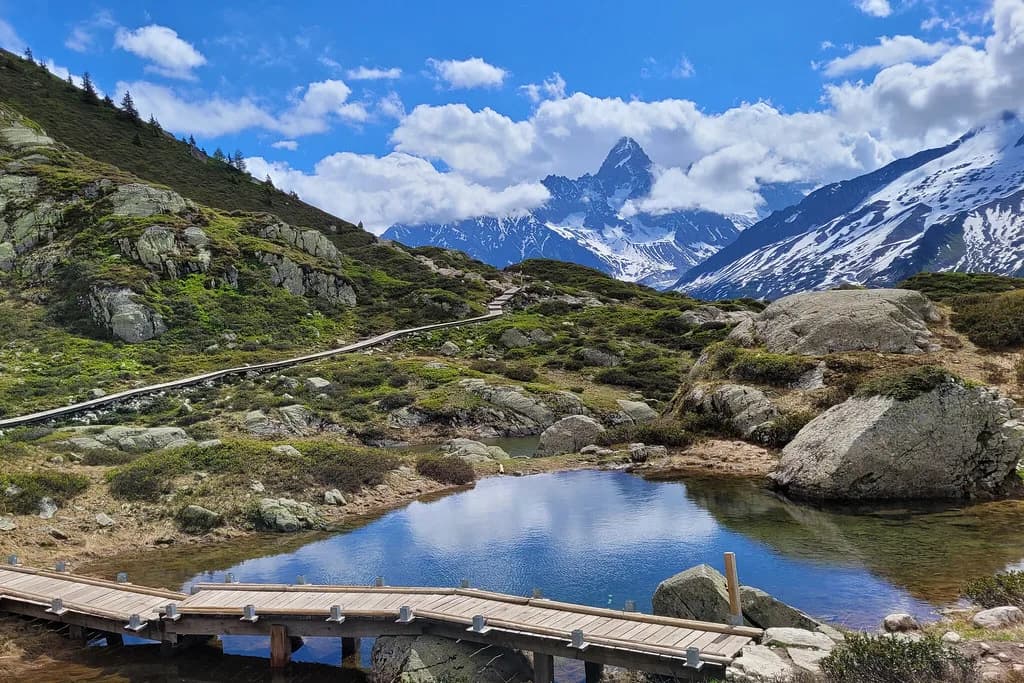
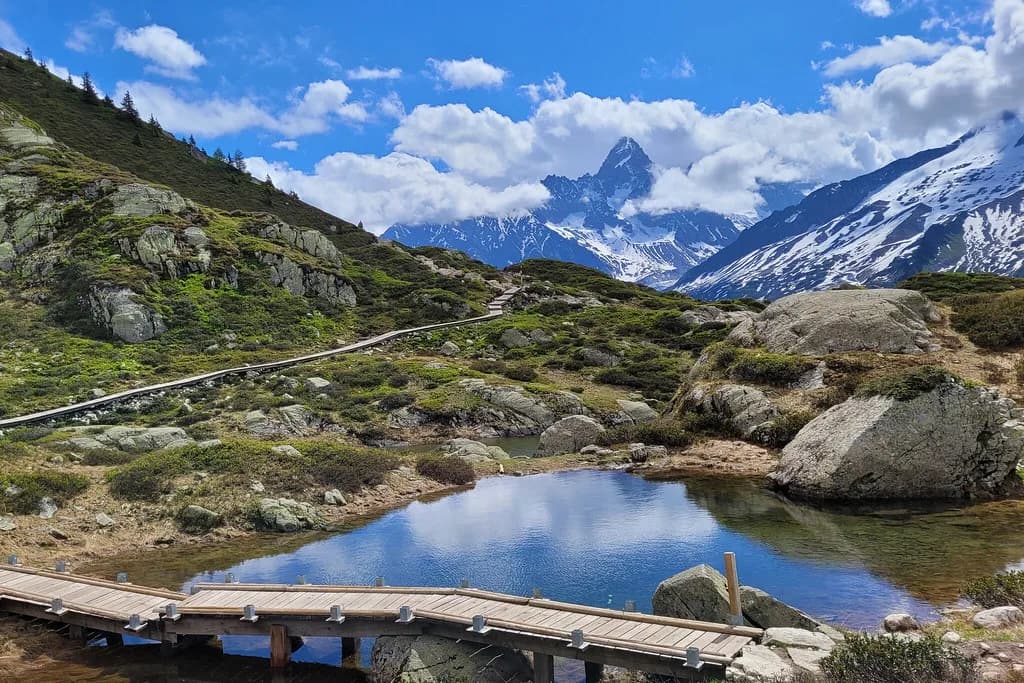
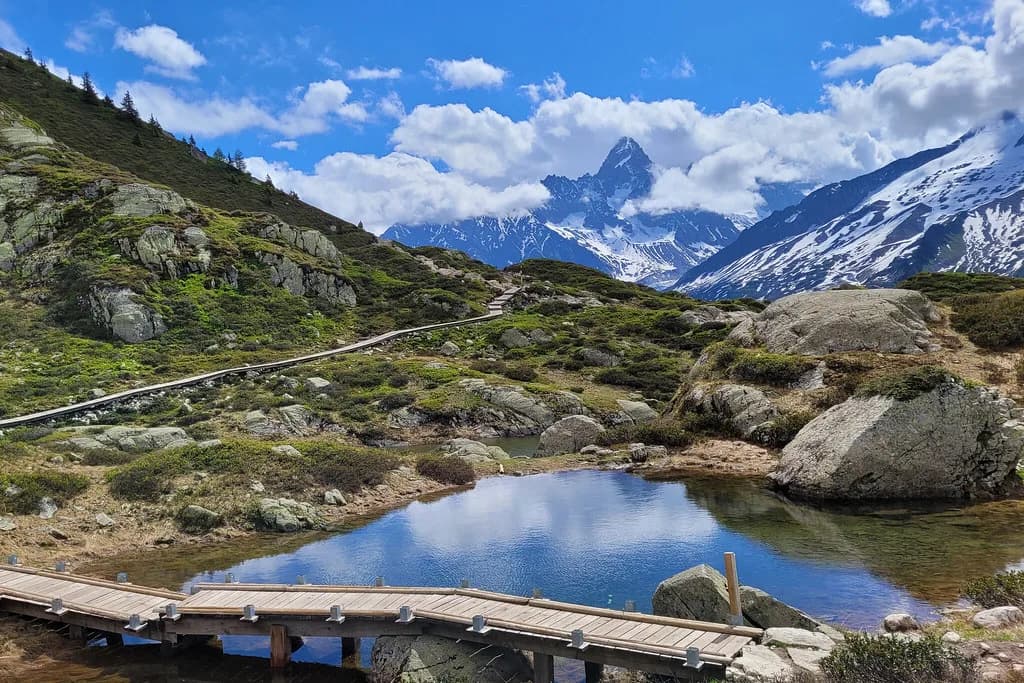
For day hikes, like the classic ascent to Lac Blanc or the Grand Balcon Nord, comfort and practicality guide your clothing choices. Start with a breathable long-sleeve shirt or a t-shirt, and carry a zip-neck fleece or a light down jacket for cooler sections. Hiking trousers with stretch are versatile—they protect against scrapes and can be rolled up when the sun is strong. White Marmotte's guidance for its September hiking week suggests bringing both shorts and long trousers, plus a warm jacket, ensuring you're ready for changing conditions.
Don't forget sun protection on the trail, even if it's cool. The sun is stronger at altitude, and you can burn on cloudy days. Pack a sun hat or cap, sunglasses, and sunscreen. For the higher trails, a pair of gloves and a warm beanie might be welcome in the morning, especially if you start early. The key is to have lightweight layers you can stash in your daypack when you warm up.
What to Wear in the Valley: Town and Evening Outfits
When you come down to the valley, you'll likely want a change from your hiking gear. For daytime exploring in Chamonix, comfortable jeans or casual trousers paired with a long-sleeve top or a light jumper work well. As the day cools, add a packable puffer or a stylish fleece—many visitors find a light-down jacket ideal for chilly alpine evenings. There's no strict dress code for restaurants, so smart casual is fine. For women, a simple dress with leggings or trousers can transition from day to night, and a scarf adds warmth and style.
Since September evenings can be cool, having a warm layer for after dinner is a must. If you're planning to visit the Aiguille du Midi, remember that the summit is at 3,842 metres and is cold even in summer; the official Chamonix tourism website notes that temperatures at altitude can be dramatically lower, so bring insulated layers and gloves for such excursions. For more cold-weather packing tips, see our guide on what to wear in Chamonix in January.
Footwear: Boots vs. Trail Shoes
Choosing the right footwear is crucial for your comfort in September. For serious hikes over rocky paths or with significant elevation gain, sturdy hiking boots with good ankle support are a wise choice—they protect your feet and reduce fatigue. If you plan mostly valley walks or gentle trails, supportive trail runners or approach shoes may suffice, as they are lighter and easier to pack. Whatever you choose, make sure they are broken in before your trip to avoid blisters.
Wear moisture-wicking hiking socks to keep your feet dry. It's also a good idea to bring a comfortable pair of shoes for town wear, such as sneakers or loafers, to give your feet a rest after a day on the trail. Many visitors find that a pair of walking shoes can serve for both easy trails and casual evenings, but for the mountains, boots or trail shoes with good grip are essential.
Rain and Sun: Two Essentials for September
A reliable waterproof jacket is non-negotiable in September. Mountain weather can change quickly, and being caught without protection in a downpour is uncomfortable and potentially risky if you're far from shelter. Look for a breathable shell, as you'll likely be hiking and want to avoid overheating. Rain pants are a worthwhile addition if you plan to hike in sustained wet conditions, as they can keep your lower legs dry.
Sun protection is equally important, even as the season cools. UV strength increases with altitude, and reflecting surfaces like snowfields can double your exposure. According to the Chamonix All Year weather guide, UV exposure increases with altitude, so wear sunscreen with high SPF, UV-protective sunglasses, and a hat with a brim. Lip balm with SPF is a sensible extra. These items are as crucial in September as in summer, especially on clear days.
A Sample 7-Day Packing List
For a week in Chamonix, aim for a capsule wardrobe that covers hiking and valley days. Tops: four or five moisture-wicking t-shirts or base layers, two long-sleeve technical tops, a mid-weight fleece, a lightweight down or synthetic insulated jacket, and a waterproof shell. Bottoms: two pairs of hiking trousers, one pair of shorts, and one pair of jeans or casual pants. Socks: five or six pairs of hiking socks in merino wool or synthetic, plus two or three pairs of everyday socks.
Footwear: one broken-in pair of hiking boots or trail shoes and one pair of comfortable town shoes. Add a sun hat or cap, light gloves and a beanie for summit outings, and a swimsuit if your hotel has a pool or spa. Accessories: a 20–30 litre daypack, a water bottle, sunglasses, sunscreen, and a small first-aid kit. This list gives you flexibility for morning hikes, afternoon picnics, and evening dinners without overpacking.
What to Leave Behind
Keep your luggage light by leaving out items you won't need. Heavy winter parkas are overkill—your layering system will provide enough warmth. Formal wear is unnecessary, as Chamonix's dining scene is relaxed. Skip bulky towels and toiletries, as your accommodation will likely provide them. If you're not planning technical climbing or long-distance trekking, leave specialised gear like crampons or a Via Ferrata set at home.
Also avoid packing multiple pairs of shoes beyond your two main options—they add weight and take up space. Instead of bringing clothes for every possible weather event, check the forecast shortly before you go and adjust. If you do forget something, Chamonix has numerous outdoor shops where you can pick up last-minute gear, so you don't need to overpack to compensate for the unknown.
Before You Depart: Check the Forecast
A few days before your trip, start monitoring the official Chamonix weather forecast, which is provided by Météo France and updated daily by a forecaster based locally. The service offers detailed predictions for different altitudes, which is essential for planning high mountain excursions. Also, review the 'La Chamoniarde' mountain conditions bulletin if you plan to hike at altitude, as it provides information on snow, rockfall, and crevasses, as recommended by the Chamonix tourist office.
On the morning of your outing, check the forecast again and look at webcams to see live conditions. September weather can shift quickly; a clear morning might turn into an afternoon thunderstorm, and vice versa. Use the forecast and any daily bulletins to adapt your route and clothing, ensuring you're comfortable and safe as conditions evolve.
Final Thoughts: Packing for an Autumn Escape
September is a wonderful time to explore Chamonix, with crisp mornings, colourful trails, and fewer visitors. By packing in layers, choosing versatile clothing, and including reliable waterproofs, you can move comfortably between high-altitude hikes and cosy dinners in the valley. Always check the forecast before heading out, and be ready to adapt as conditions change.
With the right clothing, you'll be free to focus on the stunning scenery. For inspiration on what to pack for winter, see our guide on what to wear in Chamonix in January. And for a comprehensive overview of packing for all seasons, revisit our what to pack for Chamonix resource.
Frequently Asked Questions
Is September a good time to visit Chamonix?
Yes. September is often a sweet spot with fewer crowds than summer, and the weather is frequently stable, with clear skies and golden larch forests making for stunning hikes.
What should I wear for the Aiguille du Midi in September?
The summit is very cold even in summer, with temperatures near freezing. Wear warm layers including a fleece or down jacket, long trousers, gloves, and a hat. Check the mountain forecast before you go.
Do I need waterproof clothing in Chamonix in September?
Yes. Mountain weather can change quickly, and showers are possible. A waterproof jacket is essential, and rain pants are useful for serious hikes.
Can I wear shorts on hikes in September?
It's possible on warm afternoons, but mornings are cool. Many hikers bring both shorts and long trousers and switch as the temperature changes. Long trousers also protect against scrapes.
What kind of shoes should I pack?
Bring broken-in hiking boots or trail shoes for the mountains, plus comfortable shoes for town. Moisture-wicking socks are essential to prevent blisters.
How should I dress for evenings in Chamonix in September?
Evenings are cool, so a warm layer like a fleece, light down jacket, or puffer is advisable. Smart-casual outfits are fine for dinner in restaurants, with jeans or trousers and a long-sleeve top.
Sources
Free: The Ultimate Packing Cheat Sheet
A carry-on capsule wardrobe, the complete packing checklist, layering made simple, and what to wear by season — one printable page you'll use on every trip.
You might also like


Continue reading
More guides you'll find useful