What to Wear in Chamonix in October: Layers for the Quiet Season
October in Chamonix calls for warm layers, waterproof gear, and sturdy shoes. Learn what to pack for cool days, brisk evenings, and rainy hikes.
On this page
October in Chamonix sits in an appealing sweet spot: the summer crowds have gone, many of the lifts are idle, and the valley feels calm. Daytime temperatures are cool rather than cold, but the sun dips quickly and evenings bring a distinct chill that asks for a deliberate layering strategy.
This guide focuses on what to wear and pack for the month, from base layers to footwear, so you can walk the valley trails, ride the Aiguille du Midi, and settle into a casual mountain restaurant without being caught out by the weather. For a broader look at gear all year round, start with our what to pack for Chamonix guide.
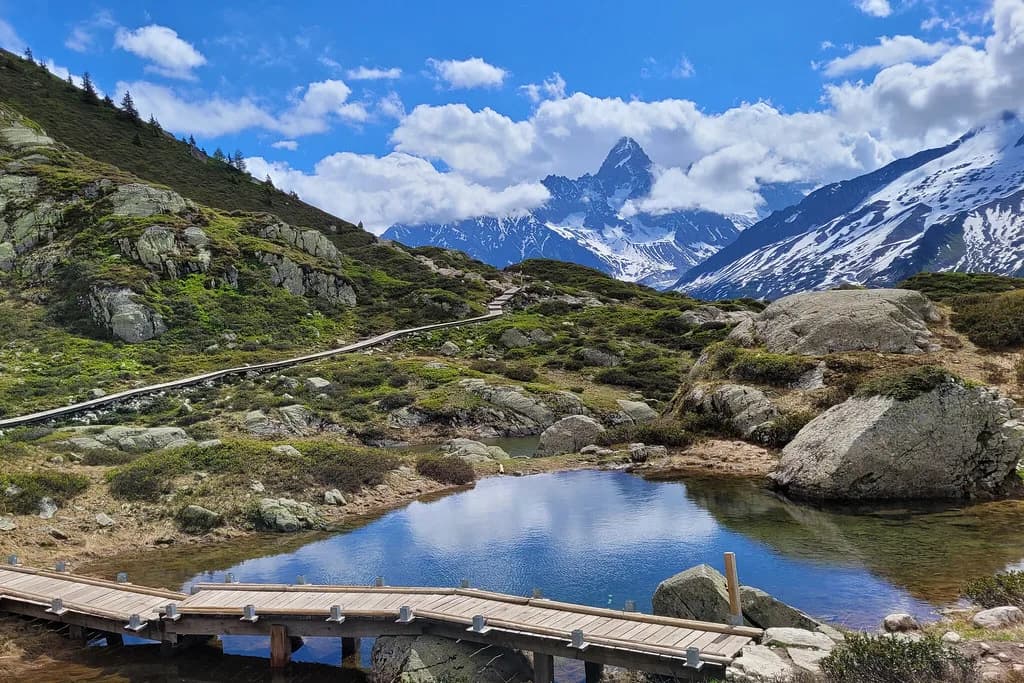
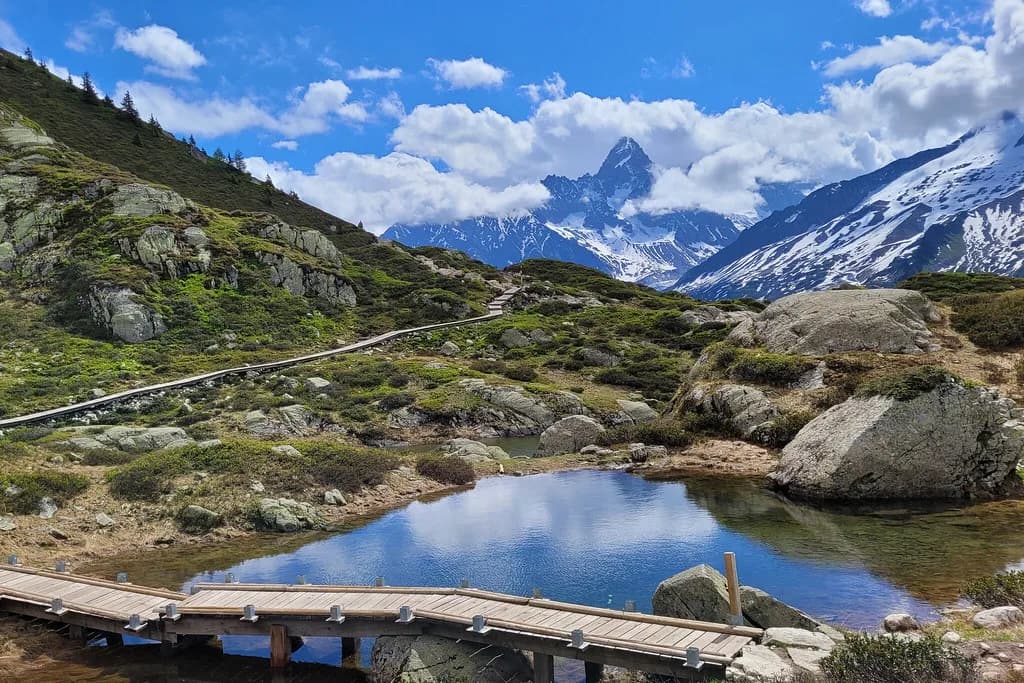
Expect a mix of crisp sunshine, cloud, and the occasional downpour. October's palette is golden larch and fresh snow on the peaks, so prepare for both damp valley paths and potential flurries on the higher trails.
October Weather in Chamonix: Averages and Mountain Realities
According to SeeChamonix, October in Chamonix brings average temperatures between 6°C and 15°C, though warmer afternoons are possible. The key is the rapid drop once the sun sets, so a sunny day can quickly turn into a chilly evening.
While the valley floor sits around 1,000 metres, higher elevations like the Aiguille du Midi can be far colder and windier. Even if the town feels mild, remember that snow can fall on higher trails, so check the mountain forecast before heading up.
Rain is a real possibility, but showers are often short. The bigger concern is that wet trails and slippery paths make footwear a priority. Layering is the best defense against these variable conditions, allowing you to shed or add as the day shifts.
Core Layering System for Cool Days and Brisk Evenings
A solid three-layer system is the backbone of your October wardrobe. Start with a breathable base layer that wicks moisture, add an insulating mid layer like a fleece or light down jacket, and finish with a waterproof outer shell.
For the base layer, merino wool or synthetic fabrics are ideal because they keep you warm even when damp. Cotton, by contrast, absorbs sweat and stays wet, which can leave you chilled on cool days, as Chalet La Foret's guidance on winter wear notes for the broader cold season.
Your mid layer can be a fleece or a light down jacket. In October, the fleece often suffices for valley walks, but you'll appreciate a warmer option for still evenings or if you head to high altitude. This approach lets you adjust without carrying unnecessary bulk.
Choosing a Waterproof Jacket: Your Most Important Decision
With October's occasional downpours, a dependable waterproof jacket is non-negotiable. Look for a breathable shell that you can wear over your layers without overheating, ideally with a hood for sudden showers.
A lightweight rain shell is enough for valley walks, but if you plan to go higher, a more robust jacket that blocks wind will serve you better. The wind at the Aiguille du Midi can be fierce, so wind resistance is a big plus.
Remember that the jacket is your first line of defense against rain, so check the seams and zippers before you go. A jacket that fails keeps you wet for the whole day, ruining an otherwise fine outing.
Footwear for Valley Walks and Wet Trails
For most October activities, waterproof boots with good tread are your best companion. The trails can be muddy and slippery after rain, and even the town's pavements might be wet, so grip matters.
If you're staying mainly in the valley, a pair of sturdy walking shoes or boots that are waterproof will do. For higher trails, ankle-high boots give extra support and keep out debris.
Avoid cotton socks; instead, pack several pairs of merino wool socks that keep your feet dry and blister-free. Thin liners can also help if you're prone to rubbing.
Packing for Higher-Altitude Excursions: Aiguille du Midi
If you're planning to take the cable car up to the Aiguille du Midi, prepare for a drastic temperature change. Even on a mild October day, the top of the mountain is cold and windy, so you'll need your warmest layers and a hat and gloves.
A down jacket or a warm fleece, worn under your waterproof shell, is essential for comfort at altitude. Sunglasses are also important, as the sun at high altitude is intense, and snow glare can be strong.
For hiking above the treeline, consider adding a pair of insulated trousers or thermal leggings under your walking pants. The temperature can hover near freezing, and wind chill makes it feel even colder.
What to Wear in Chamonix Town and for Casual Evenings
In town, the vibe is informal and relaxed. Jeans are acceptable just about everywhere, from casual cafés to more upscale restaurants, so you don't need to bring formal wear.
For evenings, swap your hiking trousers for a pair of comfortable jeans or corduroys, and add a warm sweater or a stylish fleece. A scarf and a beanie keep you cozy without overheating when you step indoors.
If you're not heading to the mountain, you can skip heavy ski jackets. A warm, non-bulky coat or a substantial puffer jacket is enough for walks between venues, and it packs more easily.
Materials to Prioritize: Merino Wool vs. Cotton
The single most useful fabric for October is merino wool. It insulates even when wet, dries quickly, and resists odor, making it ideal for multi-day trips without overpacking.
Cotton is comfortable in warm weather but risky in October's cool conditions. Once wet, cotton loses its insulation and takes a long time to dry, so favor wool or synthetics for base layers and socks.
For a warmer mid layer, fleece is a great synthetic alternative, and down offers the best warmth-to-weight ratio for static moments. Choose based on your activities: fleece for active pursuits, down for evenings and high altitude.
A One-Week October Packing List
For a week in October, pack two or three base layers, one or two mid layers (fleece and/or light down jacket), a waterproof shell, and a handful of casual tops that can be re-worn.
Bring two pairs of sturdy walking pants or hiking trousers, plus a pair of jeans or corduroys for evenings. Include a warm hat, gloves, and a scarf, as well as sunglasses and sunscreen.
Shoes: one pair of waterproof hiking boots and a pair of comfortable shoes for town – a versatile combination. Don't forget a swimsuit if your accommodation has a pool or spa, as indoor options may stay open.
What to Leave Behind
Heavy ski jackets and salopettes take up space but see little use in October, unless you're planning a high-altitude trip where a similar insulated jacket might be needed. Skip bulky formal shoes and dressy clothes.
There's no need for heavy thermal underwear unless you run particularly cold or will spend long hours outdoors in freezing conditions. A base layer of merino long sleeves is a lighter alternative.
Before You Go: Check the Mountain Forecast
Mountain weather can change quickly, so check the forecast a few days before departure and again locally. This helps you adjust your packing and decide on day-to-day plans.
Remember that averages highlight a range, but a particular week can bring unseasonable snow or a spell of warm sunshine. Being flexible with your layers is the best approach.
Final Tips for Staying Comfortable
With a versatile layering system, waterproof essentials, and sturdy footwear, you'll be ready for whatever October throws at you – from crisp autumn walks to a snowy Aiguille du Midi visit.
Don't forget to check the local forecast and lift operations before you rely on any high-altitude plans, as closures can affect what you wear and carry. For more ideas on seasonal dressing, see our guide to what to wear in Chamonix in January.
Frequently Asked Questions
Is it worth going to Chamonix in October?
October is a lovely time to visit Chamonix for a quieter experience, with lower temperatures and colorful autumn scenery. However, many lifts are closed, and some restaurants close for the season, so it's best for walkers and those seeking relaxation rather than skiing.
Do I need ski clothes for Chamonix in October?
No, you generally do not need waterproof ski pants or a heavy ski jacket for October, unless you plan on hiking in snow at very high altitudes. Your waterproof jacket and layered clothing will suffice for valley walks, though a warm down jacket is useful for chilly evenings.
What is the weather like in Chamonix in October?
October sees average temperatures between 6°C and 15°C with cooler nights and occasional rain showers. It can snow on higher trails, so carrying layers and waterproofs is a smart choice.
What should I wear for hiking in Chamonix in October?
Wear a moisture-wicking base layer, a fleece or light down jacket, and a waterproof shell. Pair these with waterproof hiking boots and merino wool socks. Bring a hat and gloves for higher elevations.
What should I wear to visit the Aiguille du Midi?
Expect temperatures near freezing, strong winds, and snow exposure. Dress in thermal layers, a warm fleece or down jacket, and your waterproof windbreaker. Wear gloves, a warm hat, and sturdy boots. Sunglasses are also a must.
Sources
Free: The Ultimate Packing Cheat Sheet
A carry-on capsule wardrobe, the complete packing checklist, layering made simple, and what to wear by season — one printable page you'll use on every trip.
You might also like


Continue reading
More guides you'll find useful